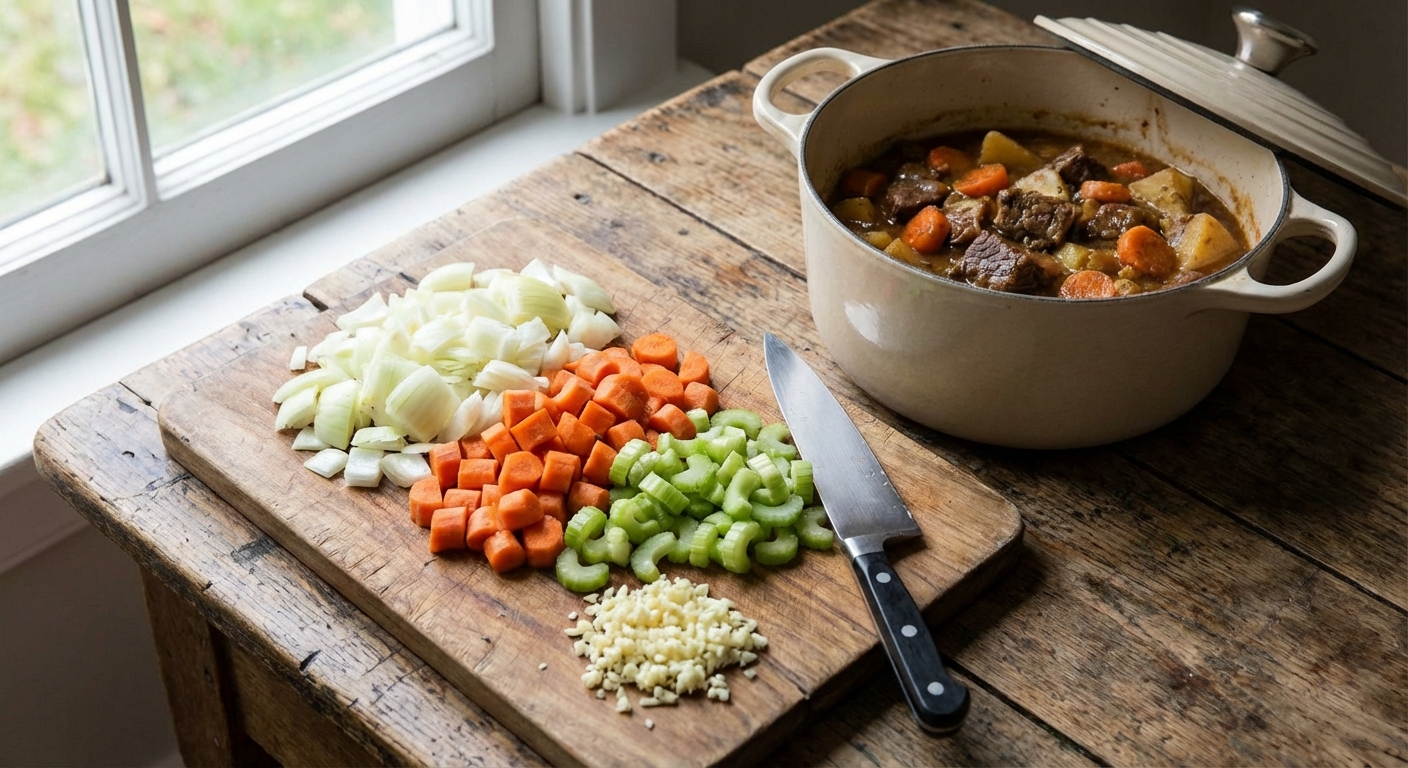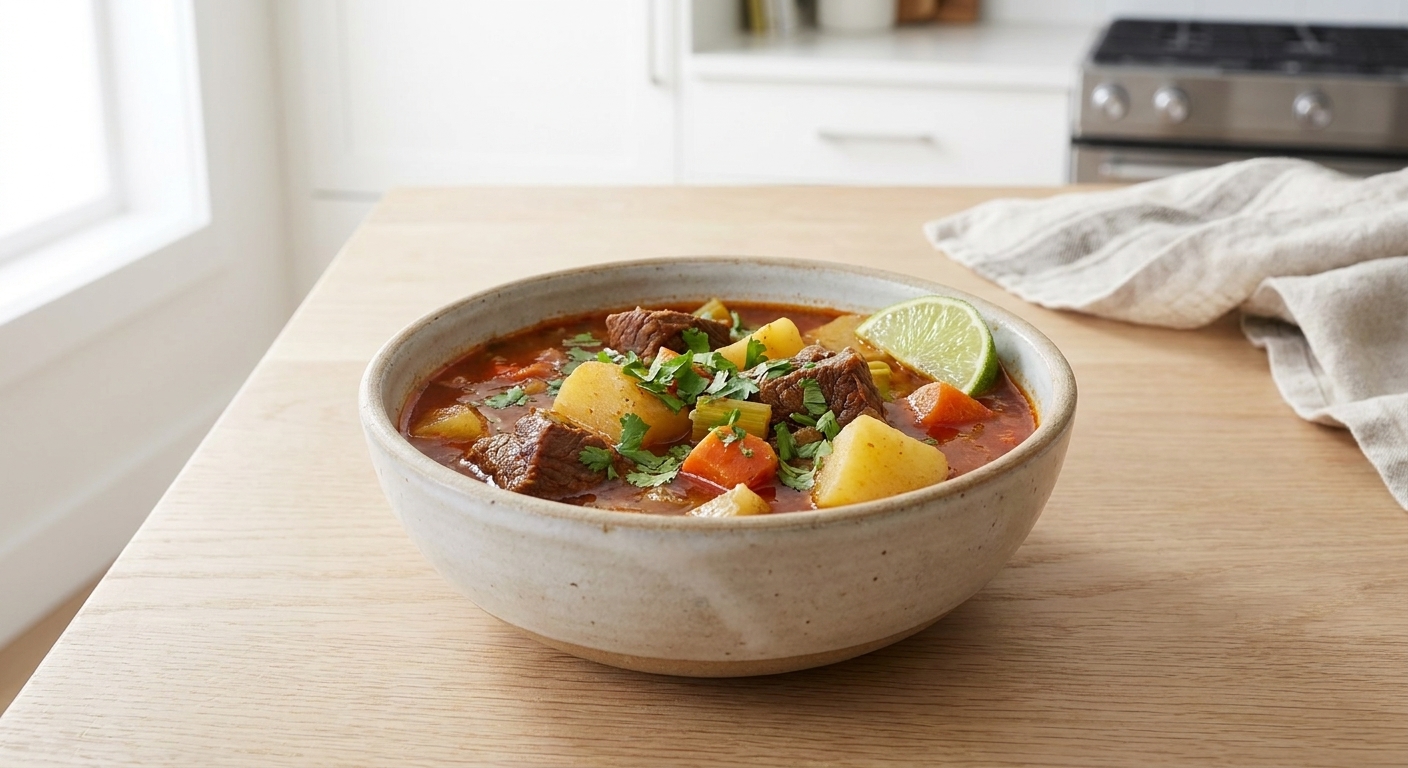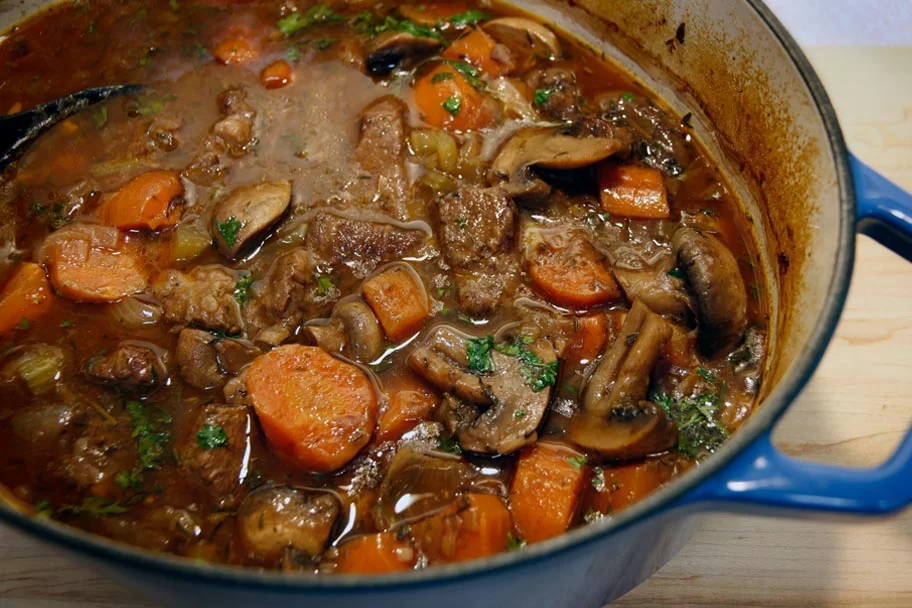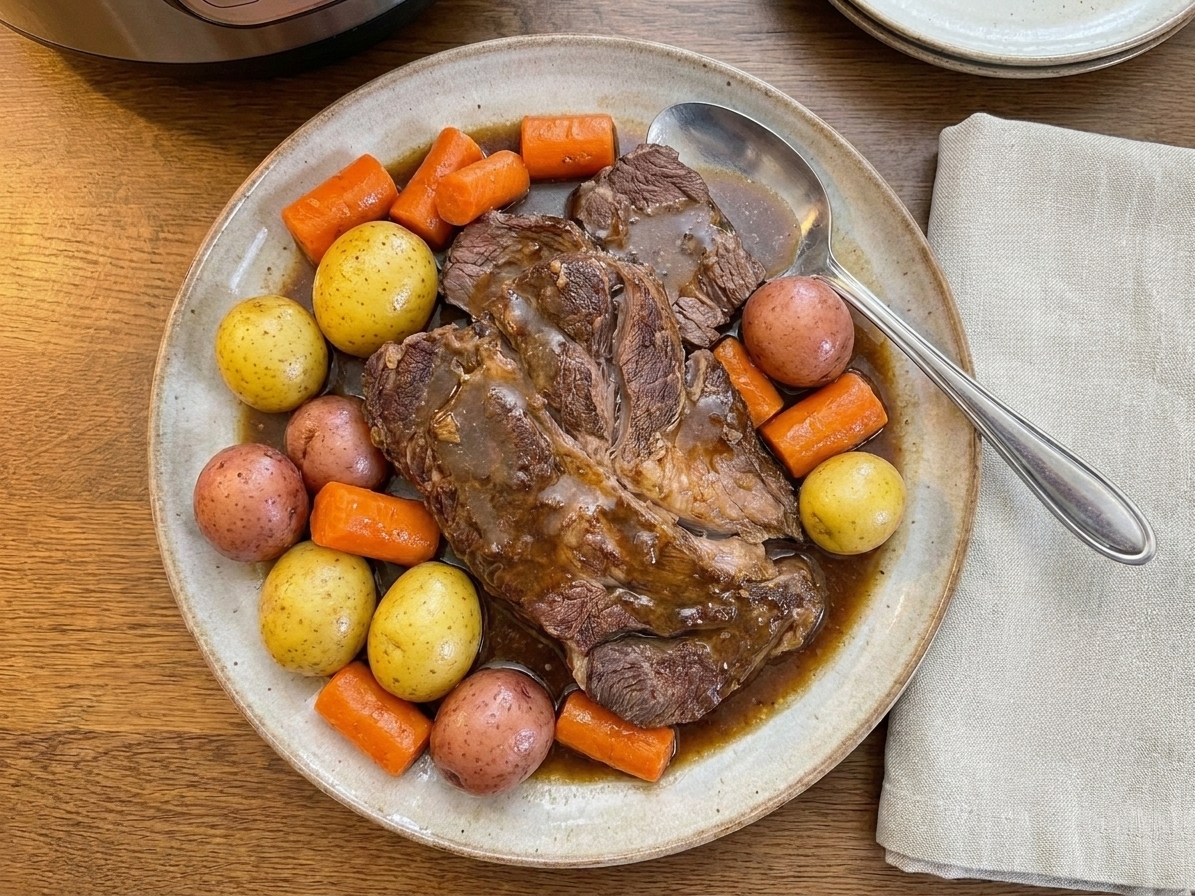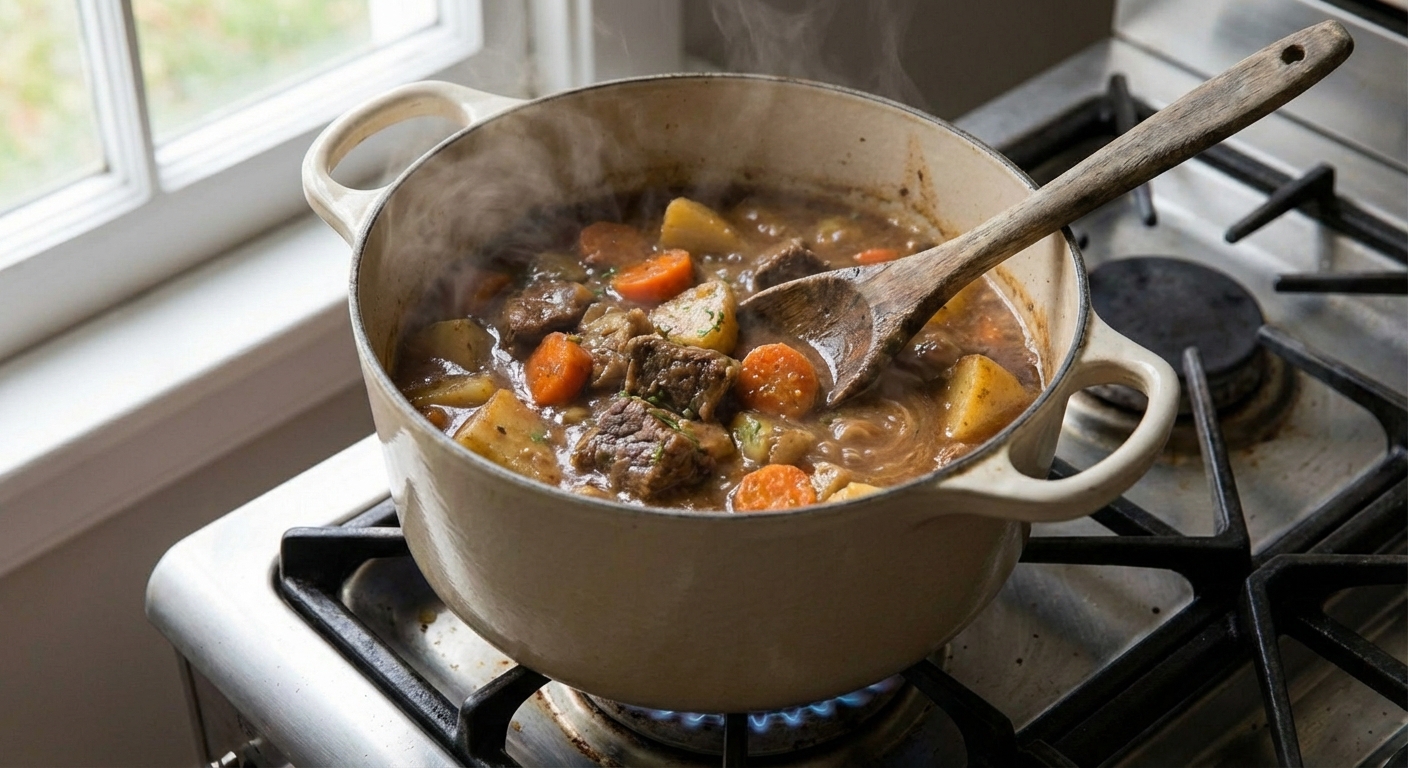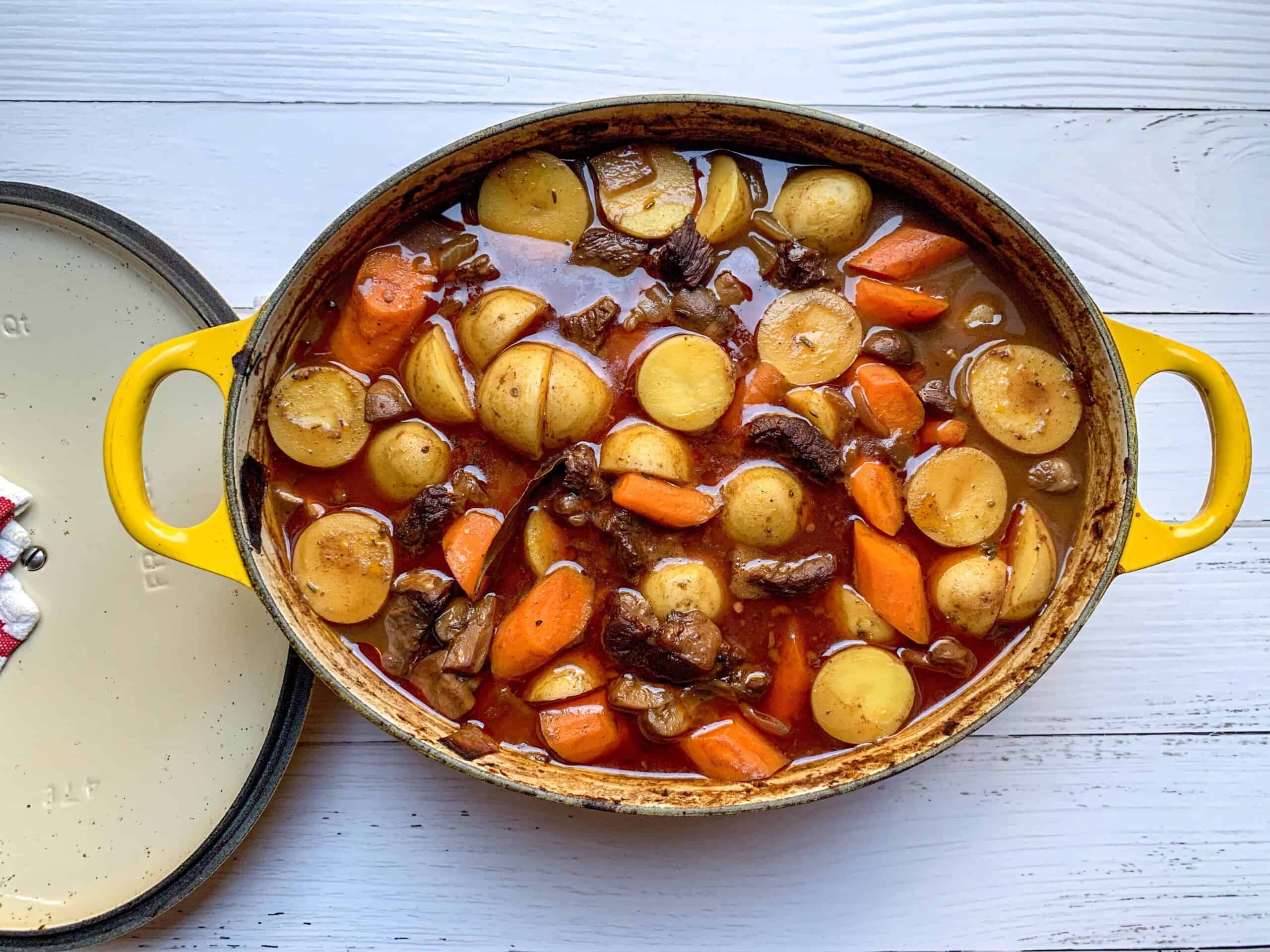
A one-pot, stovetop beef stew with tender beef, hearty veggies, and a rich, glossy broth. Simple ingredients, clear steps, and big comfort.
Let’s get one thing out of the way: there is no single, universally agreed-upon dish called “Piston”. In a lot of family kitchens and small-town cookbooks, that kind of name shows up as a nickname for a hearty pot-style stew, the one that “runs on” whatever you have and still tastes like a hug. So I’m treating Gourmet Piston the way a good home cook would: as a rustic, homestyle stew that’s simple enough for a Tuesday, but tastes like you planned it for a week.
This version leans cozy and bold. We sear beef for crisp edges, build a fast flavor base with tomato paste and aromatics, then let it simmer into that glossy, spoon-coating gravy. Potatoes go in late so they stay tender, not tragic. It is the kind of meal that makes the house smell like you know what you are doing, even if you are cooking in socks and improvising with a random half-bottle of wine.