
Mom's Best Recipes
Recipe

Grilled Picanha

Coarse salt crust, sizzling fat cap, and a rosy center. This is churrasco-style picanha you can pull off on any grill, plus a quick chimichurri to keep things bright.

Author By Matt Campbell
4.8
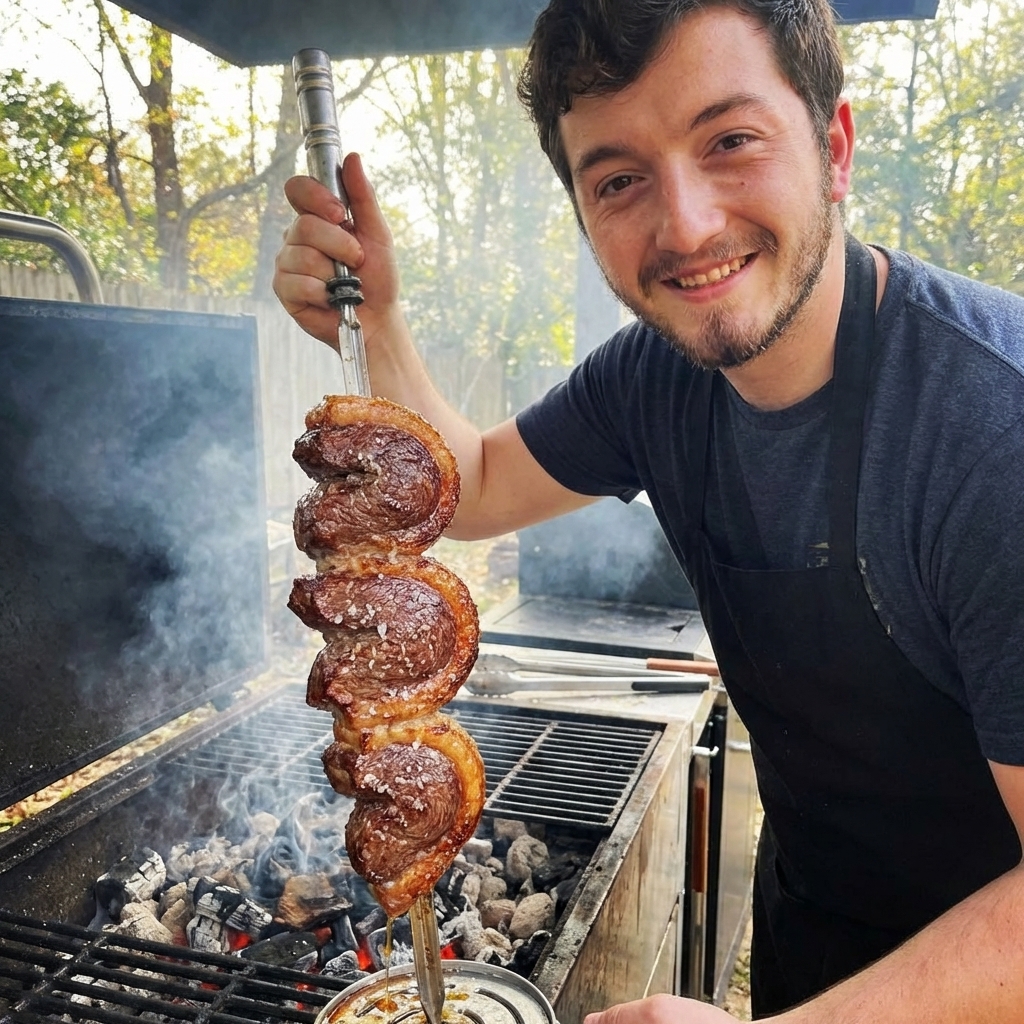
A real photo of picanha steaks curved on skewers over a hot charcoal grill, the fat caps rendering and the meat crusted with coarse salt, with gentle smoke rising

Picanha is one of those cuts that makes you feel like you hacked the steak matrix. It’s beefy like sirloin, juicy like ribeye, and it comes with its own built-in basting system: that glorious fat cap. In Brazilian steakhouses, it’s often cut into thick crescent steaks, folded onto skewers, and cooked over live fire with nothing more than coarse salt.

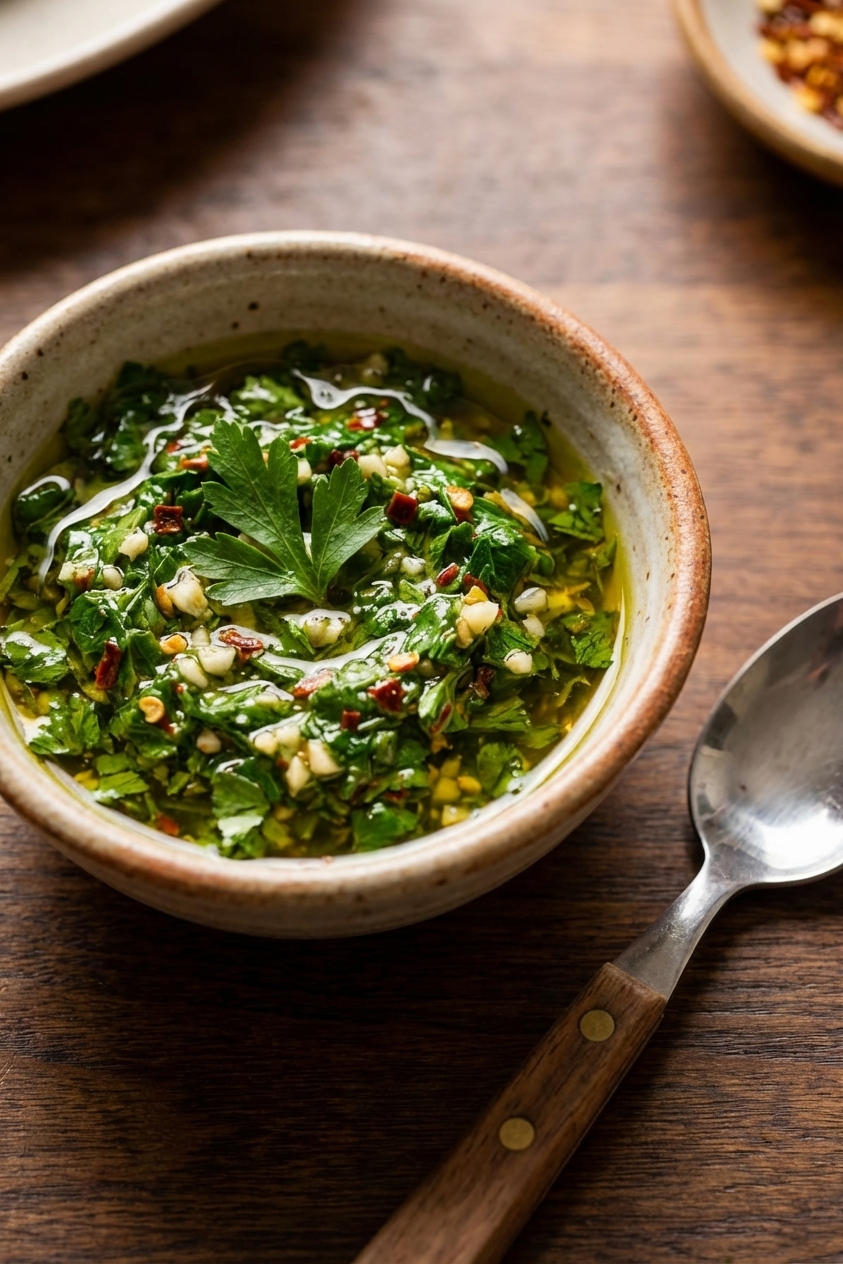
This version keeps the vibes the same, but makes it doable on a backyard grill. You’ll get a crackly salt crust, a tender medium-rare center, and the kind of edge browning that makes you hover by the grill pretending you’re “just checking something.” Serve it with chimichurri or Brazilian vinaigrette for contrast, and don’t skip slicing against the grain. That’s the difference between steakhouse tender and “why is my jaw tired.”
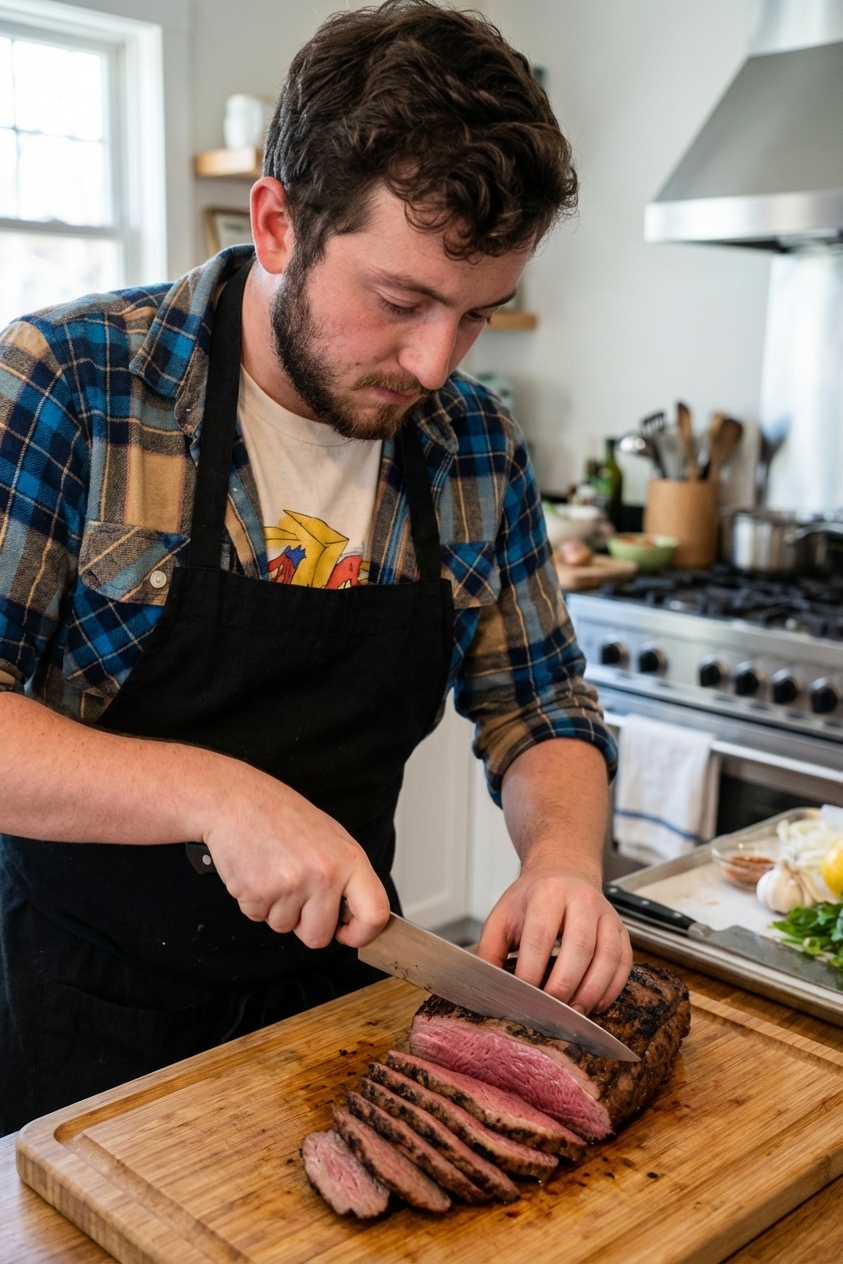
A real photo of grilled picanha resting on a wooden cutting board while a knife slices thin pieces against the grain, showing a medium-rare pink center

Why It Works

  • Coarse salt does the work. Big crystals season the surface and help build a crisp, savory crust without turning the inside salty when used correctly.
  • The fat cap bastes the meat. Starting fat-side down helps render and drip flavor over the steak as it cooks.
  • Two-zone grilling keeps it low drama. Sear where it’s hot, then finish gently to nail medium-rare.
  • Slicing direction is everything. Picanha’s grain can trick you, so you’ll spot it before cooking and slice accordingly.

Pairs Well With

Storage Tips

Fridge: Cool leftovers, then store in an airtight container for up to 4 days. Keep chimichurri separate if possible.

Reheat without overcooking: Slice cold steak thin, then warm it quickly in a skillet over medium heat with a tiny splash of water and a lid for 60 to 90 seconds. Or eat it cold in a sandwich. No shame, only wins.

Freeze: Freeze sliced picanha (with as much air pressed out as possible) up to 2 months. Thaw overnight in the fridge.

Leftover ideas: Steak and egg breakfast tacos, rice bowls with chimichurri, or a crispy quesadilla with provolone and onions.

Common Questions

What is picanha in the US?

Picanha is the top sirloin cap. Labels vary a lot by region and butcher, but in many US stores it may show up as sirloin cap, top sirloin cap, or coulotte. In some markets you may also see rump cap. Look for a triangular roast with a thick fat cap on one side.

Should I trim the fat cap?

You’ve got two good options:

  • Leave it mostly intact (recommended): Trim only any hard, waxy outer bits and keep about 1/4 inch of fat. It renders beautifully and protects the meat.
  • Trim it leaner: If you don’t love fatty bites, shave it down to about 1/8 inch. Don’t remove it completely or you lose a lot of picanha’s magic.

Do I need skewers?

Nope. Skewers are traditional and fun, but you can grill the crescent steaks directly on the grates. If you do use wooden skewers, soak them for 30 minutes.

How do I know when it’s medium-rare?

Use an instant-read thermometer in the thickest part:

  • Medium-rare: pull at 125°F to 130°F, rest, and it may finish around 130°F to 135°F (often about 3°F to 5°F of carryover with thicker steaks).
  • Medium: pull at 135°F to 140°F, rest to around 140°F to 145°F.

Carryover cooking depends on thickness and how hard you sear, so treat the thermometer like the truth serum.

Can I season with more than salt?

Absolutely. Steakhouses often stick to salt, but at home I love adding black pepper and garlic powder. If you add more, keep it light so the beef still tastes like beef.

How much salt should I use?

It depends on crystal size and how salt-sensitive you are. Coarse sea salt and Diamond Crystal kosher are lighter by volume than finer salts. If you’re using a finer-grain kosher salt (or you’re cautious), start with 1 tablespoon, then finish with a pinch at the table if needed.

The first time I cooked picanha at home, I treated it like a normal steak and sliced it however my knife felt that day. The flavor was incredible, but the texture wasn’t giving “Brazilian steakhouse,” it was giving “I should’ve paid attention in geometry.” Now I do one tiny, very unsexy step: I find the grain before it hits the heat. After that, it’s just fire, salt, and the kind of confidence you get from hearing that first fat-cap sizzle.