Mom's Best Recipes
Recipe

Grilled Porterhouse Steak with Garlic-Herb Butter

Two-zone grilled porterhouse with a crisp strip side, a tender filet side, and a melting garlic-herb butter that tastes like steakhouse magic.

Author By Matt Campbell
4.8
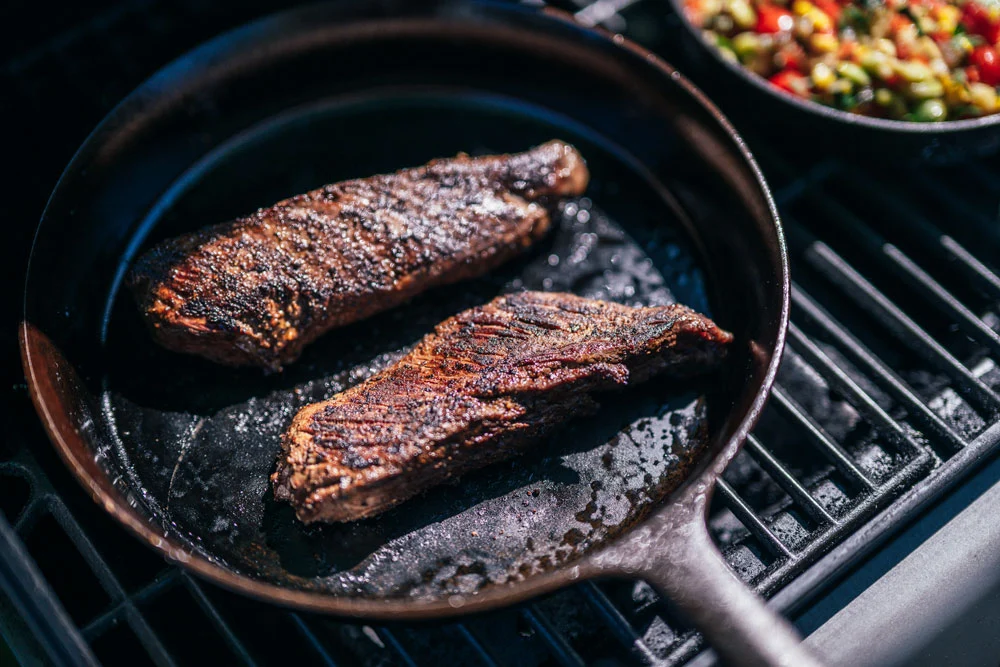
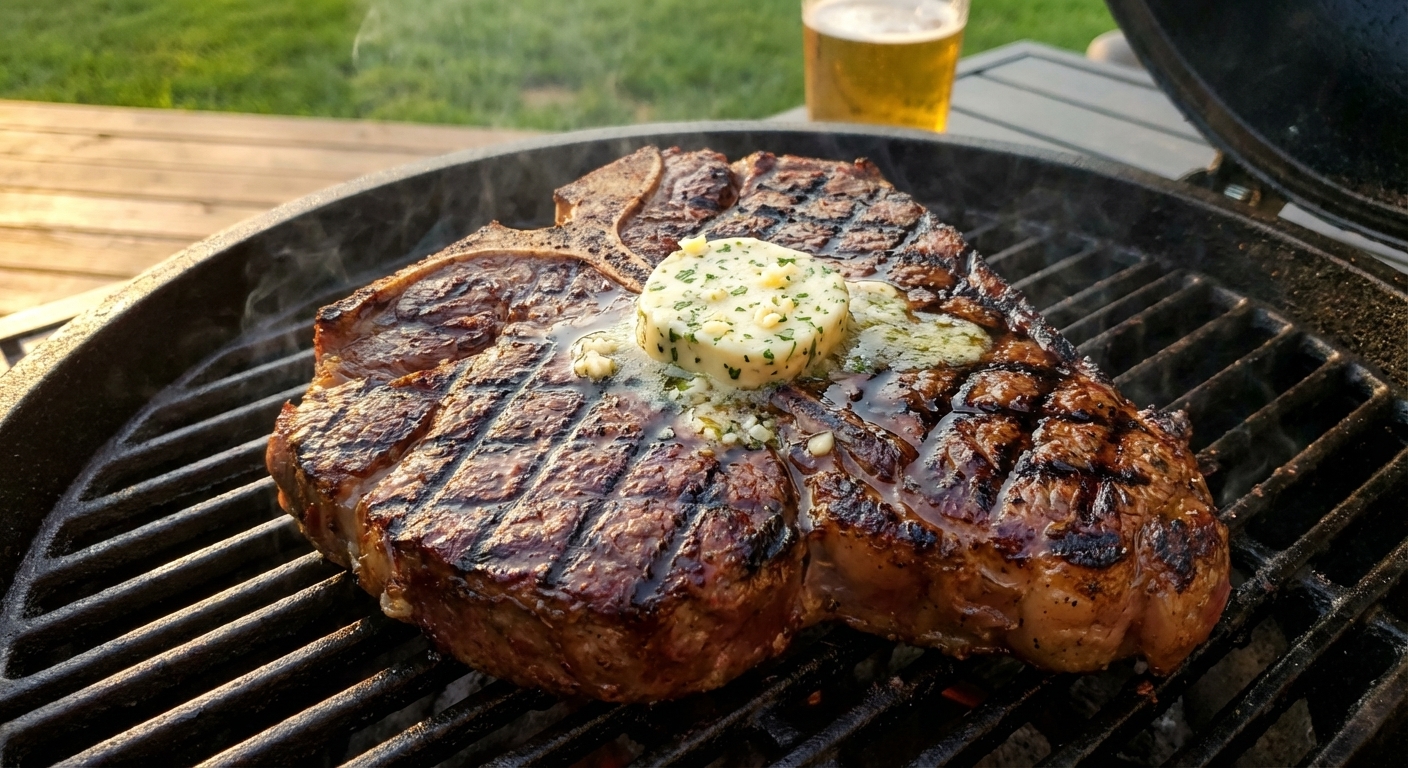
A thick porterhouse steak on a backyard grill grate with deep char marks, a pat of garlic-herb butter melting on top, evening light, realistic food photography

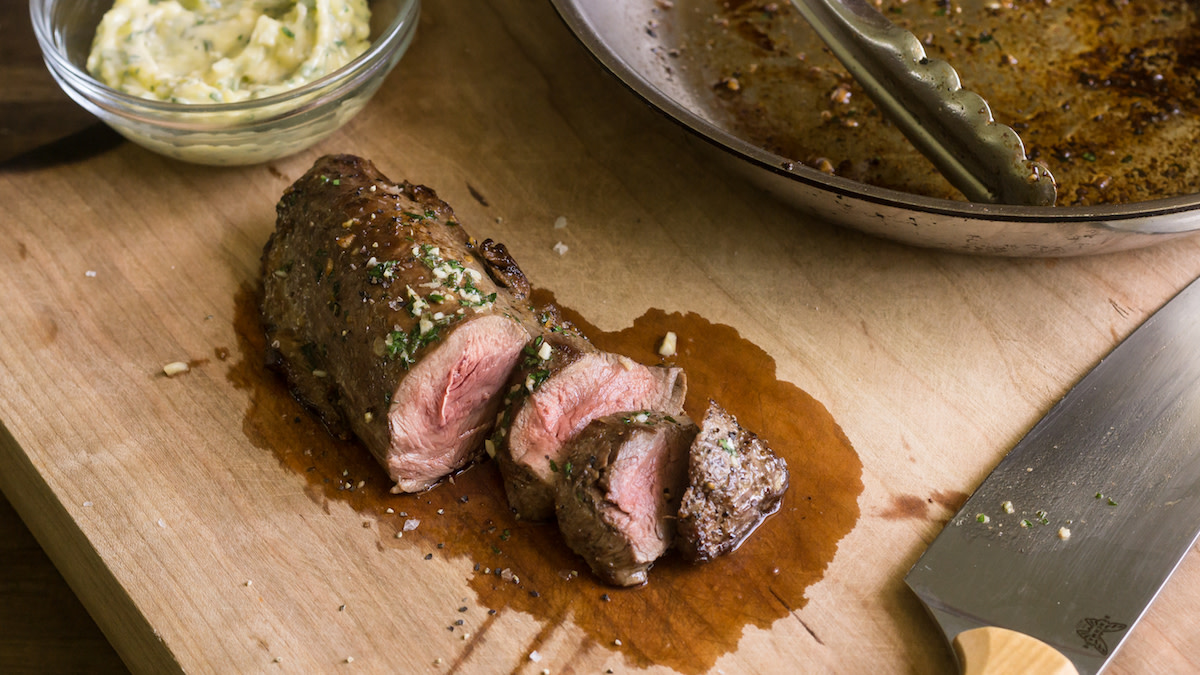
A porterhouse is basically the extrovert of steaks. It shows up with two personalities on one bone: a New York strip that wants high heat and crisp edges, and a tenderloin that wants to be treated gently so it stays, well, tender. The trick is not choosing sides. It is managing the heat like you are running a tiny steak spa with a bouncer at the door.

This recipe uses two-zone grilling (hot side for sear, cooler side to finish) so the strip gets that steakhouse crust while the filet side stays juicy and blushing. Then we do the best possible closing argument: garlic-herb butter that melts into every nook around the bone. Minimal fuss, big payoff, and yes, you should taste the butter before it goes on the steak. For quality control. For science.

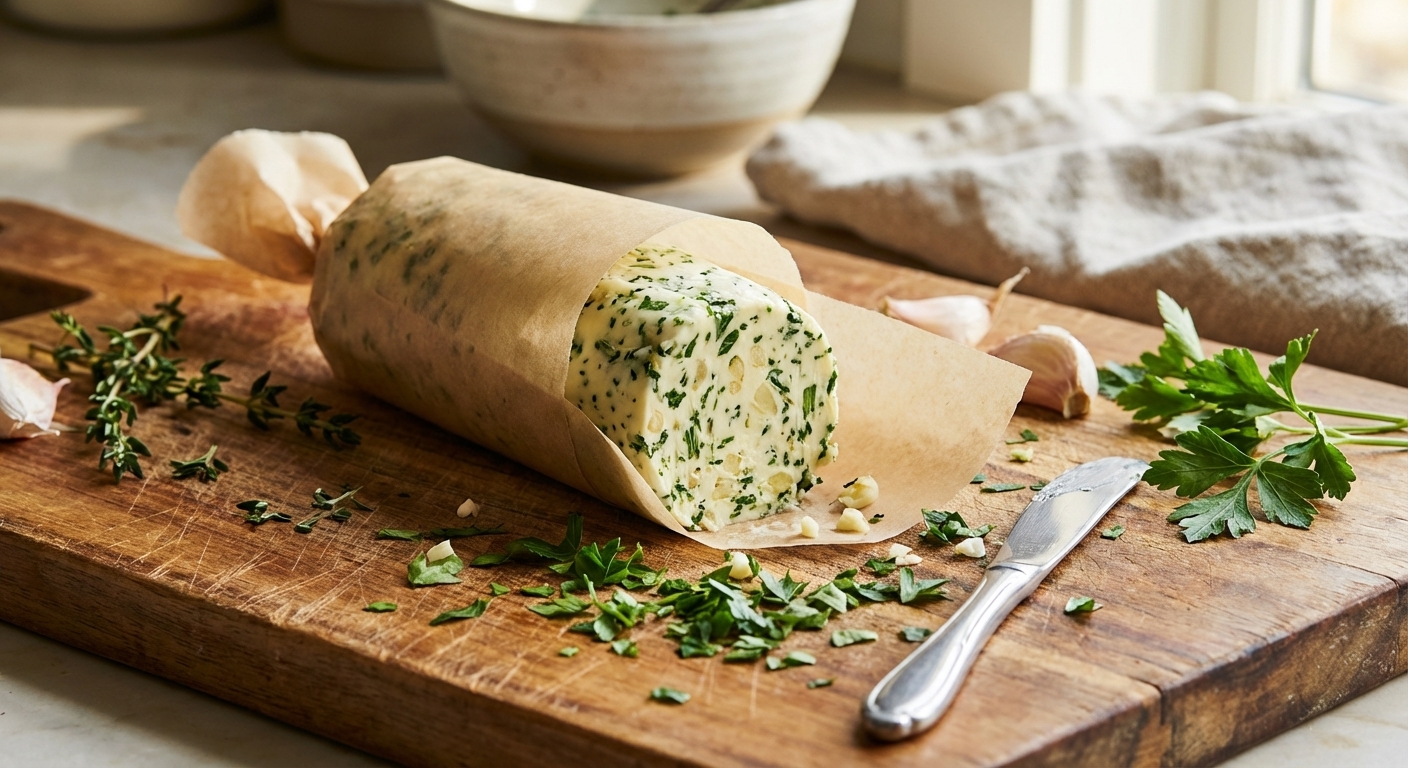
A log of garlic-herb compound butter on parchment paper on a wooden cutting board with chopped parsley and thyme nearby, realistic food photography

Why It Works

  • Two temps, one steak: Two-zone heat lets you sear aggressively without overcooking the tenderloin.
  • Better crust: Dry-brining with salt and patting the surface dry means more browning and less steaming.
  • Accurate doneness: Pulling at the right internal temps plus a proper rest keeps juices where they belong.
  • Flavor that feels effortless: Garlic-herb butter adds richness, aroma, and that “wait, what is in this?” moment.

Pairs Well With

Storage Tips

Cool briefly, wrap tight: Let leftover steak cool just until it stops steaming, then wrap in foil or store in an airtight container. For food safety, get it into the fridge within 2 hours total of coming off the grill (within 1 hour if it is a very hot day).

  • Fridge: 3 to 4 days.
  • Freezer: Up to 2 months. Slice first if you want easy portions.

Reheat without turning it into jerky: My favorite move is to slice the steak and warm it gently in a covered skillet with a splash of beef broth or water over low heat, 2 to 4 minutes. Or eat it cold and call it “steak salad” like a responsible adult.

Leftover garlic-herb butter: Keep refrigerated up to 1 week, or freeze up to 3 months. Slice off coins as needed.

Common Questions

Porterhouse vs. T-bone: what is the difference?

Both cuts come from the short loin and have a T-shaped bone separating strip and tenderloin. A porterhouse has a larger tenderloin section (it is cut closer to the rear of the loin). If you want to get extra nerdy, many US references define porterhouse by a minimum tenderloin width (often cited around 1.25 inches at the widest point). If you want a real filet experience on one side, porterhouse is the move.

What thickness should I buy?

Look for 1.5 to 2 inches thick. Thin porterhouse steaks are harder to manage because the tenderloin overcooks before you can build a proper crust on the strip.

How much does a porterhouse serve?

A 24 to 32 ounce porterhouse usually feeds 2 people comfortably, especially with sides. If it is 40 ounces and you are feeling confident, it can feed 3 to 4.

Do I need to bring the steak to room temperature?

Not really. It is totally fine to grill straight from the fridge. What matters more is a dry surface, proper seasoning, and using a thermometer. If you have time, letting it sit out about 15 to 20 minutes while the grill preheats can help it cook a bit more evenly, but you do not need to “warm it up” to get great results.

Where should I temp the steak?

Temp the thickest part, and avoid touching bone. On a porterhouse, the tenderloin usually reaches temp first, so check both sides if you can. If you are using a probe, park it in the thickest, most central area of the strip side for a steadier read.

What internal temp should I target?

Pull temps (then rest):

  • Rare: pull at 120°F, finish around 125°F
  • Medium-rare: pull at 125°F, finish around 130°F
  • Medium: pull at 135°F, finish around 140°F

Because the strip and tenderloin are different shapes, you may see a few degrees of variation across the steak. That is normal.

Gas or charcoal?

Either works. Charcoal brings extra smoky flavor. Gas brings easy control. Two-zone setup works on both, so you are good.

The first time I grilled a porterhouse, I treated it like any other steak and wondered why the tenderloin side acted like it had places to be. It cooked faster, got shy on browning, and made me realize this cut needs a little strategy. Now I do two zones, I aim my thermometer like a heat-seeking missile, and I finish with garlic-herb butter because life is short and steak should be loud.