Mom's Best Recipes
Recipe

Guyanese Pepperpot

A dark, glossy cassareep stew with tender beef and warm spices. Cozy, bold, and even better the next day with bread for dipping.

Author By Matt Campbell
4.8
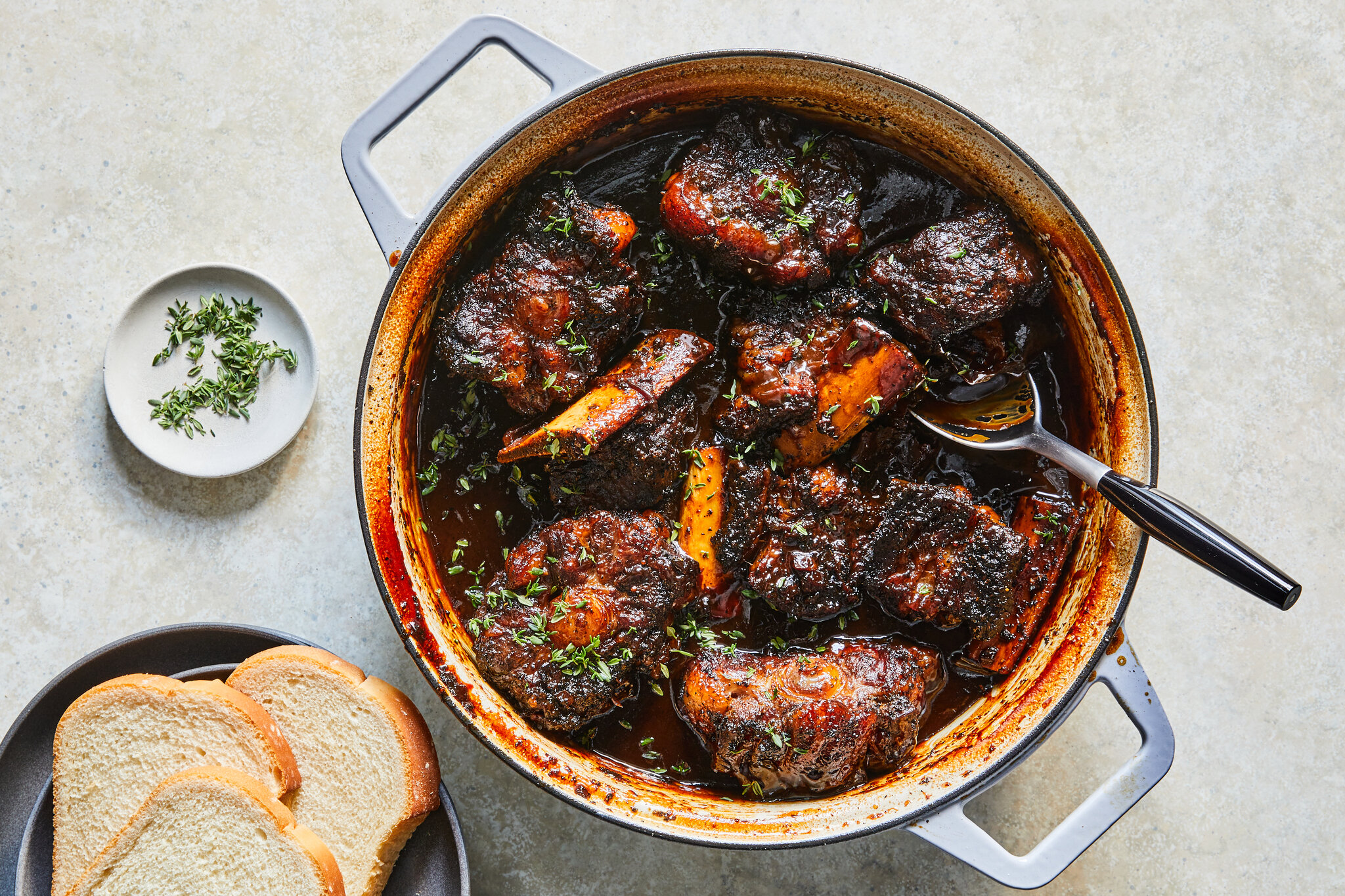
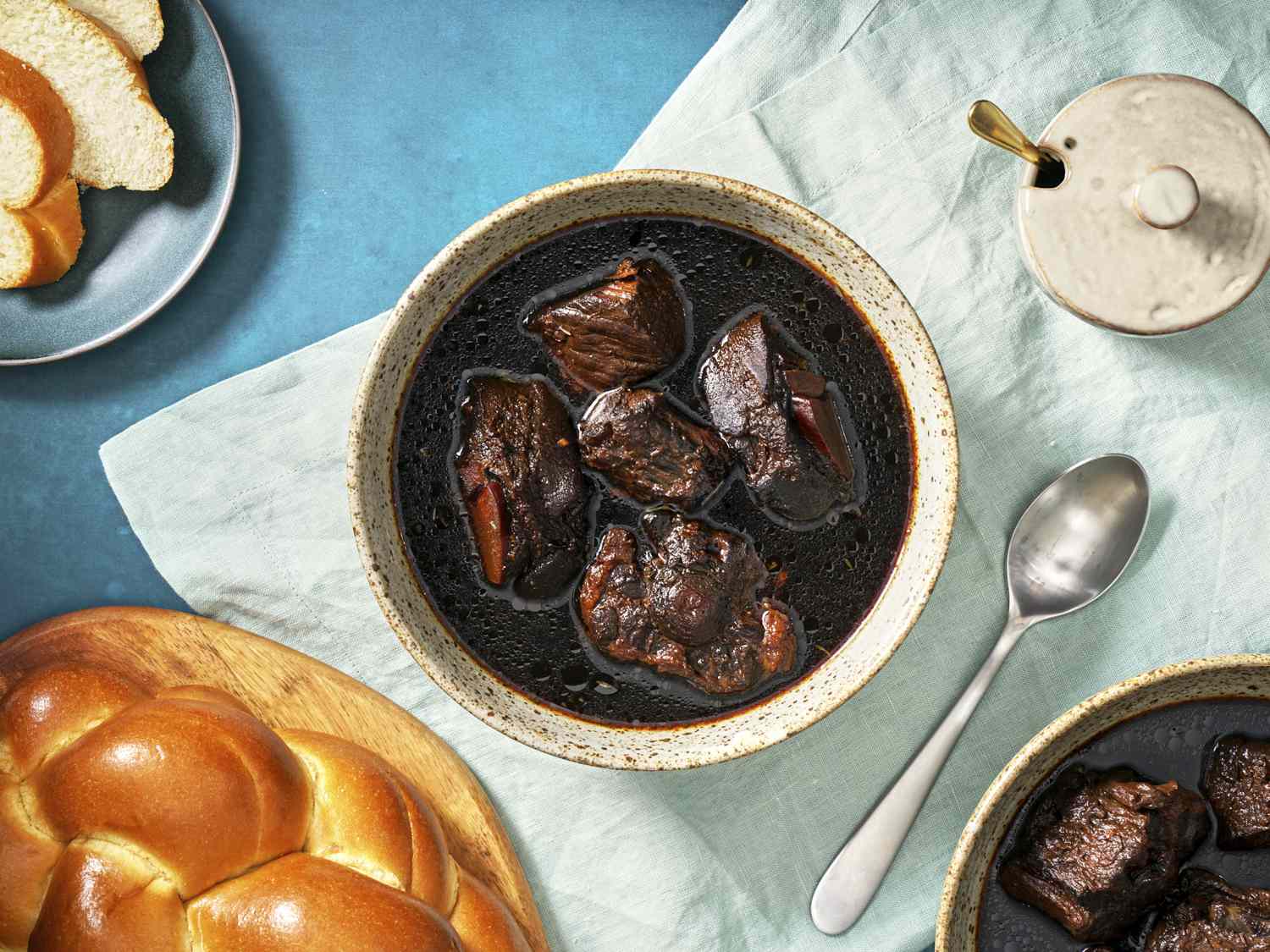
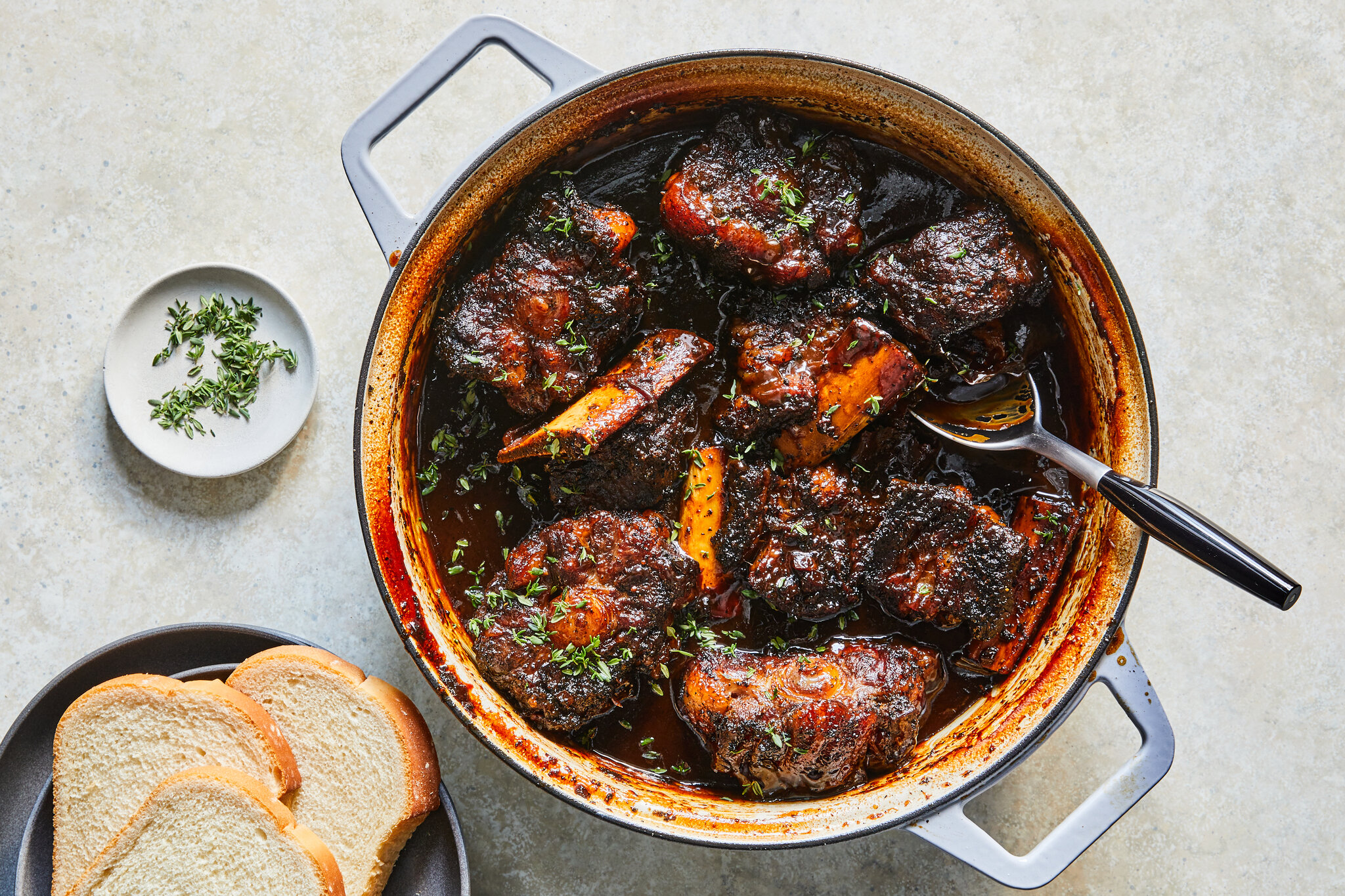
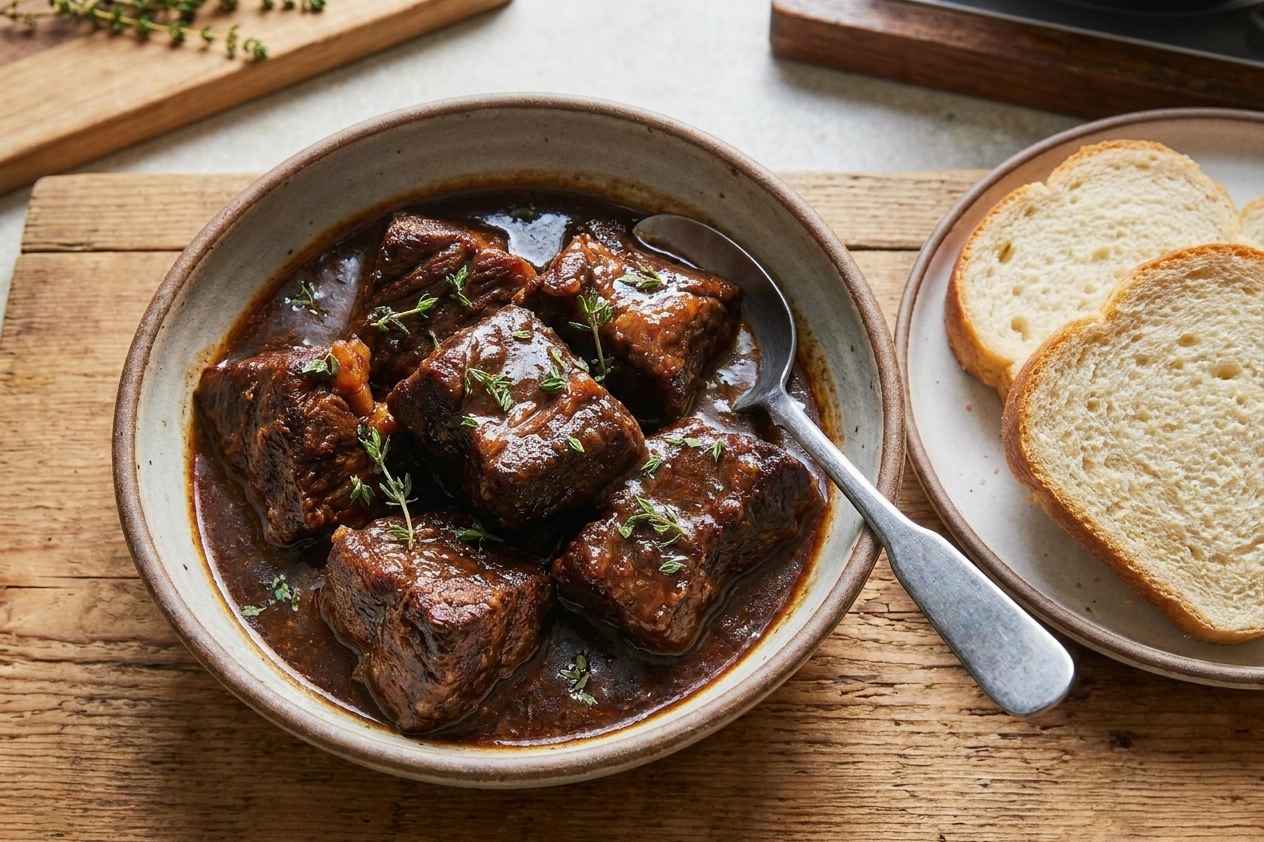
A bowl of Guyanese pepperpot with tender beef in a dark cassareep gravy, set on a wooden table with warm bread on the side, natural kitchen lighting

Guyanese pepperpot is one of those dishes that feels like a hug with opinions. It is rich, dark, a little sweet, a little tangy, warmly spiced, and absolutely the kind of thing you keep “checking” with a spoon until you realize dinner is half gone.

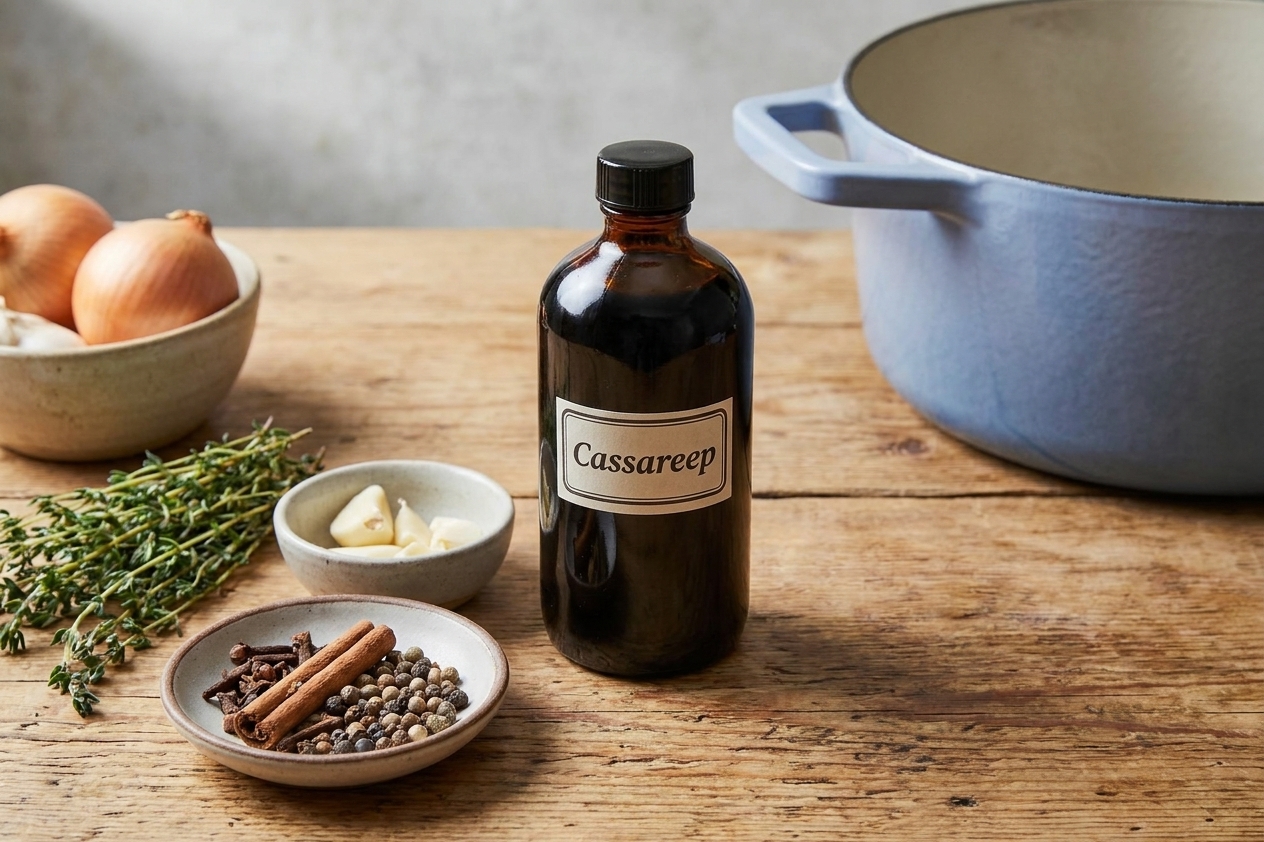
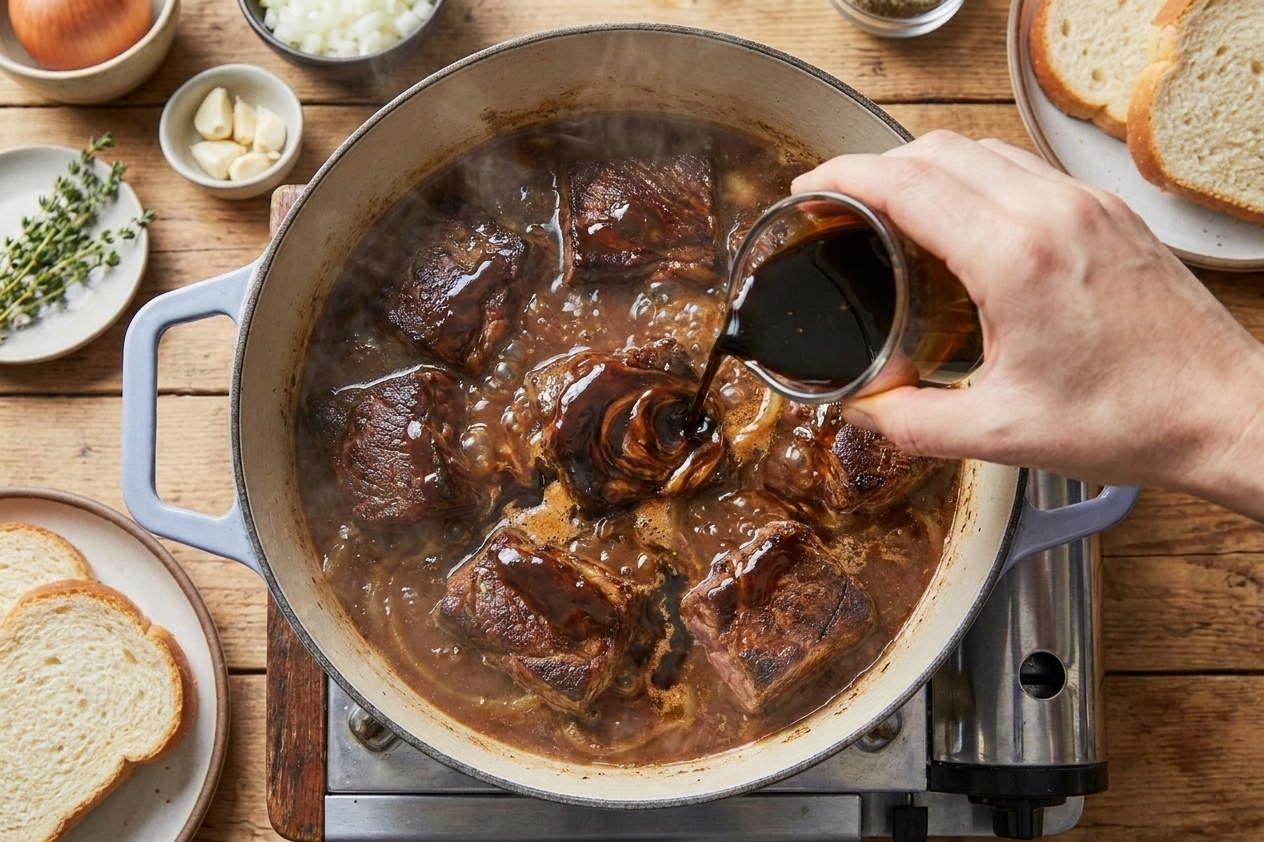
The star here is cassareep, a thick, dark syrup traditionally made by reducing cassava (yuca) juice, often with spices. It brings the signature color and that deep, almost caramel-meets-molasses vibe. A little goes a long way, and brands vary, so this recipe starts with a moderate amount and lets you build from there. Pair it with cinnamon, cloves, plenty of garlic, and slow-simmered beef and you get a stew that tastes like it has been working on itself all day. Because it has.

This version is written for real life. Accessible ingredients, clear steps, and options if you cannot find certain traditional cuts. Make it on a weekend, eat it all week, and do not be surprised when it tastes even better tomorrow.

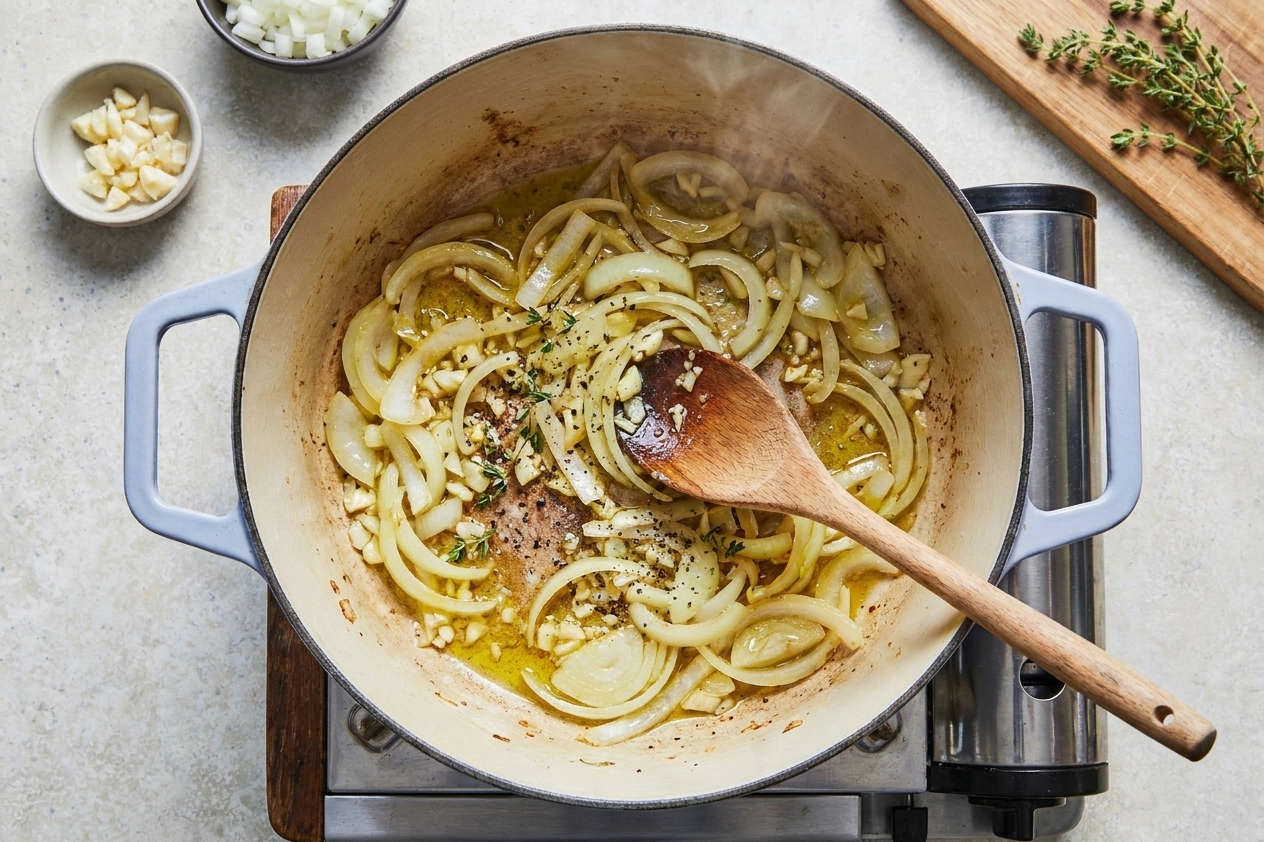
A bottle of cassareep on a kitchen counter next to garlic, onions, and whole spices, prepped for making Guyanese pepperpot

Why It Works

  • Cassareep does the heavy lifting: It gives pepperpot its glossy dark gravy and a deep, slightly sweet tang that tastes complex without needing a long ingredient list.
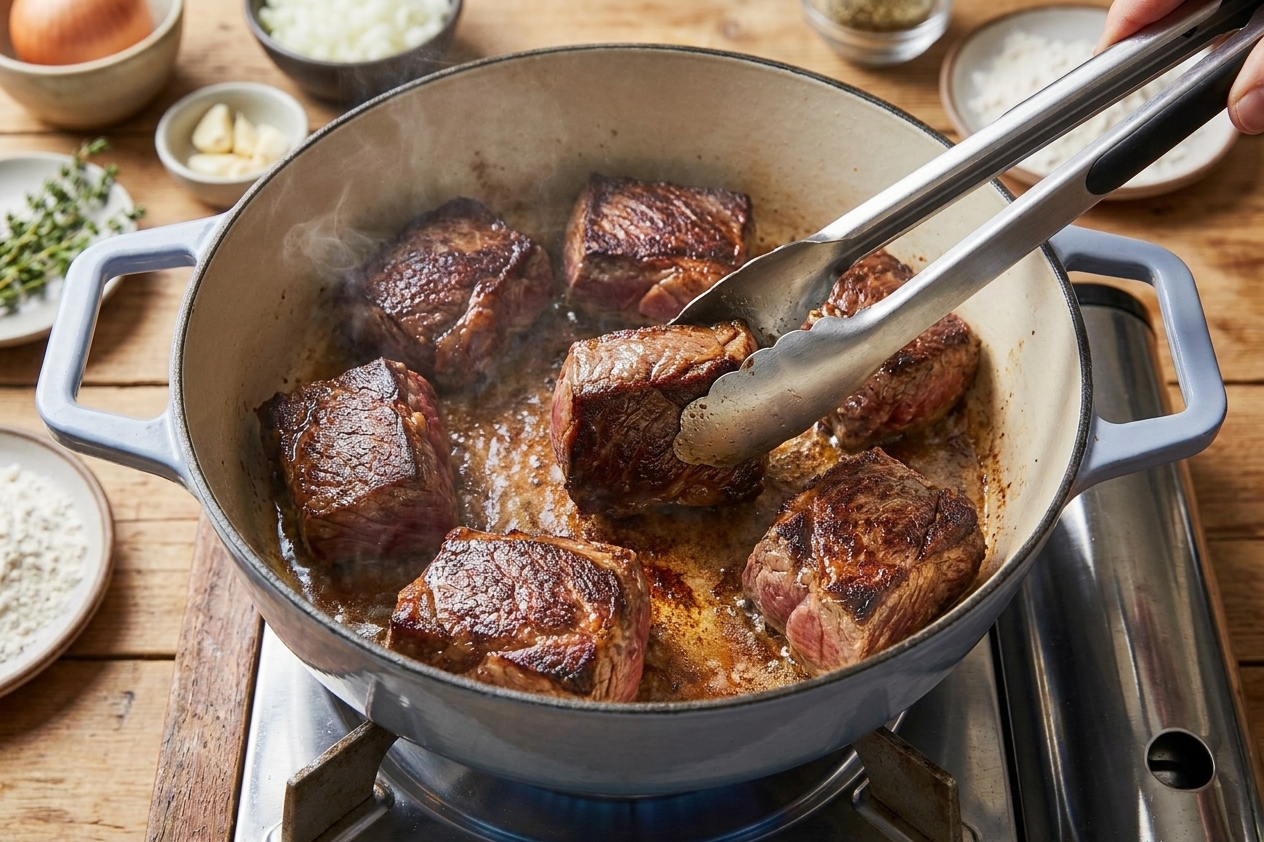
  • Low and slow equals tender: A gentle simmer breaks down beef into fork-tender pieces while keeping the sauce from tasting harsh or flat.
  • Whole warm spices build “holiday” flavor fast: Cinnamon and cloves perfume the pot without turning it into dessert.
  • It is a leftovers champion: Like many stews, pepperpot levels up after a night in the fridge.

Pairs Well With

Storage Tips

Traditional note: Pepperpot is famous for being kept on the stove and brought to a boil daily, with cassareep traditionally believed to help it keep. That practice is part of the dish’s story.

Modern food safety note: Room-temperature storage is not recommended by current food-safety guidance. Treat it like a normal beef stew.

Refrigerate: Cool completely, then store in an airtight container for up to 4 days.

Freeze: Freeze in containers with a little headspace for up to 3 months. Thaw overnight in the fridge.

Reheat: Warm gently on the stovetop over medium-low, stirring occasionally. Add a splash of water or beef broth if it has thickened too much.

Common Questions

What is cassareep and where do I find it?

Cassareep is a thick, dark syrup traditionally made by reducing cassava (yuca) juice, often with spices. It is the signature flavor of pepperpot. Look for it in Caribbean grocery stores, West Indian markets, or online. If you see “cassareep” on the label, you are in the right aisle.

Quick heads-up: Brands vary in sweetness and saltiness, so start with the lower amount in this recipe, then adjust at the end.

Can I make pepperpot without cassareep?

You can make a tasty spiced beef stew, but it will not be pepperpot. Cassareep is the defining ingredient for the flavor and that dark, glossy finish.

How much cassareep should I use?

Cassareep is powerful and concentrated. For about 2 1/2 pounds of beef, 1/3 to 1/2 cup is the sweet spot for most pots. Start with 1/3 cup, then add more at the end if you want it darker or a little more tangy.

What meat is traditionally used?

Many versions use beef and sometimes pork, oxtail, or tripe, depending on family tradition. For a home-friendly pot, beef chuck is the easiest win because it gets tender and stays juicy.

Is pepperpot spicy?

It is more warm than fiery. If you want heat, add a whole Scotch bonnet or wiri wiri pepper and let it simmer without bursting it. Remove before serving. If you want it hotter, slice it, but buckle up.

Why does my pepperpot taste bitter?

Bitterness usually comes from scorching the bottom, simmering too hard after adding cassareep, or simply using too much. Keep it at a gentle simmer and stir from the bottom occasionally. If it still tastes sharp, add a splash of water or broth and a pinch of brown sugar, then simmer 10 minutes.

How is pepperpot traditionally stored?

Traditionally, pepperpot is known for being kept on the stove and brought to a boil each day, with cassareep traditionally believed to help it keep. That method is part of the dish’s history.

Modern food safety note: Room-temperature storage is not recommended by current food-safety guidance. For this recipe, store it in the refrigerator (or freezer) like any other beef stew.

What do you serve with Guyanese pepperpot?

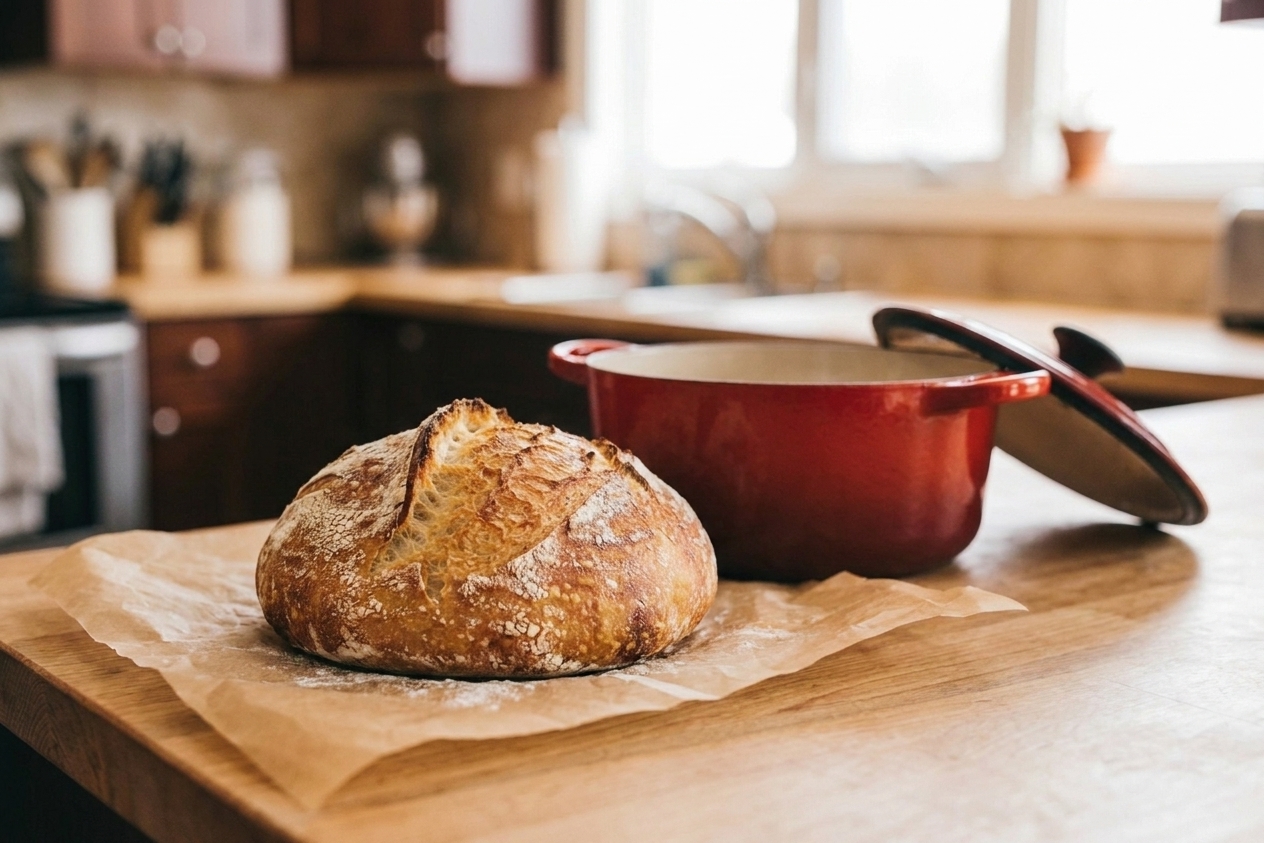
It is classic with bread for dipping, especially homemade bread, plait bread, or a sturdy loaf. It is also great with rice if you want it extra filling.

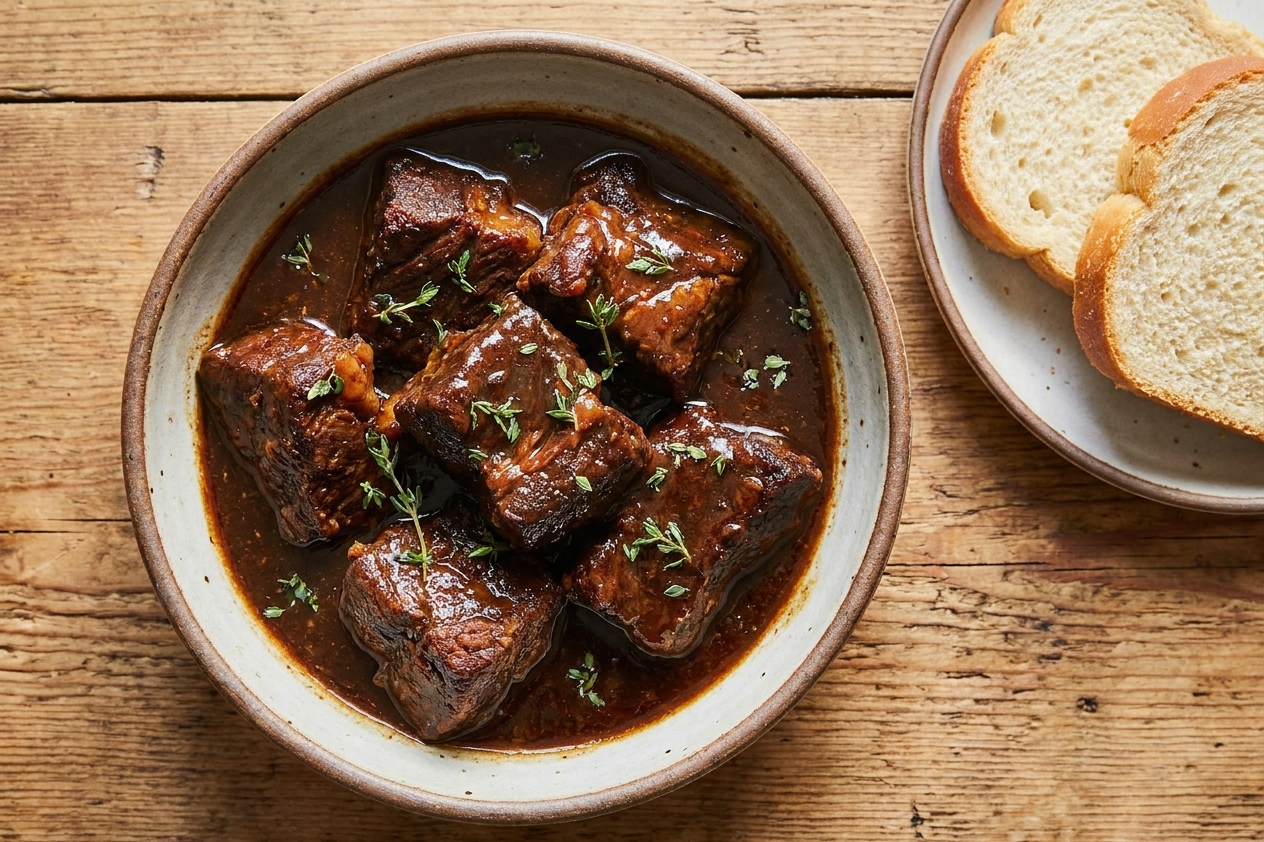
I love dishes that reward you for doing basically one thing well: show up, season, and let time do its job. Pepperpot is exactly that. The first time I made it, I kept lifting the lid like it was going to tell me secrets, and honestly, it kind of did. The smell shifts as it cooks. Garlicky at first, then warm-spiced, then suddenly deep and glossy like the whole pot got more confident.

It is also the kind of recipe that gives you permission to be imperfect. If your simmer is a little too eager, you adjust. If you want more garlic, you add it. Just do not skip the tasting, especially once cassareep goes in. Pepperpot practically begs for it.