Mom's Best Recipes
Recipe

Haluski

Buttery cabbage and onions tangled with egg noodles, seasoned simply, and cooked until parts get golden and crisp.

Author By Matt Campbell
4.8
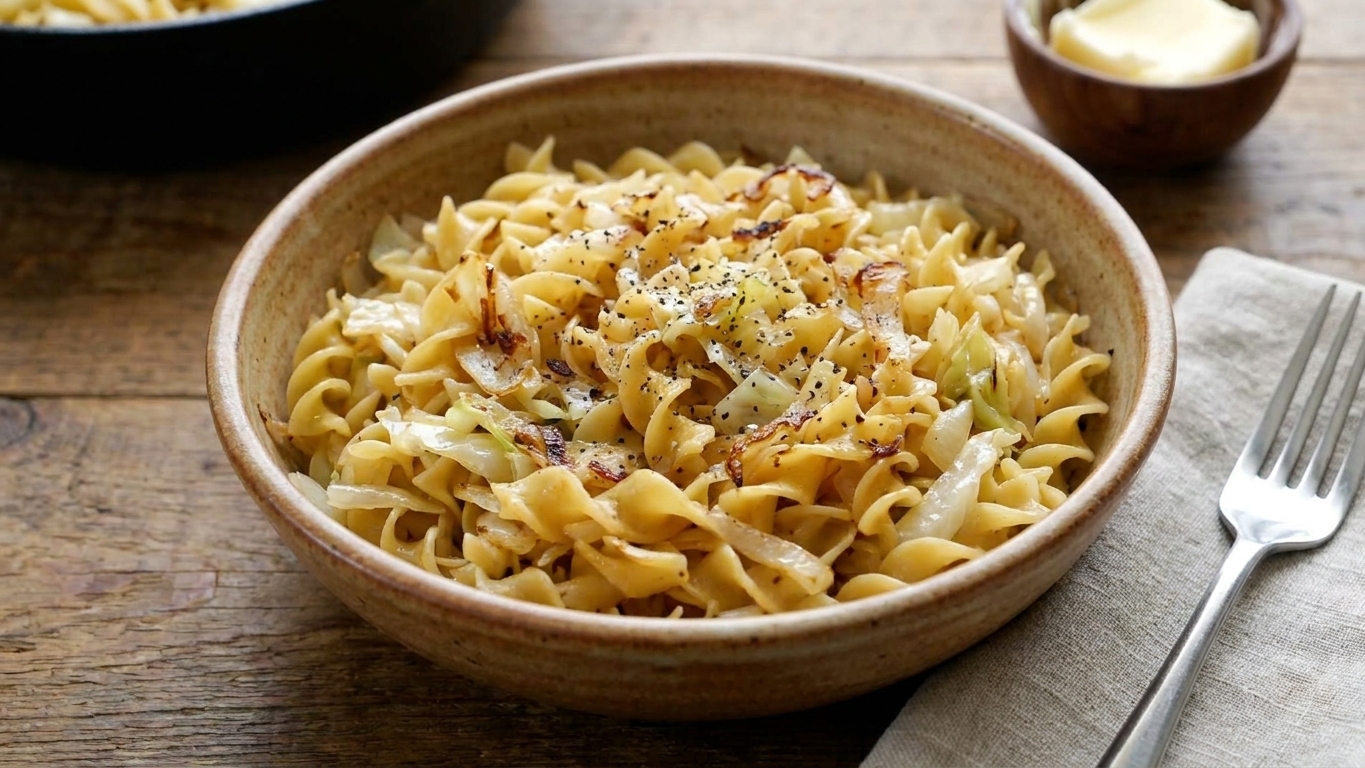
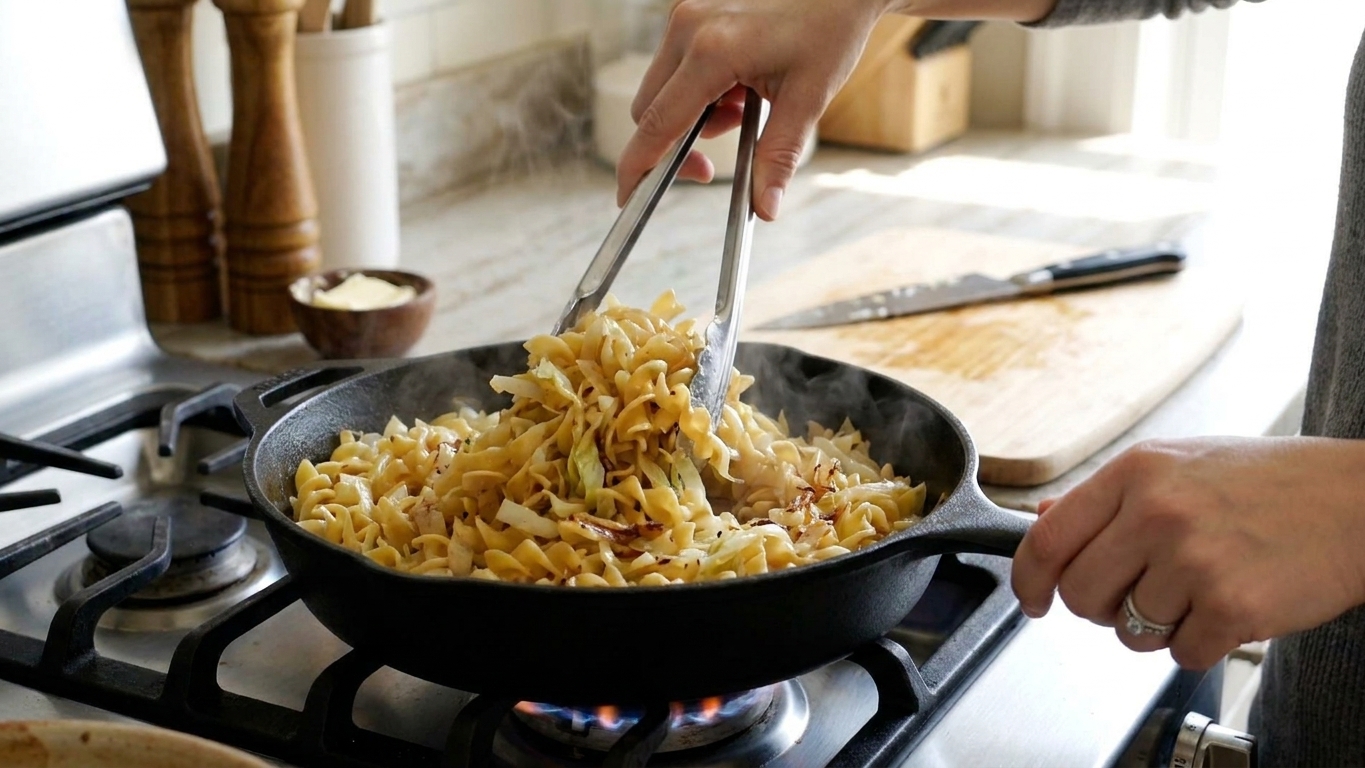
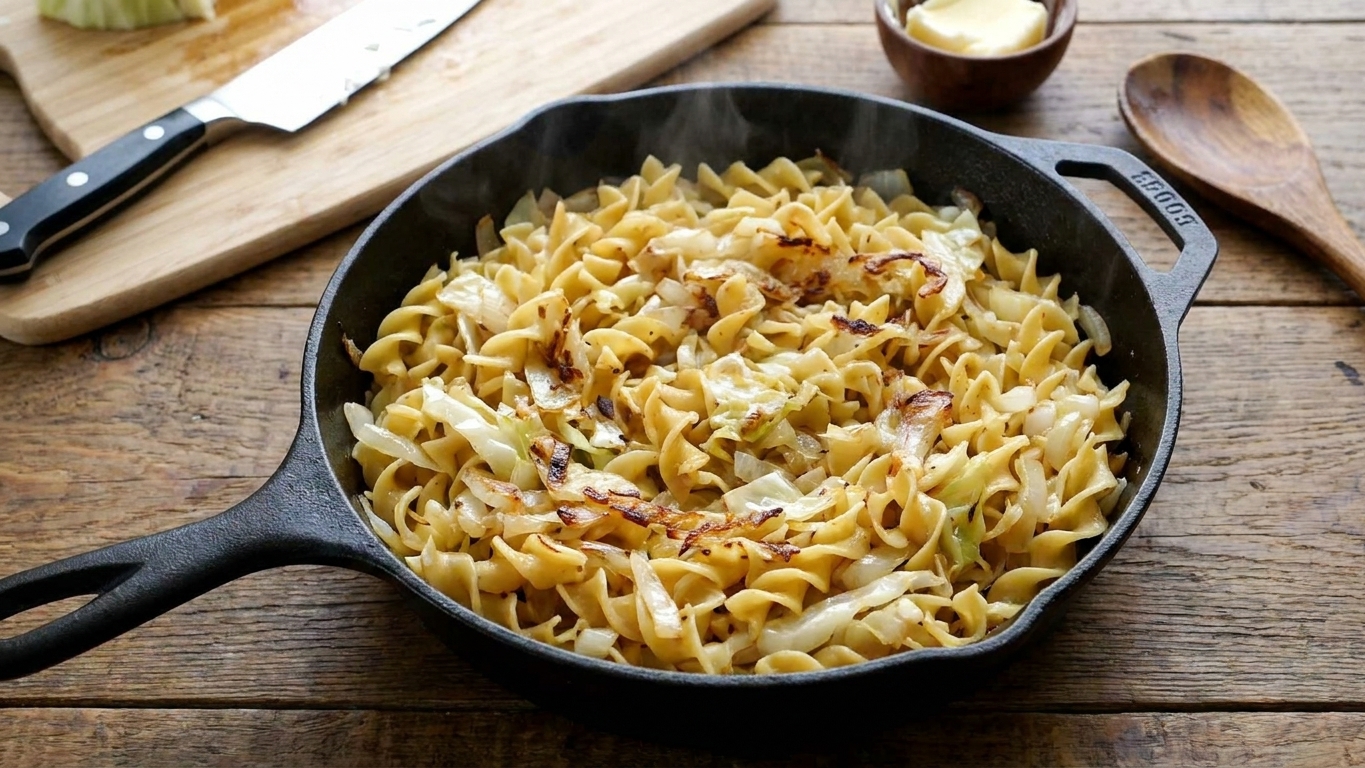
A cast iron skillet filled with buttery haluski, showing tender egg noodles mixed with golden sautéed cabbage and onions, with browned crisp edges on top on a warm kitchen counter

Haluski is the kind of humble comfort food that somehow tastes like you worked harder than you did. It is just cabbage, onions, and noodles, but when you let the cabbage get sweet and a little caramelized, then toss everything with butter and plenty of black pepper, it turns into a bowl of cozy that disappears fast.

This version keeps ingredients easy to find, leans into crisp edges (because those are the best bites), and gives you a few optional upgrades if you want to make it a full meal.

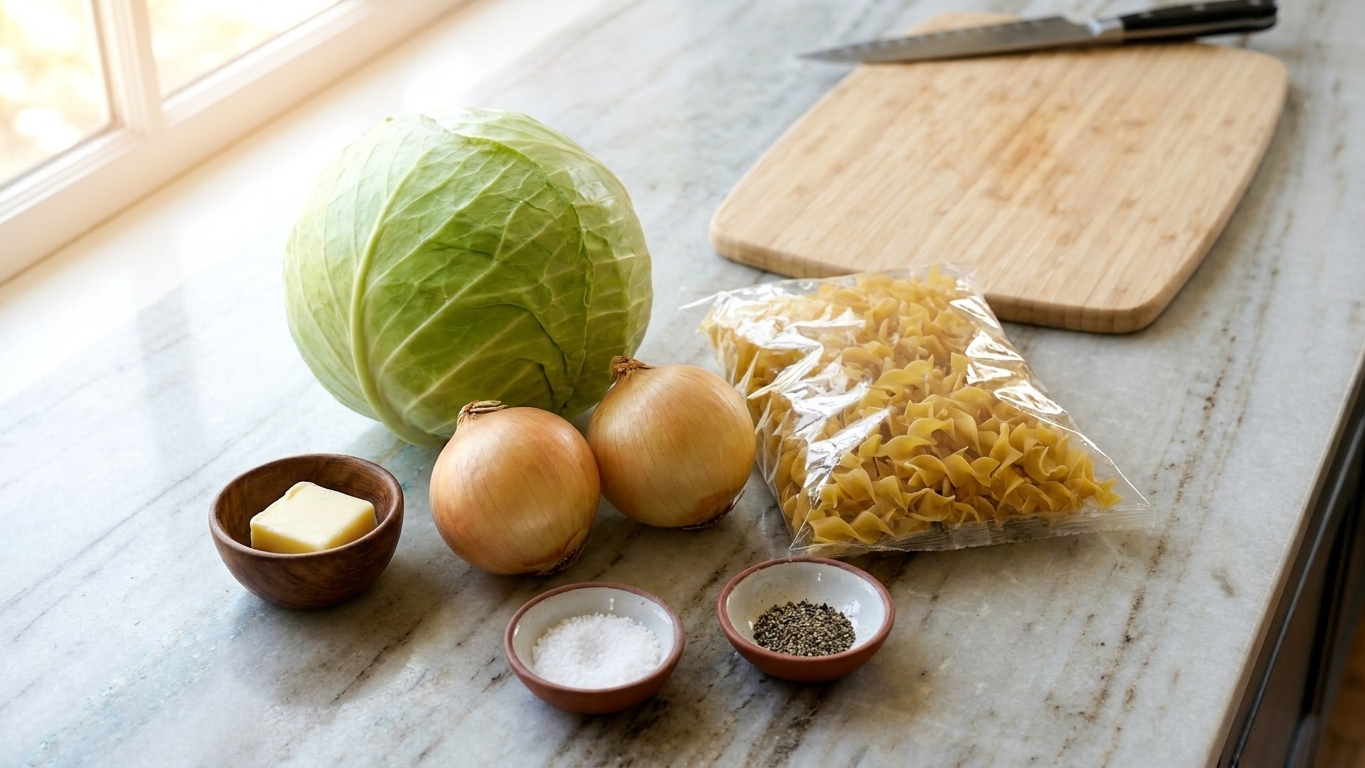
Whole green cabbage, yellow onions, a bag of egg noodles, butter, salt, and black pepper arranged on a clean kitchen counter in soft natural light

Why It Works

  • Sweet, buttery cabbage: We cook it long enough to soften and brown, not just steam.
  • Cozy noodles that are not waterlogged: Noodles are cooked just to tender, then finished in the pan so they pick up flavor.
  • Crisp edges on purpose: A short, no-stir moment at the end gives you those golden bits everyone fights over.
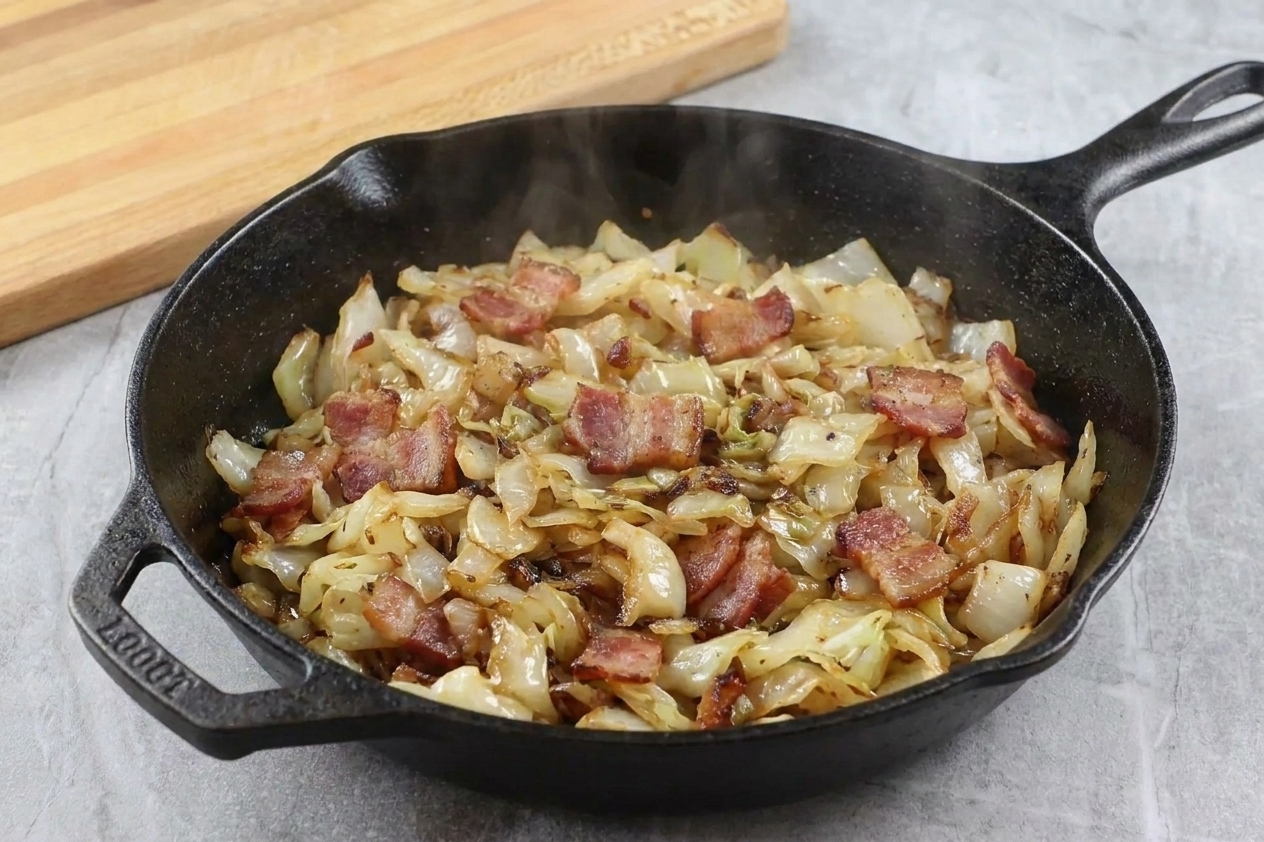
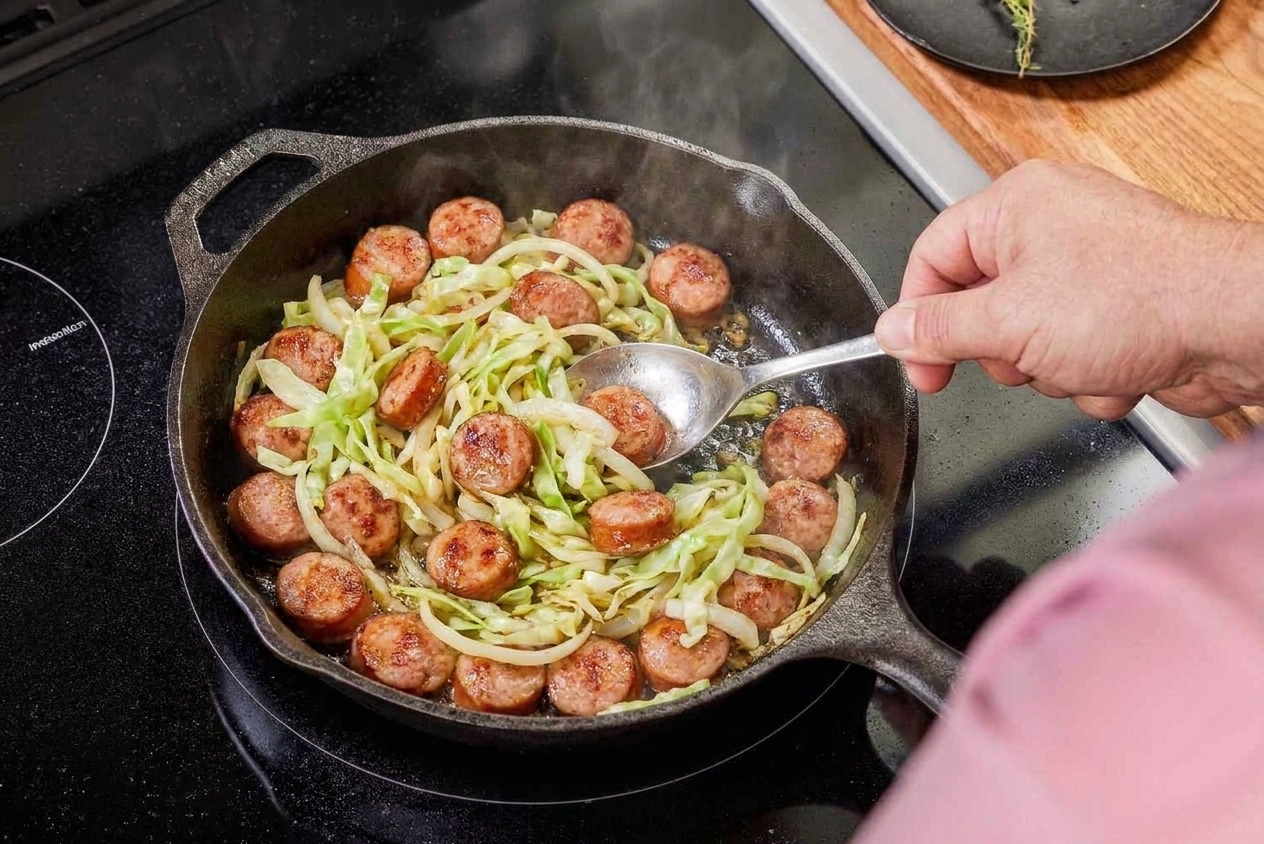
  • Flexible: Keep it simple and meatless, or add bacon, kielbasa, mushrooms, or a fried egg.
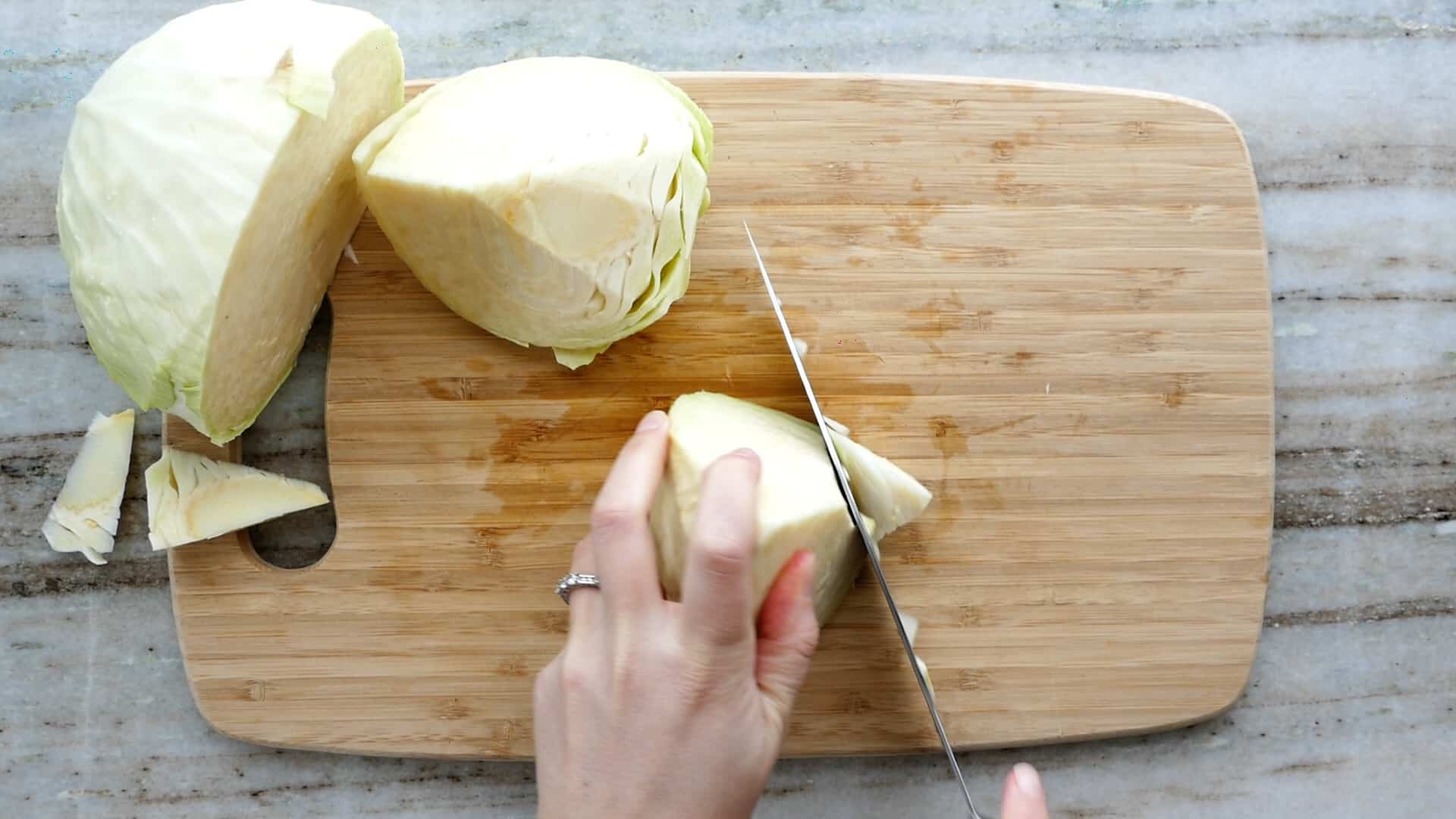
Shredded cabbage and thinly sliced onions on a wooden cutting board with a chef knife on a home kitchen counter

Pairs Well With

Storage Tips

Refrigerator: Store cooled haluski in an airtight container for up to 4 days.

Reheat: Best method is a skillet over medium heat with a little butter or oil. Press it into an even layer and let it sit for a couple minutes to re-crisp, then toss and heat through. Microwave works too, but you will miss the crunchy bits.

Freezer: You can freeze it for up to 2 months, but the noodles soften more after thawing. If you do freeze, thaw overnight in the fridge and reheat in a skillet.

Common Questions

What is haluski?

Haluski (in this cozy, American comfort-food sense) is a simple dish of egg noodles tossed with sautéed cabbage and onions, finished with butter, salt, and lots of black pepper. You will find versions all over Polish and Slovak-American kitchens, Appalachia, and Pennsylvania communities, with plenty of family variations. Note: in some Slovak and Czech contexts, halušky refers to dumplings instead of noodles, so names can overlap depending on where you learned it.

Do I have to use egg noodles?

Egg noodles are classic and give the right cozy bite. In a pinch, wide pasta like pappardelle, fettuccine, or even rotini works. If you use a different pasta shape, aim for about 12 ounces dry.

How do I keep it from being soggy?

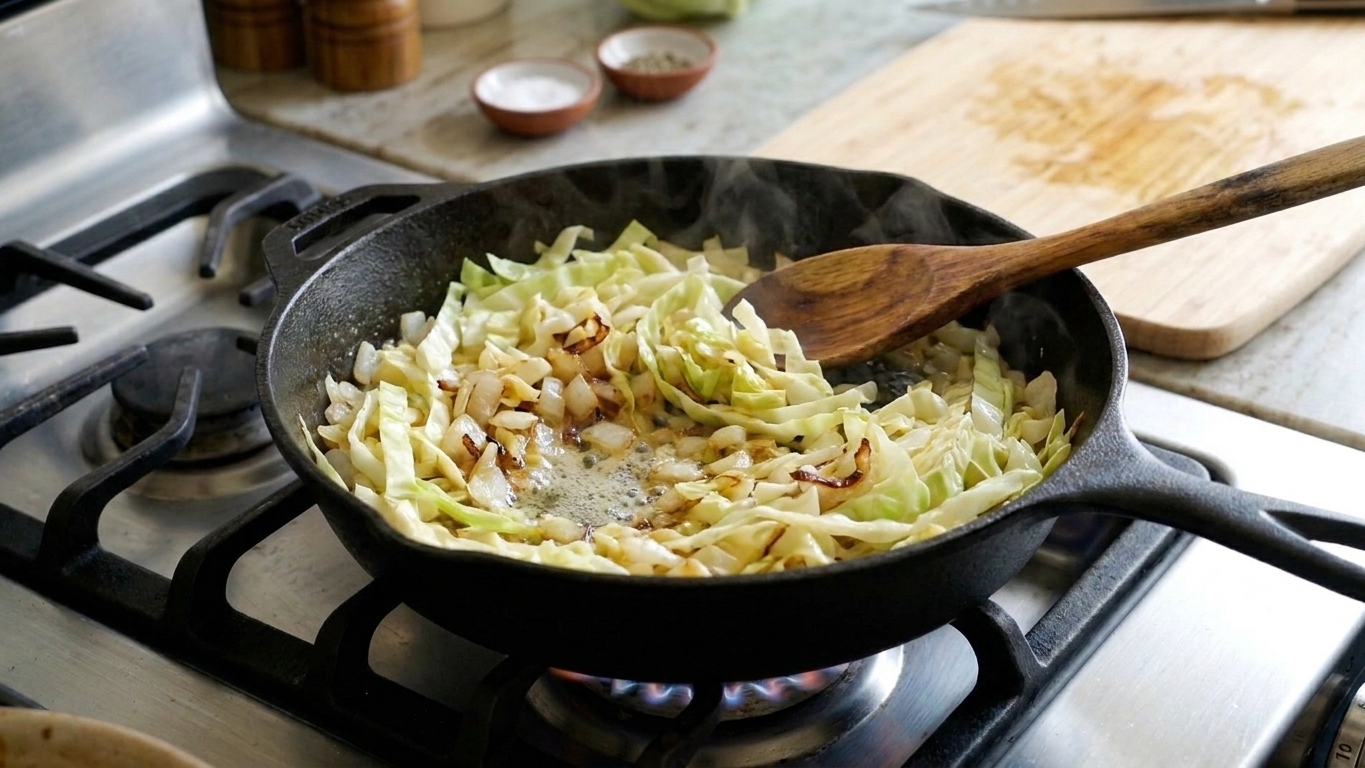
Two moves: do not overcrowd the cabbage (use a big skillet or Dutch oven), and let it cook until it is truly soft with browned spots. Also, cook noodles just to tender and finish them in the pan so they absorb flavor instead of extra water.

Can I add meat?

Absolutely. Bacon, kielbasa, ham, or smoked sausage all fit right in. Cook the meat first, then use some of the drippings with the butter to sauté the onions and cabbage.

What should I serve with haluski?

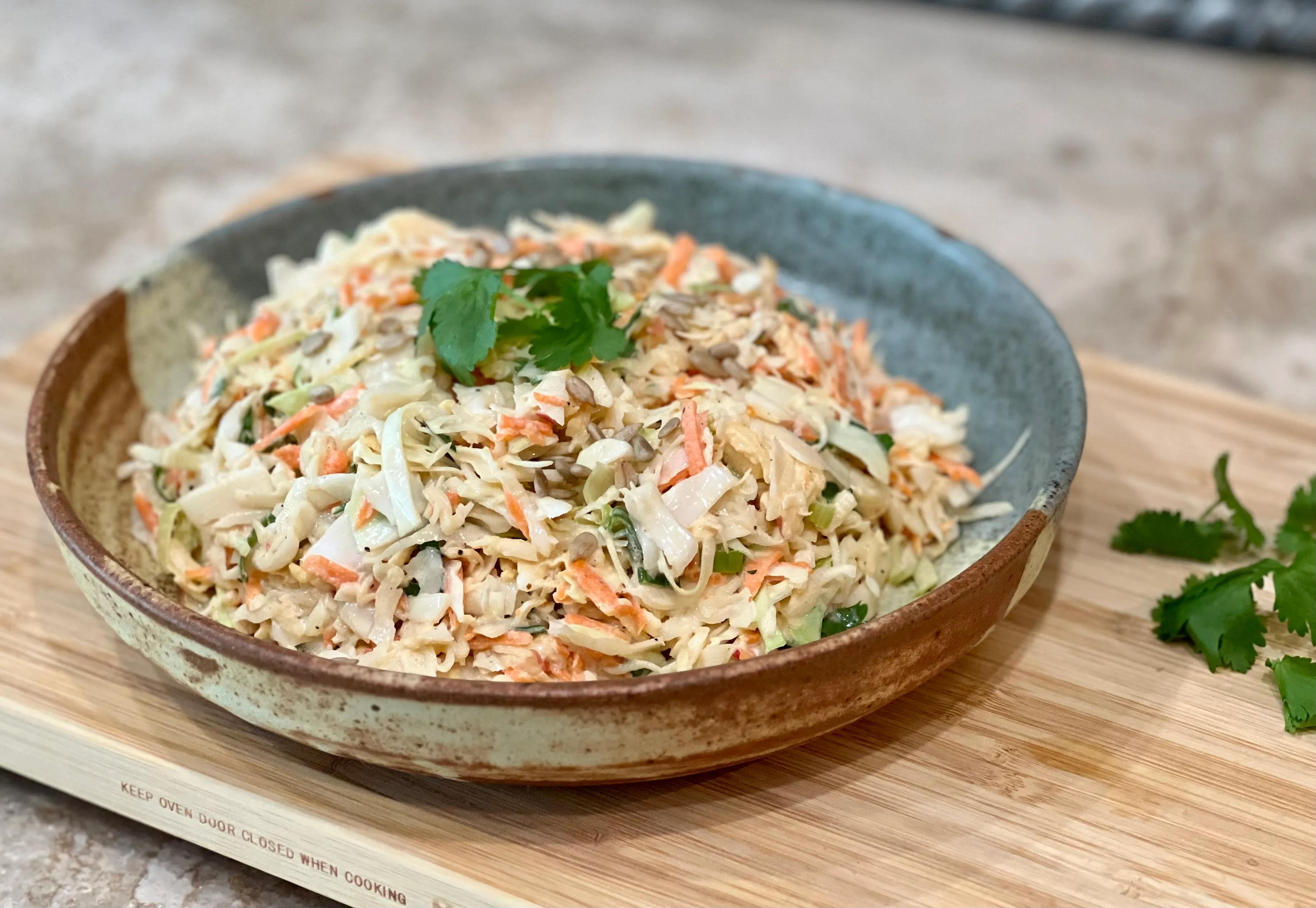
It is great on its own, but I love it with something bright and crunchy like a simple cucumber salad or vinegar slaw. If you want protein without much effort, top each bowl with a fried egg or serve with roasted chicken.

Haluski is one of those dishes I started making when I wanted maximum comfort with minimum drama. The first time I made it, I kept stirring like a nervous line cook and never got any browning. Now I do the opposite. I let the cabbage sit, I let the butter do its thing, and I chase those crisp edges like they owe me money. It is simple food with big payoff, and it always feels like a win on a busy night.