Mom's Best Recipes
Recipe

Healthy Limoncello Recipe

Bright, citrusy, and naturally sweetened with honey. A lighter, lower-sugar limoncello you can sip, splash into spritzes, or drizzle into desserts.

Author By Matt Campbell
4.8/5
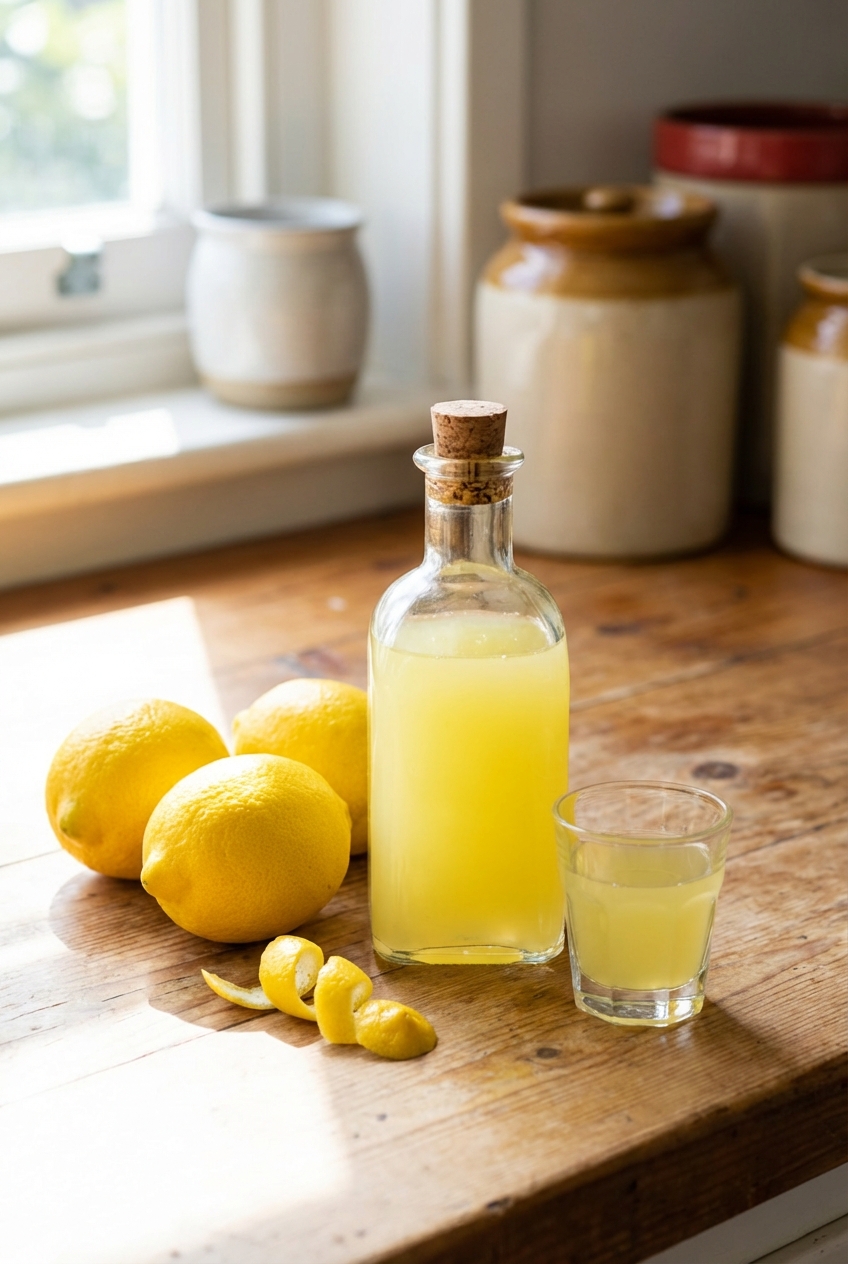
A real photo of a small glass bottle of homemade limoncello with fresh lemons on a kitchen counter in bright natural light

If classic limoncello is sunshine in a bottle, this version is the “I still want sunshine, but I also want to feel good tomorrow” edition. It is bright, punchy, and lemony in that clean, zesty way, with a gentle sweetness from honey instead of a full-on sugar syrup.

Before we get into it, one important vibe check: limoncello is still a liqueur. “Healthy” here means lighter and more mindful: less added sugar, a shorter ingredient list, and the kind of flavor that does not need to be candy-sweet to be delicious. If you like your limoncello traditional and syrupy, you can absolutely bump the sweetener. But if you want crisp citrus and a smoother finish, this is the batch.

Good news: you do not need fancy equipment, and you do not need culinary school energy. You just need lemons, patience, and permission to taste as you go.
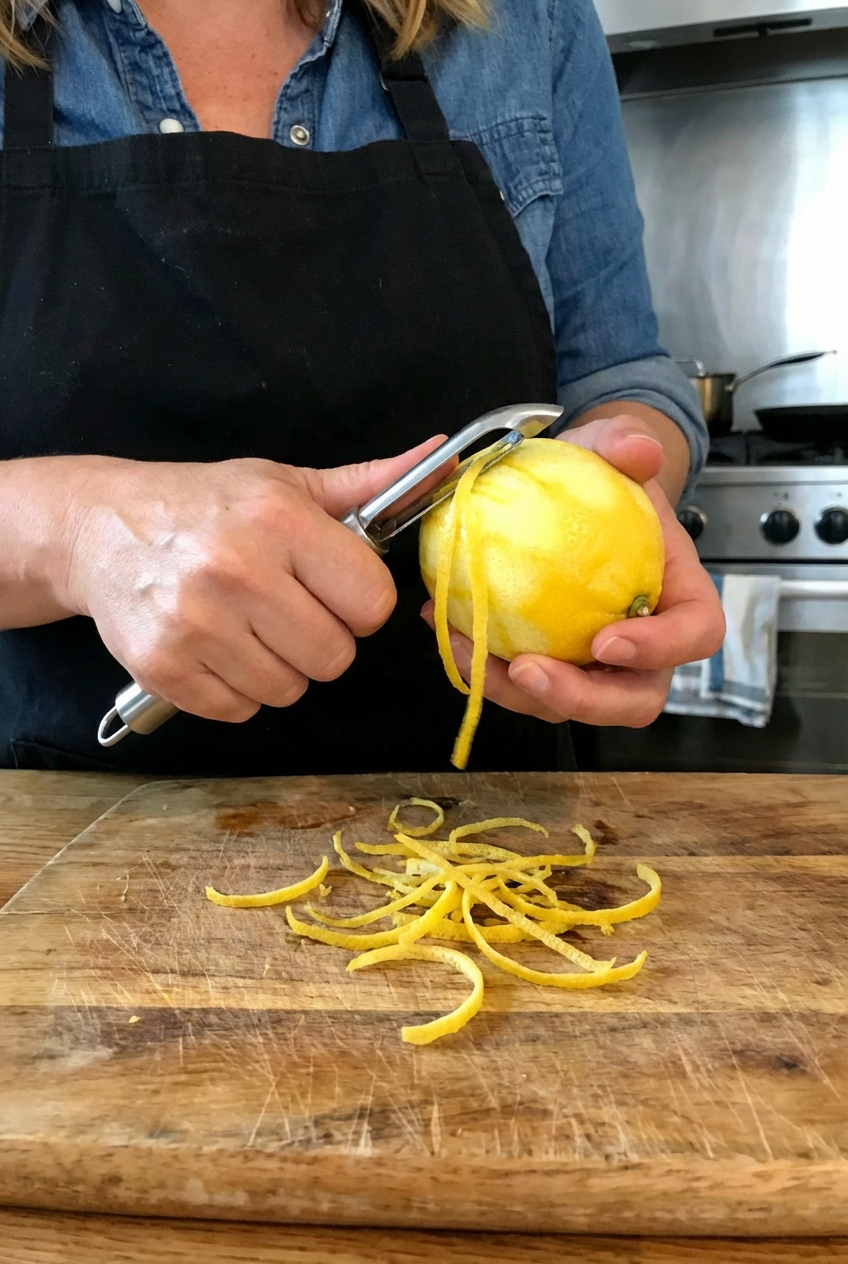
A real photo of fresh lemon zest being peeled in long strips with a vegetable peeler over a cutting board

Why It Works

  • Big lemon flavor without bitterness: We use only the yellow zest, avoiding the white pith that can turn harsh.
  • Lower-sugar sweetness: Honey (or maple syrup) gives roundness with less cloying sweetness than a heavy simple syrup.
  • Easy to customize: Make it drier for cocktails, sweeter for sipping, or add a touch of vanilla for a creamsicle vibe.
  • Freezer-friendly: Limoncello loves the cold. Stored icy, it pours thick and silky (and may get slightly slushy depending on your freezer).

Pairs Well With

Storage Tips

Storage Tips

Use clean bottles: This is the unsexy secret to great homemade liqueur. Wash bottles and lids well and let them fully dry before filling.

Refrigerator: For best flavor, enjoy within 1 to 2 months. It can last longer (often up to 3 months) if your bottles are very clean and you did not add lemon juice. Discard if you notice an off smell, visible mold, or anything that looks questionable.

Freezer: For the best sipping experience, keep it in the freezer for 3 to 6 months for peak flavor. It should not freeze solid, but it can turn a bit slushy depending on your freezer temperature and final alcohol level.

Light matters: Keep it away from direct sunlight so the lemon oils stay fresh instead of tasting flat.

Cloudiness is normal: If it turns a bit cloudy after chilling, that is the lemon oils. It is not a problem. Give it a gentle shake.

Common Questions

Common Questions

What makes this limoncello “healthy”?

Compared to traditional limoncello, this recipe uses less added sweetener and relies on lemon oils for flavor. It is still alcohol, so think of it as a lighter, lower-sugar homemade liqueur, not a health drink.

Can I use organic lemons?

Yes, and it is a great idea since we are using the peel. If you cannot get organic, scrub and wash the lemons well (warm water helps), then dry them before peeling.

Why do you avoid the white pith?

The pith is bitter. A little bitterness can be pleasant, but too much can make your limoncello taste like lemon rind medicine. Use a vegetable peeler and peel in wide strips, stopping when you hit white.

Can I use a different alcohol?

Yes. Vodka is the most neutral and easiest. Everclear can extract lemon oils faster and more intensely, but it can taste hotter and needs careful dilution. If you use Everclear (commonly 151 or 190 proof), aim for a final liqueur that lands roughly in the 25 to 35% ABV range for a classic sipping feel. Practically, that means you will likely use less high-proof spirit and more water/syrup than you would with vodka. When in doubt, start conservative and adjust after a 24-hour rest.

Can I make it without honey?

Absolutely. Use maple syrup for a warm sweetness, or make a light simple syrup with sugar if you want a more classic profile. For a zero-calorie option, you can experiment with monk fruit syrup, but start small and taste because some alternatives leave an aftertaste.

How do I make it creamy like lemon cream liqueur?

That is a different drink (often called crema di limoncello). You would add milk or cream and it becomes more perishable. If you want that style, tell me and I will write a safe, fridge-stable version with proper storage guidance.

I have a soft spot for recipes that feel like a tiny vacation, even if you are making them between soccer practice pickup and a sink full of dishes. The first time I made limoncello at home, I went full chaos mode and over-peeled my lemons, pith and all. The result was aggressively bitter, like I had bottled a lemon’s bad attitude.

This version is my redemption arc. Cleaner peel, lighter sweetness, and that bright citrus hit that makes you pause mid-sip like, wait, did I just do something fancy? Yes. Yes you did. And you did it in your own kitchen.