Mom's Best Recipes
Recipe

Healthy Acorn Squash (Roasted)

A cozy, authentic roasted acorn squash recipe with crisp edges, warm spices, and a naturally sweet finish. Simple ingredients, big fall flavor.

Author By Matt Campbell
4.8
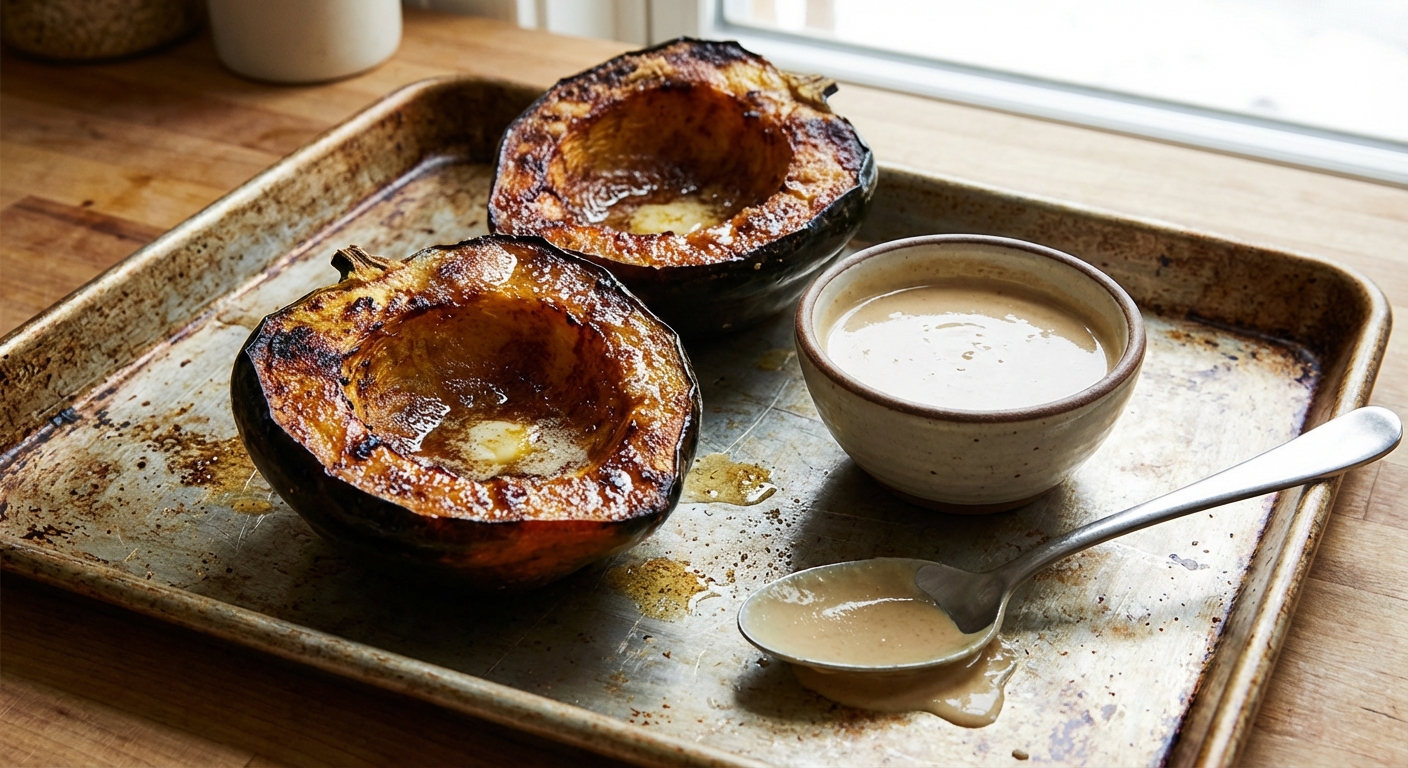
A real photograph of two roasted acorn squash halves on a sheet pan, golden and caramelized, with a small bowl of maple-tahini sauce nearby and a spoon resting on the pan

Acorn squash is one of those quietly perfect ingredients. It tastes like fall, it cooks up tender without any fuss, and it turns basic pantry seasonings into something that feels like you tried harder than you did. This is my healthy, traditional take: roasted until the edges get a little crisp, the center goes silky, and the natural sweetness comes out on its own.

No marshmallows, no sugar bomb. Just real food flavor. A little olive oil, a whisper of maple, warm cinnamon, and enough salt to make you pause mid-bite and think, “Okay, wow.”
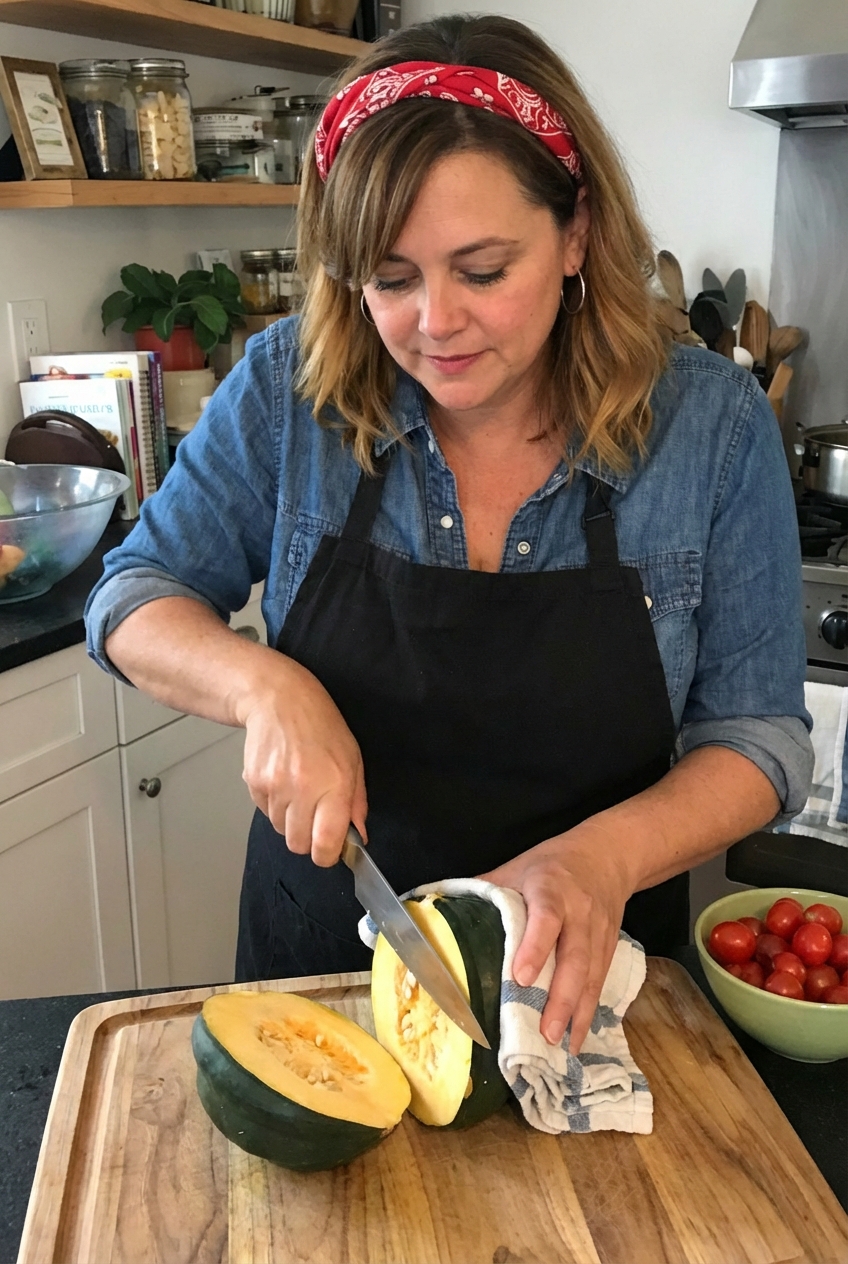
A real photograph of a cook slicing an acorn squash in half on a wooden cutting board with a chef's knife and a towel for grip

Why It Works

  • Authentic and simple: Classic roasted squash method with a modern, lighter touch.
  • Better texture: Roasting cut-side down steams the inside first, then flipping finishes with caramelized edges.
  • Sweetness without the crash: Acorn squash brings natural sweetness, and a small drizzle of maple goes a long way.
  • Flexible: Keep it savory, make it warmly spiced, or add a bright sauce for contrast.

Pairs Well With

Storage Tips

Keep It Tasty Tomorrow

  • Fridge: Store roasted squash in an airtight container for up to 4 days.
  • Reheat (best): Warm on a sheet pan at 375°F for 10 to 15 minutes to bring back the edges.
  • Reheat (fast): Microwave in 30-second bursts. It will be softer, still delicious.
  • Freeze: Scoop the flesh into a freezer bag or container and freeze up to 3 months. Great for soups, oatmeal, smoothies, or baking. The texture is less “roasted,” more “mash,” which is normal.
  • Meal prep move: Scoop leftover squash into a bowl with cooked grains, a handful of greens, and a punchy dressing. Instant lunch.

Common Questions

Common Questions

Do I have to peel acorn squash?

Nope. The skin softens as it roasts and is edible. If you are not into eating the skin, just scoop the flesh out with a spoon like a built-in bowl.

How do I cut acorn squash safely?

Use a sharp chef’s knife and a stable cutting board. Slice a thin sliver off the bottom to create a flat base if it wobbles. If it is very hard, microwave the whole squash for 1 to 2 minutes to soften the skin slightly, then cut.

Why roast cut-side down first?

It traps steam against the pan so the flesh gets tender quickly. Flipping near the end lets the top caramelize for that golden finish. It also keeps any sweet toppings from dripping out and burning.

Can I make it savory instead of sweet?

Absolutely. Skip the maple and cinnamon. Use olive oil, salt, pepper, garlic powder, and a pinch of smoked paprika or dried thyme. Finish with a squeeze of lemon.

How do I know when it is done?

A fork should slide into the thickest part with almost no resistance. If the edges look browned and the center still feels firm, give it 5 to 10 more minutes.

The first time I made acorn squash on my own, I treated it like a science project. I overcomplicated it, under-salted it, and still ate it standing at the counter because it smelled too good to wait. The second time, I kept it simple: hot oven, olive oil, salt, and a tiny drizzle of maple. That was the moment it clicked. This is comfort food that does not need a big speech. It just needs heat, patience, and you actually tasting as you go.