
Mom's Best Recipes
Recipe

Healthy Sautéed Swiss Chard

A fast, flavor-forward side with garlicky olive oil, bright lemon, and optional chili flakes. Tender-crisp stems, silky greens, zero drama.

Author By Matt Campbell
4.8
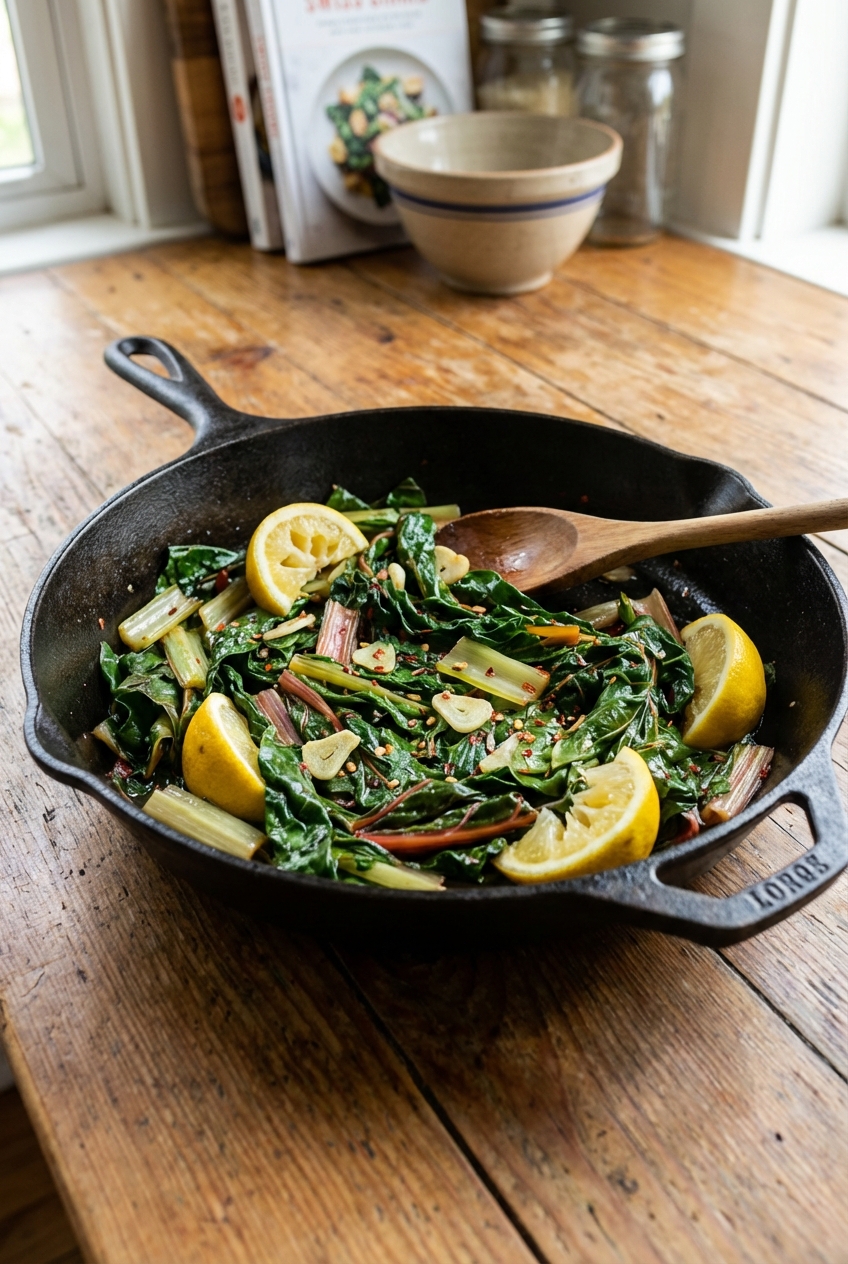
A skillet of sautéed Swiss chard with glossy dark greens, tender rainbow stems, and lemon wedges on a wooden table

Swiss chard is the leafy green that looks a little fancy and cooks like it has somewhere to be. In under 15 minutes, you get tender greens, tender-crisp stems, and a bright hit of lemon that makes the whole pan taste awake. This is my weeknight move when dinner needs a vegetable that is not sad salad and not a whole project.

We keep it simple and healthy: olive oil, lots of garlic, a pinch of red pepper flakes if you like, and lemon at the end so it stays punchy. The only “technique” is treating stems and leaves like the different ingredients they are, because they are. Stems go in first, leaves join the party later, everybody wins.

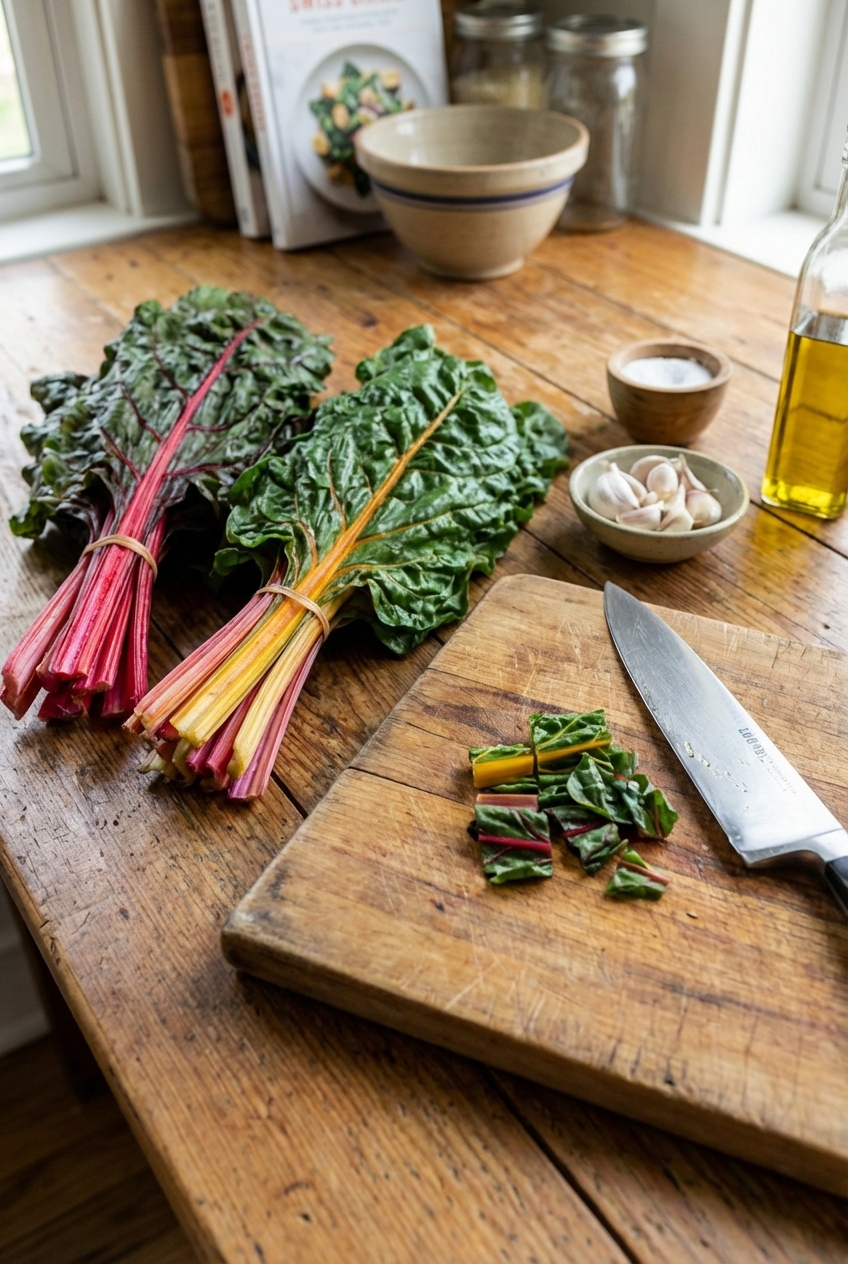
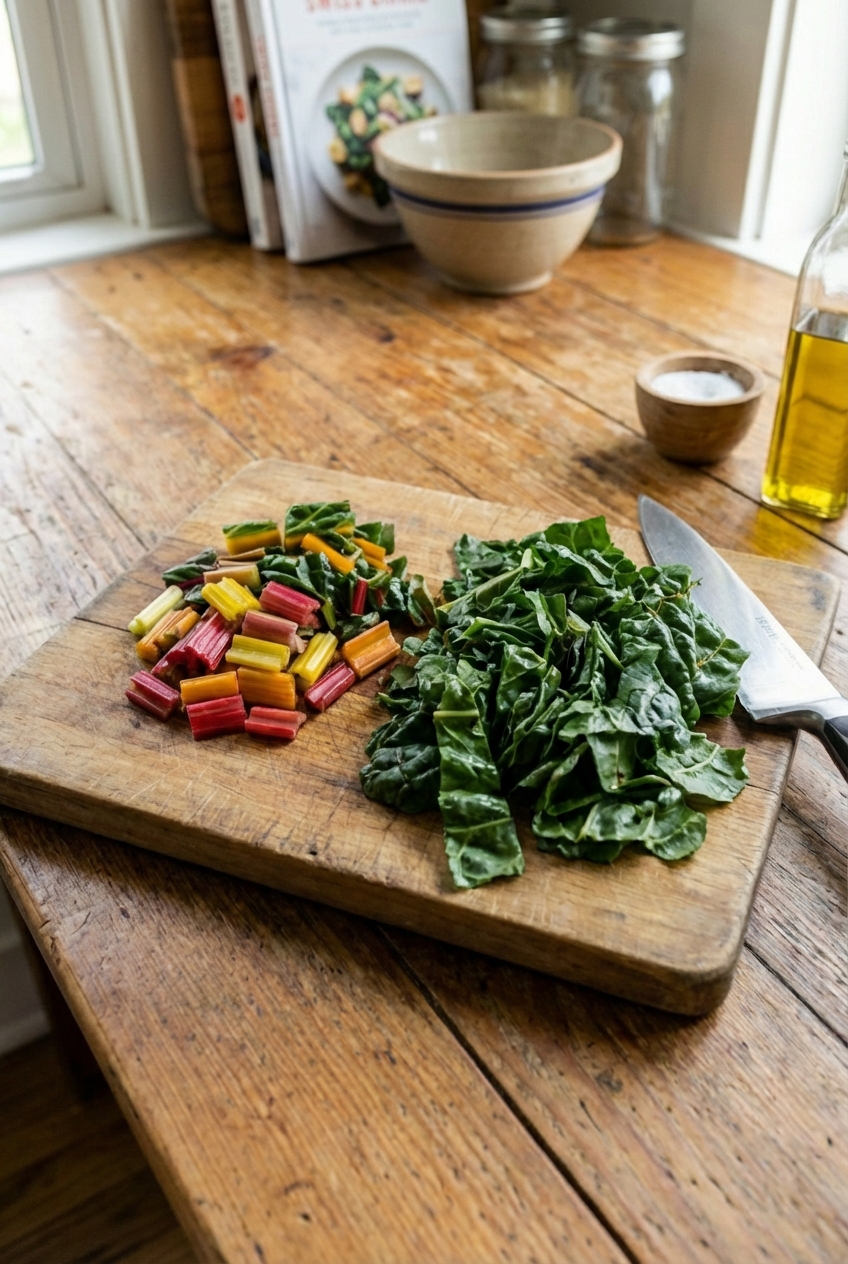
Fresh Swiss chard leaves with colorful stems on a cutting board next to a knife and garlic cloves

Why It Works

  • Better texture: Stems sauté first so they turn tender-crisp instead of squeaky or undercooked.
  • Big flavor, light feel: Garlic blooms in olive oil, then lemon wakes everything up at the end.
  • Not watery: High heat plus a short steam keeps greens silky, not swampy.
  • Flexible: Add beans, eggs, pasta, or a shower of Parmesan and suddenly it is dinner, not just a side.

Storage Tips

How to store

  • Fridge: Cool completely, then store in an airtight container for 3 to 4 days.
  • Freezer: You can freeze it, but greens soften more when thawed. Freeze up to 2 months for soups, eggs, or pasta sauce moments.

How to reheat

  • Skillet (best): Medium heat with a small splash of water or broth, toss until hot.
  • Microwave: Cover loosely and heat in short bursts, stirring once.

Leftover glow-up: Chop and fold into scrambled eggs, stir into lentils, or pile on toast with a fried egg and a squeeze of lemon.

Common Questions

Do I need to remove the stems?

No. The stems are great, they just need a head start. Slice them thin and cook them first, then add the leaves.

Why is my chard bitter?

Some bunches are more bitter than others. A little more salt, a squeeze of lemon, and optional Parmesan usually balances it. Also, do not scorch the garlic, burnt garlic reads as bitter.

Can I use frozen Swiss chard?

Yes. Thaw and squeeze out excess liquid, then sauté quickly with garlic and oil. You can usually skip the “steam” step since frozen greens are already soft, but cover for 30 to 60 seconds if it needs help heating through.

What goes well with sautéed Swiss chard?

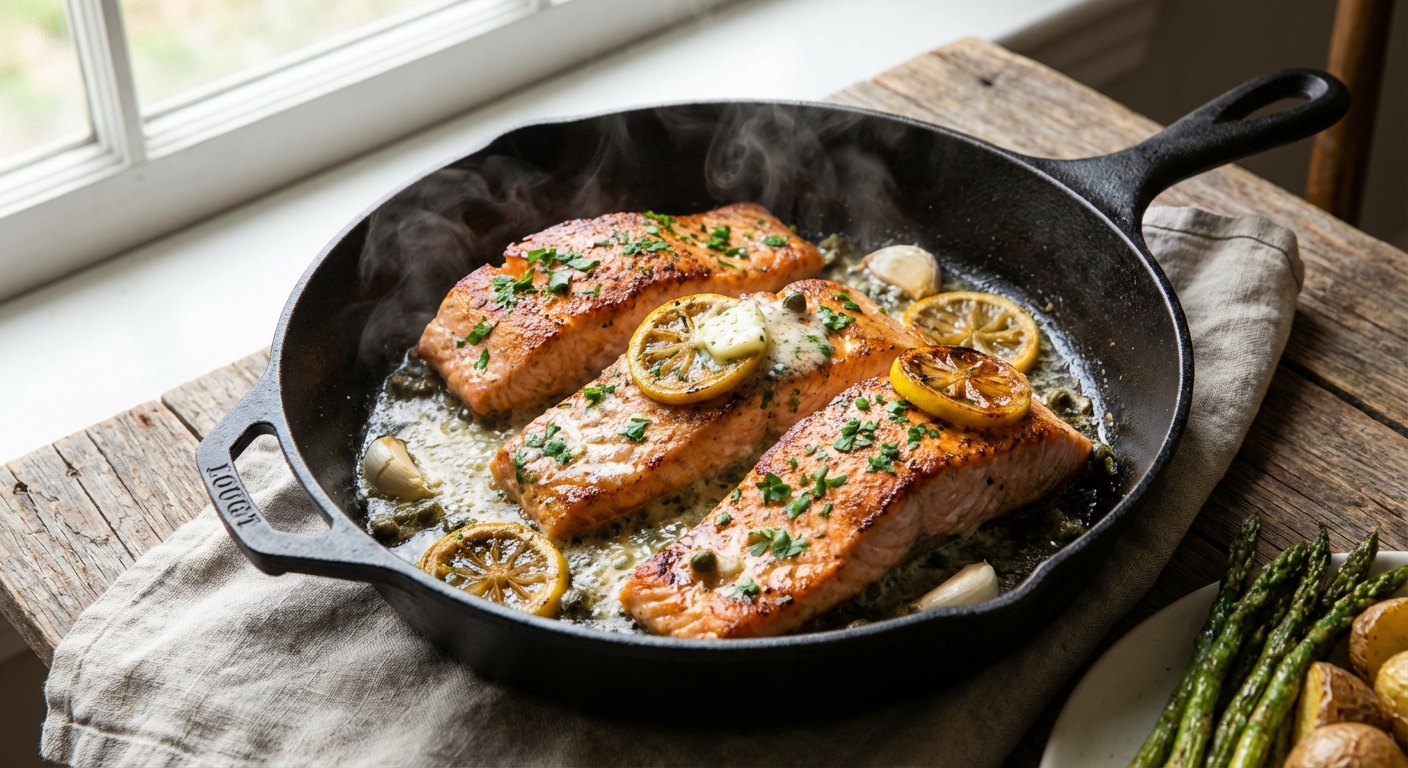
Roast chicken, salmon, tofu, white beans, pasta, polenta, or anything that appreciates a bright, garlicky side. It is especially good next to rich foods.

How do I wash Swiss chard properly?

Separate leaves from stems, swish leaves in a big bowl of cold water, lift out, and repeat if gritty. Give the stems a quick rinse too, especially near the base where grit hides. Dry well so the pan sautés instead of stews.

I started making Swiss chard the way I make most sensible things: because it was on sale and I felt personally challenged by the sheer size of the leaves. The first time, I tossed everything in at once and wondered why the stems were crunchy while the greens were over it. Now I do the stems first, leaves later, lemon at the end. It is the kind of small kitchen fix that makes you feel like a wizard, even if you are wearing sweatpants and eating straight from the pan.