Mom's Best Recipes
Recipe

Healthy Seeded Honey Oat Bread

A cozy, wholesome loaf with whole wheat, oats, and seeds, plus a touch of honey for that can’t-stop-snacking slice.

Author By Matt Campbell
4.8
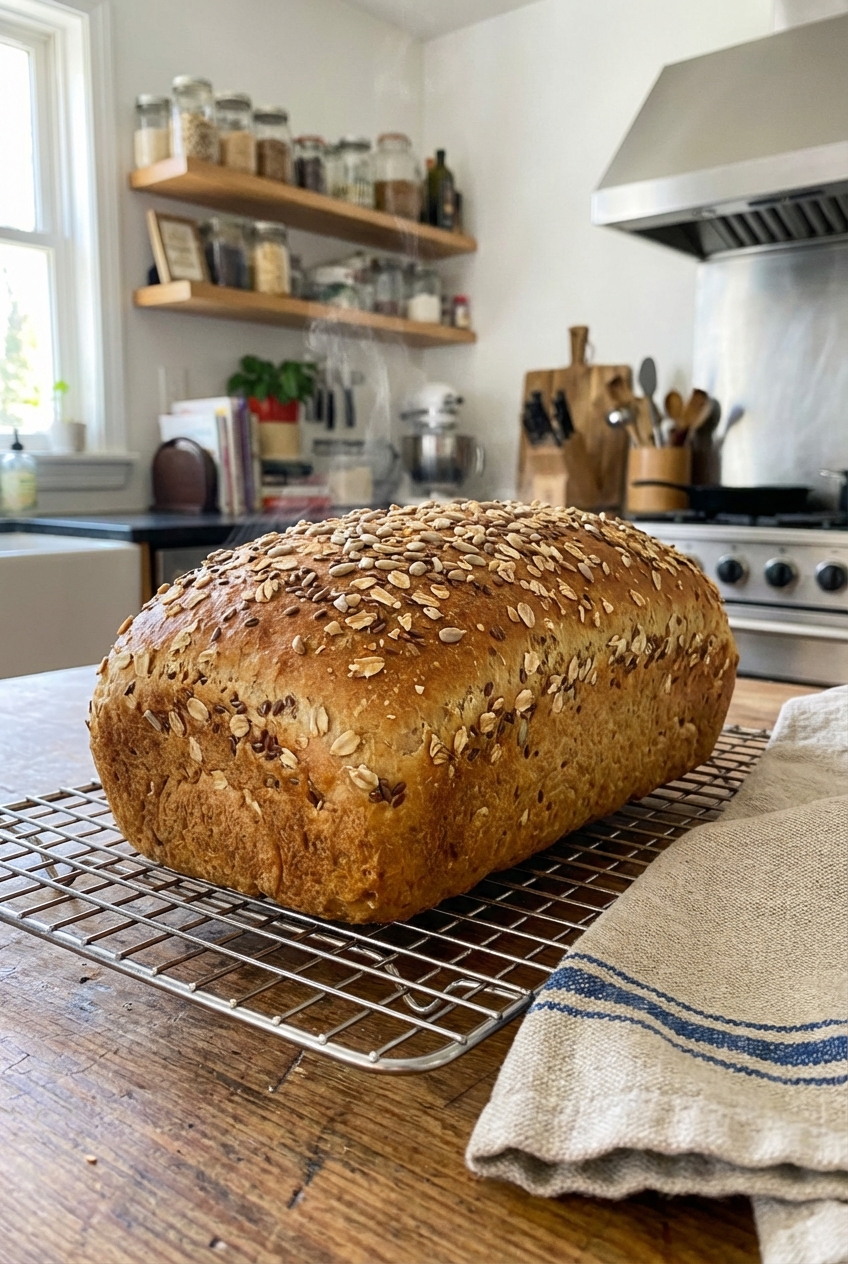
A golden brown loaf of seeded honey oat bread cooling on a wire rack on a wooden counter with a linen towel nearby

If you’ve ever wanted a homemade bread that feels like a warm hug but still checks the “healthy and wholesome” box, this is your loaf. It’s lightly sweet from honey, hearty from whole wheat, and packed with oats and seeds for that nutty, toasty vibe that makes butter melt faster out of pure excitement.

This is not the kind of bread that demands you clear your schedule and emotionally prepare. The ingredients are easy to find, the steps are straightforward, and the dough is forgiving. You will get a soft, sliceable crumb with a sturdy enough structure for sandwiches, toast, and the very important mid-afternoon snack situation.

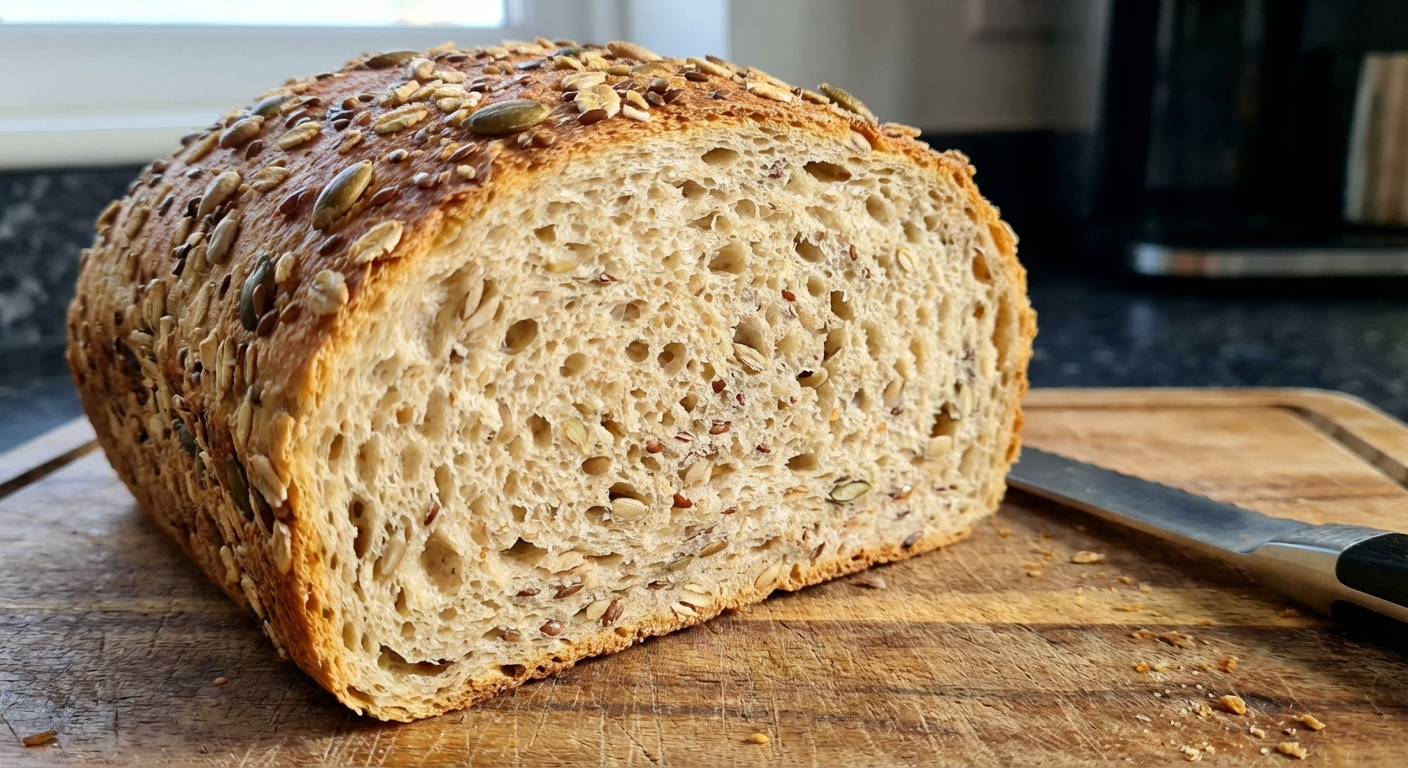
A close-up photograph of a sliced seeded oat bread loaf showing a soft crumb with visible seeds

Why It Works

  • Wholesome texture without being heavy: Whole wheat plus bread flour gives you lift and structure, while oats keep the crumb tender.
  • Big flavor from simple ingredients: Honey, toasted seeds, and a little olive oil make the loaf taste richer than it looks on paper.
  • Reliable rise and oven spring: A short rest plus a couple rounds of folds help the dough hold onto gas, so you get a proud, tall loaf.
  • Crisp edges, cozy center: The top gets gorgeously browned, but the inside stays soft and slice-friendly for days.

Pairs Well With

Storage Tips

Room temp: Let the loaf cool completely, then store in a bread bag or wrapped in a clean kitchen towel for up to 3 days. If you want a crispier crust, go with the towel. If you want softer slices, go with a bag.

Refrigerator: Not my favorite because it speeds up staling, but if your kitchen is very warm, you can refrigerate tightly wrapped for up to 5 days. Toast slices to bring it back to life.

Freezer: The best move. Slice the loaf, place parchment between a few slices if you want easy grab-and-toast access, then freeze in a zip-top bag for up to 3 months.

Revive it: For a whole loaf, spritz the crust lightly with water and warm at 350°F for 8 to 12 minutes. For slices, toast until the edges go crisp.

Common Questions

Can I make this bread 100% whole wheat?

You can, but it will be denser. For a 100% whole wheat version, add an extra 2 to 4 tablespoons water and expect a slightly tighter crumb. Also consider adding 1 tablespoon vital wheat gluten if you keep it around.

Do I need a stand mixer?

Nope. This dough is very hand-friendly. The kneading is simple, and a couple rounds of folds during the first rise help a lot (and are easy, I promise).

Why does my bread crack on the side?

Usually it is under-proofed or the top crust set too fast. Let it rise until the dough passes the gentle poke test, and make sure you slash the top so the loaf expands where you want it to.

Can I reduce the honey?

Yes. You can drop it to 1 tablespoon for a more savory loaf. The bread will brown a little less, so keep an eye on color near the end of baking.

What seeds work best?

Sunflower and pumpkin seeds give the best crunch. Flax and sesame add great flavor. Chia works too, but it can drink up moisture, so keep the amounts modest.

My dough feels stiff. Did I mess up?

Probably not. Whole wheat flour and rolled oats are thirsty. This dough should feel slightly tacky and soft after kneading. If it feels dry, rough, or hard to knead, add water 1 tablespoon at a time until it relaxes. Depending on your flour and how you measure, it may need 1 to 3 extra tablespoons of water.

Help, my loaf came out dense

The usual culprits are too much flour during kneading, a cold kitchen (slow rise), or baking before the dough is fully proofed. Next time, keep the dough slightly tacky, let the rises go by feel (not just the clock), and use the gentle poke test before baking.

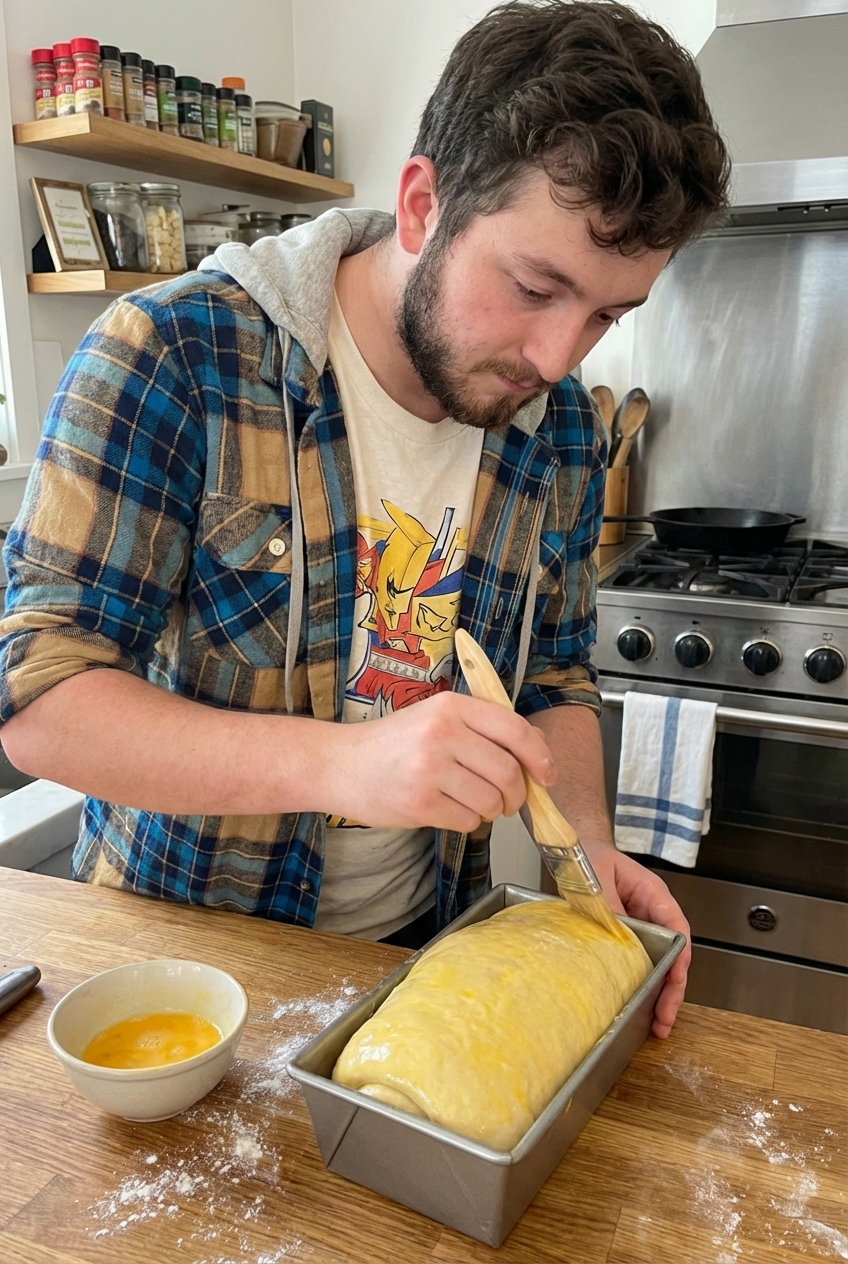
I started baking bread because I wanted the kind of practical kitchen confidence that you cannot fake. Like, sure, I can follow a recipe, but can I make something as basic and essential as bread and have it actually taste like I meant to do that? This loaf became my go-to when I wanted something nourishing that still felt like a treat. The honey is subtle, the seeds do the heavy lifting on flavor, and the oats make the whole thing feel like it belongs next to a pot of soup on a weeknight. It is the bread I make when I want the house to smell like I have my life together, even if the sink says otherwise.