Mom's Best Recipes
Recipe

Flavorful Standing Rib Roast

An herb-forward, garlic-crusted standing rib roast with crisp edges and juicy slices, plus smart, wholesome sides and leftovers that actually get better.

Author By Matt Campbell
4.8
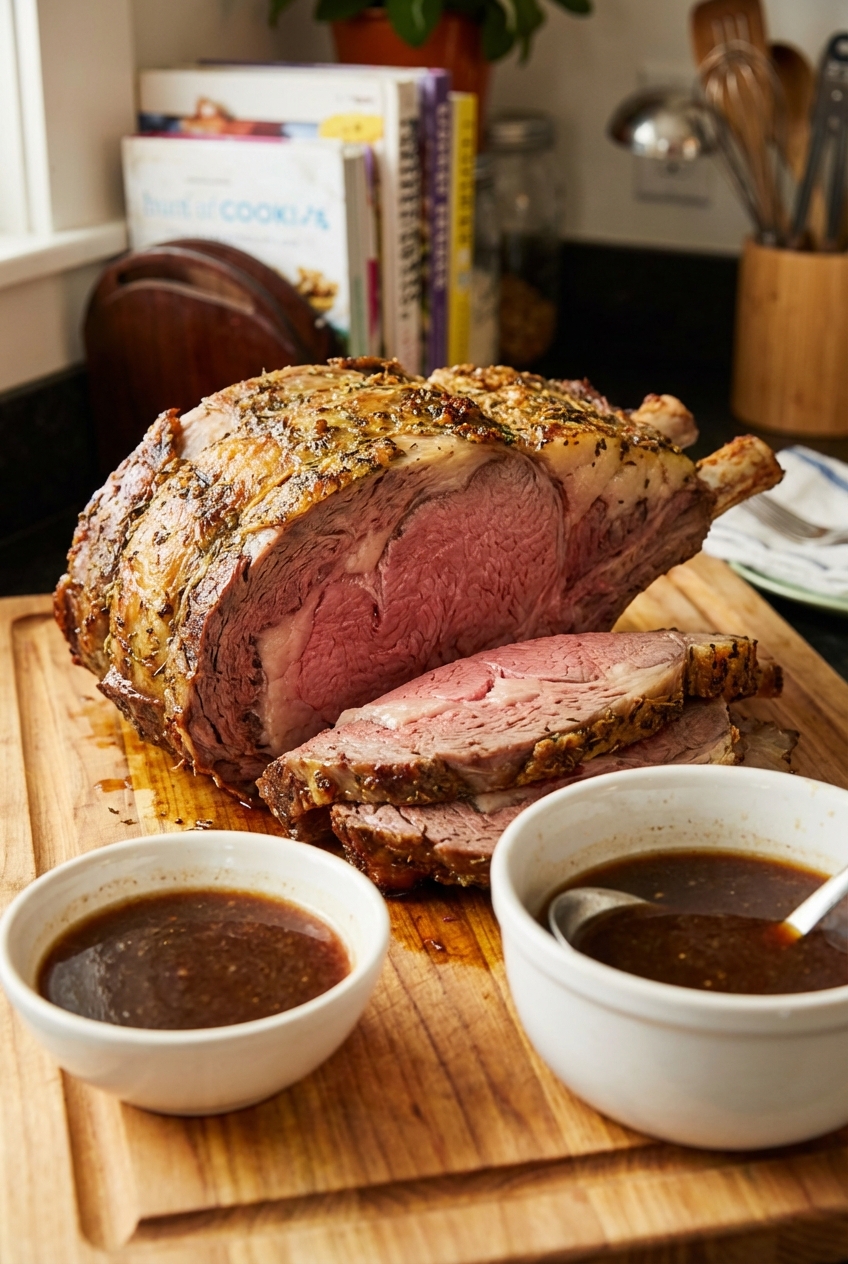
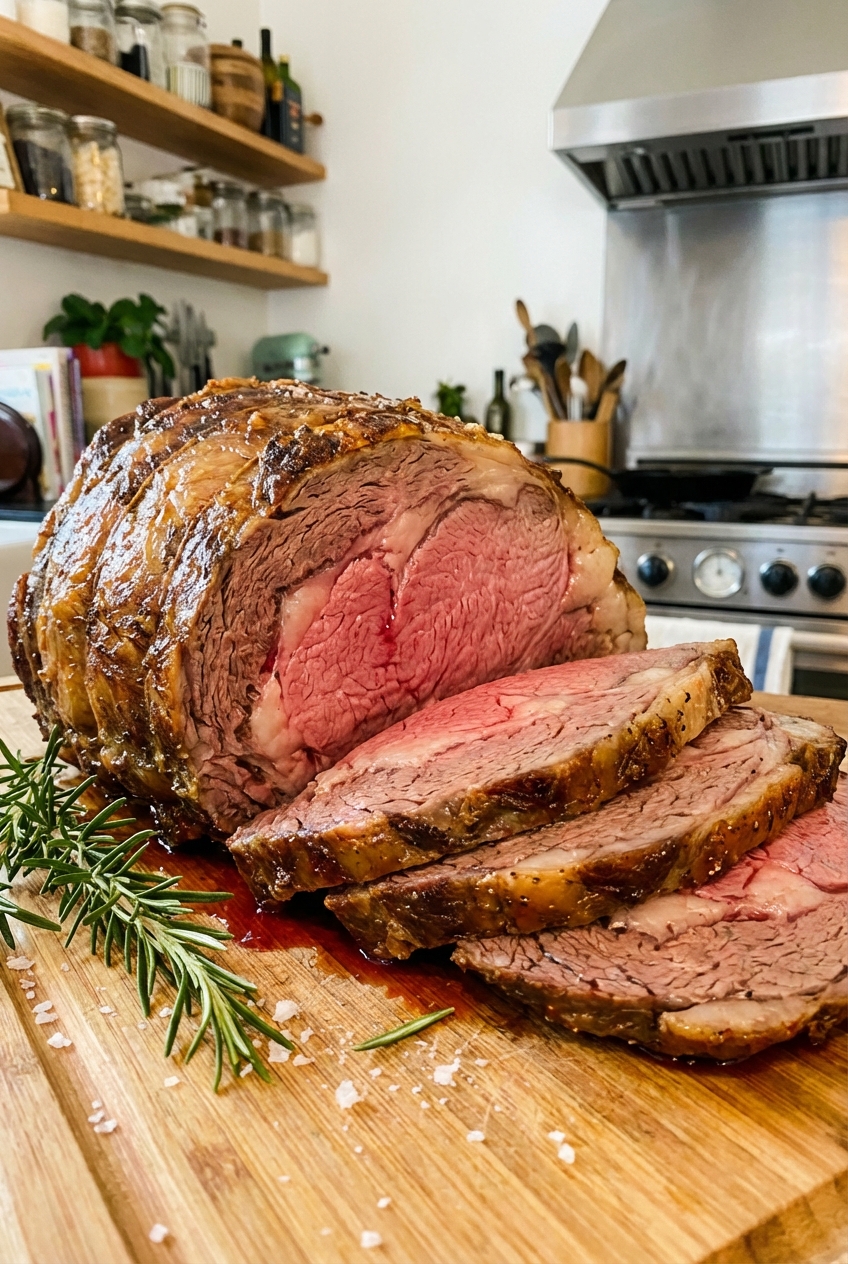
A roasted standing rib roast on a cutting board with a golden herb crust, sliced to show a rosy center, with a small bowl of pan juices nearby

If you have ever looked at a standing rib roast and thought, that seems like restaurant territory, I get it. Big cut, big price tag, big pressure. But here is the secret: rib roast is basically a naturally luxurious piece of meat that mostly needs you to not mess it up. Give it salt, give it time, and roast it with confidence.

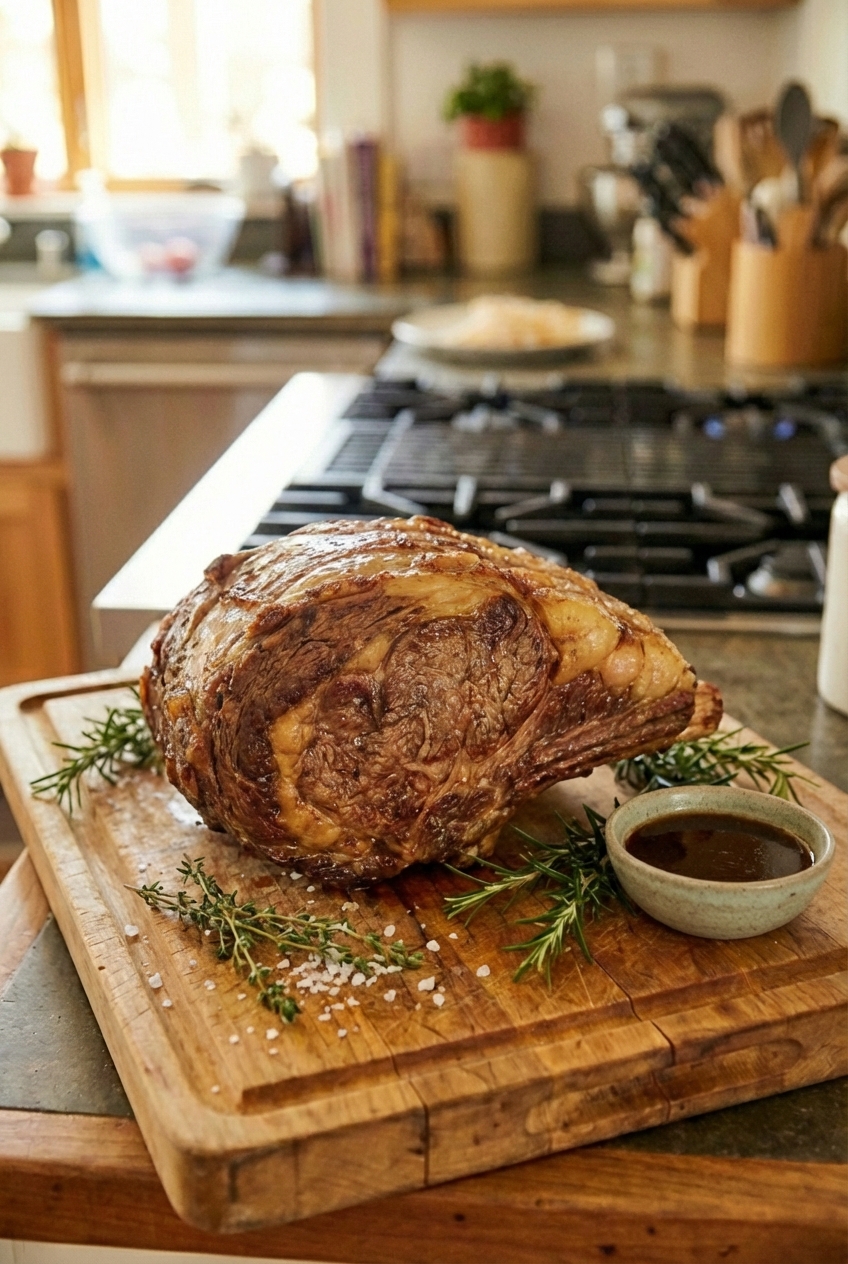
This version leans “healthy and wholesome” without trying to pretend rib roast is a salad. We build flavor with a bold herb paste, use a simple low-and-slow roast for even doneness, then finish hot for that crackly, browned crust. You get juicy slices, a bright pan sauce, and enough leftovers to make weekday-you very happy.
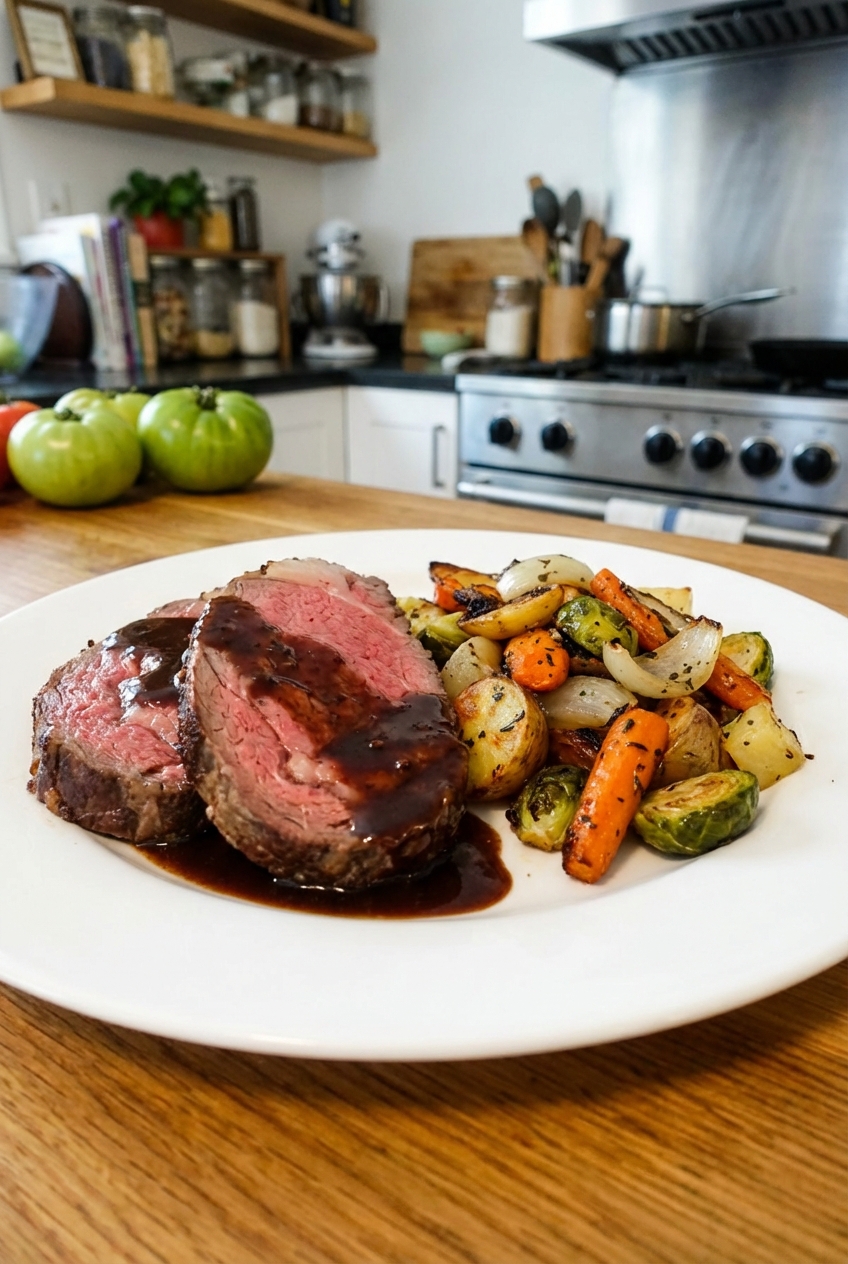
A plate with two slices of standing rib roast, roasted vegetables, and a spoonful of pan sauce

Why It Works

  • Dry brine for deep flavor: Salt the roast ahead so the seasoning moves beyond the surface and the meat stays juicy.
  • Low heat first: Gentle roasting cooks the center evenly so you get more pink, less gray.
  • High heat finish: A short blast at the end creates crisp edges and that classic rib roast crust.
  • Wholesome flavor builders: Herbs, garlic, lemon zest, and a touch of Dijon bring brightness without relying on heavy sauces.

Pairs Well With

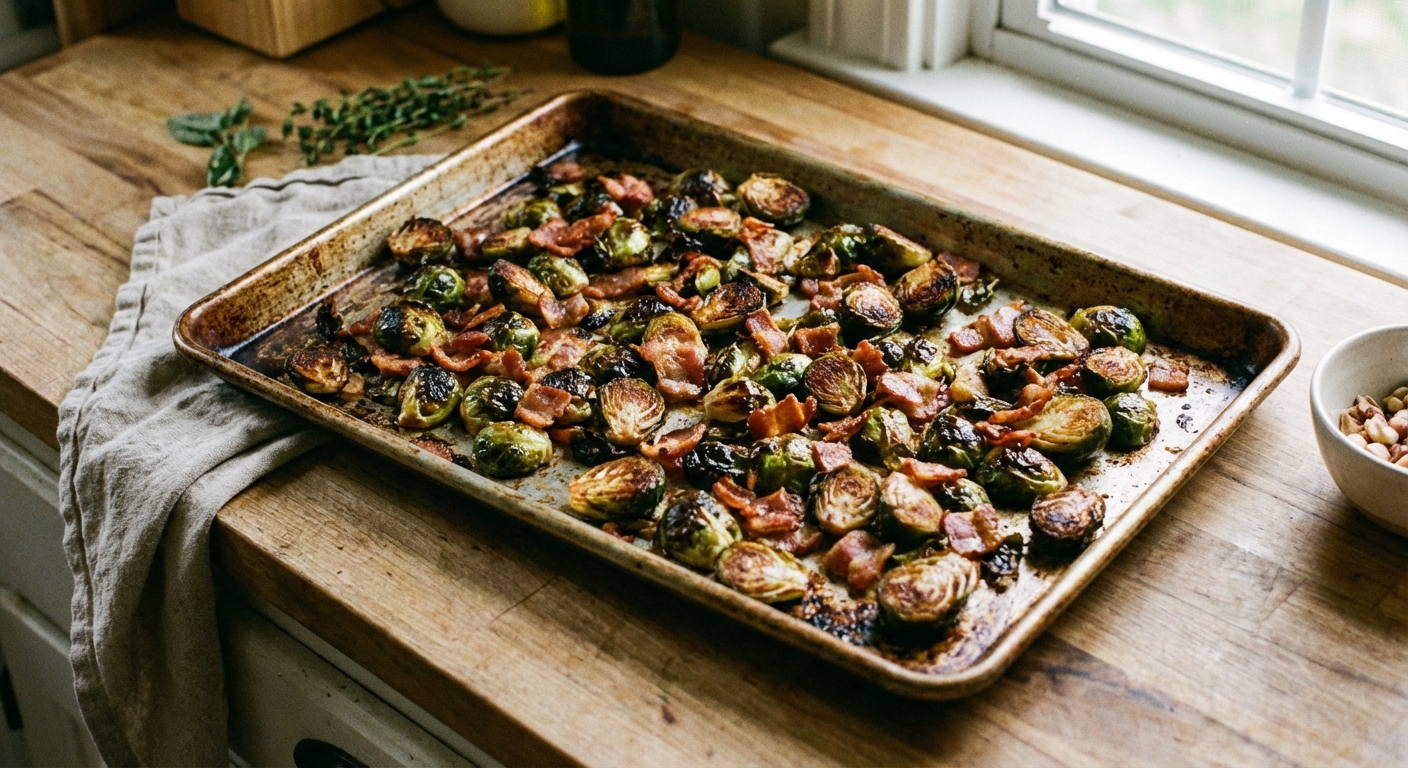
  • A sheet pan of roasted Brussels sprouts with browned edges and lemon wedges

    Roasted Brussels Sprouts with Lemon

  • A bowl of creamy mashed cauliflower with chives and black pepper

    Garlic Mashed Cauliflower

  • An arugula salad with shaved parmesan, toasted nuts, and a light vinaigrette

    Arugula Salad with Parmesan Vinaigrette

  • Roasted sweet potato wedges on a tray with rosemary and sea salt

    Rosemary Roasted Sweet Potatoes

Storage Tips

Cool it fast: Slice only what you need, then refrigerate the rest within 2 hours. Keeping the roast in a larger piece helps it stay juicier.

Refrigerator

  • Roast: Store in an airtight container up to 4 days.
  • Pan juices: Store separately up to 4 days. The fat will rise and solidify, which makes it easy to lift off if you want a lighter sauce.

Freezer

  • Sliced roast: Freeze up to 2 months. Wrap tightly and place in a freezer bag with as much air pressed out as possible.

Reheating without drying it out

  • Best method: Warm slices in a covered skillet with a splash of broth or pan juices over low heat until just heated through.
  • Oven method: Put slices in a baking dish with a few spoonfuls of juices, cover with foil, and heat at 275°F until warm.

Common Questions

How many pounds of rib roast per person?

A good rule is 3/4 to 1 pound per person with the bone in (it weighs more but also boosts flavor). For hearty eaters or if you want leftovers, aim closer to 1 pound per person.

What internal temperature should I cook it to?

Pull temperature matters more than final temperature because the roast keeps cooking while it rests. Pull at:

  • 120°F to 125°F for medium-rare
  • 130°F to 135°F for medium
  • 140°F+ for medium-well (I will not fight you, but I will suggest extra pan sauce.)

Rest 20 to 30 minutes. Expect the temperature to rise about 5°F to 10°F.

Do I have to dry brine overnight?

No, but it is the easiest upgrade. If you only have time for a short brine, do at least 2 hours uncovered in the fridge. Even 45 minutes at room temp with salt helps a little.

Do I roast it bone side down?

Yes. The bones act like a built-in roasting rack and protect the bottom from overcooking.

Can I make this with a boneless rib roast?

Absolutely. The method is the same. It may cook a little faster, so watch the thermometer closely.

Why did my roast turn out dry?

Most often: it cooked past your target temp or was sliced too soon. Use a thermometer, pull early, and rest before slicing so the juices redistribute.

The first time I cooked a standing rib roast, I treated it like a bomb I had to defuse. I hovered, I opened the oven too much, and I definitely tried to “eyeball” doneness like that was a real skill. Now I do the opposite: I salt it early, trust the thermometer, and let the oven do the work. The vibe is calmer, the crust is louder, and the leftovers turn into the kind of weekday meals that make you feel like you are getting away with something.