Mom's Best Recipes
Recipe

Hearty Ciabatta Bread Recipe

Crispy crust, airy crumb, and that classic ciabatta chew. This no-fuss, high-hydration dough bakes up crunchy and golden with big, beautiful holes.

Author By Matt Campbell
4.8
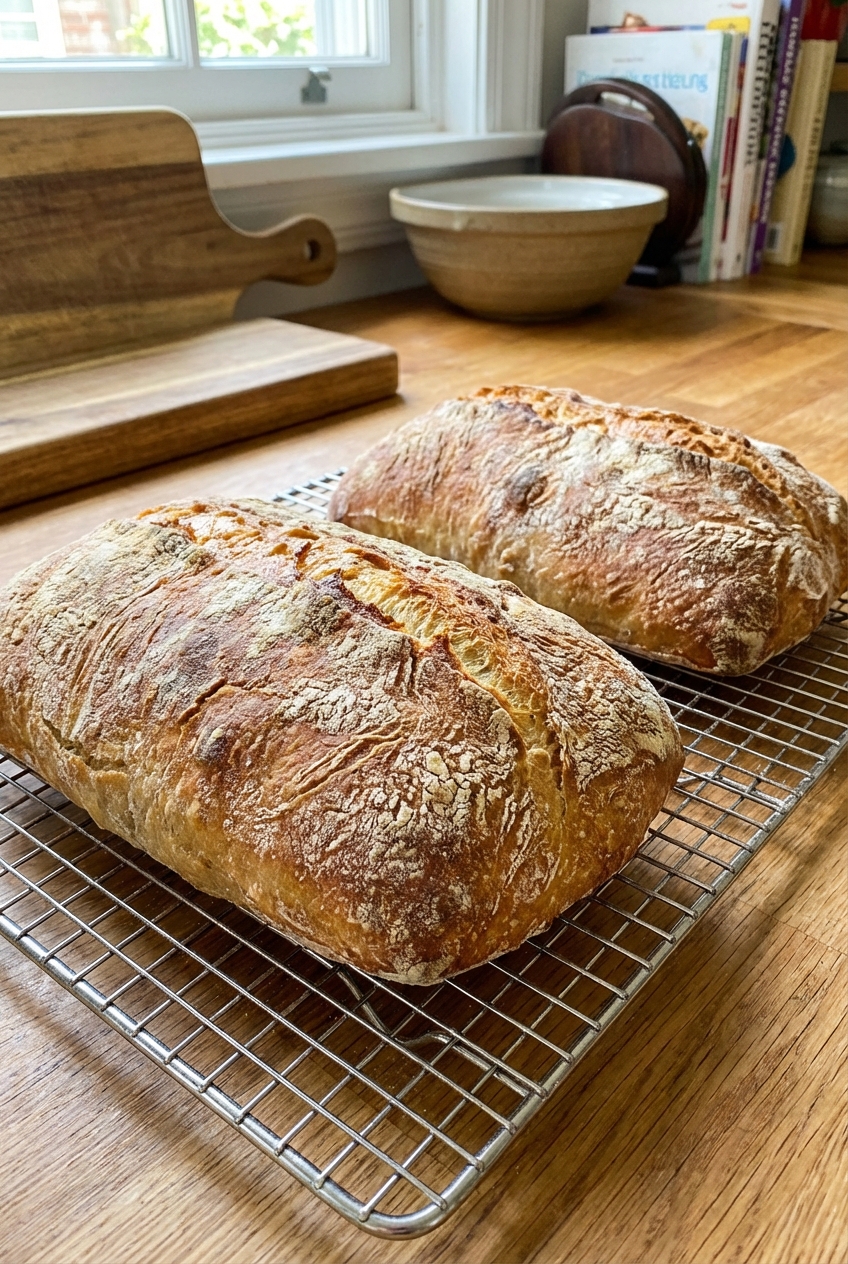
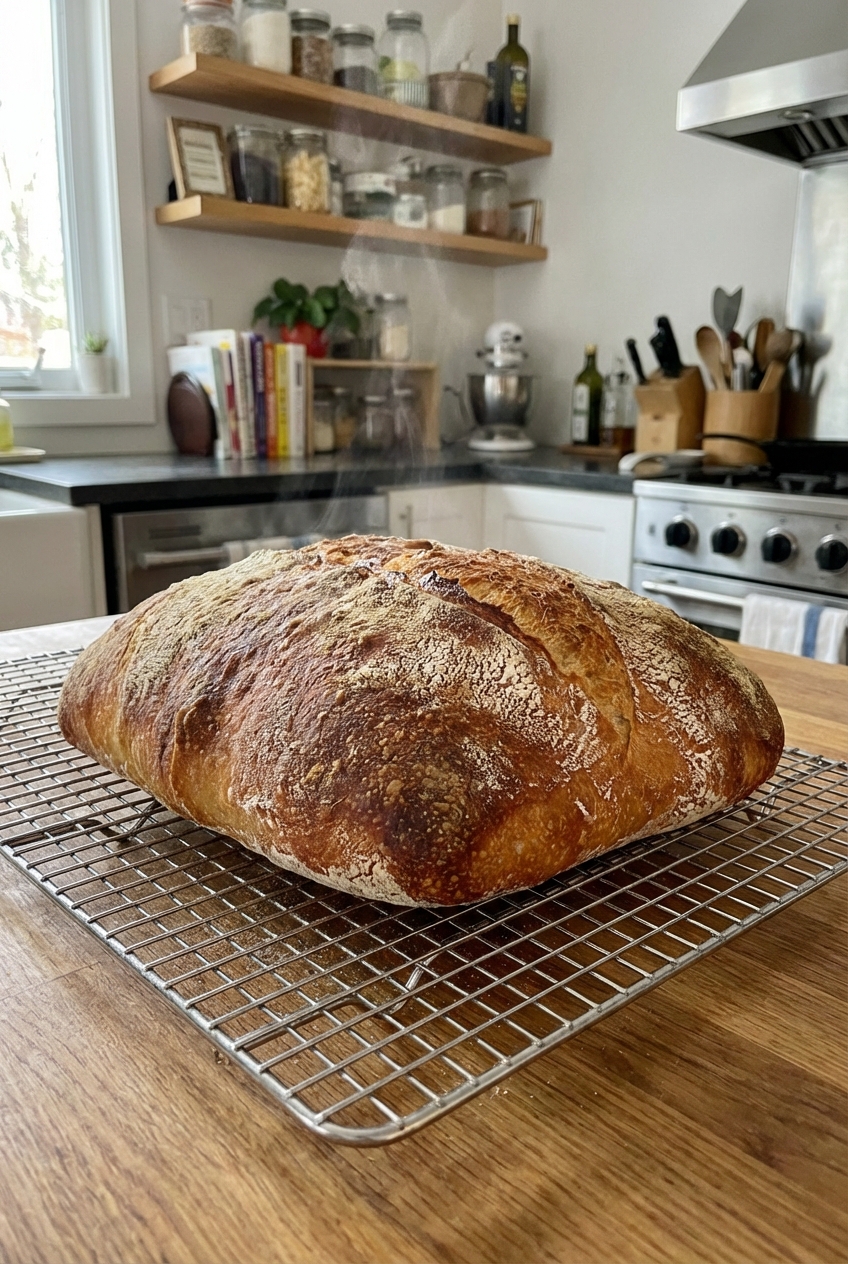
A freshly baked ciabatta loaf with a deep golden crust, dusted with flour, cooling on a wire rack in a home kitchen

Ciabatta is the bread I make when I want bakery energy without bakery-level drama. You know the vibe: a crackly, crisp crust that actually crunches, and an interior that is light, stretchy, and full of those irregular holes that catch olive oil like they were born for it.

This is a high-hydration dough, which is fancy talk for “it will be sticky and that is the point.” Instead of fighting it with extra flour, we lean into a few simple techniques: gentle folds, time, and a hot oven. The payoff is huge. Think sandwiches, soups, and torn-off chunks eaten standing at the counter because you could not wait.
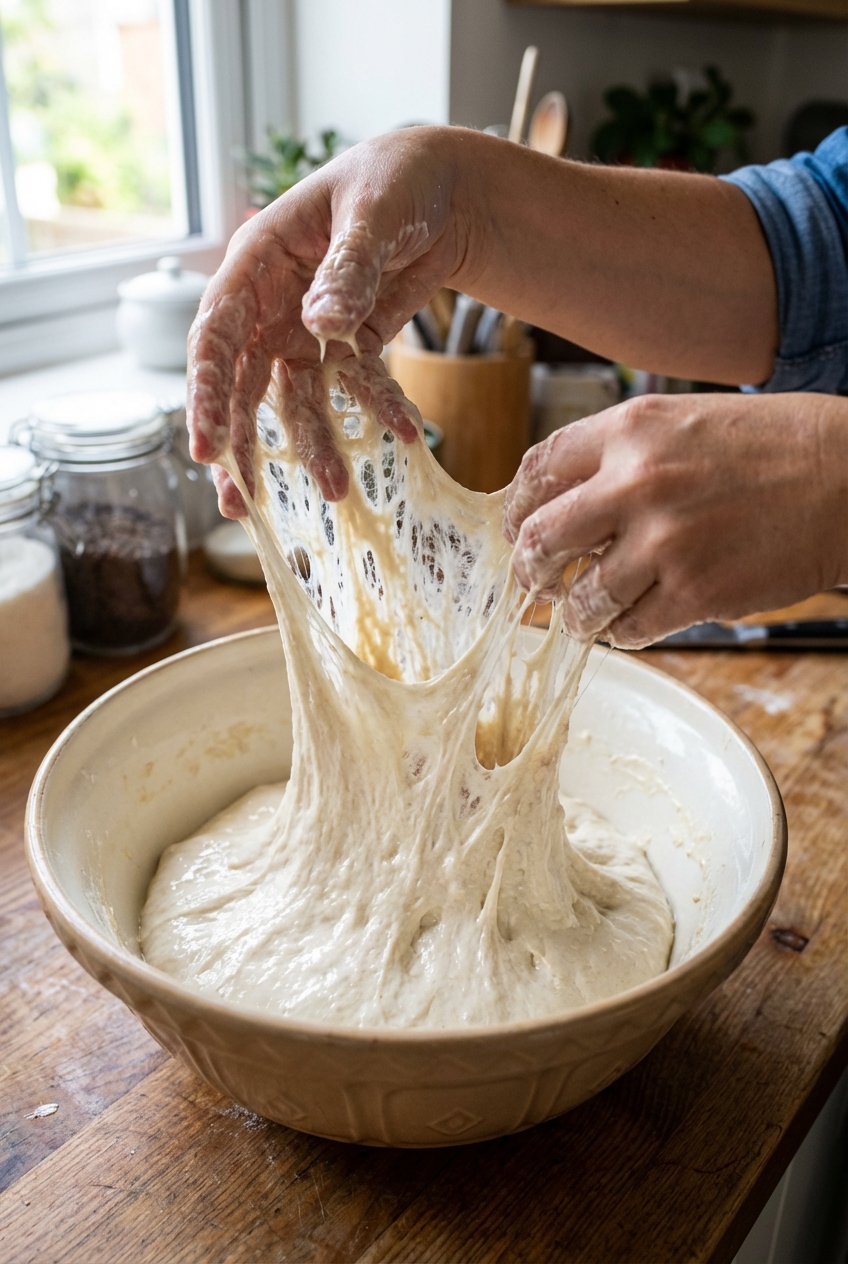

Hands stretching a wet ciabatta dough in a bowl during a fold, showing a glossy, sticky texture

Why It Works

  • Crispy, crunchy crust: A hot oven plus steam early in the bake gives you that shattery exterior.
  • Airy, open crumb: High hydration and gentle handling keep the gas bubbles intact for those classic holes.
  • Big flavor with minimal effort: A slow rise builds depth so the bread tastes like it had a lot more help than it did.
  • Flexible schedule: You can do an overnight cold ferment for better flavor and easier shaping.

Pairs Well With

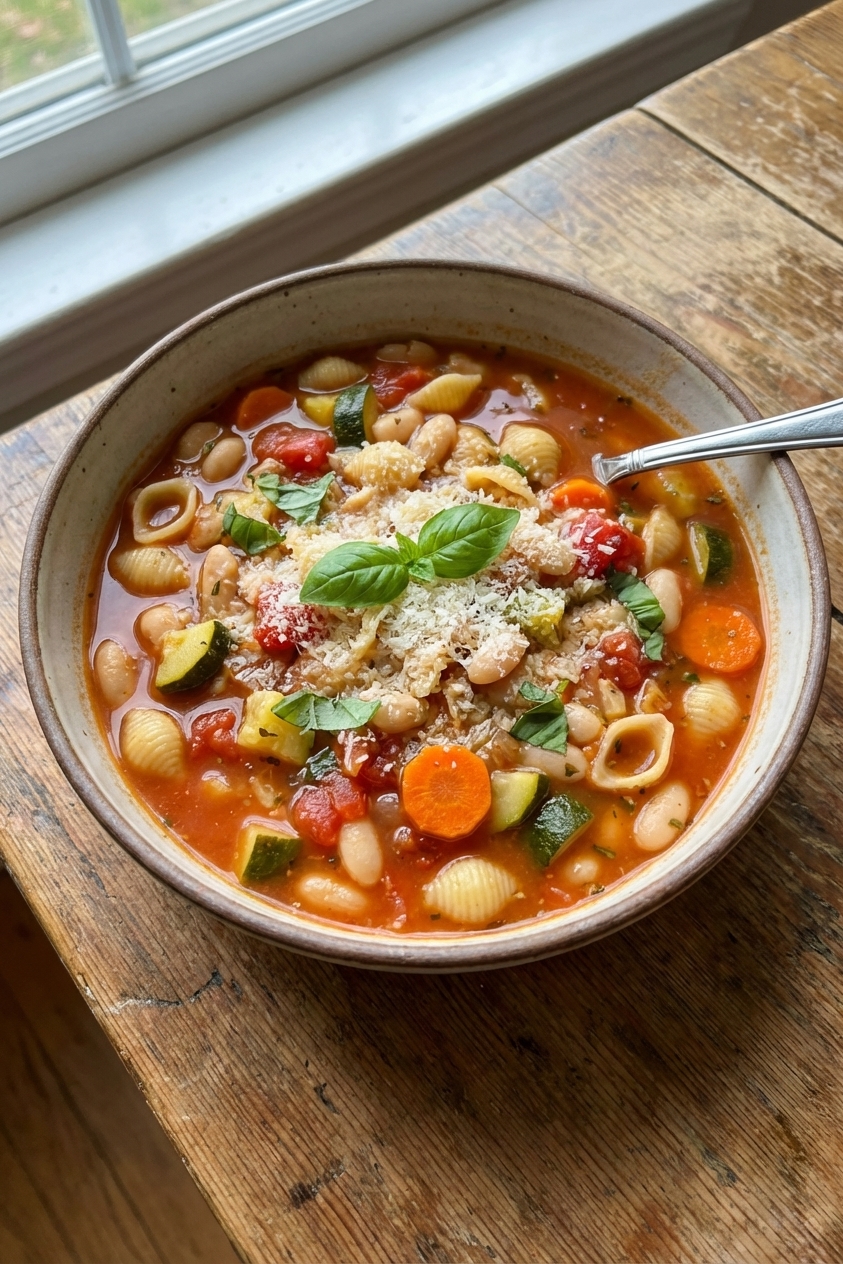
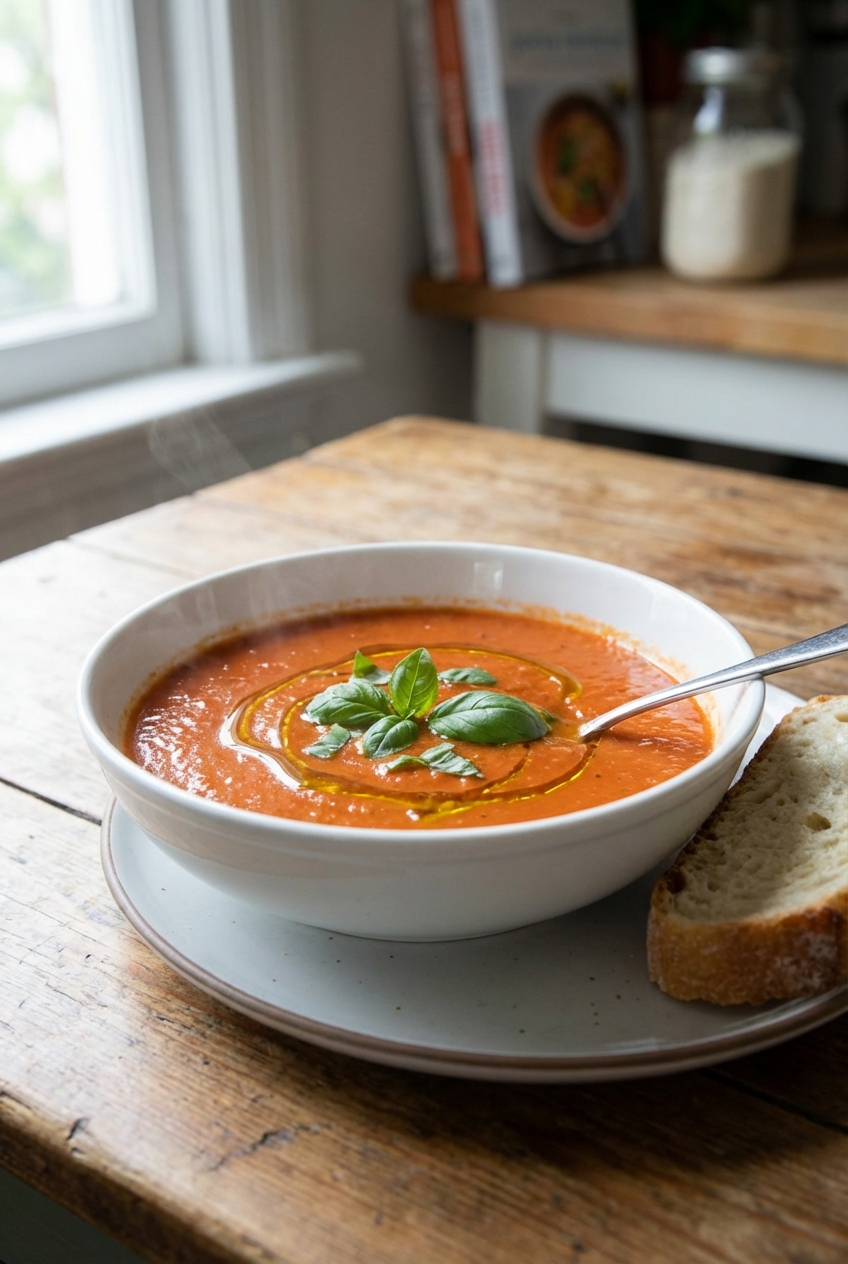
  • A bowl of tomato basil soup with a swirl of cream on a wooden table

    Tomato Basil Soup

  • A cutting board with olive oil, balsamic vinegar, flaky salt, and torn bread for dipping

    Olive Oil and Balsamic Dip

  • A grilled chicken sandwich on ciabatta with lettuce and sliced tomato

    Grilled Chicken Ciabatta Sandwich

  • A tray of roasted vegetables with browned edges and fresh herbs

    Sheet Pan Roasted Vegetables

Storage Tips

Keep It Crispy

Day 1 to 2 (best texture): Store ciabatta cut-side down on a cutting board or loosely wrapped in paper. Avoid airtight plastic at room temp unless you like a softer crust.

Day 3 and beyond: Slice, then freeze in a zip-top bag. Grab what you need and toast straight from frozen.

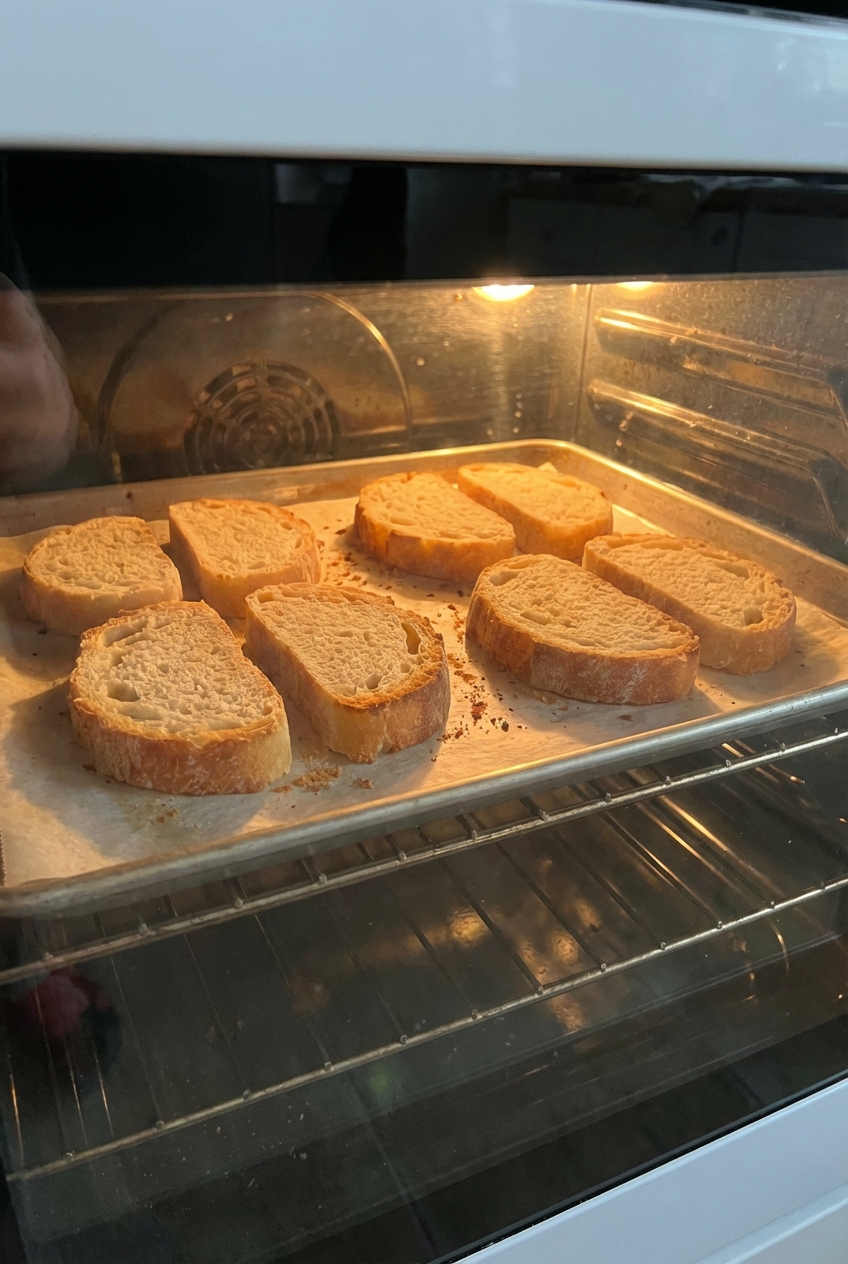
To revive a stale loaf: This trick is for a fully baked loaf. Run just the crust quickly under water for 2 to 3 seconds, then bake at 400°F for 8 to 12 minutes until the crust re-crisps. It sounds weird. It works.

Sliced ciabatta bread being toasted on a baking sheet in an oven

Common Questions

Why is my dough so sticky?

Ciabatta dough is supposed to be sticky. Resist the urge to add a bunch of flour. Instead, use wet hands, a bowl scraper, and a few stretch-and-folds to build strength without drying it out.

Do I need a stand mixer?

Nope. A mixer helps, but you can absolutely do this by hand using a spoon and a few folds. Time does a lot of the work here.

How do I get bigger holes?

Three things: keep hydration high, do gentle folds, and handle the dough like it is full of tiny balloons. When you shape, press as little as possible. Also, make sure the dough is properly proofed so it is airy before baking.

Can I use all-purpose flour instead of bread flour?

Yes. Bread flour gives a chewier crumb and a bit more height, but all-purpose still makes great ciabatta. If using all-purpose, keep your folds consistent and avoid over-flouring during shaping.

Do I have to dissolve the yeast first?

If you are using instant yeast, you can mix it right in. If you are using active dry yeast, dissolve it in the warm water first and let it sit 5 to 10 minutes until foamy.

How do I add steam without a fancy oven?

Put an empty rimmed metal pan (not glass) on the bottom rack while the oven preheats. When you load the bread, carefully pour about 1 cup of hot water into that pan and close the door fast. Steam early helps crust and oven spring. Please be careful: the steam is intense and it can splatter.

I was originally chasing “perfect” bread like it was a badge I had to earn. Then I made ciabatta and realized it is happier when you stop micromanaging it. The first time I nailed it, the loaf looked slightly chaotic, flour everywhere, lopsided in a charming way, and the crust crackled when it cooled. I tore off a piece, dipped it in olive oil, and just stood there chewing like I had discovered fire. Now it is my go-to when I want something impressive that still feels like a friend made it in their own kitchen.