Mom's Best Recipes
Recipe

Hearty Beef Stew

Deep, cozy flavor with fall-apart beef, tender potatoes and carrots, and a glossy broth that tastes like you worked way harder than you did.

Author By Matt Campbell
4.8
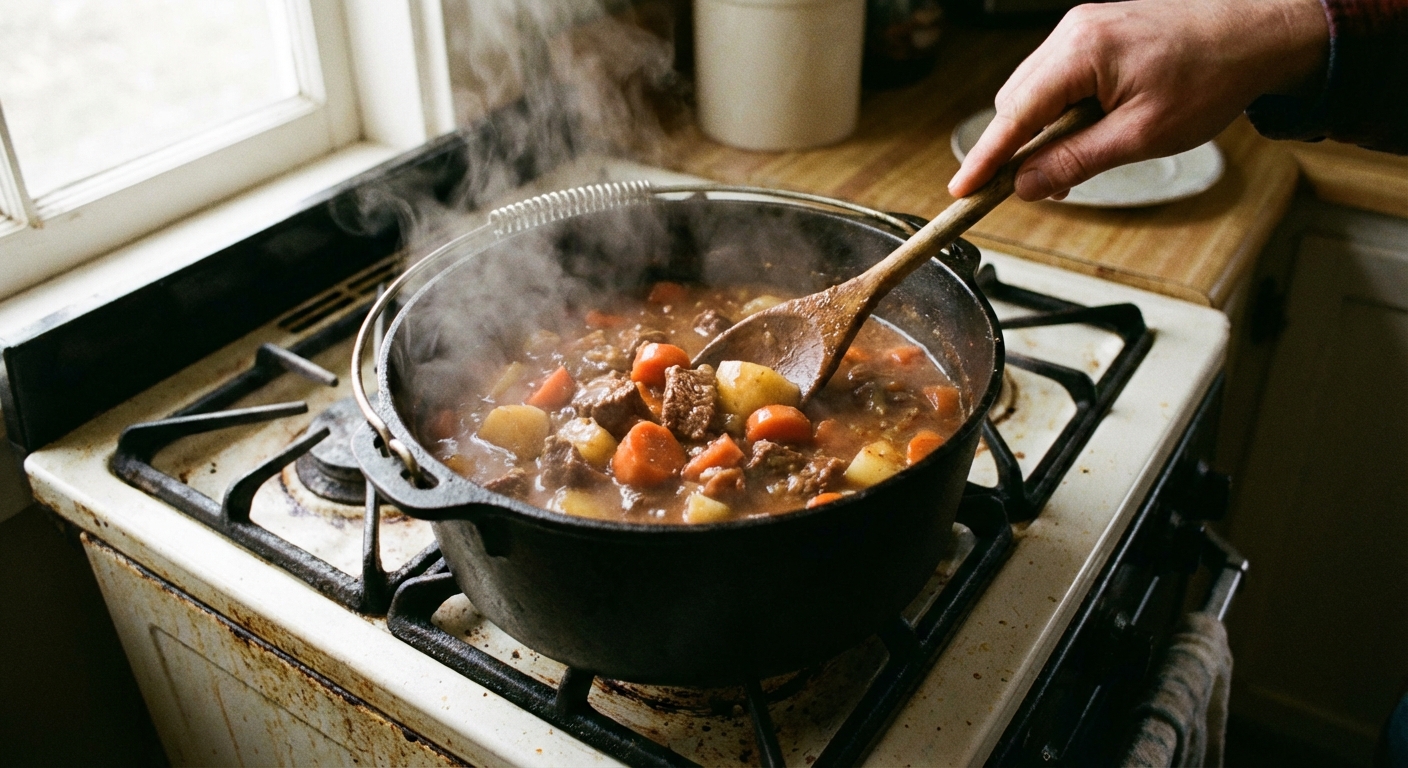
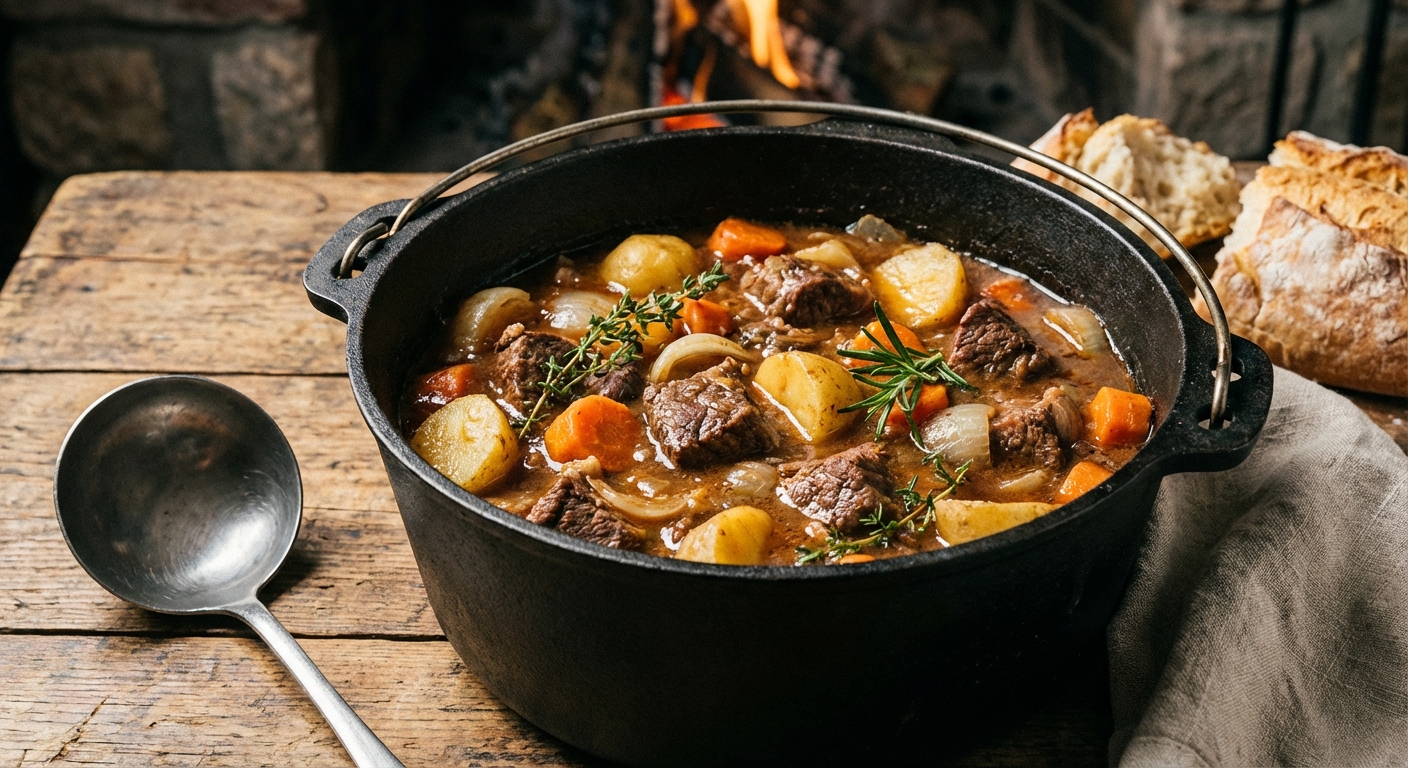
A Dutch oven filled with hearty beef stew with chunks of beef, potatoes, carrots, and herbs, sitting on a wooden table with a ladle resting beside it

Beef stew is the culinary equivalent of a warm hoodie that still smells faintly like laundry day. It is forgiving, low drama, and it makes your kitchen smell like someone responsible lives there. This version is built for real weeknights and lazy Sundays: big sear, quick aromatics, a little tomato for depth, and enough simmer time to turn inexpensive beef into something spoon-tender and suspiciously impressive.

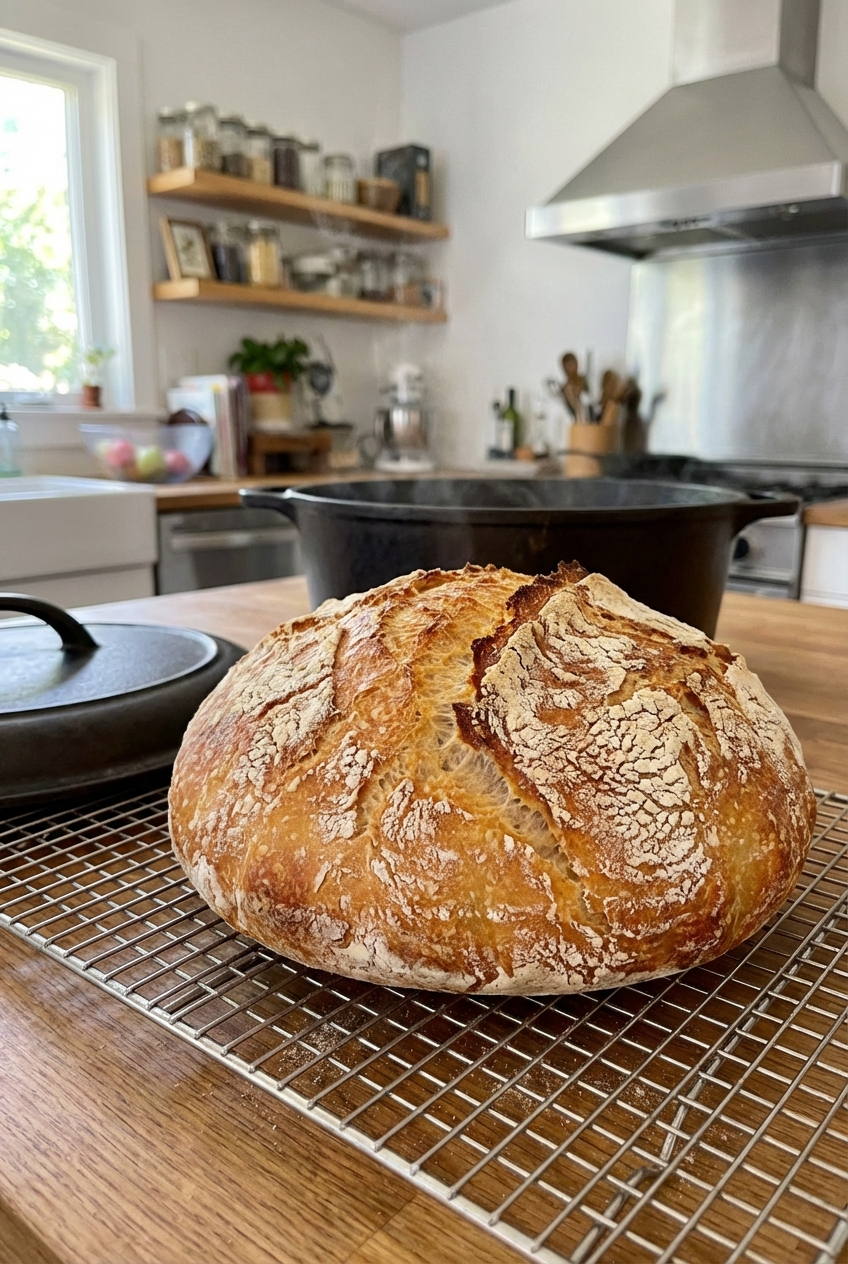
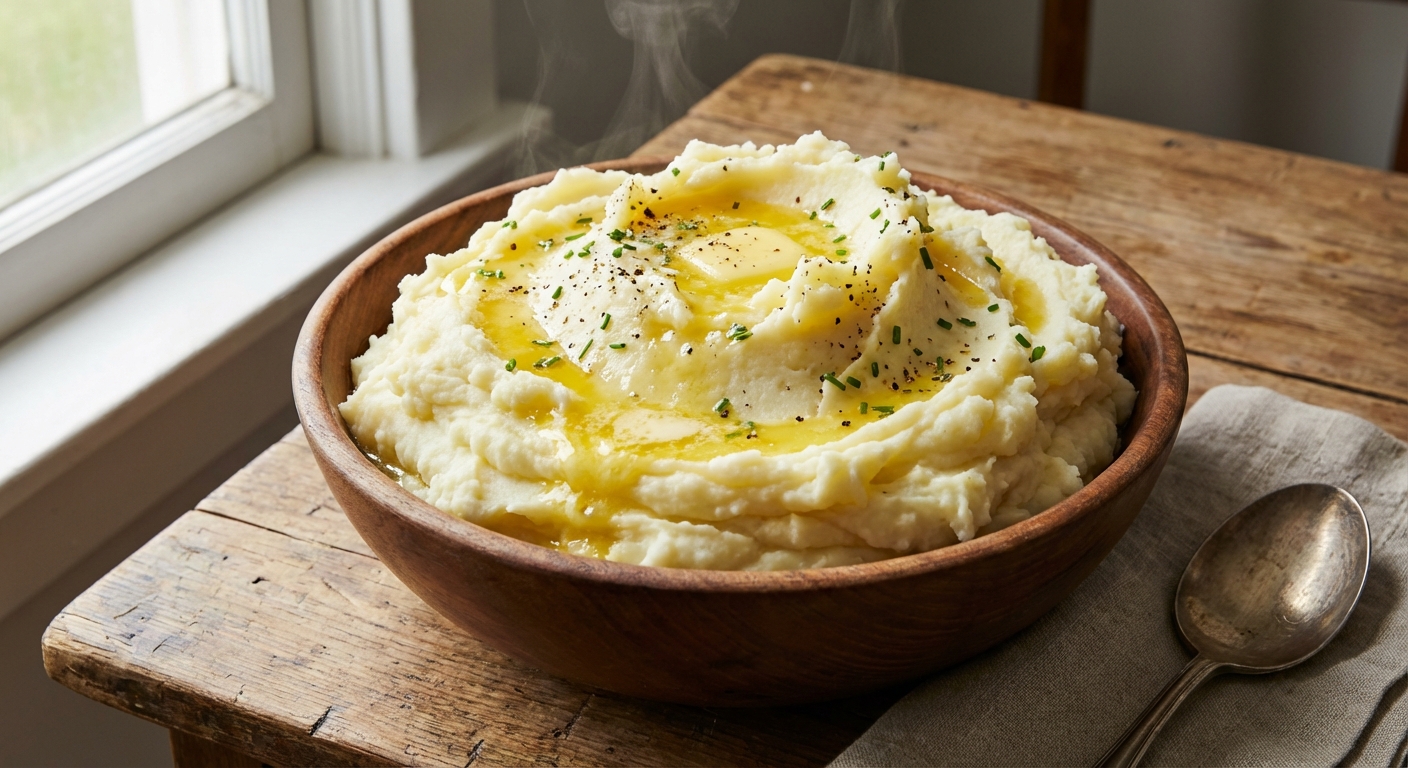
The goal is not just “meat and veg in brown liquid.” We are going for silky, savory gravy, vegetables that hold their shape, and beef that yields like it has been emotionally supported. Serve it with crusty bread, buttered noodles, or a mashed potato situation that you do not have to justify to anyone.
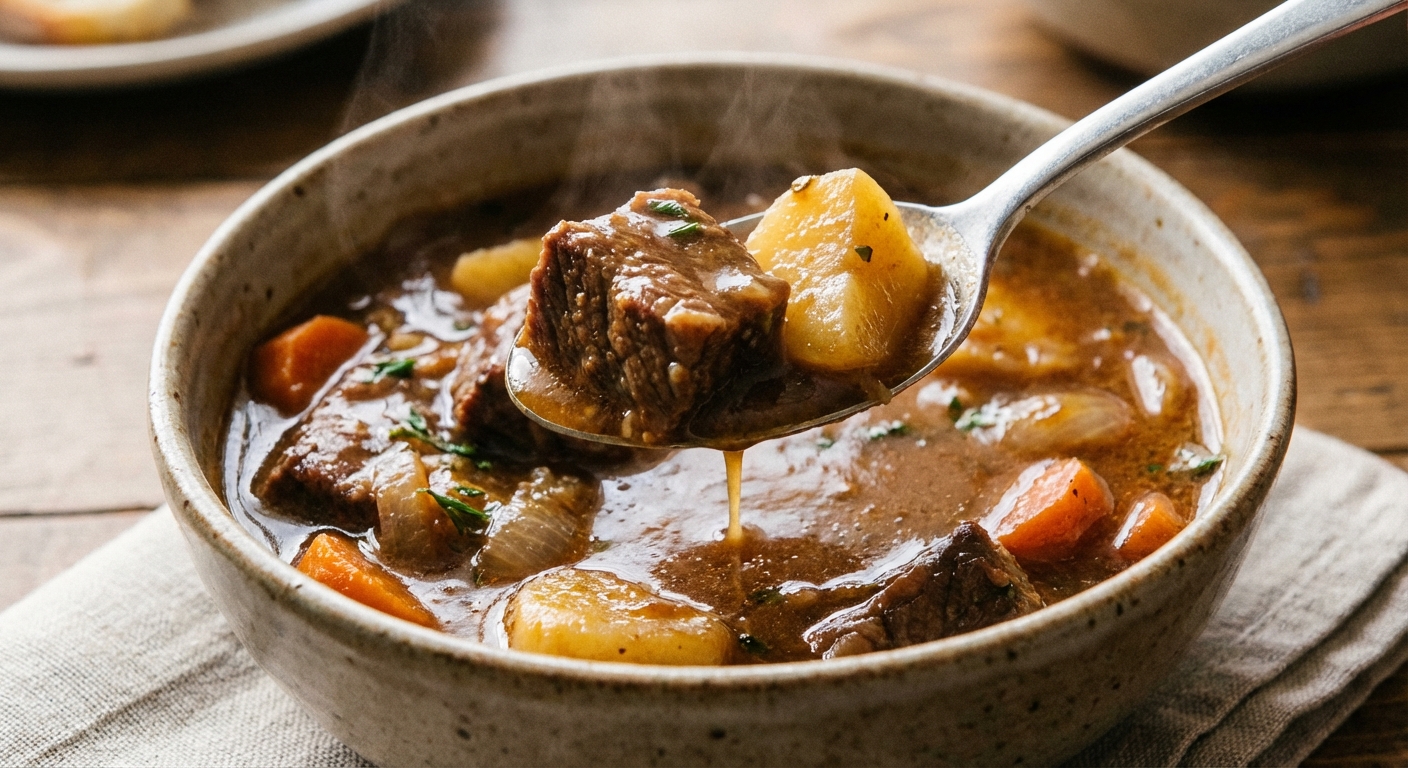
A close-up photo of a spoon lifting tender beef and potatoes from a bowl of beef stew with a rich brown broth

Why It Works

  • Flavor starts with a real sear. Browning the beef creates fond, which is basically free flavor glued to the pot. We dissolve it with wine or broth and pretend we planned it that way.
  • Tomato paste plus thyme equals depth. Briefly cooking tomato paste caramelizes it and rounds out the broth so it tastes slow-cooked, even if you are not.
  • Flour does the thickening early. Tossing beef with flour gives you a natural, glossy stew without cornstarch panic at the end.
  • Veg timing keeps things tender, not mushy. Carrots and potatoes go in after the beef has started to soften, so they do not dissolve into beige heartbreak.
  • A bright finish wakes it up. A splash of vinegar or lemon at the end makes everything taste more beefy, not more sour.

Storage Tips

Stew leftovers are elite. The flavors mingle overnight and suddenly your Tuesday lunch feels like a reward.

Refrigerator

  • Cool stew quickly, then store in an airtight container for up to 4 days.
  • As it chills, it will thicken. That is normal and kind of the point.

Freezer

  • Freeze in portions for up to 3 months. Leave a little headspace because liquids expand.
  • Potatoes can get slightly grainy after freezing. If that bothers you, freeze without potatoes and add fresh cooked potatoes when reheating.

Reheating

  • Stovetop: warm gently over medium-low, stirring occasionally. Add a splash of broth or water if it is too thick.
  • Microwave: cover loosely and heat in intervals, stirring between rounds for even warmth.
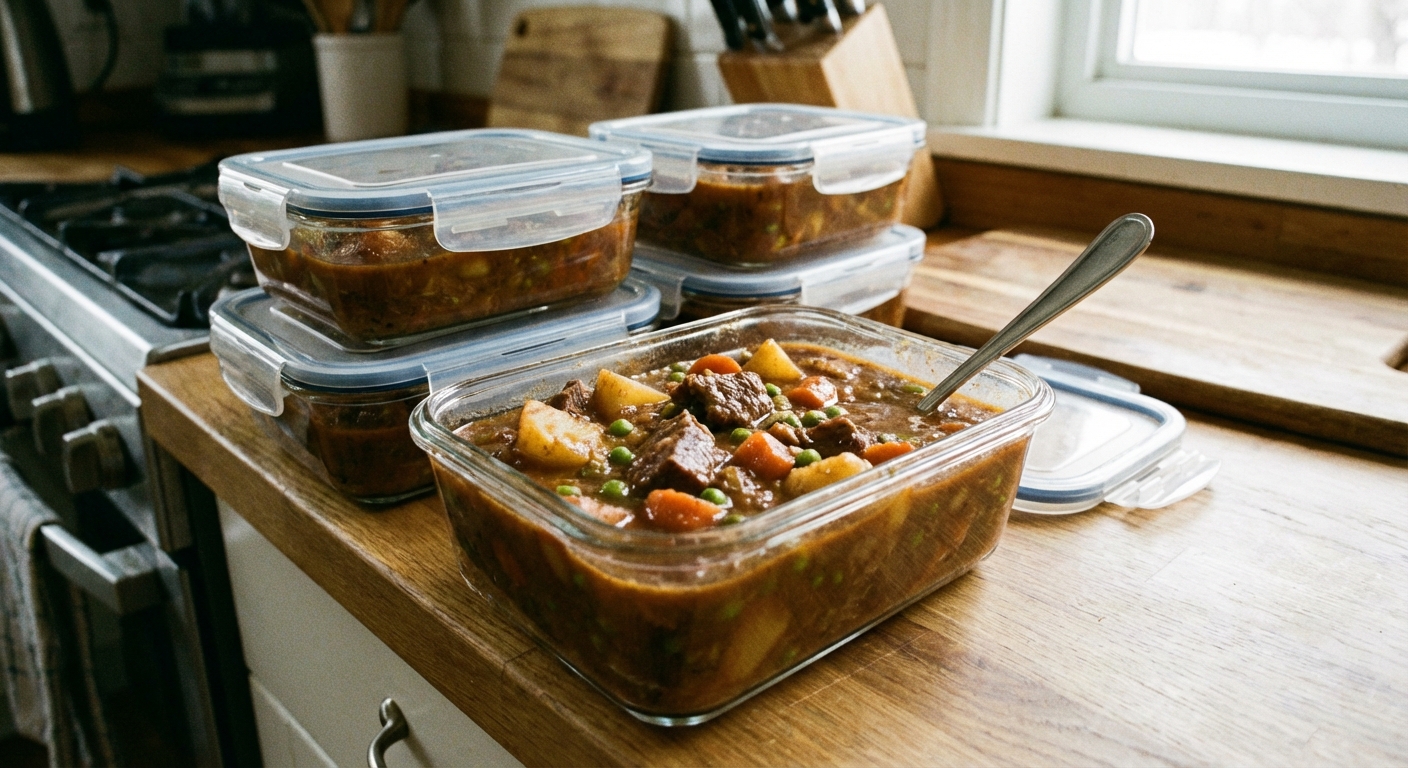
A real photo of beef stew in meal prep containers with one container open showing thick stew and a spoon

Common Questions

What cut of beef is best for stew?

Chuck roast is the classic because it has enough marbling and connective tissue to become tender with time. Look for “chuck roast” or “stew meat” cut from chuck. If using pre-cut stew meat, pick pieces with some fat and avoid anything that looks too lean and smooth.

Do I have to use wine?

Nope. Wine adds complexity, but you can swap it for extra beef broth. If you skip wine, add 1 tablespoon balsamic vinegar at the end to bring a similar brightness.

Why is my beef stew tough?

It usually needs more time, not more effort. Tough beef is undercooked beef. Keep the stew at a gentle simmer (not a rolling boil) and give it another 20 to 40 minutes. Also make sure you are using a braising-friendly cut like chuck.

How do I thicken beef stew?

This recipe thickens from flour on the beef. If you want it thicker, simmer uncovered for 10 to 15 minutes. For an emergency fix, mash a few potato chunks into the broth, or stir in a cornstarch slurry (1 tablespoon cornstarch mixed with 1 tablespoon cold water) and simmer 2 minutes.

Can I make this in a slow cooker?

Yes, with one small extra step that makes it taste like you cared: brown the beef and saute the aromatics first. Then transfer to a slow cooker with the remaining ingredients (hold potatoes until the last 2 to 3 hours so they do not disintegrate). Cook on Low 8 hours or High 4 to 5 hours.

Can I add peas or mushrooms?

Absolutely. Add mushrooms when you add the potatoes and carrots so they stay pleasantly meaty. Add frozen peas in the last 5 minutes, just to warm through.

I started making beef stew when I realized two things: first, my winter personality is 70 percent cardigan. Second, I will absolutely buy a too-large chuck roast “because it was on sale” and then stare at it like it is a final exam. This stew is my favorite way to turn that roast into a meal that feels like a hug, only louder and with potatoes.

It is also my go-to “leftovers glow-up” plan. Day two stew over toasted bread is basically a bistro moment. Day three, I have been known to ladle it over mashed potatoes and call it innovation. Nobody has to know how easy it was.