Mom's Best Recipes
Recipe

Hearty New York Strip Steak

Golden crust, juicy center, and a garlicky butter pan sauce that tastes like steakhouse night without the white tablecloth.

Author By Matt Campbell
4.9
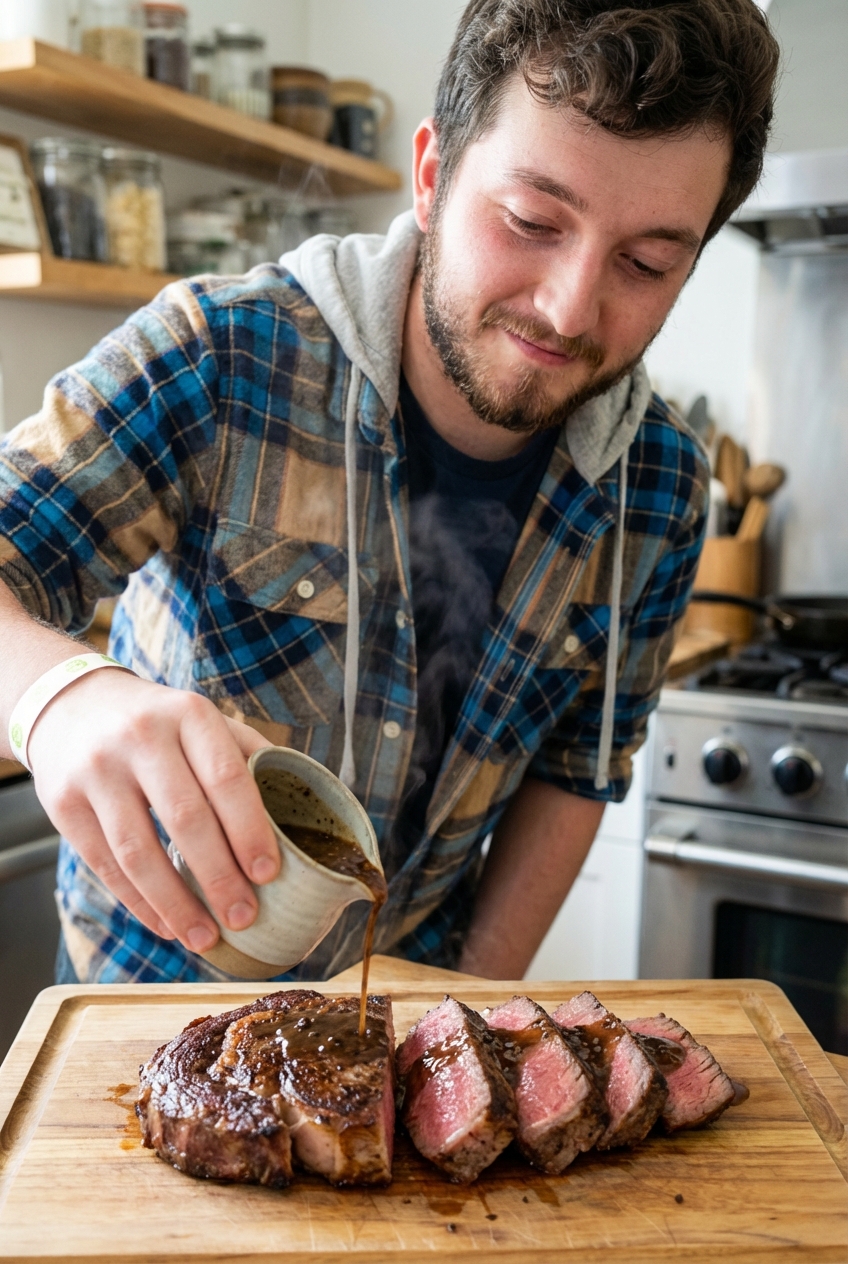
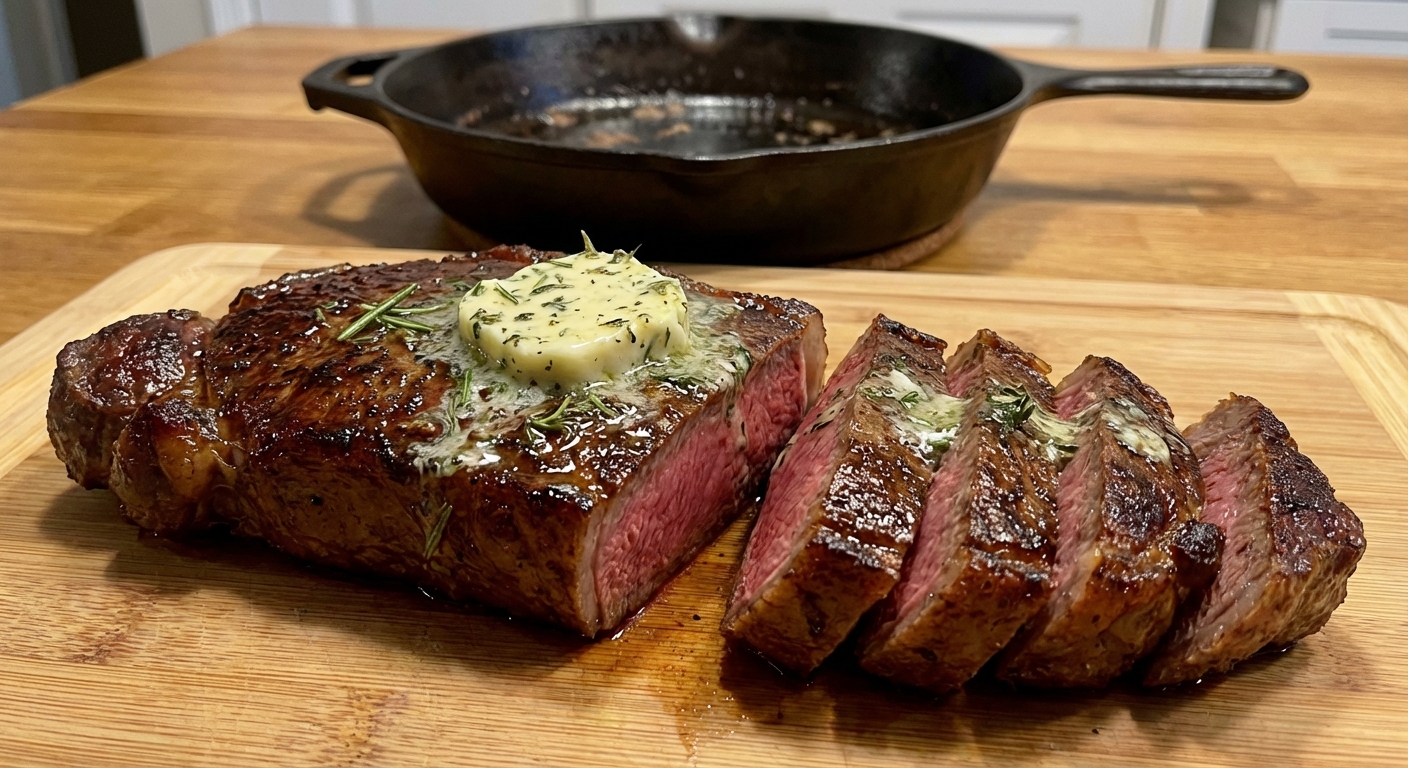
A sliced New York strip steak with a deep brown crust on a cutting board, topped with melting garlic herb butter, with a cast iron skillet in the background

If you want a dinner that feels a little decadent but still totally doable on a Tuesday, New York strip is your move. It’s bold, beefy, and as long as you keep an eye on temperature, it’s very doable without a sous vide setup or a chef coat. You just need a hot pan, a little patience, and the confidence to let the steak do its thing.

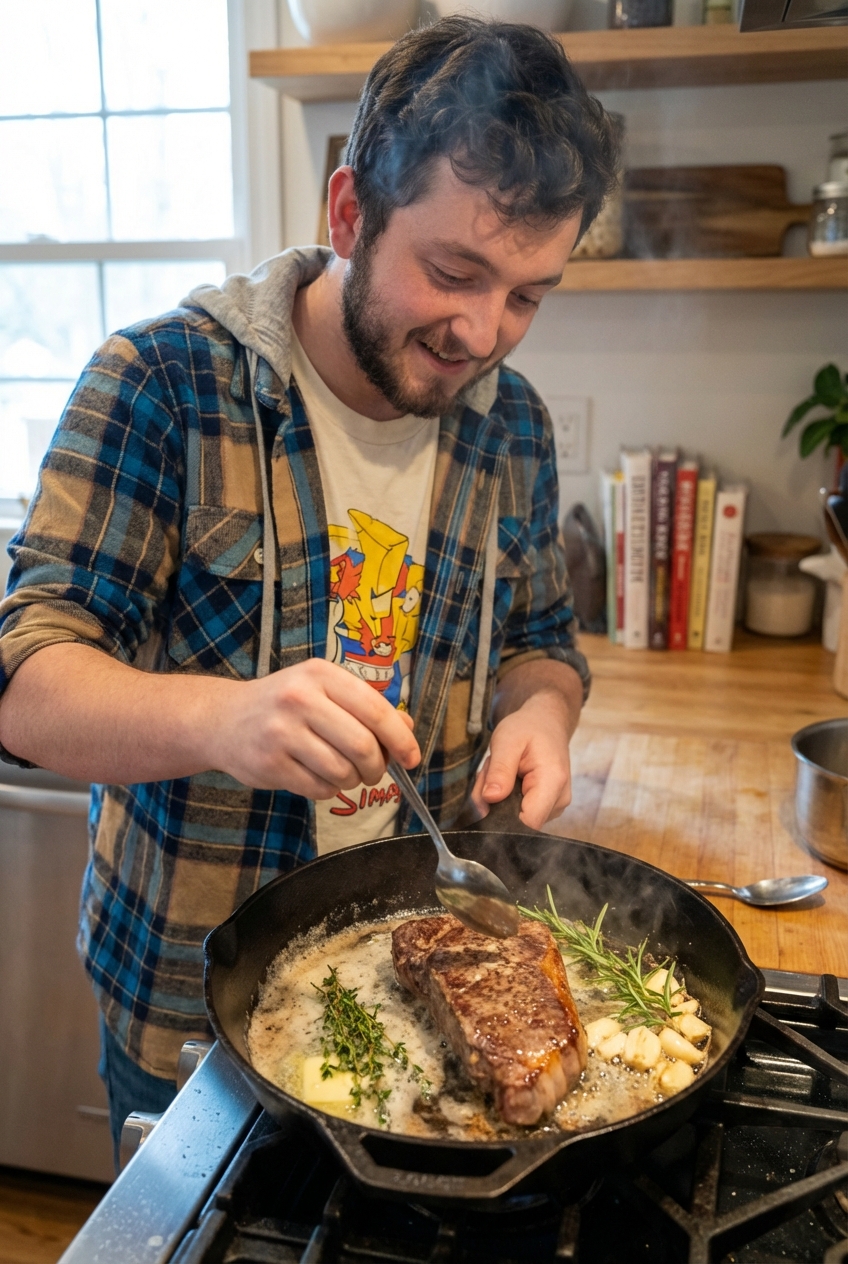
This recipe is my favorite kind of chaos: simple steps, big payoff. We season hard, sear fast, baste with butter, and finish with a quick pan sauce that tastes bright and rich at the same time. It’s the kind of bite that makes you stop mid-chew and go, “Okay, wow.”

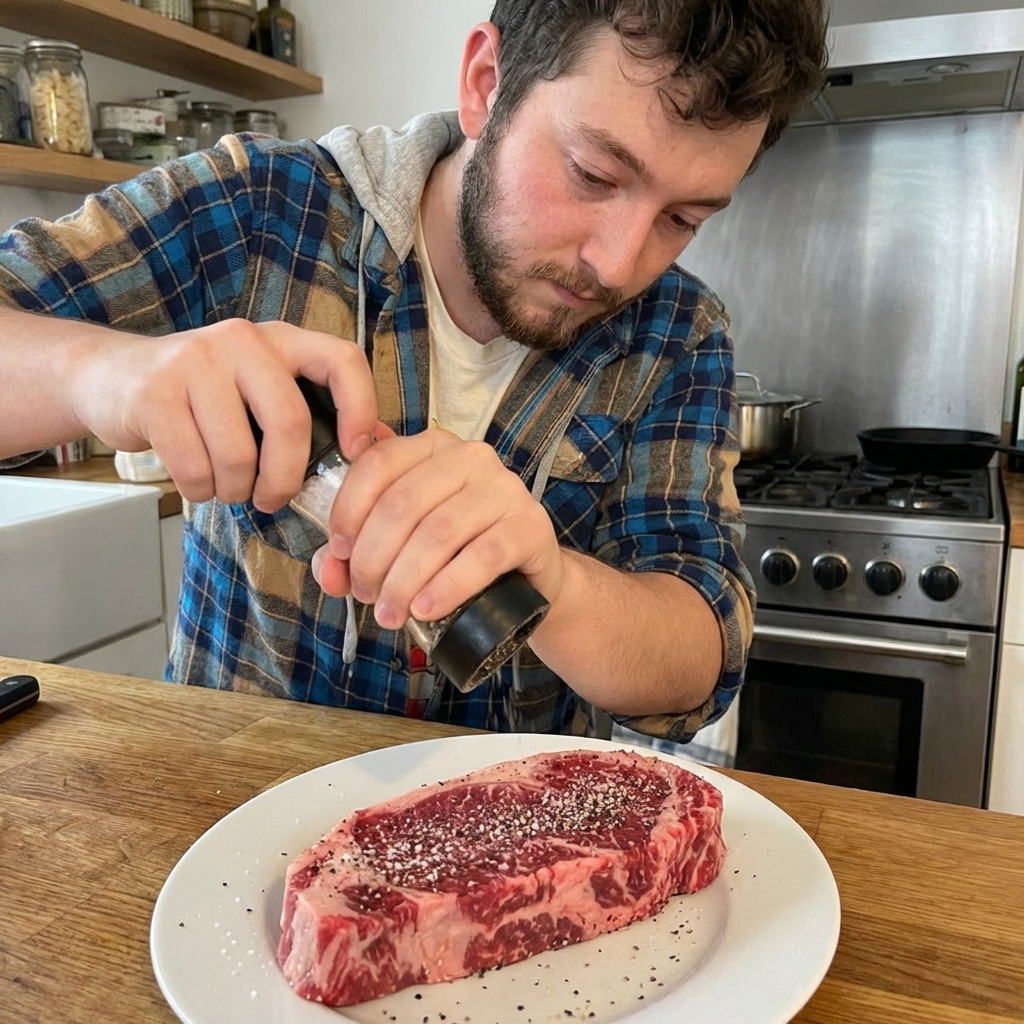
A raw New York strip steak on a plate being seasoned generously with salt and black pepper

Why It Works

  • Steakhouse crust at home: A ripping hot skillet plus a dry surface gives you those crisp, browned edges.
  • Juicy, tender interior: We use temperature targets and a real rest, so the juices stay in the steak, not on your cutting board.
  • Decadent pan sauce, minimal effort: Butter, garlic, herbs, and a splash of stock plus lemon make a glossy sauce in minutes.
  • Accessible ingredients: No fancy rubs required. Salt, pepper, and a few pantry staples carry the flavor.

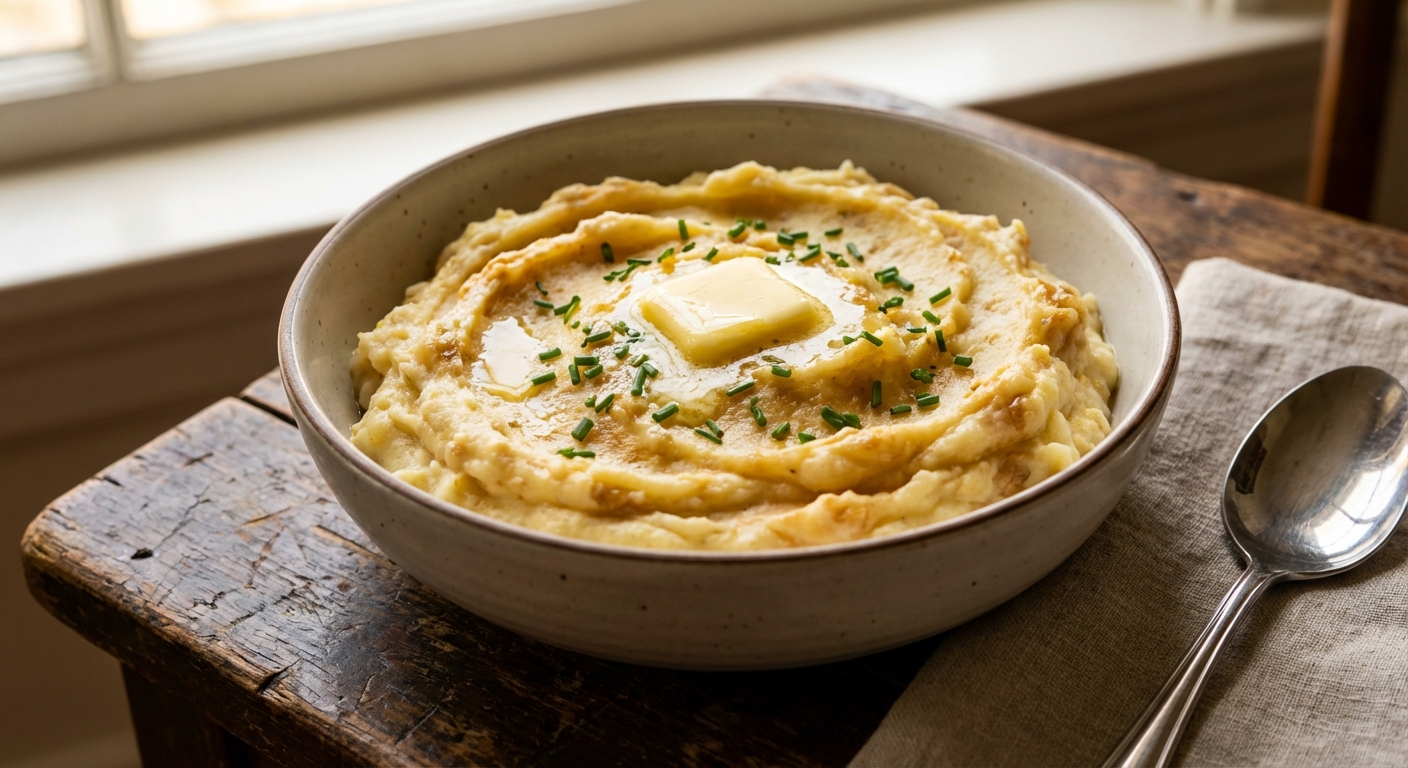
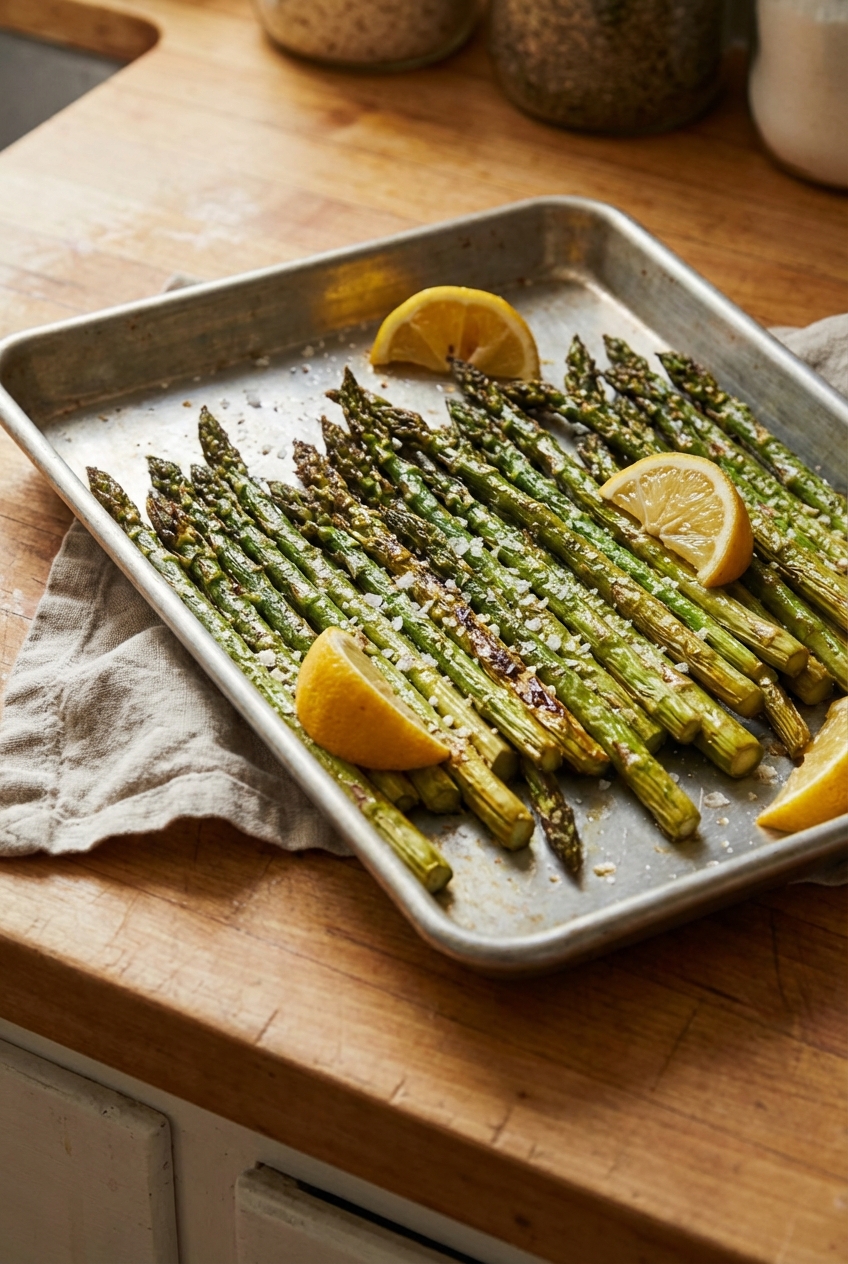
Pairs Well With

Storage Tips

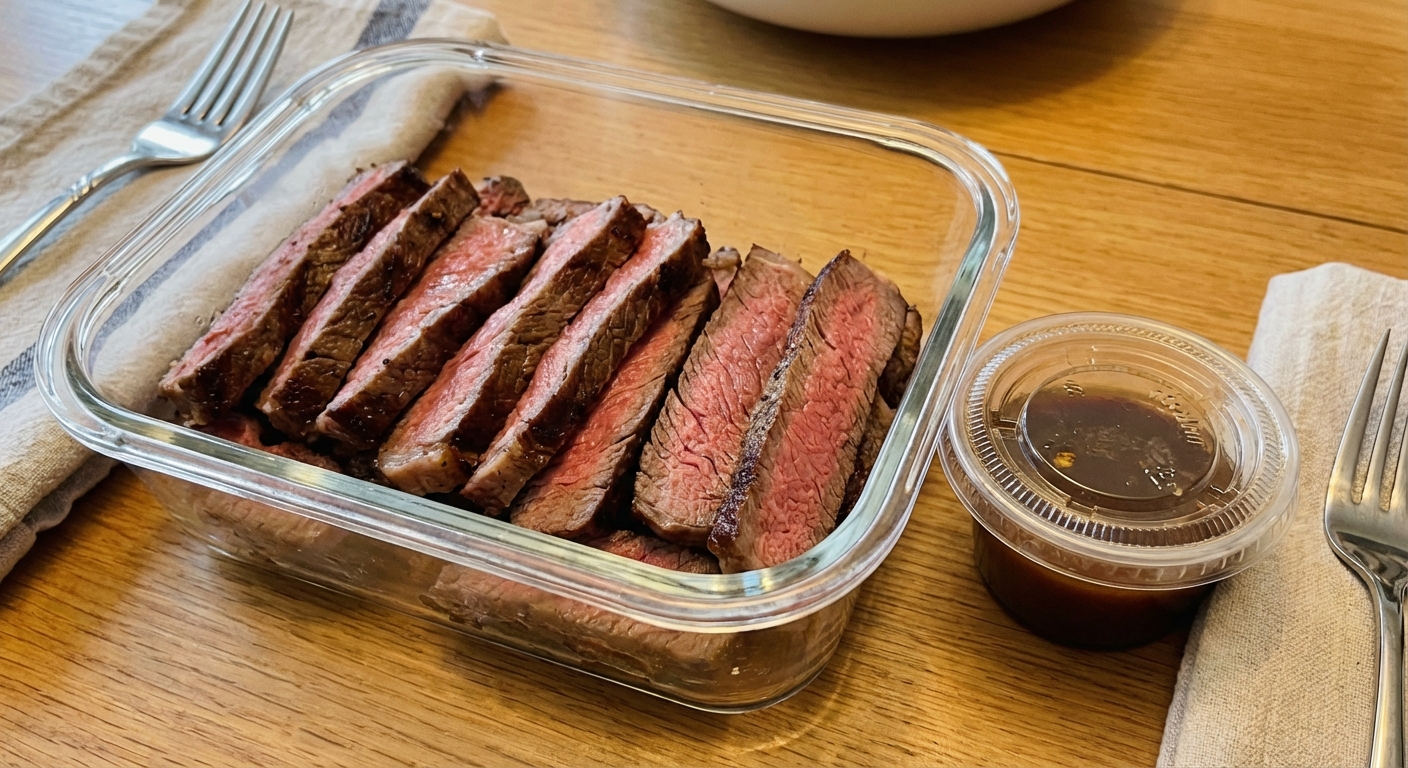
Fridge: Cool leftovers, then store steak and sauce in separate airtight containers for up to 3 to 4 days.

Best way to reheat (so it stays tender): Slice the steak, then warm it gently in a skillet over low heat with a splash of broth or water. Pull it as soon as it’s just warmed through. Strip steak goes from “love this for us” to “why is it chewy” real fast if you overdo it.

Microwave option: Use 50% power in short bursts, with a damp paper towel over the steak. Not glamorous, but it works.

Freeze: You can freeze cooked steak for up to 2 months for best quality. Thaw overnight in the fridge. The texture is best if you freeze it sliced and use it later for sandwiches, steak salads, or fried rice.

Sliced cooked steak stored in a glass container with a lid, with a small container of sauce beside it

Common Questions

What is the best thickness for New York strip?

Aim for 1 to 1 1/2 inches. Thinner steaks cook fast and can overshoot your target before the crust is even flirting with perfect.

Does thickness change the timing?

Yes. A 1-inch strip can hit temp noticeably sooner than a 1 1/2-inch strip. Use the times as a guide, but start checking temp earlier on thinner steaks, especially right after the flip.

Do I need to bring the steak to room temperature?

You don’t have to. It helps a little with even cooking, but the bigger deal is making sure the surface is dry. Pat it down well, then season.

Why is my steak not getting a good sear?

Usually one of three things: the pan isn’t hot enough, the steak is wet, or the pan is crowded. Use a heavy skillet, preheat until it’s properly hot, and don’t move the steak around. If your steaks are huge and cramped, cook one at a time.

How do I know when it’s done without cutting it open?

A thermometer is the easiest win. These are pull temps (because carryover cooking is real). Pull at 125°F for medium-rare or 135°F for medium, then rest. Depending on thickness, it can rise about 5 to 10°F as it sits.

Can I use a nonstick pan?

I wouldn’t. Nonstick isn’t built for the heat you want for a great crust. Cast iron or stainless steel is the move.

Is strip steak the same as sirloin?

No. New York strip comes from the short loin and is typically more tender and richly marbled than most sirloin cuts.

Can I salt it ahead of time?

Absolutely. If you’ve got the time, salt the steak and let it sit uncovered in the fridge for 45 minutes to overnight. That dry-brine moment helps seasoning sink in and can level up the crust.

I started making strip steak at home because I wanted that steakhouse feeling without the steakhouse bill. The first time I tried, I babysat it like it was going to run away, flipping too much and panicking over every sizzle. The moment it clicked was when I finally let the pan get hot enough, dried the steak like I meant it, and trusted a thermometer more than my vibes.

Now it’s my go-to “we deserve something special” dinner. It’s also my favorite way to remind people that you can cook confidently and still keep it relaxed. The steak doesn’t need perfection, it needs heat, seasoning, and a good rest. Everything else is bonus butter.