Mom's Best Recipes
Recipe

Hearty Kimbap Recipe

Spiced, aromatic Korean rice rolls packed with savory beef, sesame-kissed rice, crisp veggies, and a punchy gochujang mayo for dipping.

Author By Matt Campbell
4.8
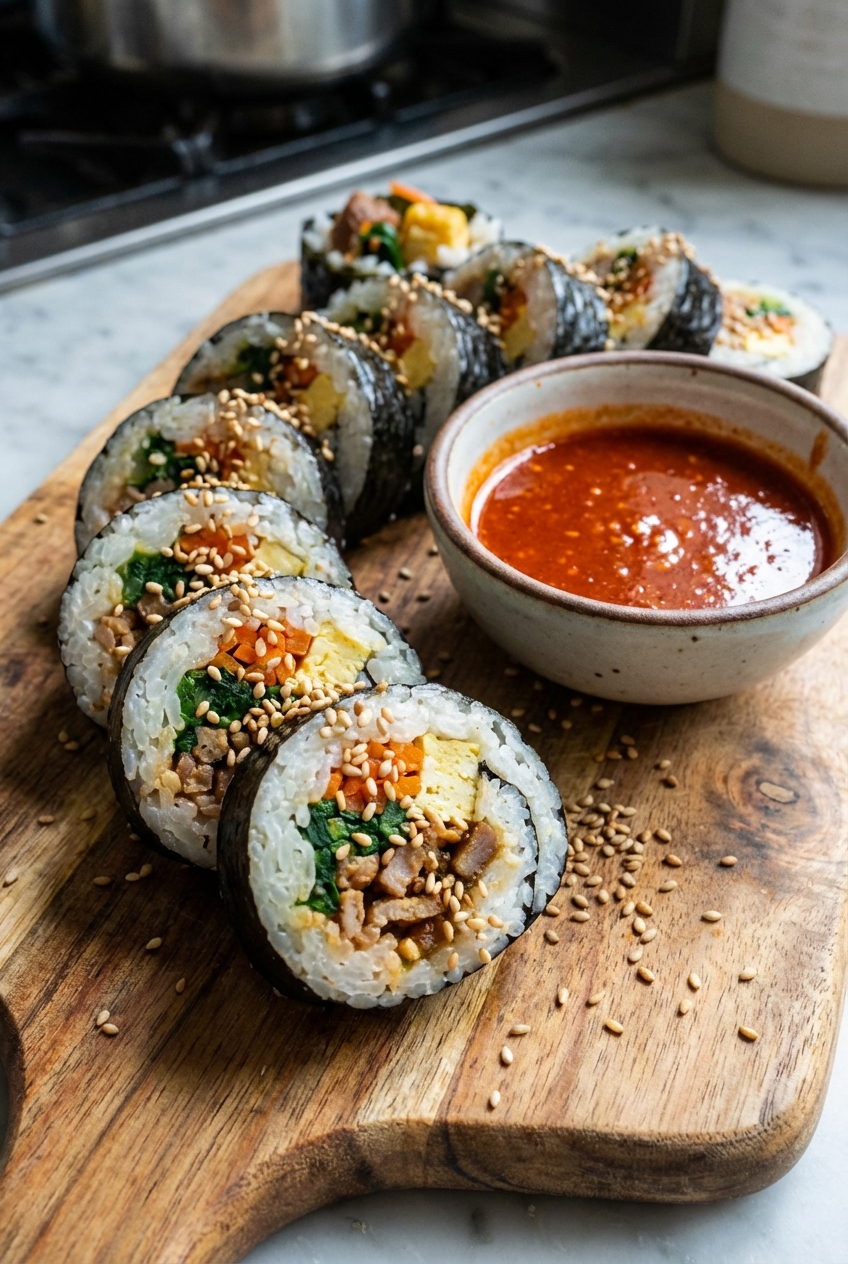
Sliced kimbap rolls on a wooden board with a small bowl of spicy dipping sauce and sesame seeds scattered nearby

Kimbap is the food I make when I want something that feels like a treat but still counts as a real meal. It is snacky and portable, but it can absolutely be hearty if you load it up with bold filling and season the rice like you mean it.

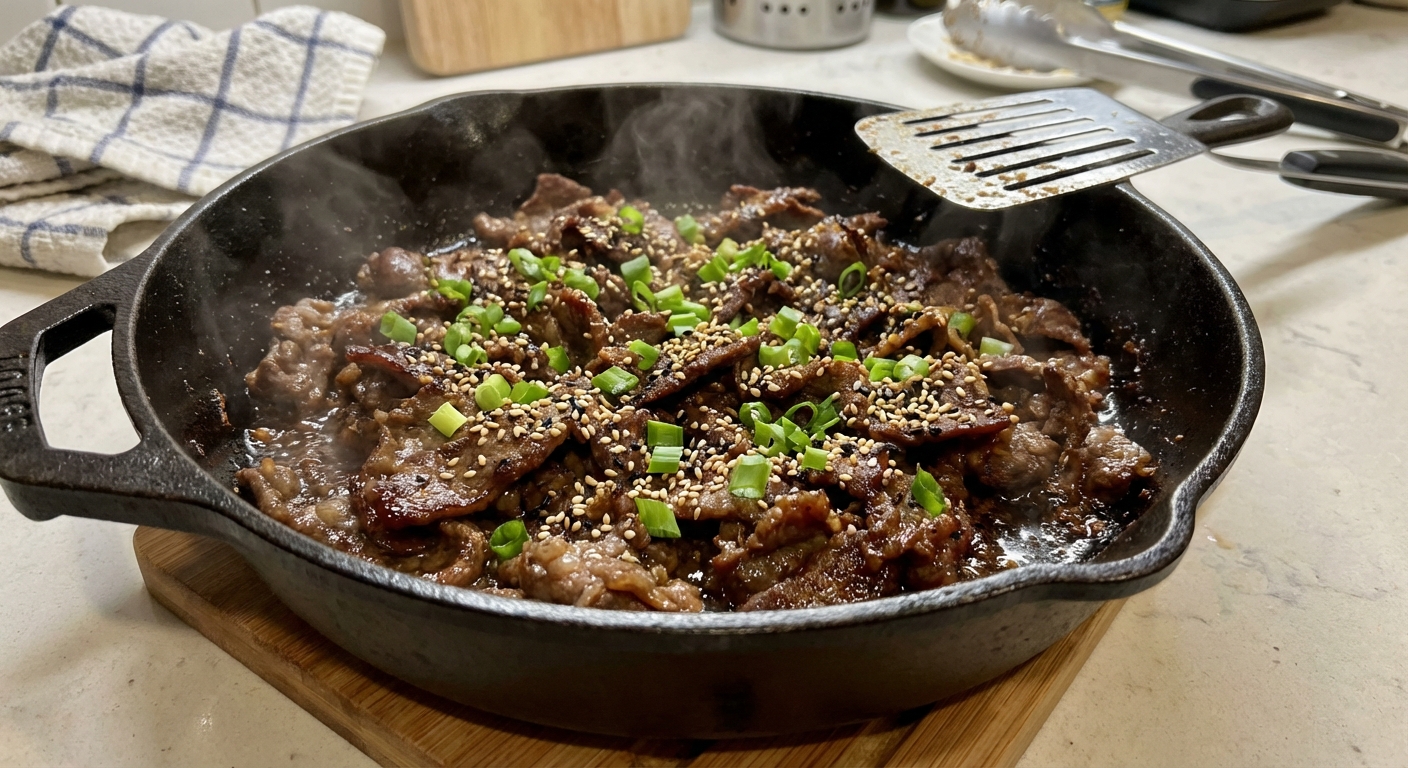
This version leans into warm aromatics: ginger, garlic, toasted sesame oil, and a little gochujang heat. The rice is seasoned, the beef is glossy and savory, and the veggies keep everything crisp so each bite hits that perfect balance of cozy and bright.
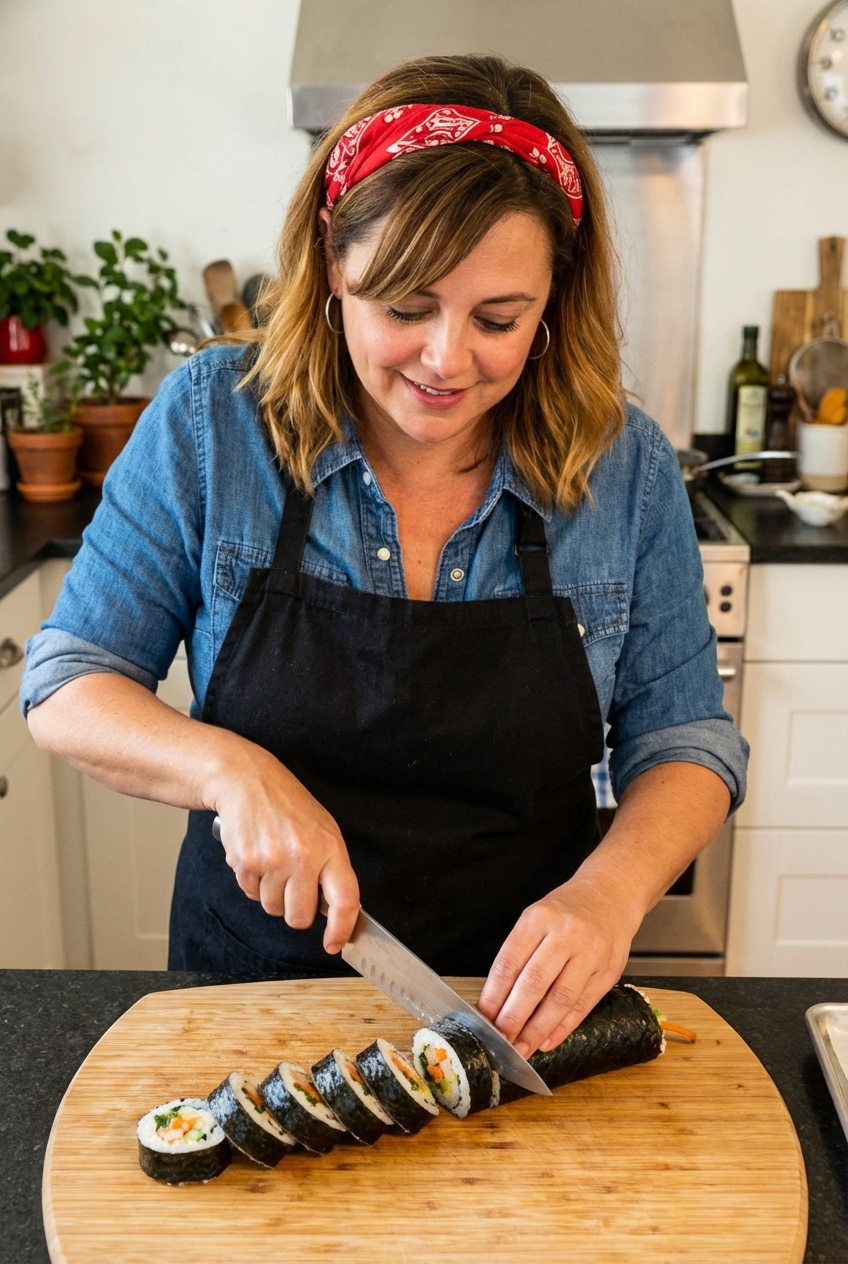
A chef's knife slicing a kimbap roll into even rounds on a cutting board

Why It Works

  • Big flavor without hard-to-find ingredients: gochujang, soy sauce, sesame oil, and rice vinegar do the heavy lifting.
  • Texture that stays interesting: tender beef, crunchy carrots and cucumber, and that clean snap of toasted seaweed.
  • Meal prep friendly: cook the beef and veggies ahead, then roll when you are ready.
  • No soggy roll panic: a few small tricks keep the rice fluffy and the seaweed pleasantly chewy, not wet.

Pairs Well With

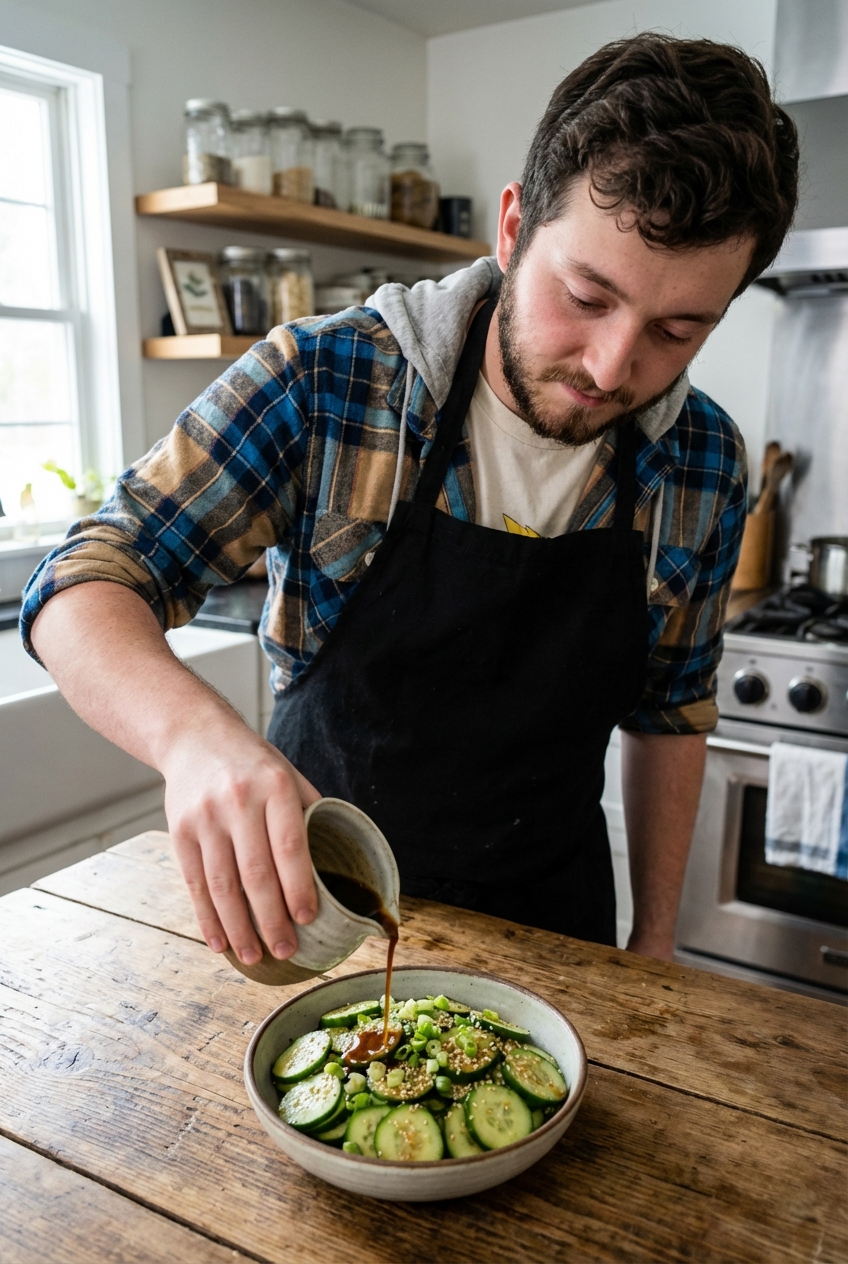
  • A small bowl of cucumber salad with sesame seeds and scallions

    Quick Sesame Cucumber Salad

  • Kimchi fried rice in a skillet topped with a fried egg

    Kimchi Fried Rice

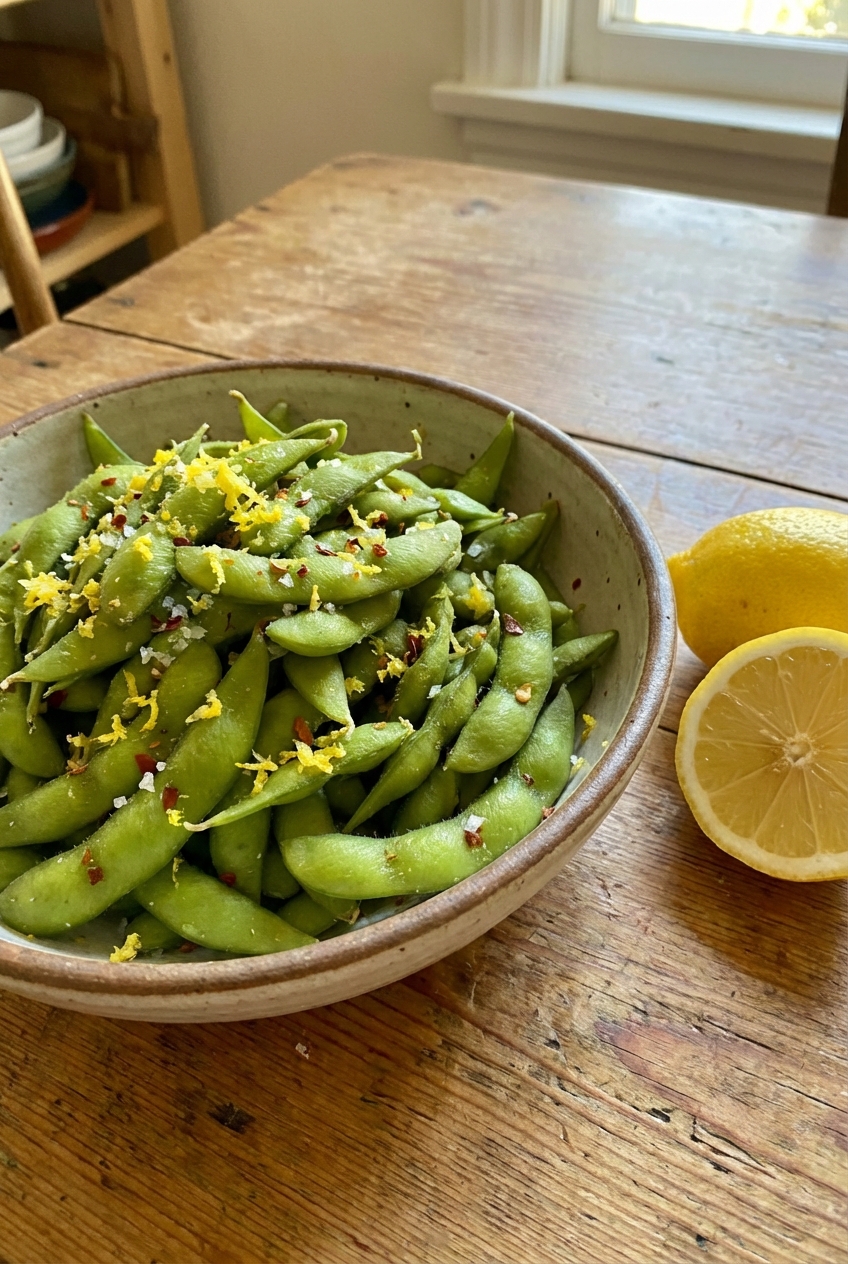
  • Edamame in a bowl with glossy soy garlic sauce

    Soy Garlic Edamame

  • A clear ginger broth soup with scallions in a ceramic bowl

    Simple Ginger Broth Soup

Storage Tips

Kimbap is best the day it is rolled, but you can still save leftovers without ending up with dry rice.

Food safety note

Because this has beef and egg, do not leave kimbap at room temperature for more than 2 hours (1 hour if it is very hot out).

Fridge (best within 24 hours)

  • Wrap whole rolls tightly in plastic wrap, then put them in an airtight container.
  • Store sliced pieces in a single layer if possible, with a piece of parchment between layers.

How to revive cold kimbap

  • Room temp: Let it sit 15 to 20 minutes before eating so the rice softens.
  • Quick pan warm: Lightly oil a nonstick skillet and warm slices 30 to 60 seconds per side. This makes the edges a little crisp, which I fully support.
  • Microwave option: Cover with a barely damp paper towel and heat in 10 second bursts until the rice is no longer stiff.

Freezing

I do not recommend freezing fully rolled kimbap. The rice texture takes a hit and the veggies weep. If you want a freezer-friendly plan, freeze the cooked beef filling only.

Common Questions

Is kimbap the same as sushi?

They are cousins, not twins. Kimbap is typically seasoned with sesame oil and salt, and the fillings are usually cooked or pickled. Sushi rice is seasoned with vinegar and sugar, and sushi often features raw fish. Both are delicious. Different vibes.

Do I have to use gimbap seaweed (gim)?

Toasted seaweed sheets labeled gim or nori both work. Gim can be a little more toasted and fragrant depending on the brand, which is perfect here.

What if I do not have a bamboo mat?

You can still roll it. Use a clean kitchen towel covered with plastic wrap, then roll firmly and evenly. A mat makes it easier, but it is not required.

How do I keep the roll from bursting?

Do not overfill, and leave a 1 inch border at the top of the seaweed so it can seal. Also, spread rice in a thin, even layer. Thick rice is the most common culprit.

Can I make this vegetarian?

Yes. Swap the beef for pan-fried tofu, sautéed mushrooms, or extra egg strips. Season the filling boldly so it still feels hearty.

Is there a more classic add-in?

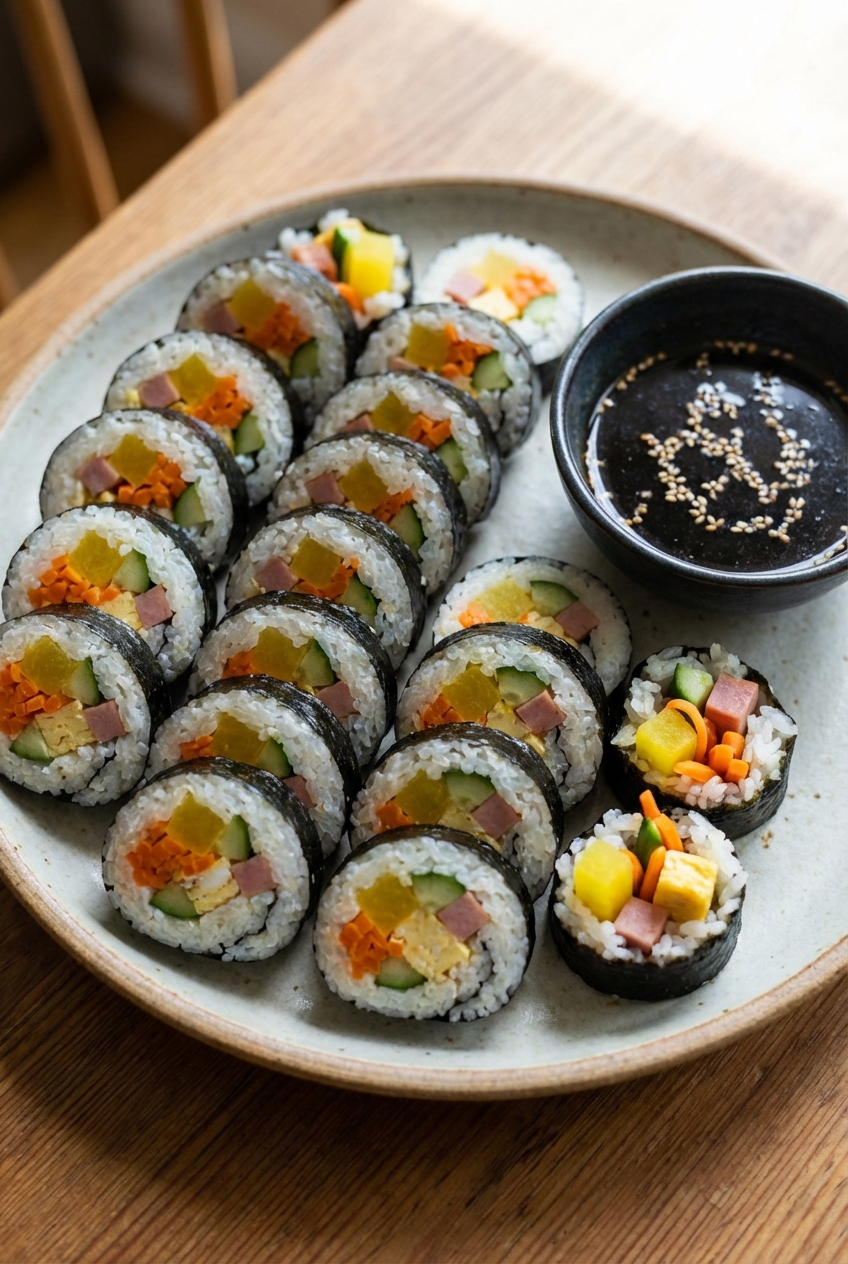
Totally. If you want a more traditional kimbap vibe, add a strip of danmuji (pickled yellow radish) to each roll. It brings sweetness, crunch, and that signature tang.

The first time I tried making kimbap at home, I treated it like a precision project. Measured everything. Overthought everything. And then I rolled it like I was afraid of hurting its feelings. The result was a sad, loose burrito that fell apart the second I looked at it.

Now I make kimbap the way I actually cook: taste as I go, season with confidence, and roll it like I mean it. This spiced, aromatic version is my favorite because it feels like a full meal in your hand, especially when the beef is warm and the rice smells like sesame.