Mom's Best Recipes
Recipe

Heirloom Baked Pork Chops

Old-school, pan-sauced pork chops baked until tender, then finished with a glossy onion gravy that clings to every bite.

Author By Matt Campbell
4.8
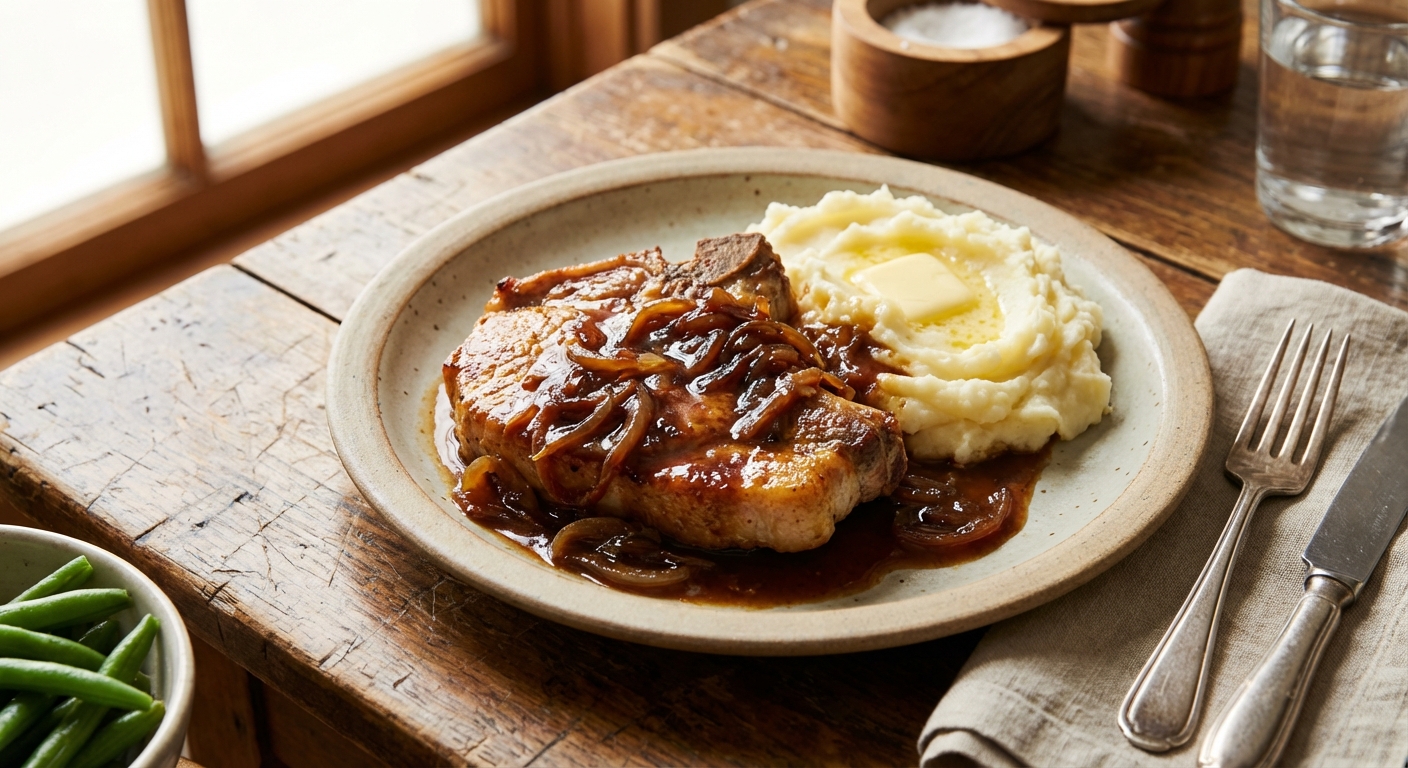
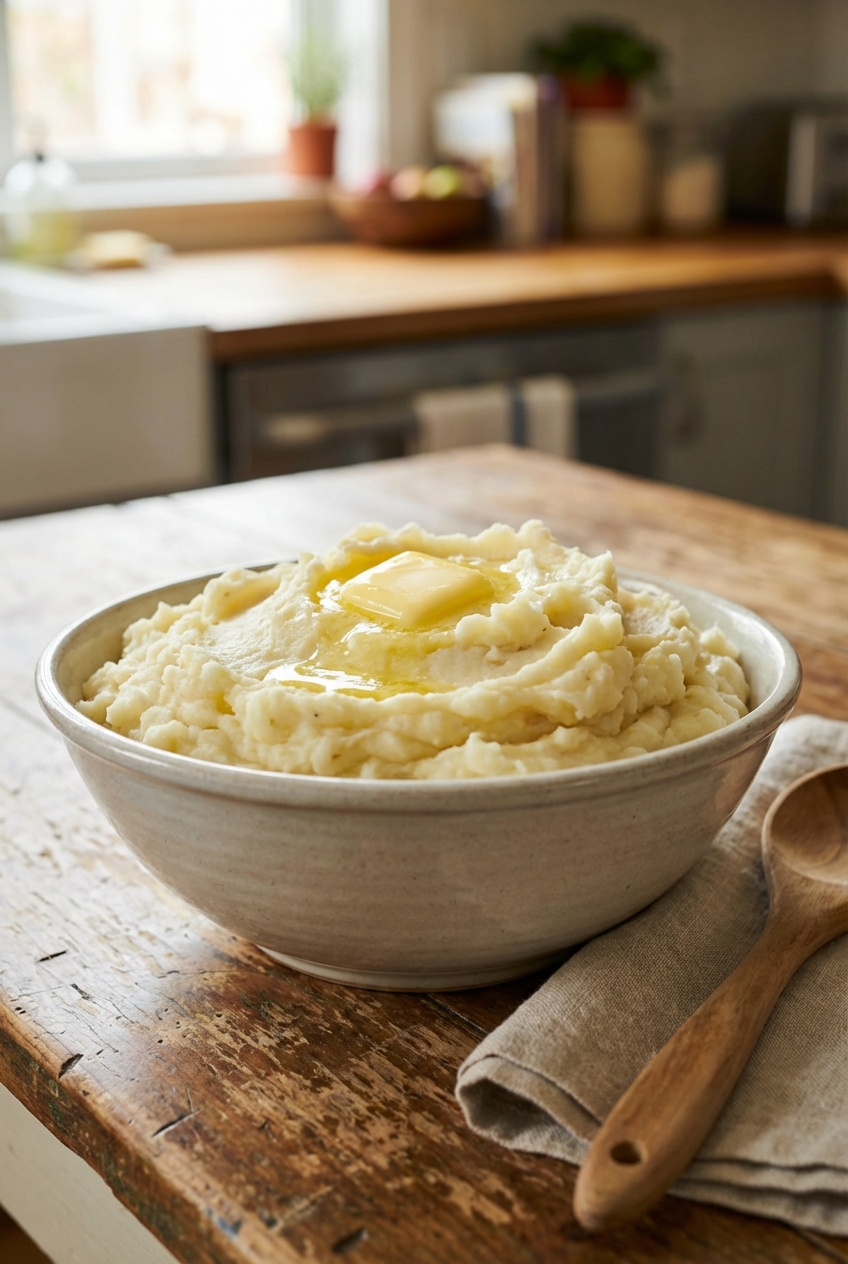
A single plate with a baked pork chop covered in glossy onion gravy beside mashed potatoes on a rustic wooden table

If you grew up around the kind of cooking that made the whole house smell like dinner, this one will hit you right in the nostalgia. These are heirloom baked pork chops, the cozy kind: seasoned, lightly dredged, seared for color, then baked low and slow in a simple onion gravy until the meat turns tender with a little bite.

And yes, I mean bite. Not rubbery. Not dry. That satisfying, old-fashioned texture where the chop holds together, the edges get a little crisp, and the gravy soaks into everything like it has a job to do.
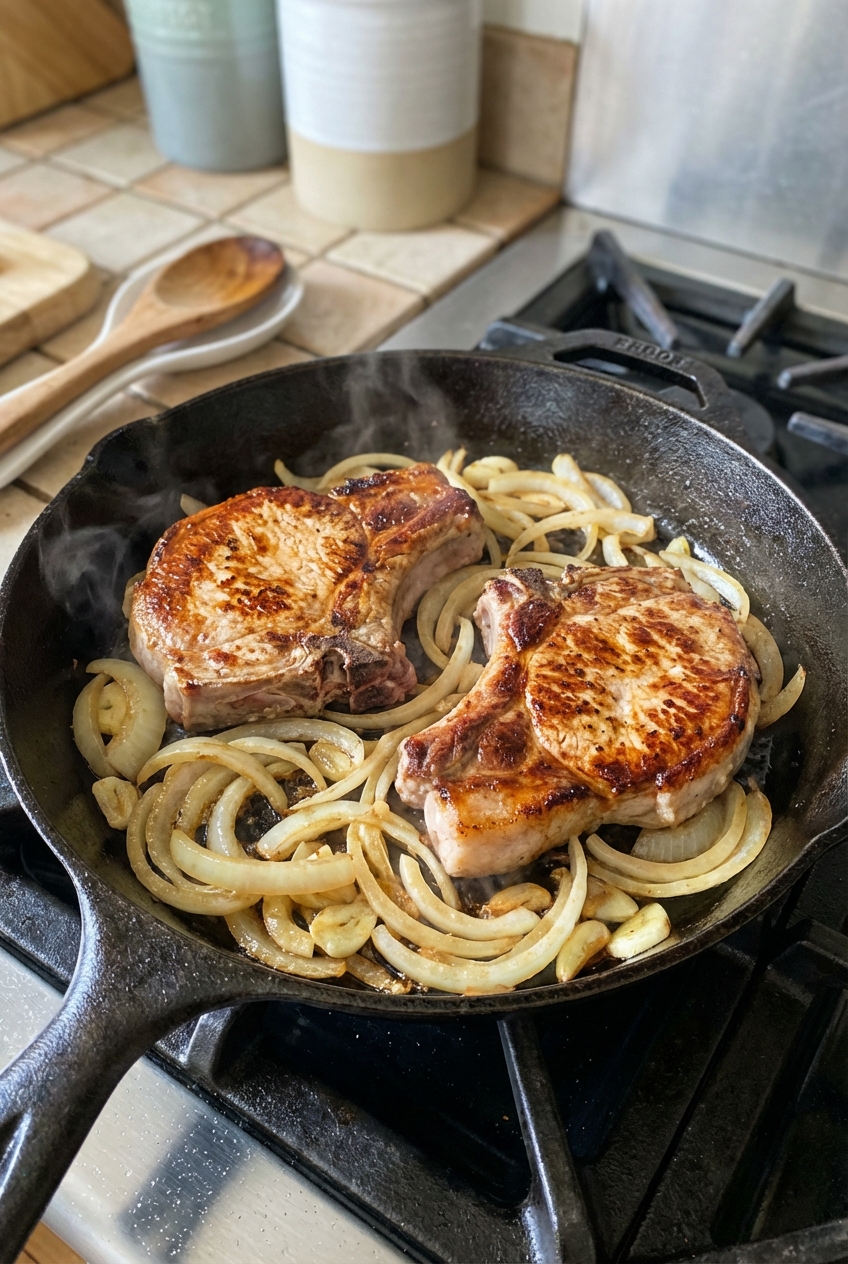
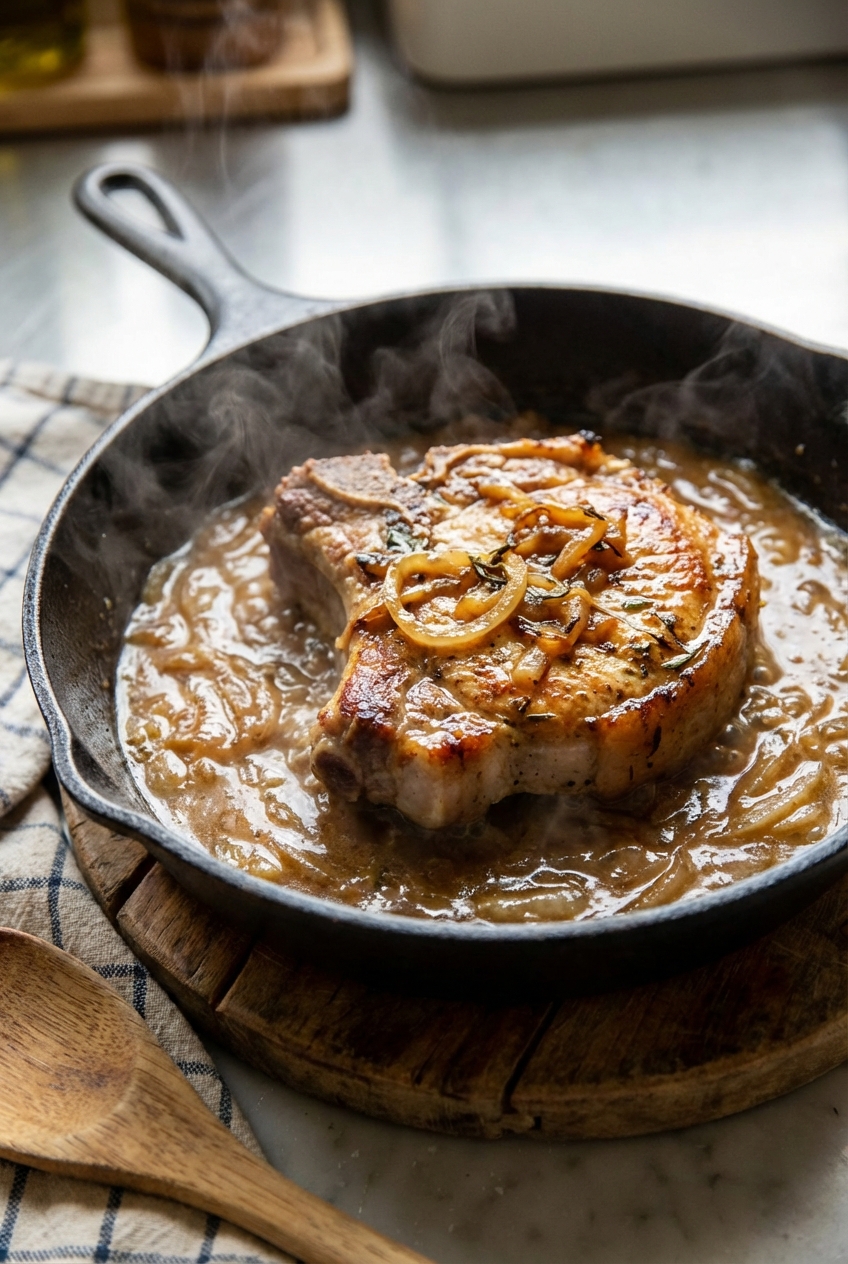
A cast iron skillet with seared pork chops and sliced onions beginning to soften

Why It Works

  • Sear first, bake after: You get that golden crust without drying out the center.
  • Gentle bake temperature: A lower oven gives the gravy time to do its thing and helps keep the pork from tightening up too fast.
  • Flour + butter = gravy insurance: A quick roux thickens the pan juices into a sauce that actually clings.
  • Onion-forward flavor: Soft onions melt into the gravy and make it taste like it cooked all day.

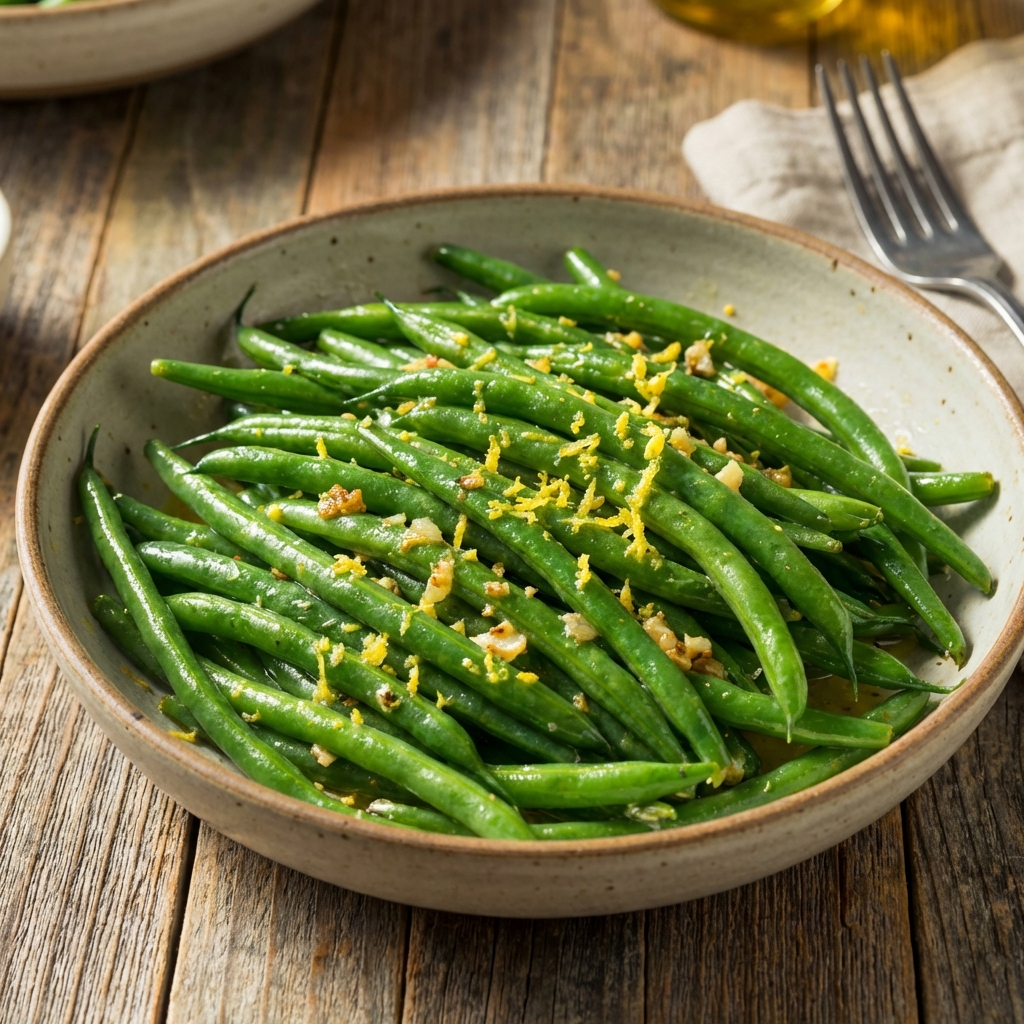
Pairs Well With

Storage Tips

Cool fast: Get leftovers into the fridge within 2 hours. Store chops with plenty of gravy so they stay juicy.

  • Fridge: 3 to 4 days in an airtight container.
  • Freezer: Up to 2 months. Freeze with gravy in a freezer-safe container or bag laid flat.

Reheat (best method): Add chops and gravy to a covered skillet with a splash of broth or water. Warm on low until hot throughout, about 8 to 12 minutes, flipping once. Low heat keeps them tender.

Microwave tip: Use 50 percent power and stir the gravy halfway through. The gravy will protect the meat from drying.

Common Questions

What does “tender with a little bite” mean for pork chops?

It is that old-fashioned, comforting texture where the chop is tender but still has some chew, not falling apart like braised meat and not dry like overcooked pork. The light dredge plus gravy helps keep the interior moist.

Should I use bone-in or boneless chops?

Bone-in is more forgiving and stays juicy. Boneless works too, just lean toward thicker chops and start checking early.

How do I know the chops are done?

Use a thermometer if you can. The food-safety gold standard is 145°F in the thickest part with a 3-minute rest. You can pull the chops around 140°F only if you are confident carryover heat will bring them up to 145°F while they rest.

My gravy is too thick. What now?

Whisk in a little warm broth, 1 to 2 tablespoons at a time, until it loosens up. Taste and re-season.

My gravy is too thin. How do I fix it?

Simmer uncovered for a few minutes. If you need a faster fix, mash 1 tablespoon soft butter with 1 tablespoon flour and whisk it in, then simmer 2 to 3 minutes.

Can I add mushrooms?

Absolutely. Sauté 8 ounces sliced mushrooms after the onions start softening, then proceed as written.

This recipe feels like the kind of thing you would find on a slightly stained index card in a kitchen drawer, written in someone’s handwriting with a note that just says “DO NOT SKIP THE ONIONS.” The first time I made it, I was trying to turn a pack of pork chops into something that tasted like effort, even though I had very little energy. Sear, stir, bake, breathe. When I pulled the foil off and the gravy bubbled around the edges, it smelled like a Sunday dinner that showed up on a random Tuesday. That is my favorite kind of recipe.