Mom's Best Recipes
Recipe

Heirloom Buttermilk Recipe

A rich, savory cultured buttermilk you can keep going like a kitchen sourdough starter. Tangy, silky, and perfect for biscuits, pancakes, dressings, and marinades.

Author By Matt Campbell
4.8
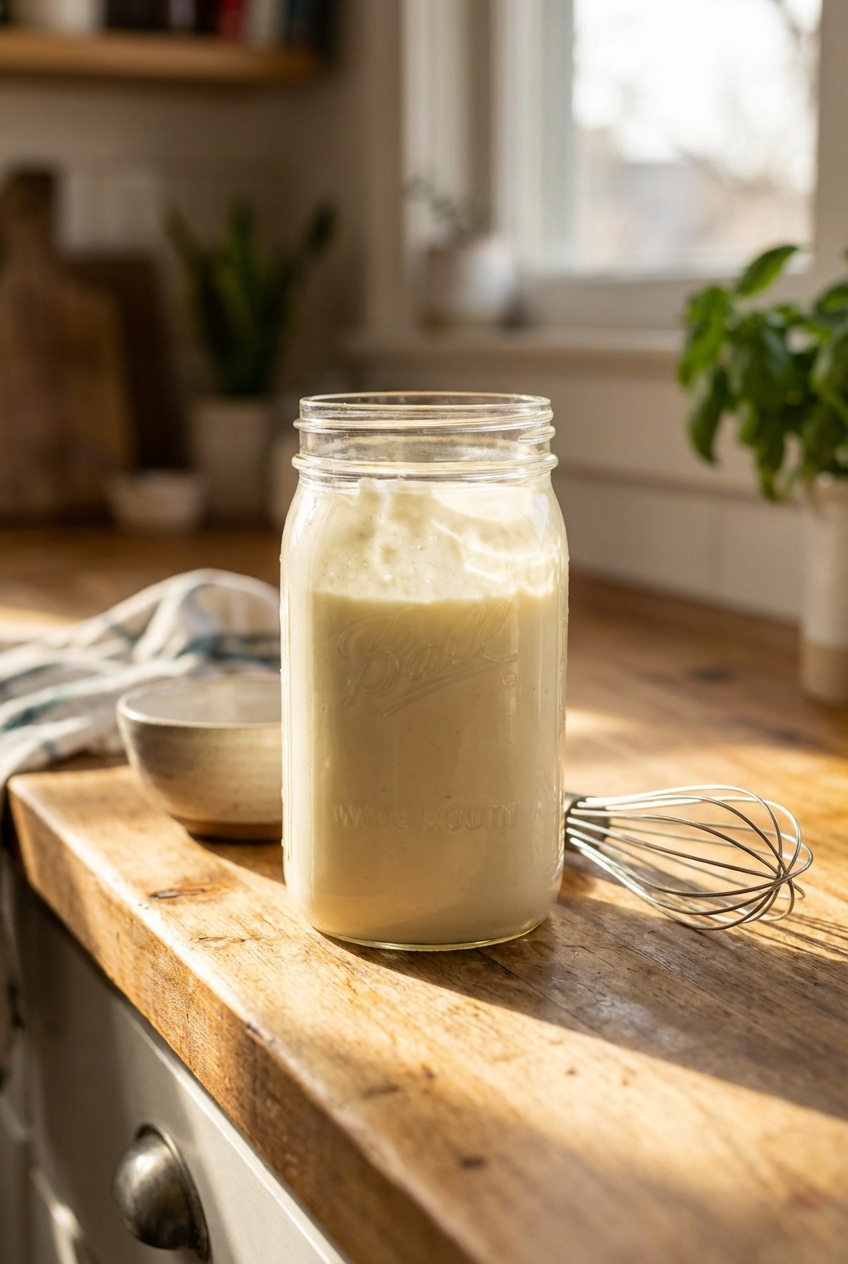
A glass jar of creamy cultured buttermilk on a wooden kitchen counter with a whisk and a small bowl nearby in warm natural light

Let’s clear something up right away: this is real buttermilk. Not the thin leftovers from churning butter (cool, but different). This is the cultured kind, the tangy, gently thick, spoonable magic you buy at the store, except you can make it at home and keep it alive batch after batch.

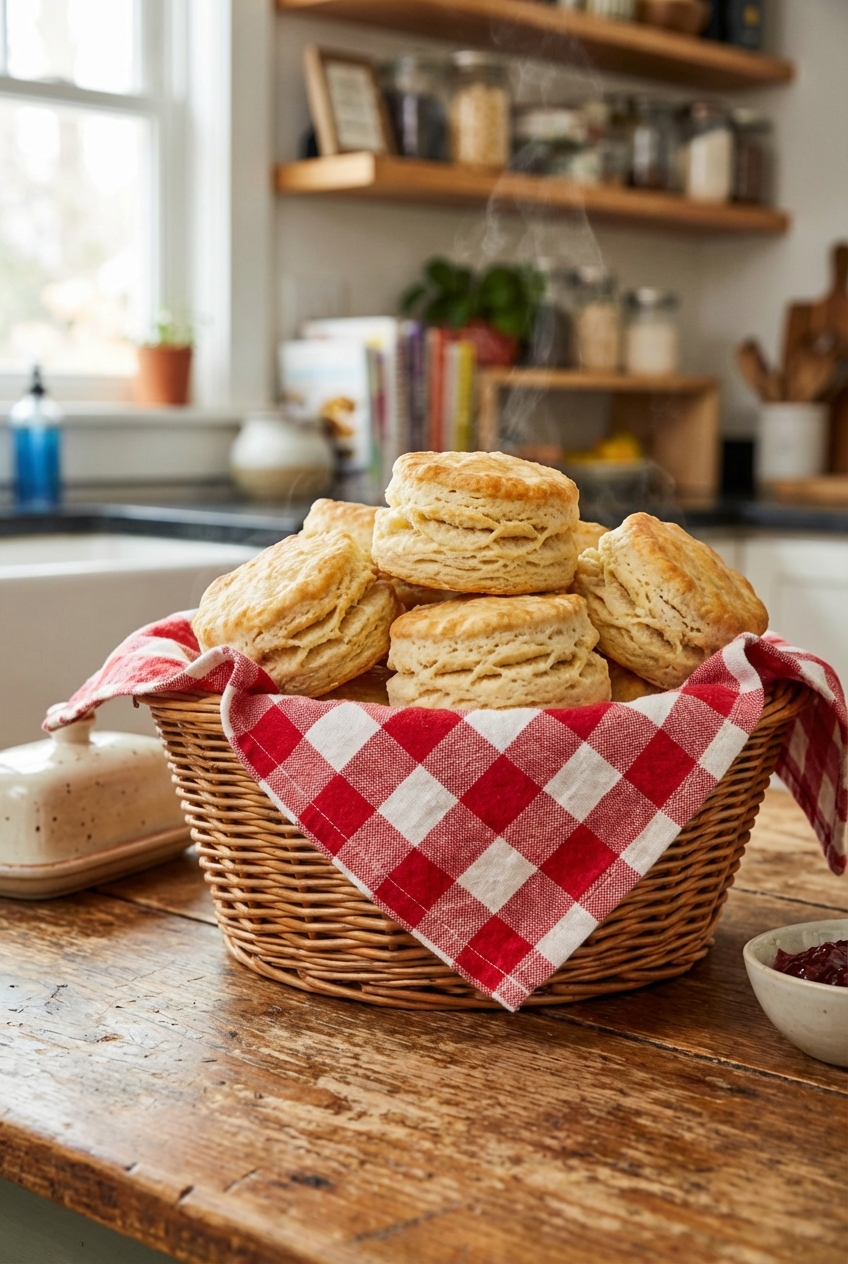
I call it heirloom buttermilk because once you get it going, you do not start from scratch every time. You just “seed” a new batch with a little from the last one, and suddenly you are the kind of person who casually has cultured dairy in the fridge like it is no big deal. It is kind of a big deal. It makes pancakes fluffier, biscuits taller, and salad dressings taste like they came from a diner that actually seasons its food.
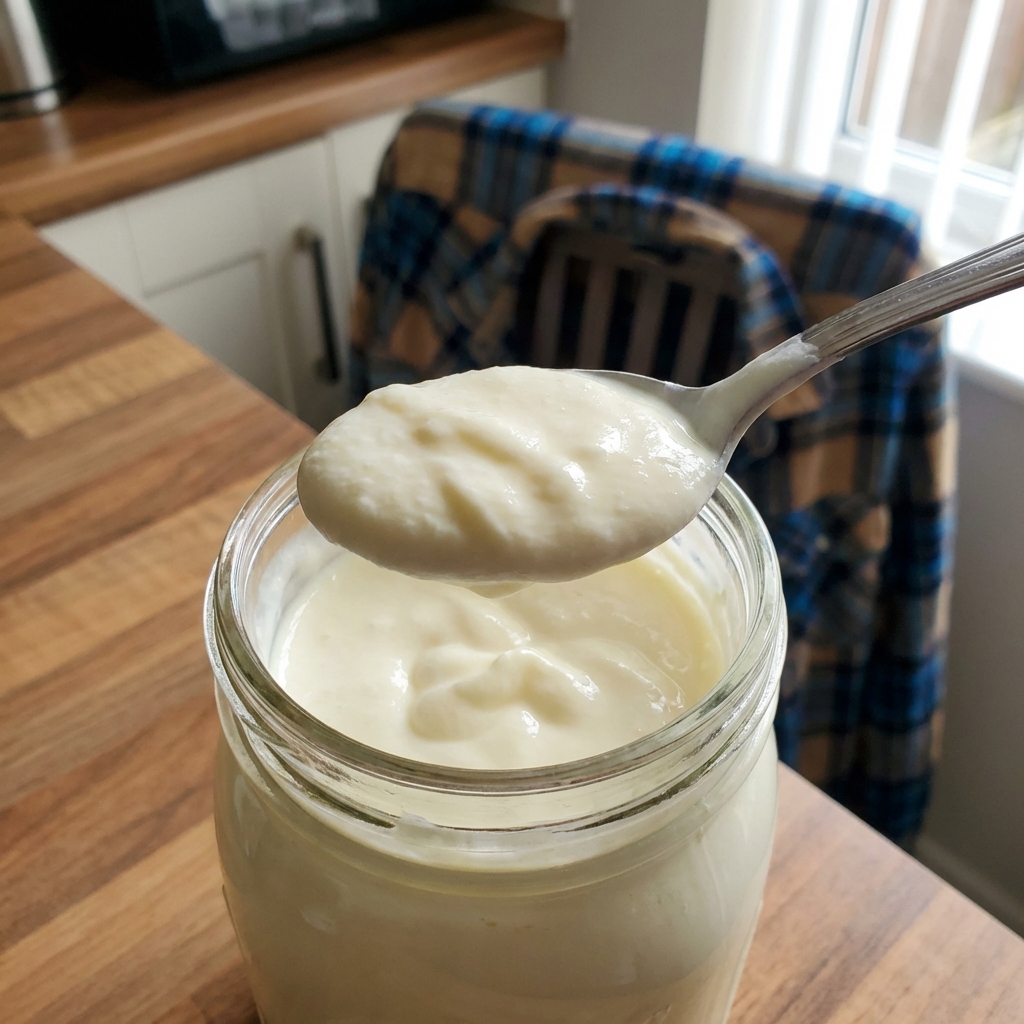
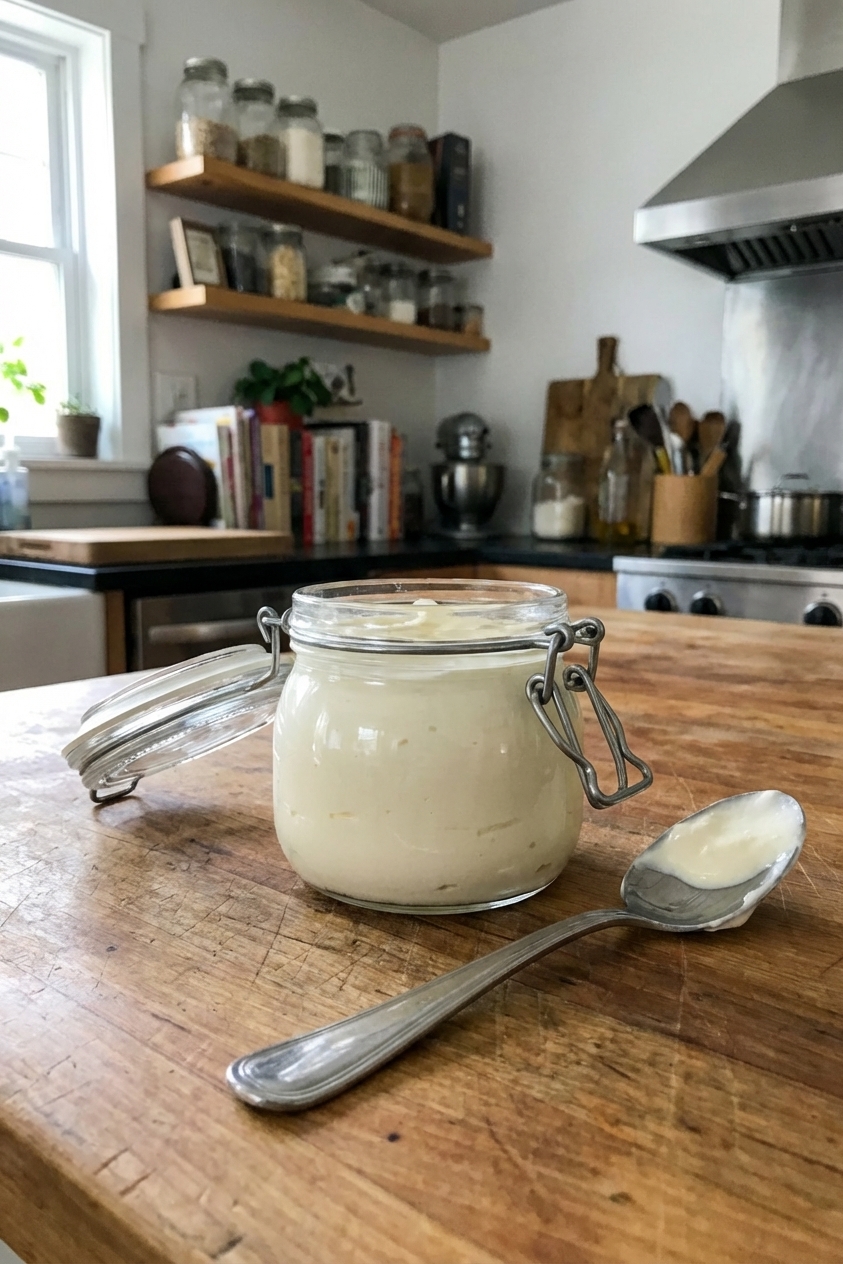
A spoon lifting thick, tangy buttermilk from a jar with soft ripples showing its creamy texture

Why It Works

  • Reliable tang and body: Using an active starter (a few tablespoons of cultured buttermilk) gives you consistent results without special equipment.
  • Flavor that builds: Culturing creates lactic acid, which brings brightness and a savory edge that plays well with herbs, garlic, and warm spices.
  • Flexible timing: Ferment on the counter until it sets, then chill to firm up. You are in control.
  • Endlessly useful: Drink it, bake with it, or turn it into ranch, slaw dressing, or a killer fried chicken soak.

Pairs Well With

Storage Tips

Refrigerate: Keep cultured buttermilk in a clean jar with a lid in the fridge for up to 2 weeks. It usually stays pleasant longer, but flavor gets sharper with time.

Save a starter: Before you use it up, set aside 1/4 cup (4 tablespoons) to culture your next batch.

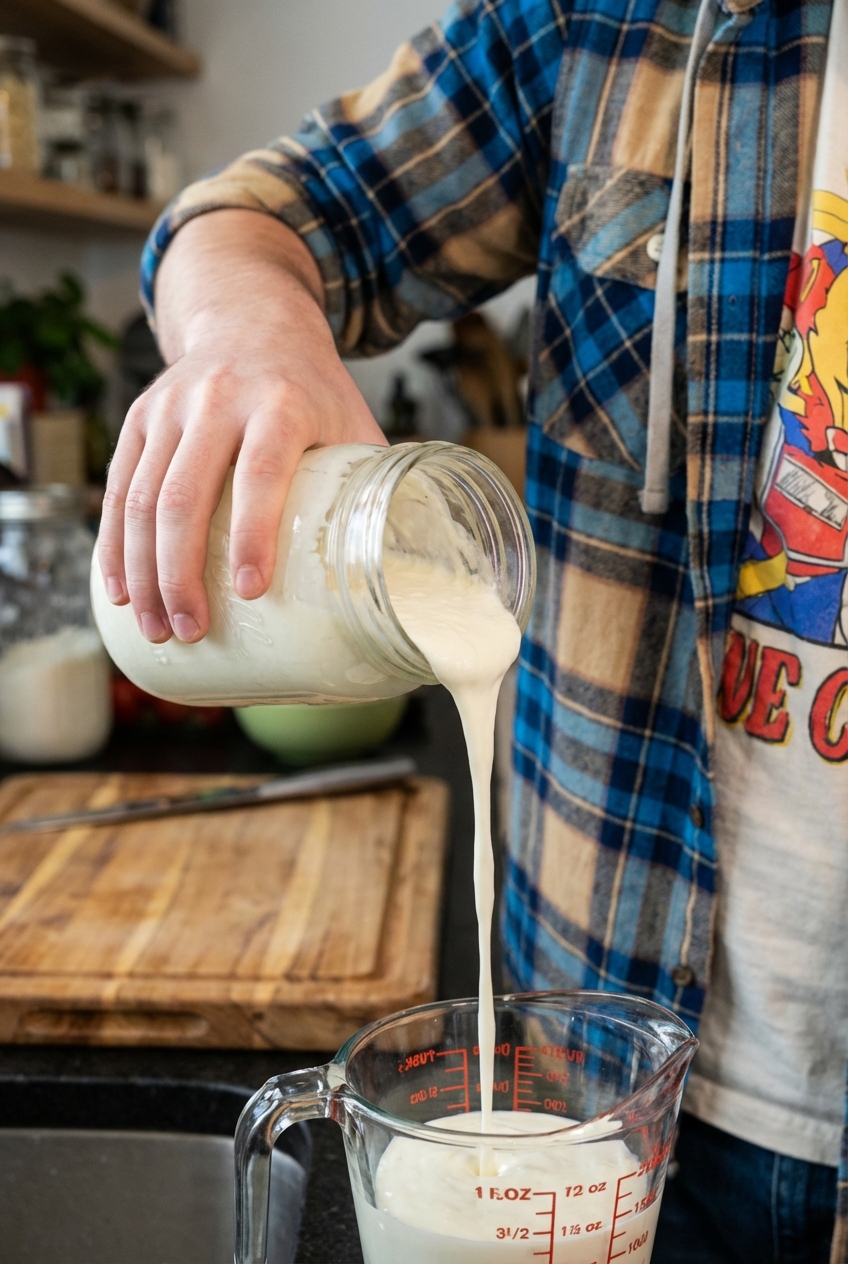
Give it a shake: Natural separation happens. Shake or whisk to recombine.

Do not freeze for “heirloom” purposes: Freezing can weaken the culture. You can freeze it for baking in a pinch, but keep an active refrigerated portion to continue the chain.

When to toss: Pink or fuzzy mold, a rotting smell, or anything that makes you recoil is a hard no. Clean the jar well and restart with fresh store bought cultured buttermilk.

Common Questions

Is this the same as making buttermilk with milk and lemon?

No. Milk plus lemon or vinegar is a quick substitute that adds acidity, but it does not create a cultured product. Heirloom buttermilk is fermented by live bacteria, which gives you thickness and that signature tang.

What milk should I use?

For the richest result, use whole milk. Reduced fat works but sets thinner. Ultra pasteurized milk can culture, but it may take longer and sometimes sets less firmly.

Do I need special cultures?

Nope. Use store bought cultured buttermilk that lists live active cultures on the label. That is your starter.

How do I know it is done?

It should look set like a loose yogurt and pull away from the jar a bit when you tilt it. It will smell pleasantly tangy, not funky. Then chill it to finish thickening.

Why did mine turn out thin?

Common culprits: the starter was old or did not contain live cultures, the room was cool, or you used low fat milk. Let it go longer, move it somewhere warmer, and try whole milk next time.

Can I keep this going forever?

In theory, yes. In practice, I recommend “refreshing” by starting with a new store bought cultured buttermilk every couple months if your batches start tasting overly sharp or stop thickening reliably.

The first time I made heirloom buttermilk, it was a total “I wonder if…” moment. I had a nearly empty carton in the fridge and a craving for biscuits that did not taste like they were trying too hard. I mixed the last bit with milk, left it on the counter, and the next day I opened the jar and got hit with that clean, tangy smell that instantly makes you want pancakes and a hot skillet. Now it is one of those quiet kitchen habits I love. It feels old school, practical, and just chaotic enough to be fun, like I am running a tiny dairy lab between homework snacks and weeknight dinner.