
Mom's Best Recipes
Recipe

Heirloom Indian Curry (Bold and Cozy)

A deeply seasoned, tomato-forward, North Indian-inspired curry built on a toasted spice base, silky onion masala, and tender chicken or chickpeas. Big flavor, accessible ingredients, and weeknight-friendly steps.

Author By Matt Campbell
4.8
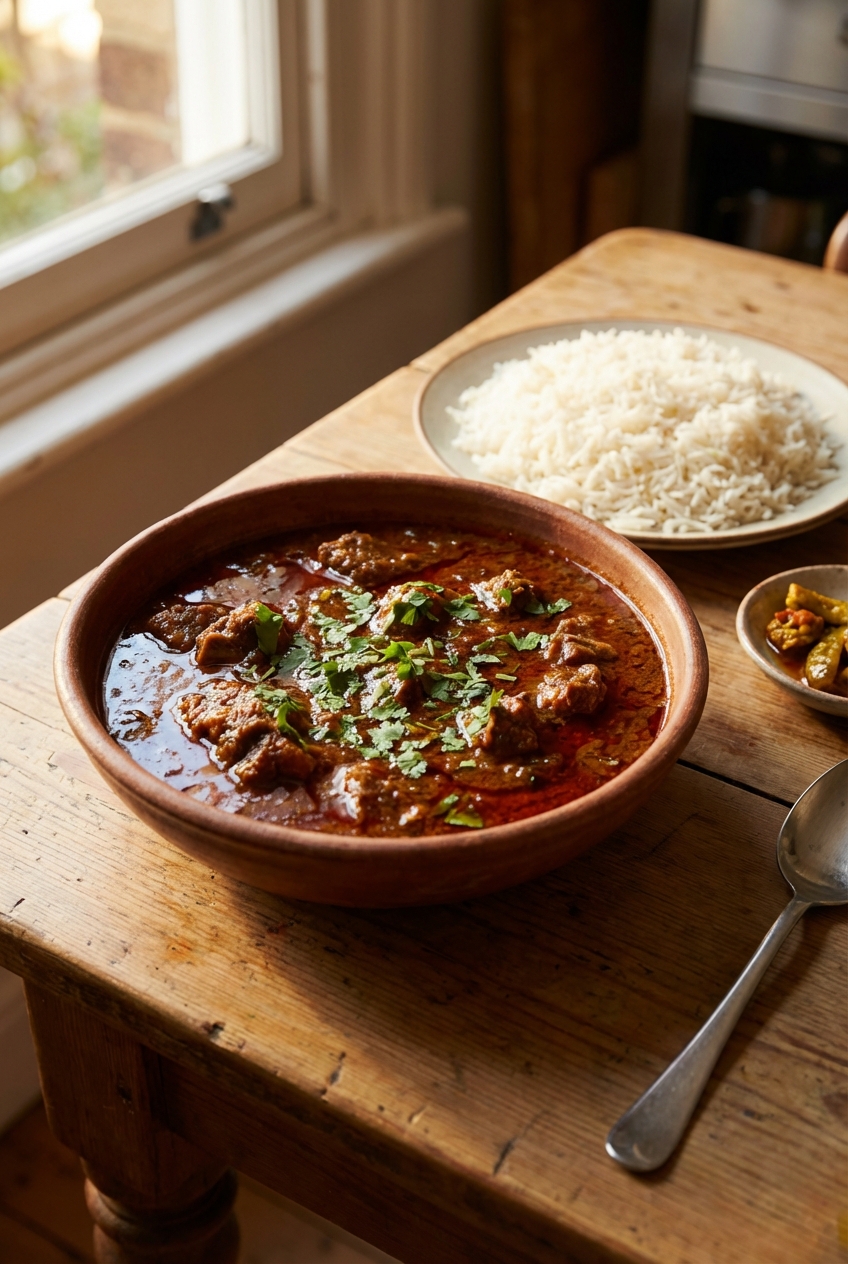
A real photograph of a bowl of deep red-brown Indian curry with visible oil shimmer on top, garnished with fresh cilantro, served with basmati rice on a wooden table in warm natural light

This is the kind of curry that feels like it has a story, even if you are making it in sweatpants on a Tuesday. The base is a slow-cooked onion, ginger, and garlic masala, powered up with toasted spices and a tomato backbone that turns into a glossy, cling-to-your-rice sauce.

I call it heirloom because it leans into the old-school technique that makes so many Indian home curries unforgettable. Build flavor in layers, be patient with the onions, and let the spices bloom in hot fat so the whole pot smells like you meant to do this on purpose. It is not a traditional dish name, just a love letter to the method.

It is bold, cozy, and flexible. Make it with chicken thighs for maximum tenderness, or go chickpeas for a pantry-friendly version. Either way, it hits that sweet spot of bright, warm, and just a little dramatic.
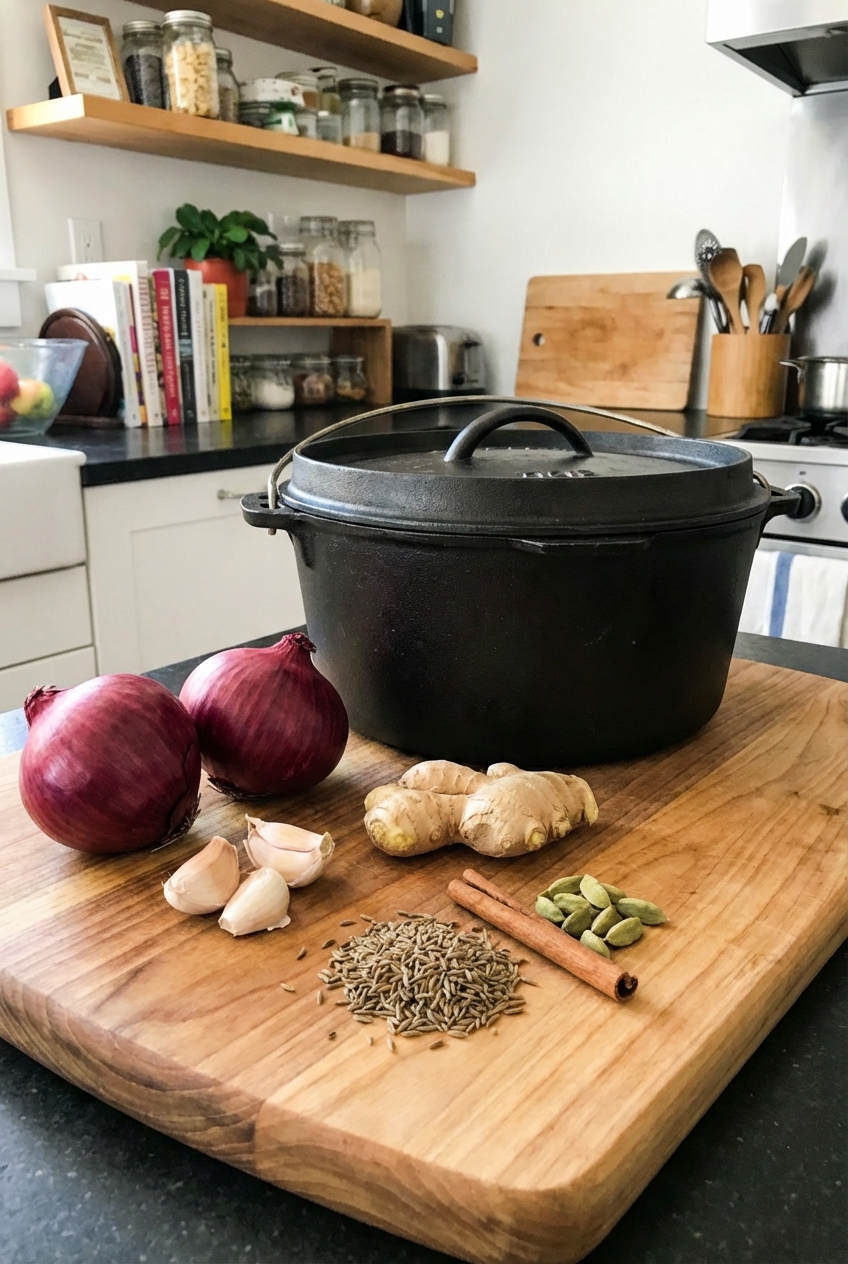
A real photograph of onions, garlic, ginger, and whole spices (cumin seeds, cinnamon stick, and green cardamom pods) arranged on a cutting board next to a heavy pot

Why It Works

  • Toasted spice flavor without bitterness: Whole cumin and a little cinnamon and cardamom bloom in oil first, then ground spices go in briefly so they do not burn.
  • Restaurant-style texture at home: Cooking the onions until deep golden builds sweetness and body so the sauce feels rich even before you add cream or yogurt.
  • Bright finish: A squeeze of lemon and a final handful of cilantro wakes the whole pot up.
  • Flexible heat and protein: Keep it mild for the family, or turn it up with extra chile. Chicken, chickpeas, paneer, or roasted veggies all work.

Pairs Well With

  • A real photograph of a stack of warm naan bread with charred bubbles on a plate

    Warm naan or roti

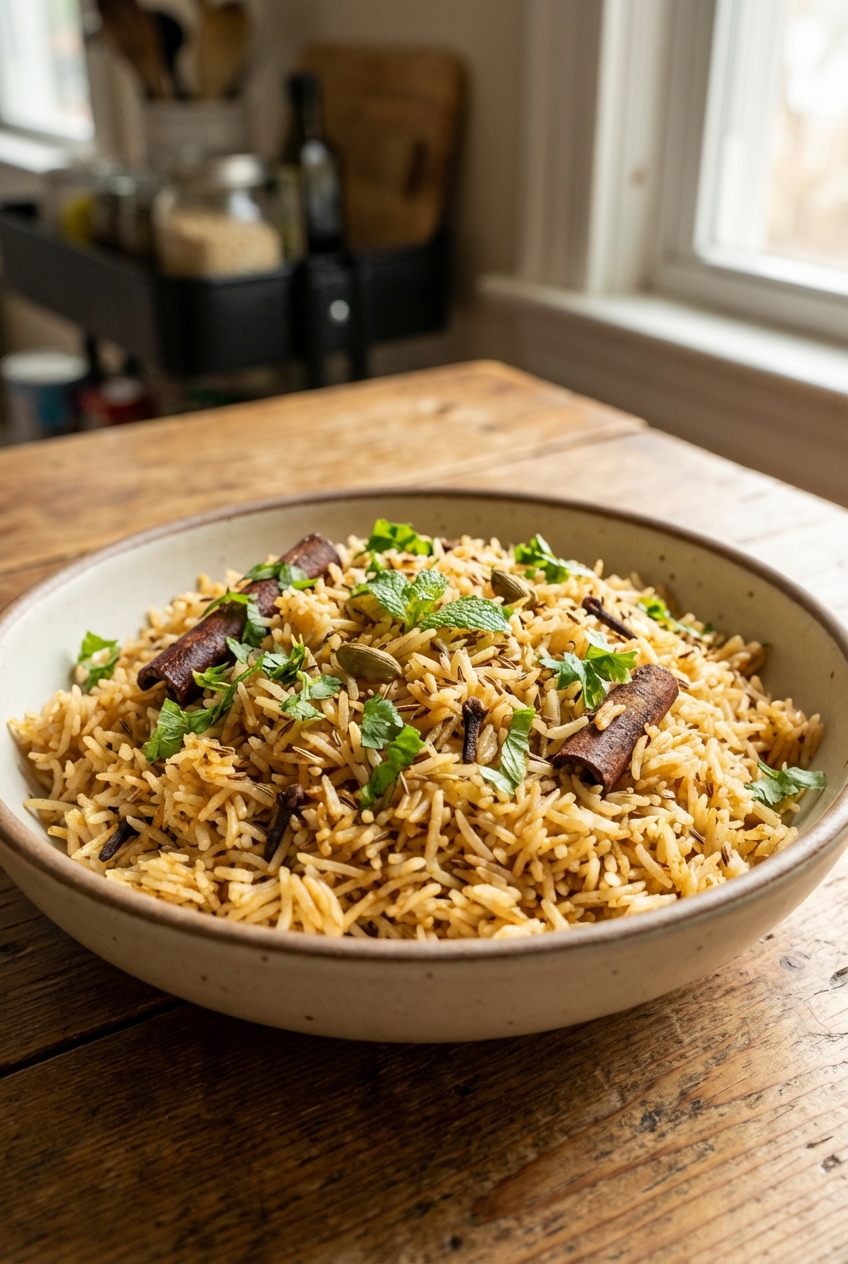
  • A real photograph of fluffy basmati rice in a white bowl with a spoon

    Jeera rice (cumin basmati)

  • A real photograph of cucumber raita in a small bowl with mint on top

    Cool cucumber raita (or dairy-free)

  • A real photograph of mango chutney in a small dish next to sliced red onion

    Mango chutney and quick onions

Storage Tips

Fridge: Cool completely, then store in an airtight container for up to 4 days. Curries taste even better on day two because the spices settle in.

Freezer: Freeze for up to 3 months. If you are adding cream, you can still freeze it, but the sauce may look slightly separated when thawed. It will come back together when reheated gently.

Reheat: Warm in a saucepan over medium-low heat with a splash of water. Stir often and do not blast it on high, especially if you used yogurt or cream.

Meal prep tip: Make the onion masala base, then freeze it in 1 cup portions. Next curry night becomes a 20 minute victory lap.

Common Questions

Is this curry very spicy?

It can be. As written, it is medium. For mild, skip the serrano and use only 1/4 teaspoon Kashmiri chili powder (or paprika). For spicy, add an extra serrano or 1/2 teaspoon cayenne.

What is Kashmiri chili powder and what can I use instead?

Kashmiri chili powder is known for deep red color and gentle heat. Swap in sweet paprika for color plus a pinch of cayenne for heat, to taste.

Can I make it vegetarian or vegan?

Yes. Use chickpeas or roasted cauliflower and use coconut milk instead of cream. Also swap the ghee or butter for more oil (or a plant-based butter) and skip the yogurt and raita, or use a dairy-free yogurt. Most garam masala blends are vegan, but check the label if you are strict about it.

Why did my spices taste bitter?

Most likely they burned. Ground spices only need 10 to 30 seconds in hot oil, or just until fragrant, before you add tomato. If the pot is very hot, pull it off the heat when you add them, then stir like your life depends on it.

How do I thicken a curry that is too thin?

Simmer uncovered until it reduces. If you want a faster fix, mash a few spoonfuls of chickpeas in the pot. You can also finish with yogurt, but do it gently: temper 1 to 2 tablespoons of plain yogurt with a spoonful of warm curry, then stir it in off-heat or over very low heat so it does not split.

Can I use chicken breast?

You can, but thighs stay juicier. If using breast, keep the simmer gentle and stop cooking as soon as it is done so it does not dry out.

What does “heirloom” mean here?

It is my word for the technique, not a traditional dish name. This is a North Indian-inspired onion-tomato masala style curry, made the home way: layers of flavor, patient onions, and spices bloomed in fat.

The first time I made a proper onion masala at home, I learned two things fast. One, curry is not hard, it is just layered. Two, if you rush the onions, the whole pot tastes like you rushed the onions. This recipe became my go-to when I want something that feels like it has been simmering all day, even if I started it after work. It is a little chaotic in the best way, because every time you taste and adjust, it gets better. That is the fun part.