Common questions
What makes this “heirloom” vanilla pudding?
It is the old-school technique: egg yolks for richness, stovetop thickening, and real vanilla. No instant mix, no shortcuts that taste like paper.
How do I avoid lumps?
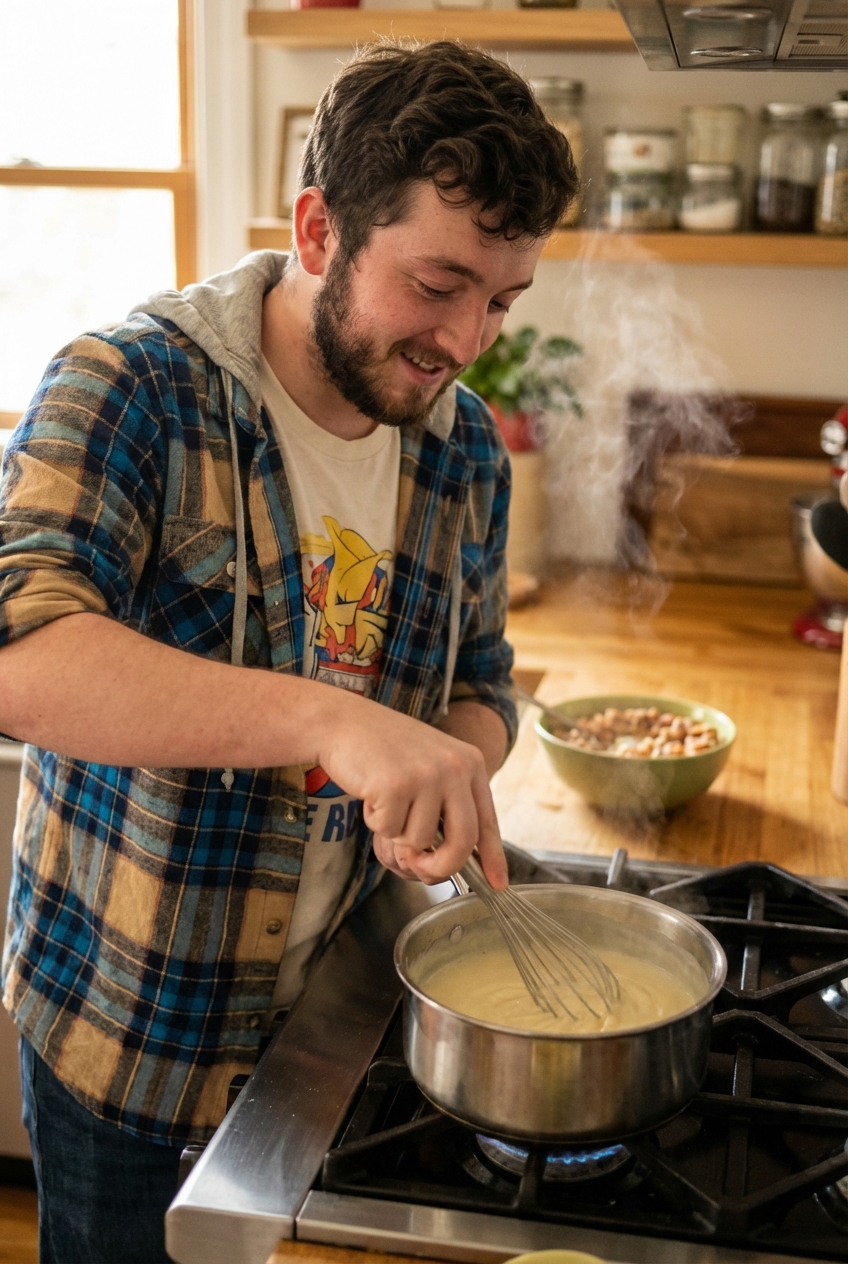
Three moves: whisk the cornstarch into the milk while it is still cold, temper the yolks with hot milk slowly, and strain the finished pudding through a fine-mesh sieve. Straining is the safety net.
Can I use vanilla extract instead of vanilla bean paste?
Yes. Vanilla bean paste gives those little specks and a slightly rounder flavor, but a good extract is still great. Add it after cooking so the flavor stays bright.
Why is my pudding too thick or too thin?
Too thick: It likely cooked a bit long or reduced more than expected. Whisk in a splash of cold milk until it loosens. Too thin: It did not hit a true simmer long enough. Bring it back to the stove and cook, whisking, until it bubbles and holds a gentle boil for about 60 seconds.
Is the crackly sugar top safe?
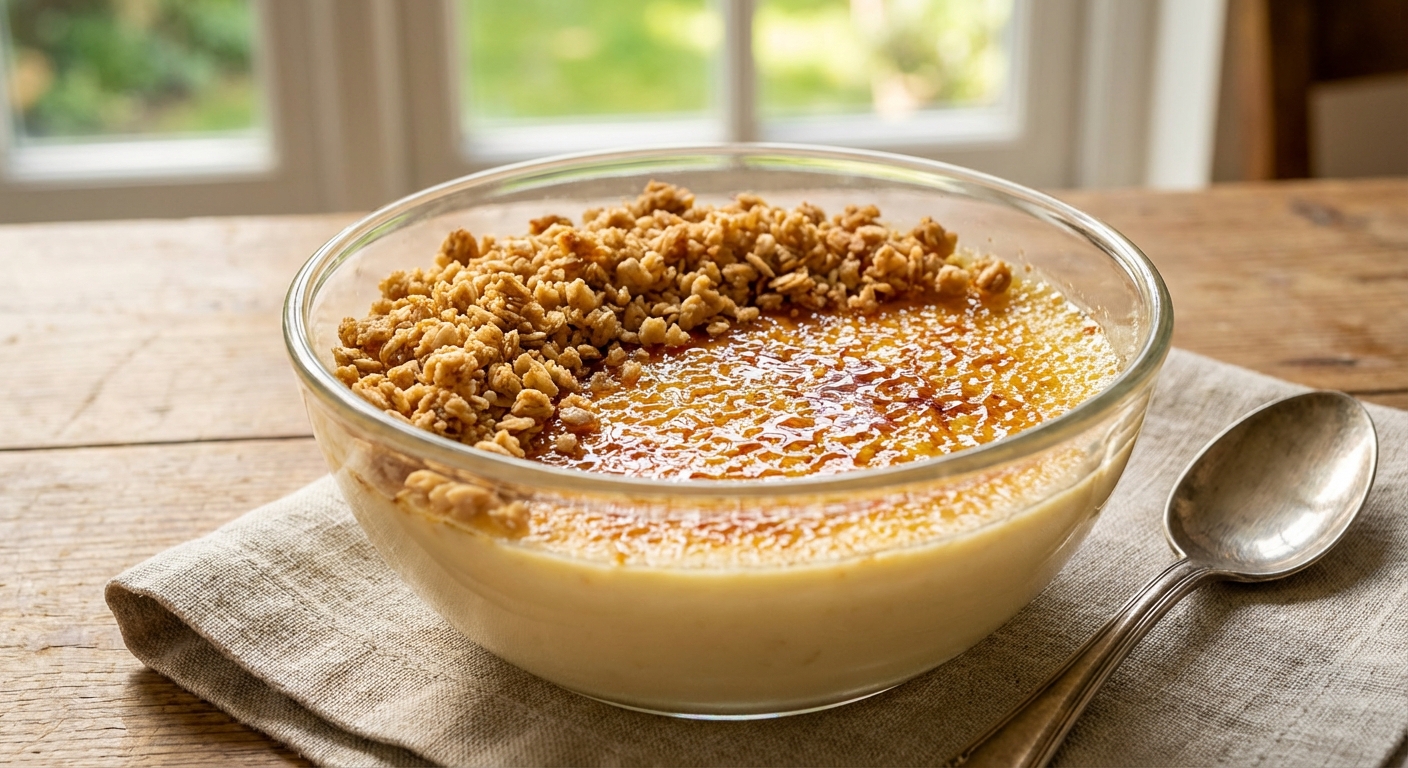
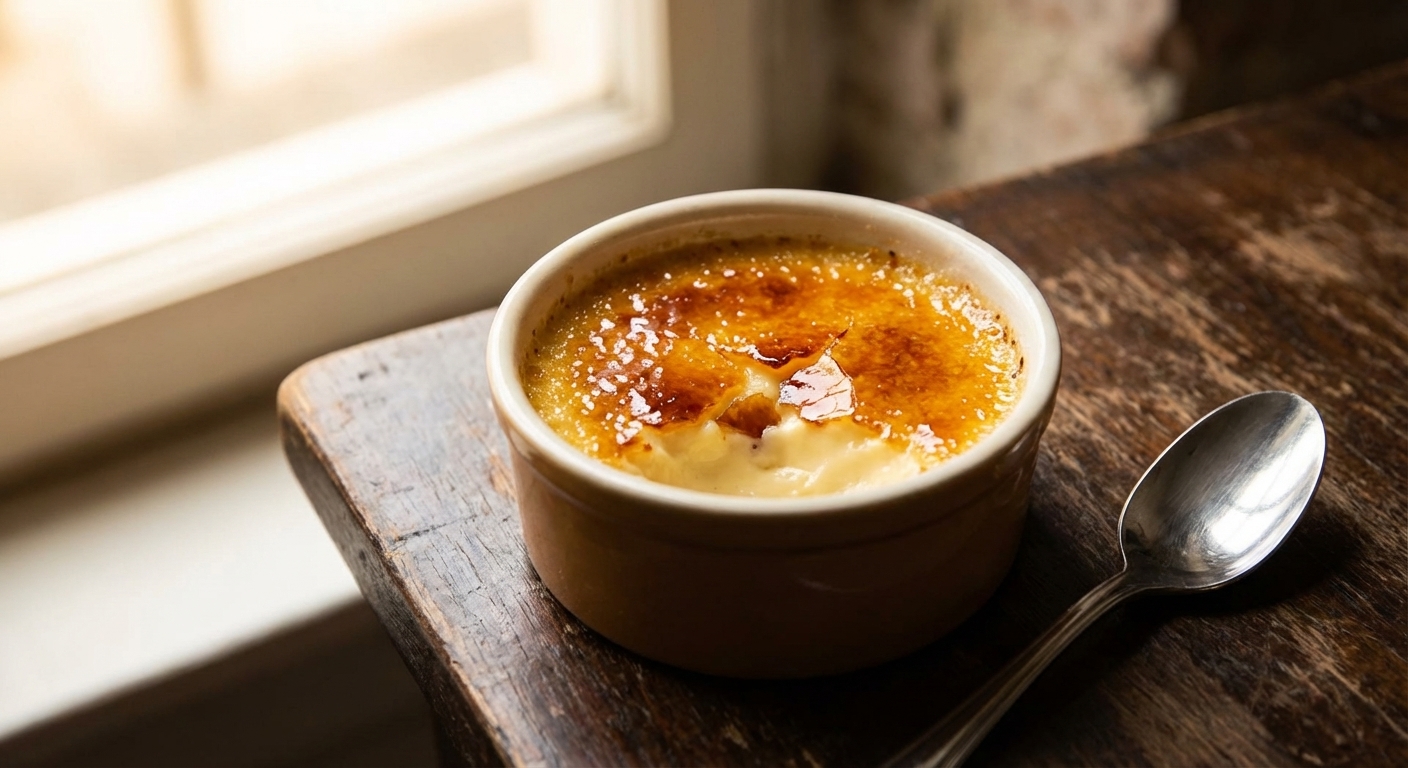
If you use a kitchen torch, yes, as long as you use heat-safe ramekins and avoid thin glass that can crack with sudden heat. If you use the broiler, keep a close eye and use oven-safe dishes only. Also, do not broil plastic ramekins. Seems obvious, but the broiler has claimed many a dish.
Can I make it dairy-free?
You can, but it will taste different. Use full-fat oat milk or coconut milk and swap butter for vegan butter. It may set softer depending on the milk brand and fat content. If it looks loose after chilling, add 1 to 2 tsp more cornstarch next time and be sure you boil for the full 60 seconds.
Can I freeze vanilla pudding?
Not my favorite. Starch and eggs can turn a little grainy when thawed. You can whisk it to improve the texture, but it may not return to perfectly silky.