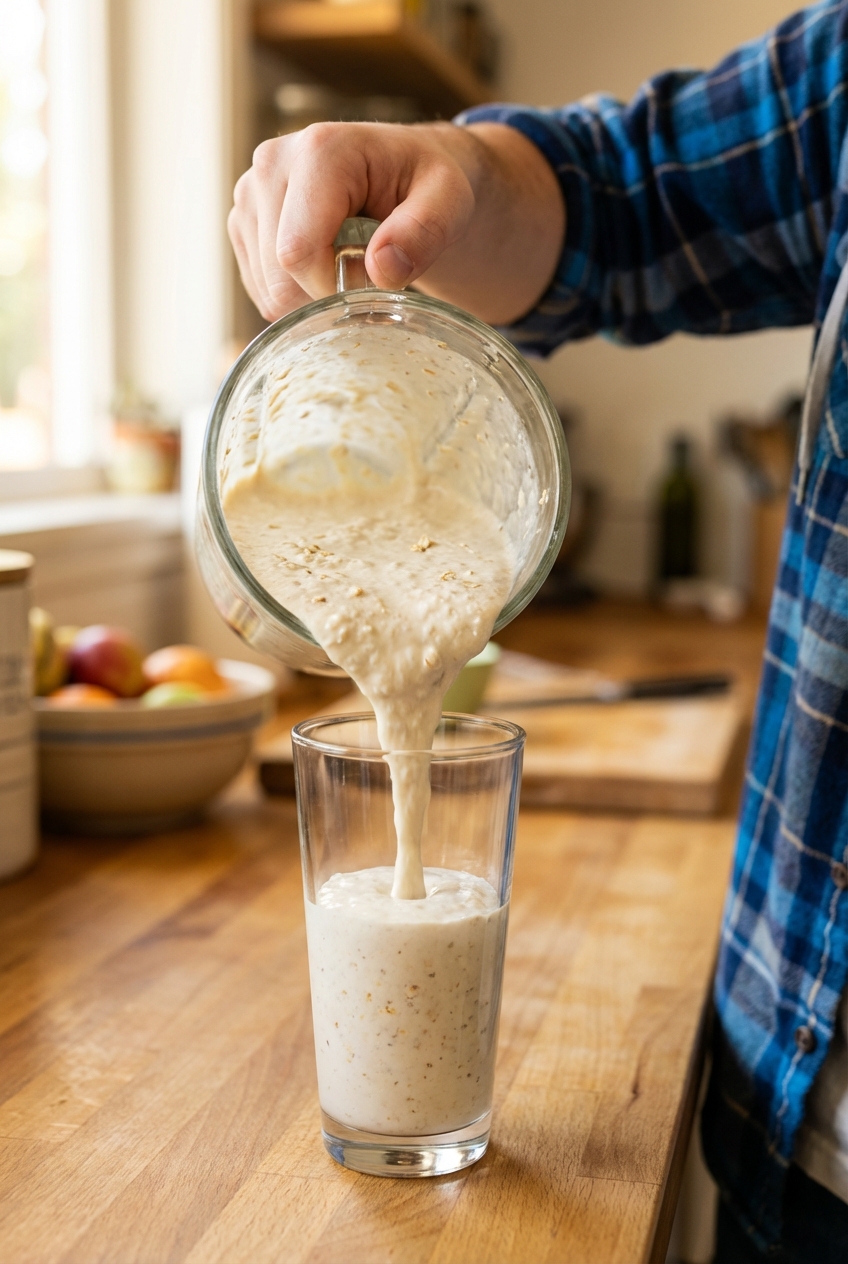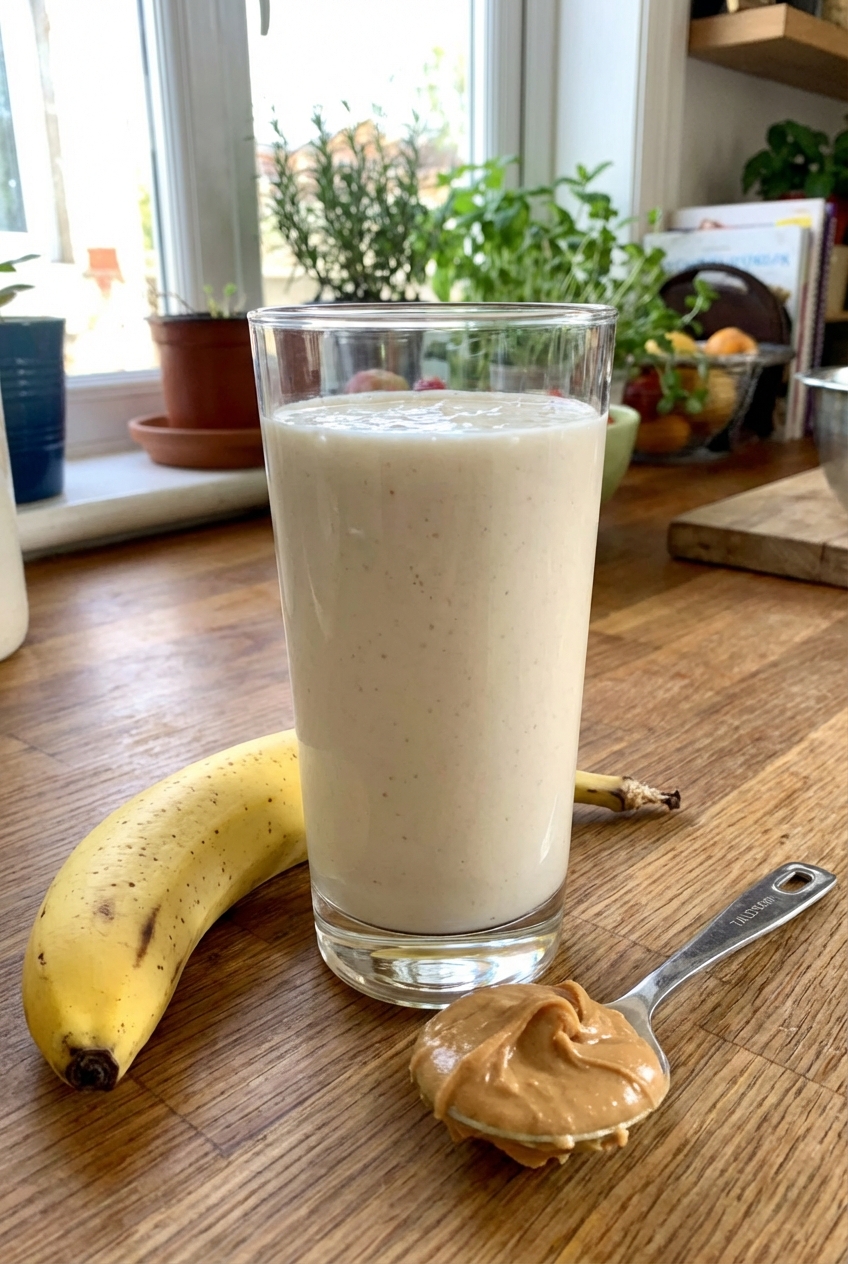
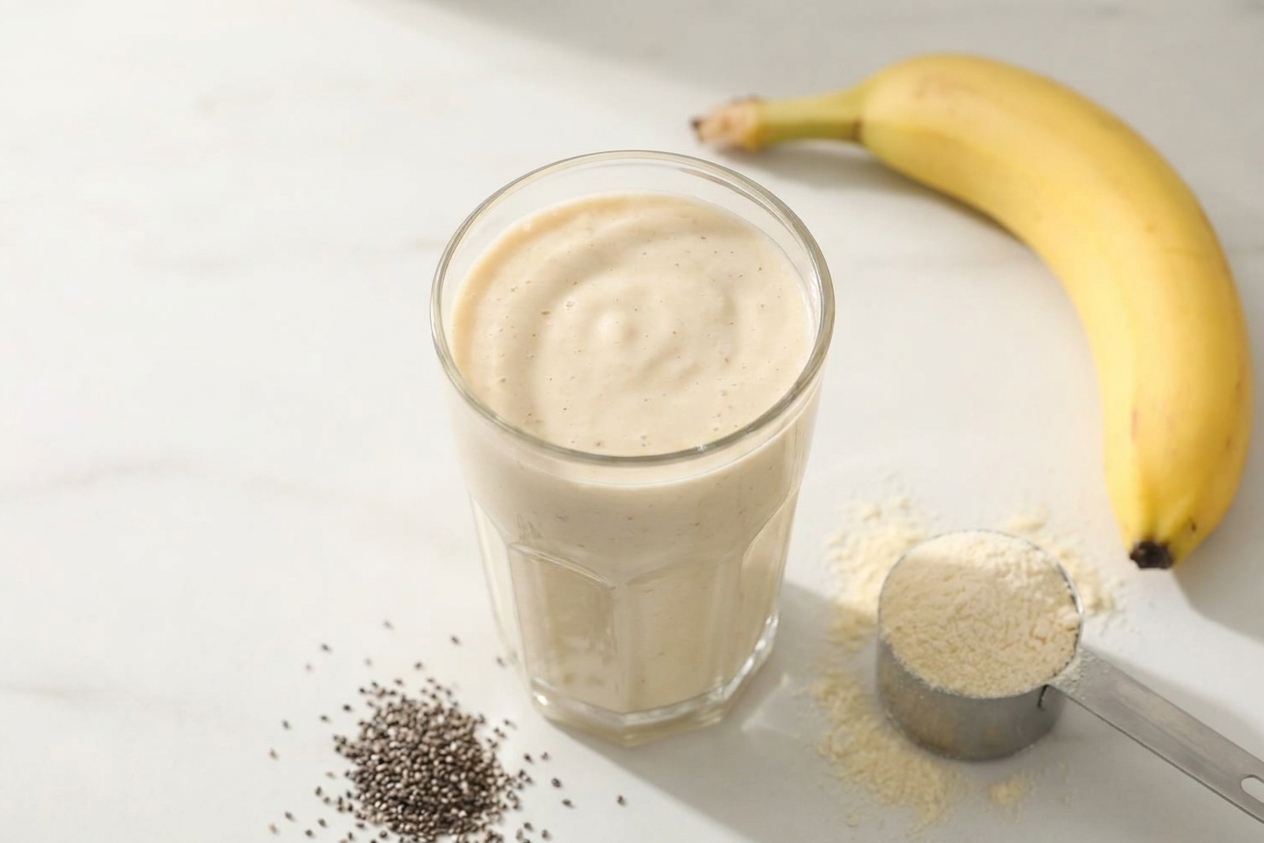
This easy vanilla protein smoothie uses a protein supplement the smart way: balanced flavor, creamy texture, and simple swaps for dairy free or higher protein.
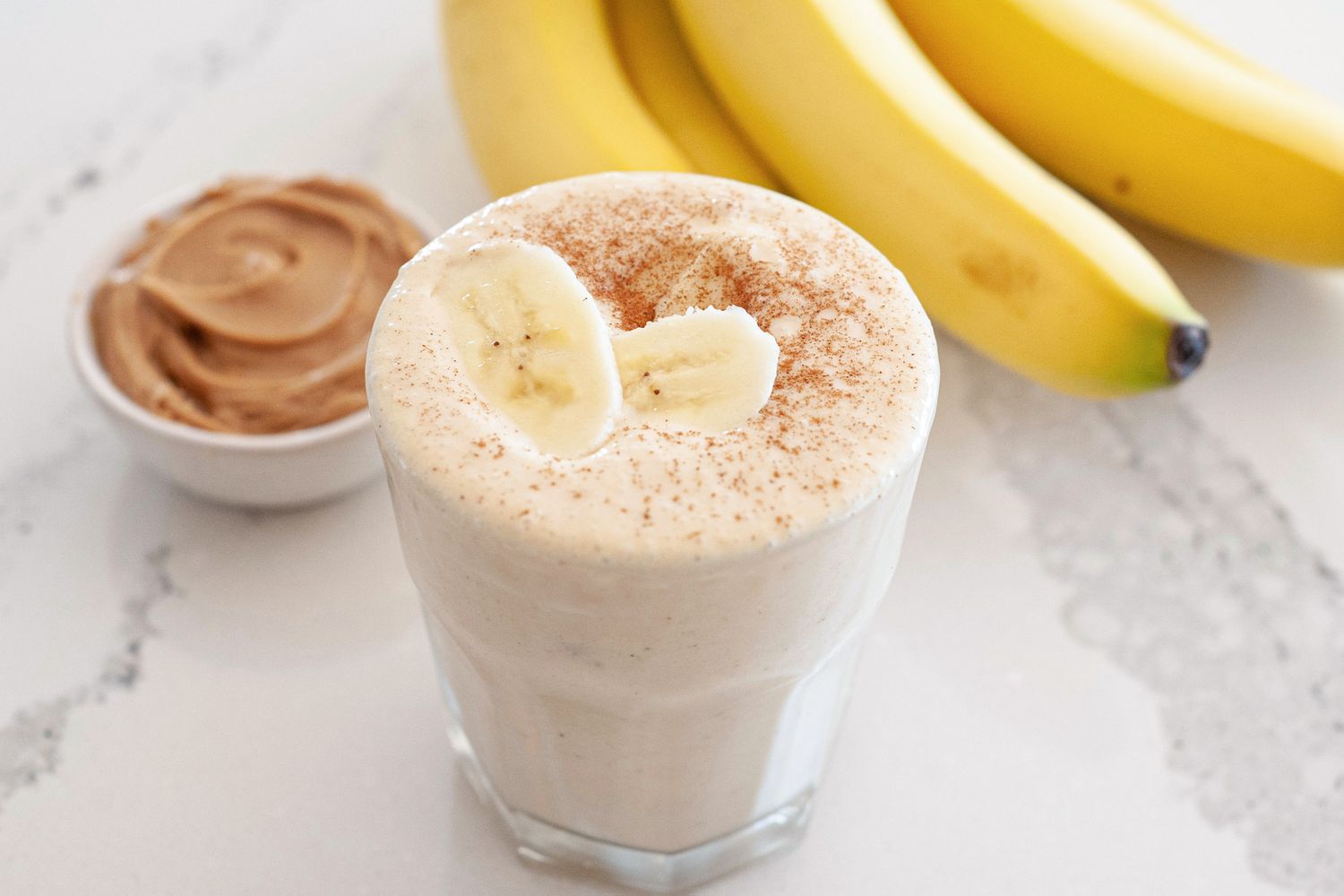
Some mornings you want breakfast to feel like breakfast, not like you are chugging a vanilla drywall smoothie on the way out the door. This high-protein breakfast shake is the one I make when I need something fast, filling, and actually enjoyable. It is creamy, lightly sweet, and it drinks like a milkshake, but it holds you down like a real meal.
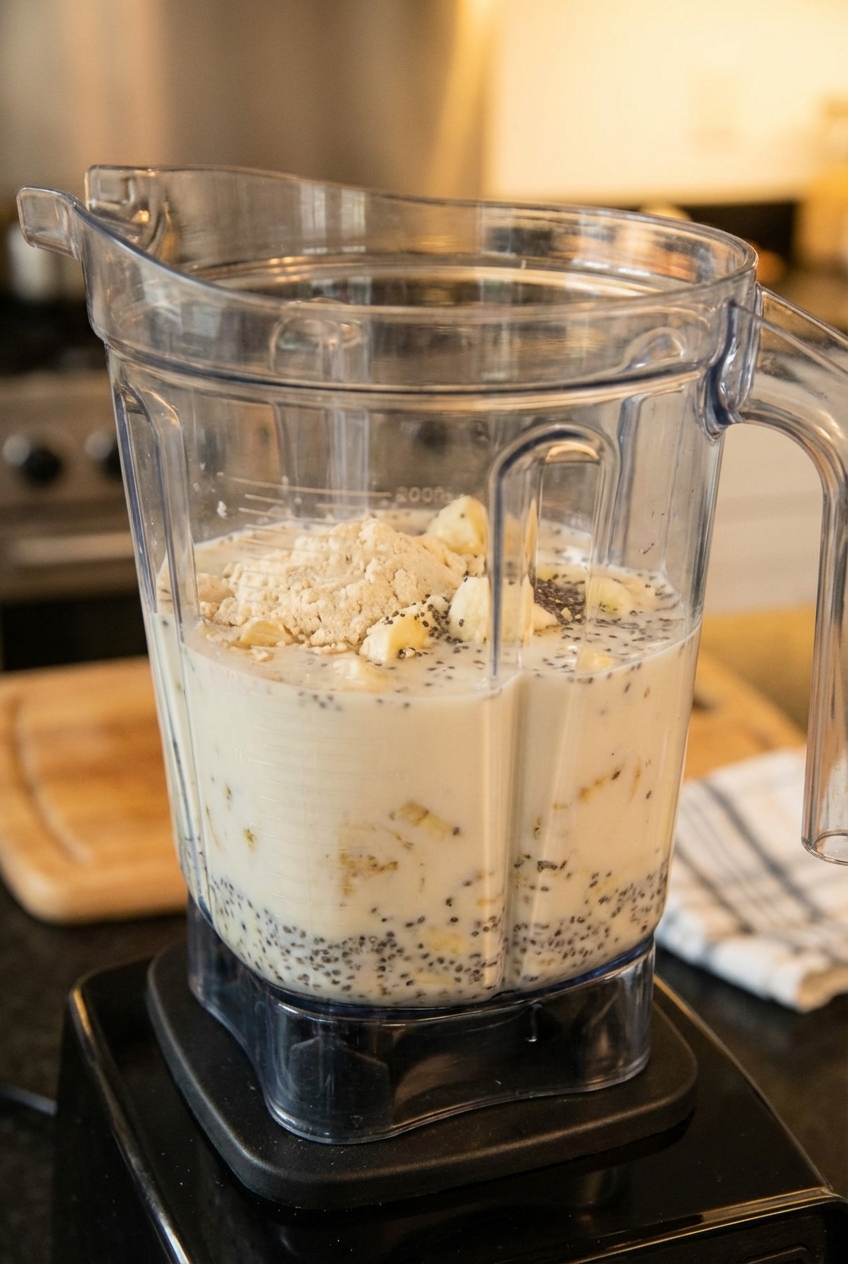
The secret is not a fancy blender or a designer tub of powder. It is hydrating the protein powder first with a splash of milk, then blending with the rest. That tiny step makes a huge difference for texture, especially if you have ever had that gritty, chalky finish that lingers like regret.
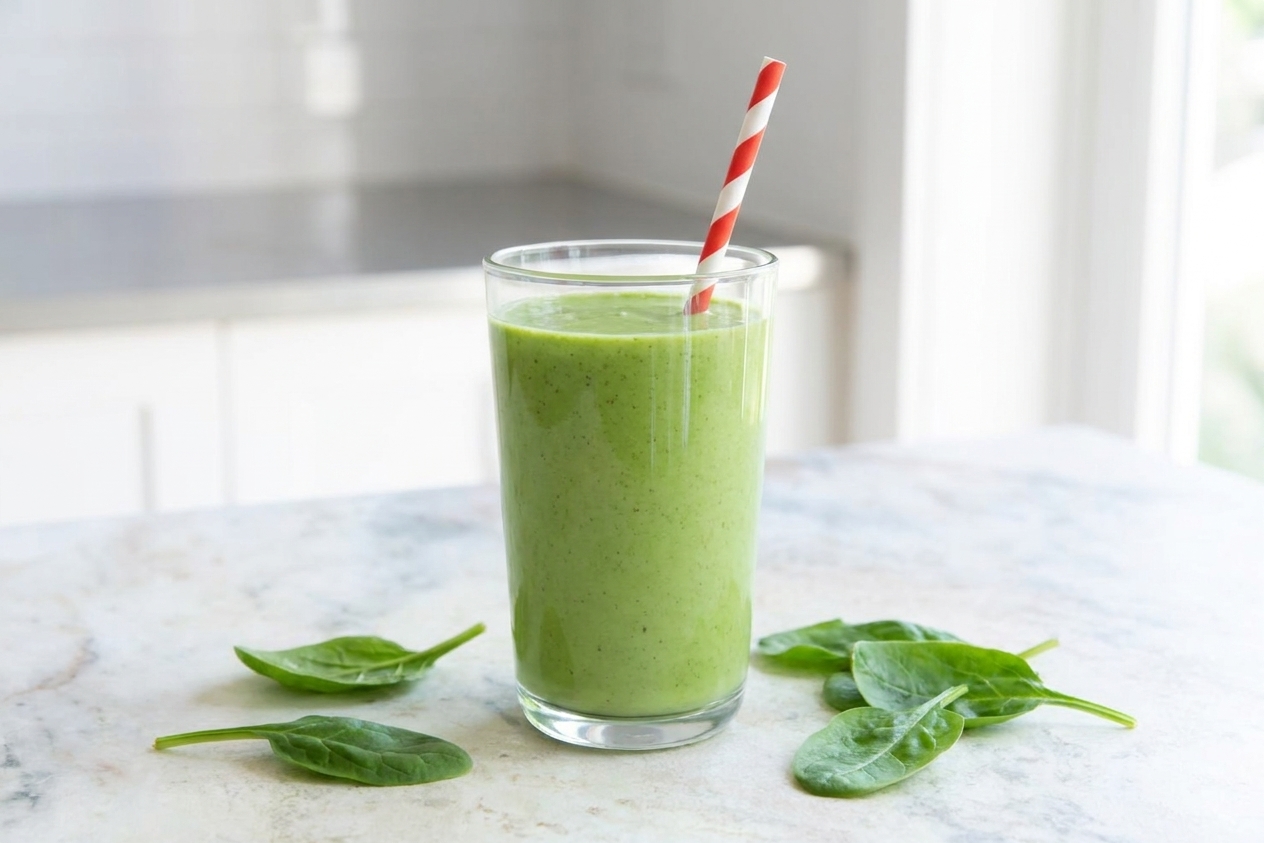
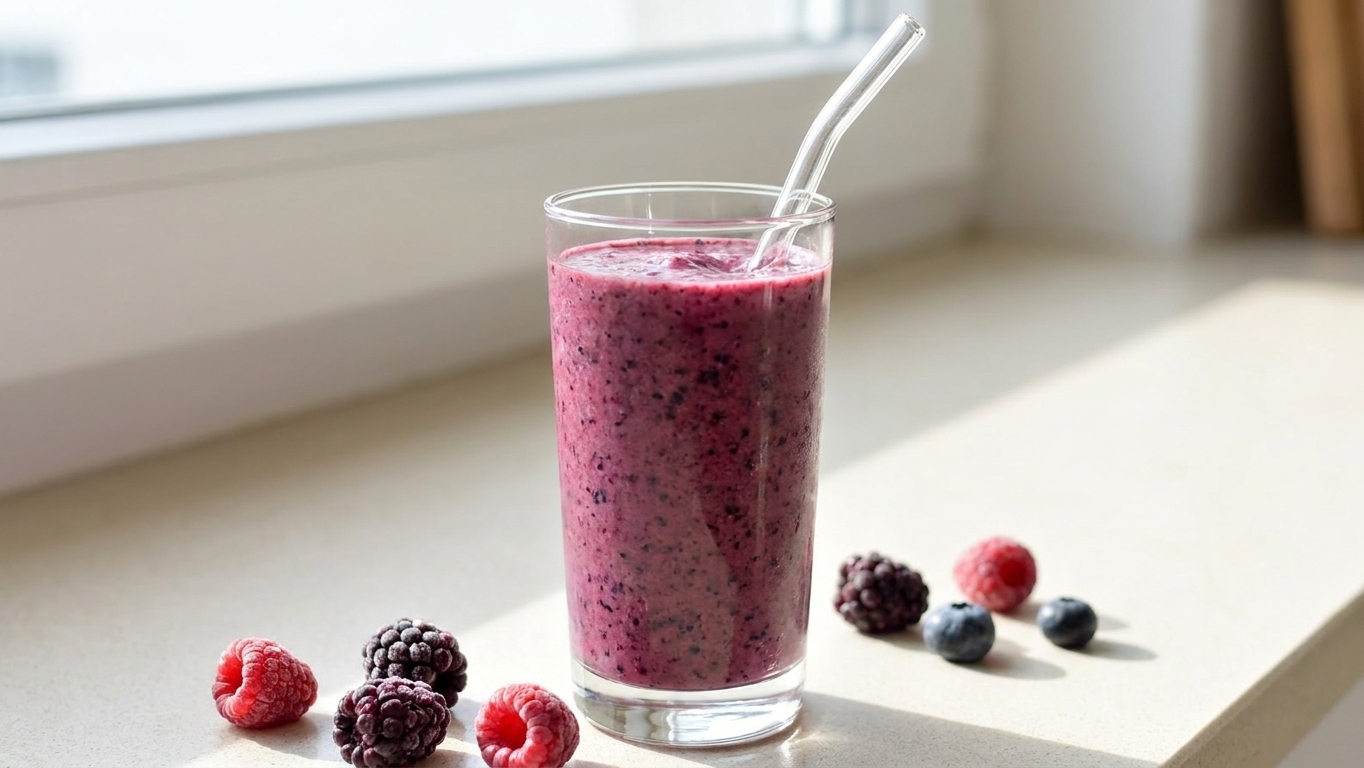
This recipe is flexible, weeknight-friendly, and built from grocery-store staples. Use dairy or non-dairy, swap fruits, and adjust thickness depending on whether you want “sips” or “spoon.”