Mom's Best Recipes
Recipe

Homemade Almond Paste

A smooth, bakery-style almond paste you can make in minutes with accessible ingredients and big almond flavor.

Author By Matt Campbell
4.8
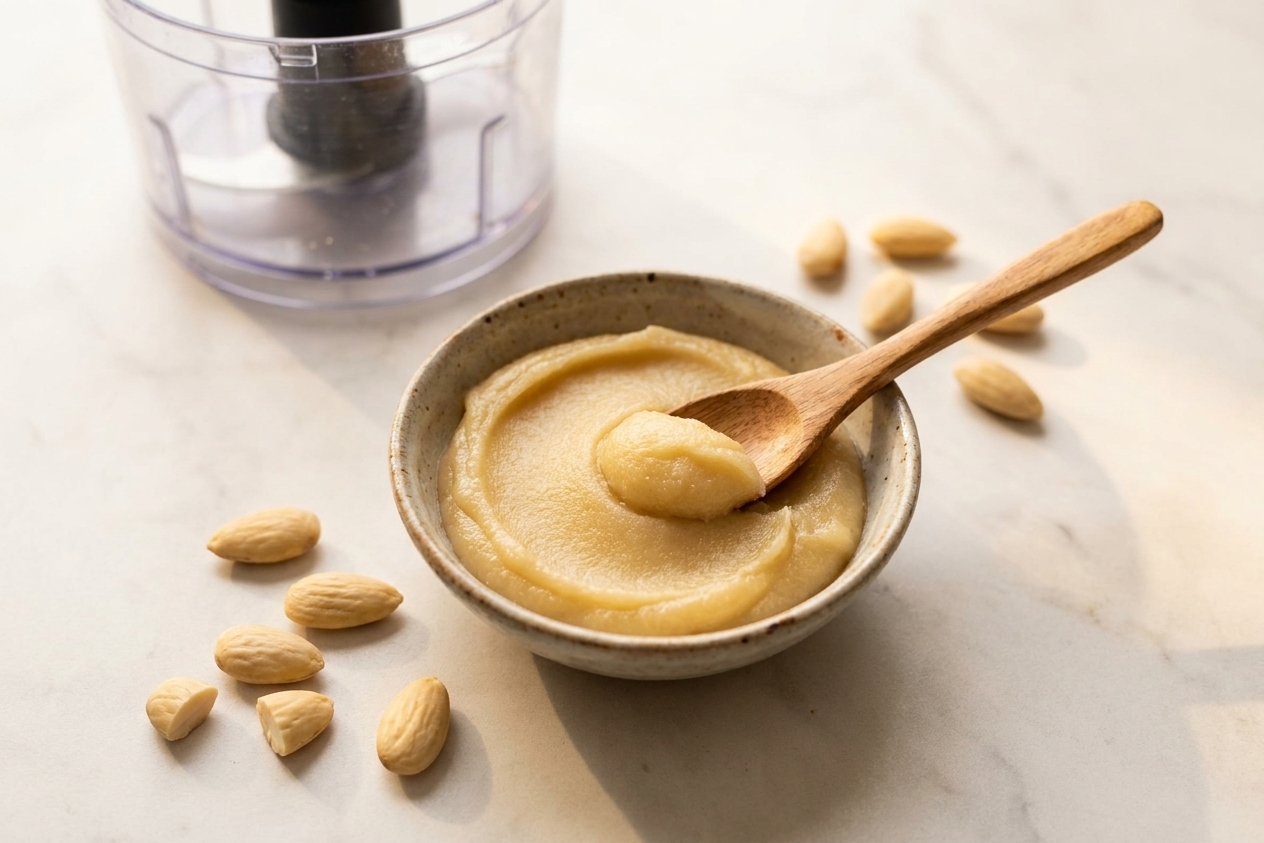
A small ceramic bowl of smooth homemade almond paste on a light stone counter with whole almonds and a wooden spoon nearby, warm natural kitchen light

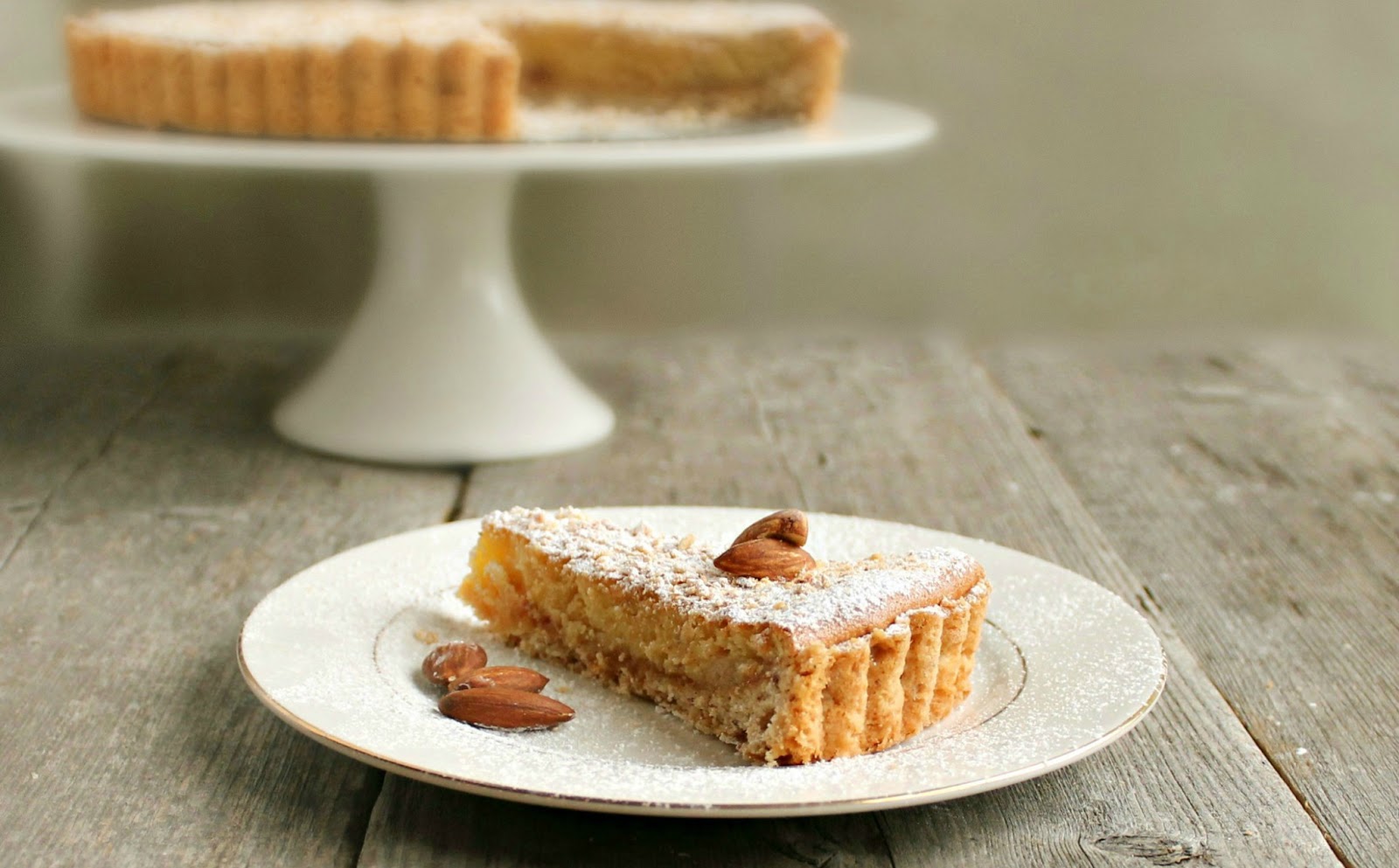
Almond paste is one of those quiet kitchen power moves. It looks humble, but the second it hits heat, it turns into pure bakery energy: nutty, sweet, and just a little floral. It is what makes almond croissants taste like almond croissants. It is the secret behind tender Scandinavian cookies. It is also the reason your simple pound cake suddenly tastes like you planned ahead.

The good news: you do not need a specialty shop or a pastry degree. This homemade almond paste blends up fast, tastes clean and almond-forward, and plays nicely in everything from cookie dough to quick fillings. I keep it relaxed and practical, with a couple of rescue tips in case your paste is being dramatic.
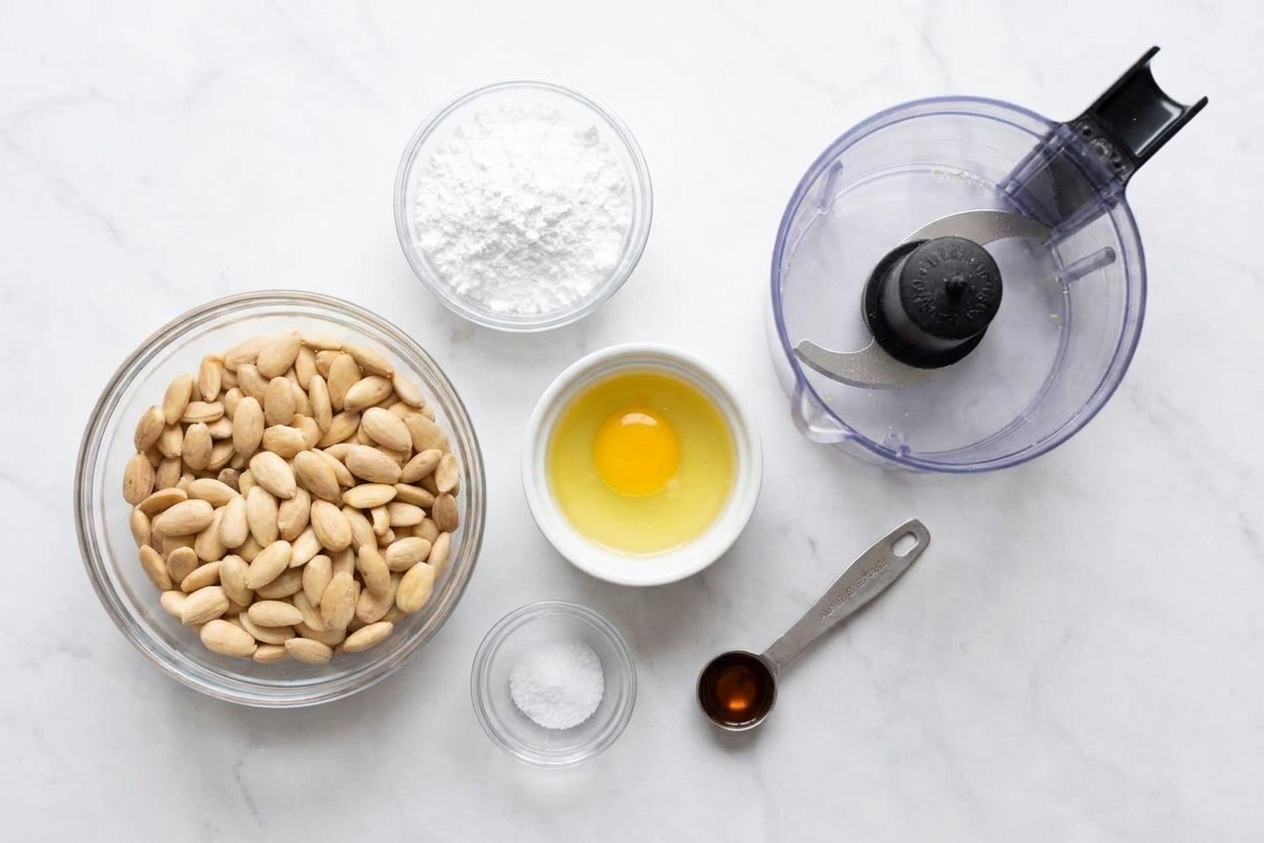
Measured ingredients for almond paste including blanched almonds, powdered sugar, an egg white, salt, and almond extract arranged on a kitchen counter

Why It Works

  • Big almond flavor, not bitter. Blanched almonds keep the paste sweet and mellow, and a pinch of salt keeps it from tasting flat.
  • Smooth, shapeable texture. Powdered sugar and a small amount of egg white create a paste that is easy to roll, spread, or crumble into batters.
  • Flexible consistency. You can keep it firm for baking applications or loosen it slightly for quick fillings.
  • Freezer-friendly. Make a batch, portion it, and you have instant almond magic on standby.

Pairs Well With

Storage Tips

Food safety note: This recipe can include raw egg white. If that is a concern, use pasteurized egg white and consider using it in baked recipes. Always discard if you notice an off smell, discoloration, or mold.

Refrigerator: Wrap almond paste tightly (plastic wrap directly on the surface) and store in an airtight container for up to 7 days. If it dries slightly, knead in 1 to 2 teaspoons water or pasteurized egg white until smooth again.

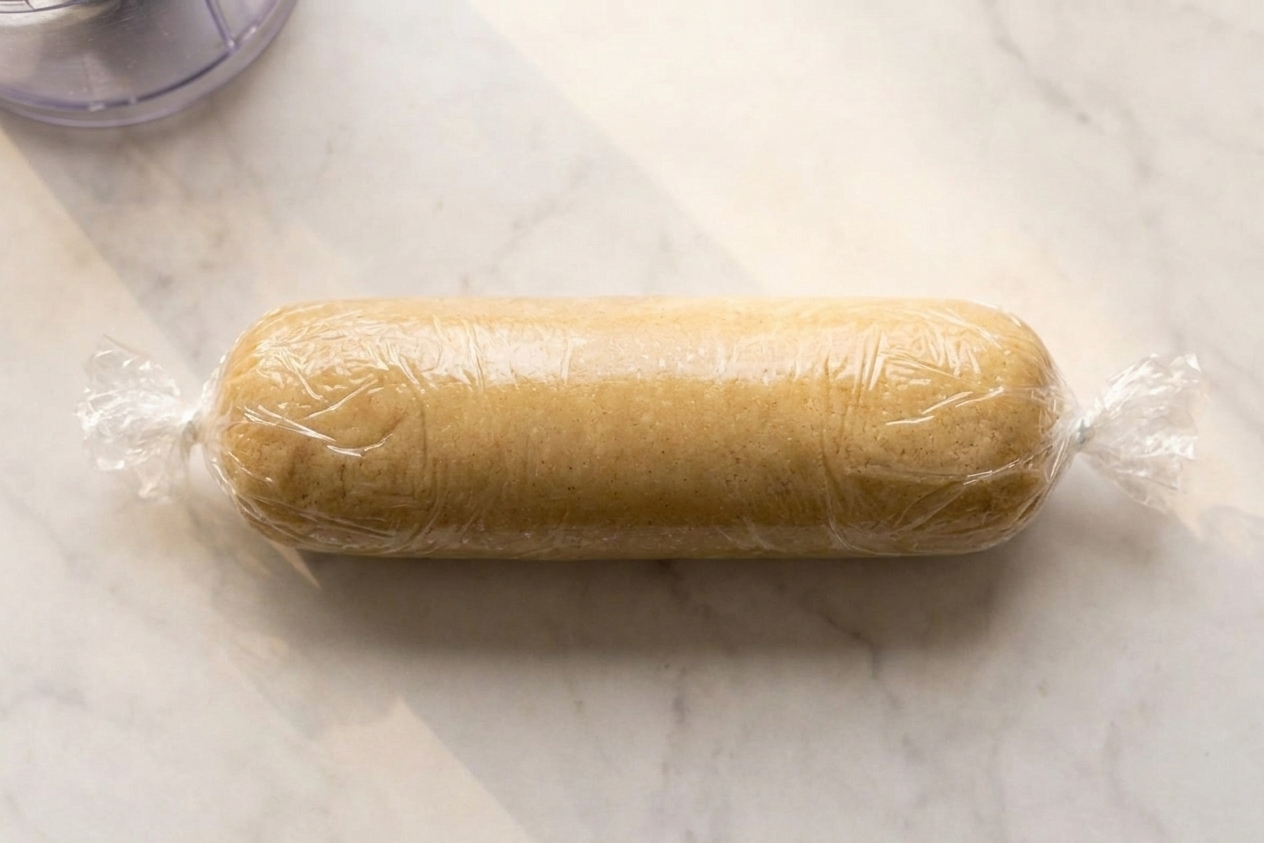
Freezer: Portion into logs or flat rectangles, wrap well, then freeze in a zip-top bag for up to 3 months. Thaw overnight in the fridge. Bring to room temp before using so it mixes easily.

Best tip: Label the package with the date and the approximate weight per piece. Future you will feel like a genius.

Common Questions

Is almond paste the same as marzipan?

Close cousins, different vibes. Almond paste typically has more almonds and less sugar, so it tastes nuttier and is better for baking. Marzipan is sweeter and smoother, usually used for candying and decorating.

Can I use almond flour instead of whole almonds?

Yes. Use fine, blanched almond flour. The paste comes together faster and may be slightly softer. Start with less egg white, then add a few drops at a time.

Do I have to use raw egg white?

Not necessarily. Many homemade recipes use egg white for quick binding, while some classic and commercial versions use sugar syrup (sometimes with glucose) instead. If raw egg whites are a concern, use pasteurized egg white, or use a spoonful of simple syrup (equal parts sugar and water, warmed until dissolved and cooled). Texture will be a bit different, but it works beautifully in baked goods.

Why is my almond paste oily?

That usually means the almonds warmed up and started releasing oil. Chill the mixture for 10 minutes, then pulse again with a little more powdered sugar, 1 tablespoon at a time, until it tightens up.

What can I make with almond paste?

Slice it into cookie dough, crumble it into cake batter, or mix it with butter and a whole egg to make a quick almond cream filling for pastries. It is also amazing rolled into small balls and tucked into the center of muffins before baking.

How much does this recipe make?

About 12 oz (340 g). That is roughly 1 1/2 standard 8-ounce tubes of store-bought almond paste. Most cookies and bar recipes use 4 to 8 oz, so this batch usually covers one bake with a little left for “snack testing.”

The first time I made almond paste at home, it was because I refused to run to the store for one single ingredient. I had almonds, sugar, and the kind of stubborn confidence that shows up right before you make a mess. Ten minutes later, my kitchen smelled like almonds and holiday cookies, and I was spooning little tastes like I was “checking the seasoning.” Now I keep it in my freezer because it turns random weeknight baking into something that feels a little special, even if the plan started as “I wonder if…”