Mom's Best Recipes
Recipe

Homemade Beef Stew

Tender beef, cozy potatoes, and a glossy, savory broth that tastes like it cooked all day, because it kind of did.

Author By Matt Campbell
4.9
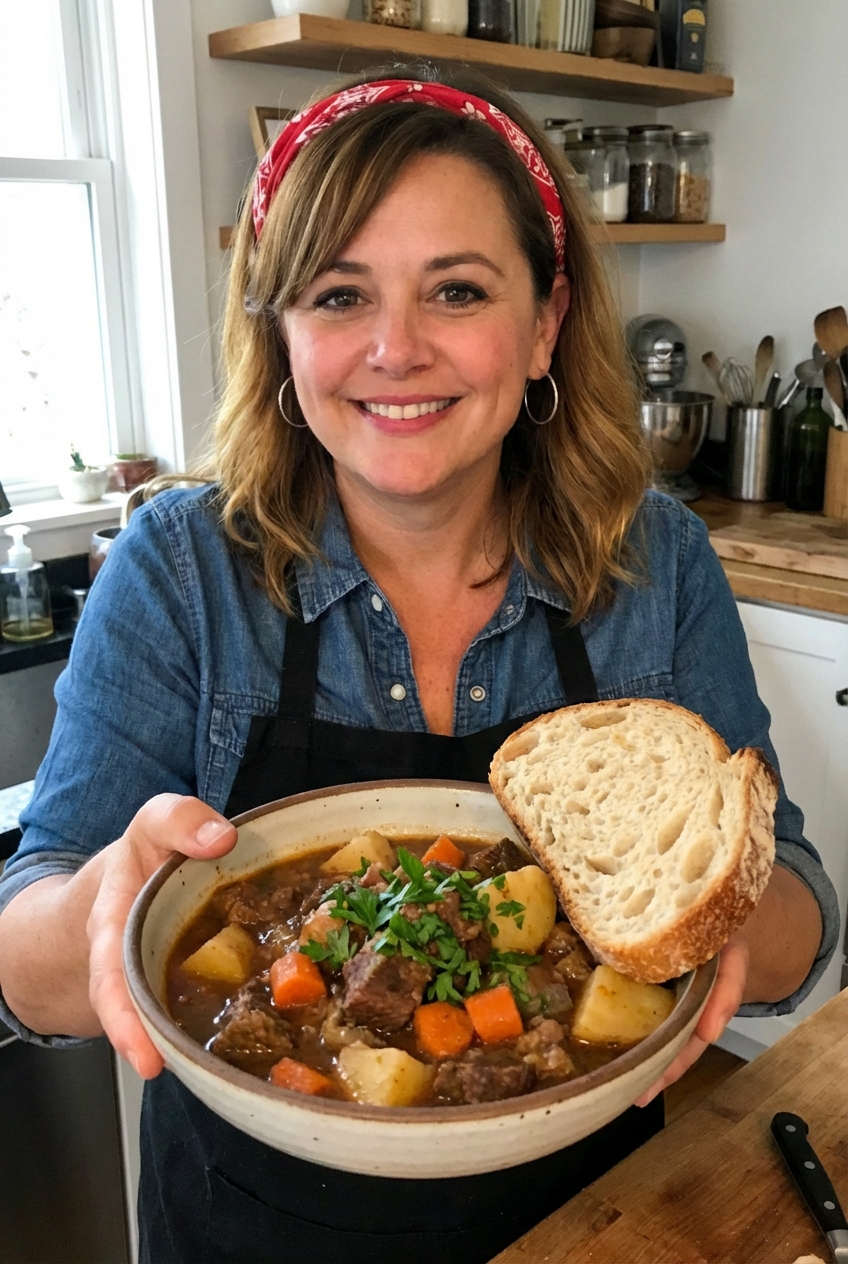
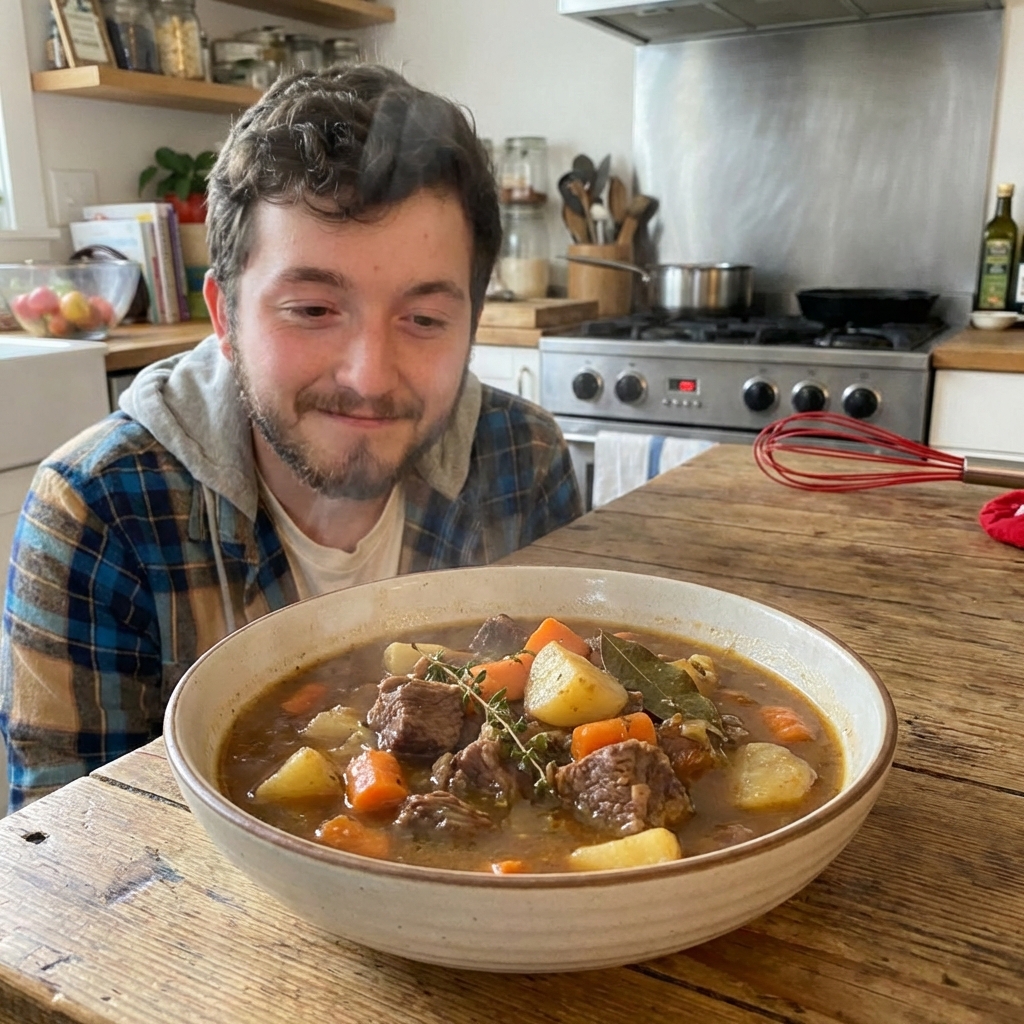
A steaming bowl of homemade beef stew with tender beef chunks, potatoes, carrots, and herbs in a rich brown broth on a wooden table

Beef stew is the culinary equivalent of a thick sweater. Not fancy, not fussy, just deeply comforting and weirdly capable of fixing a bad day. This is the kind of stew that gives you fork-tender beef, vegetables that still have a little backbone, and a broth that goes from thin and shy to rich, glossy, and spoon-coating.

My goal here is big flavor with accessible ingredients and instructions that actually make sense on a weeknight. We are building layers the easy way: brown the beef hard, wake up the tomato paste, let the flour do quiet thickening work, and give it time to simmer until everything tastes like it belongs together.
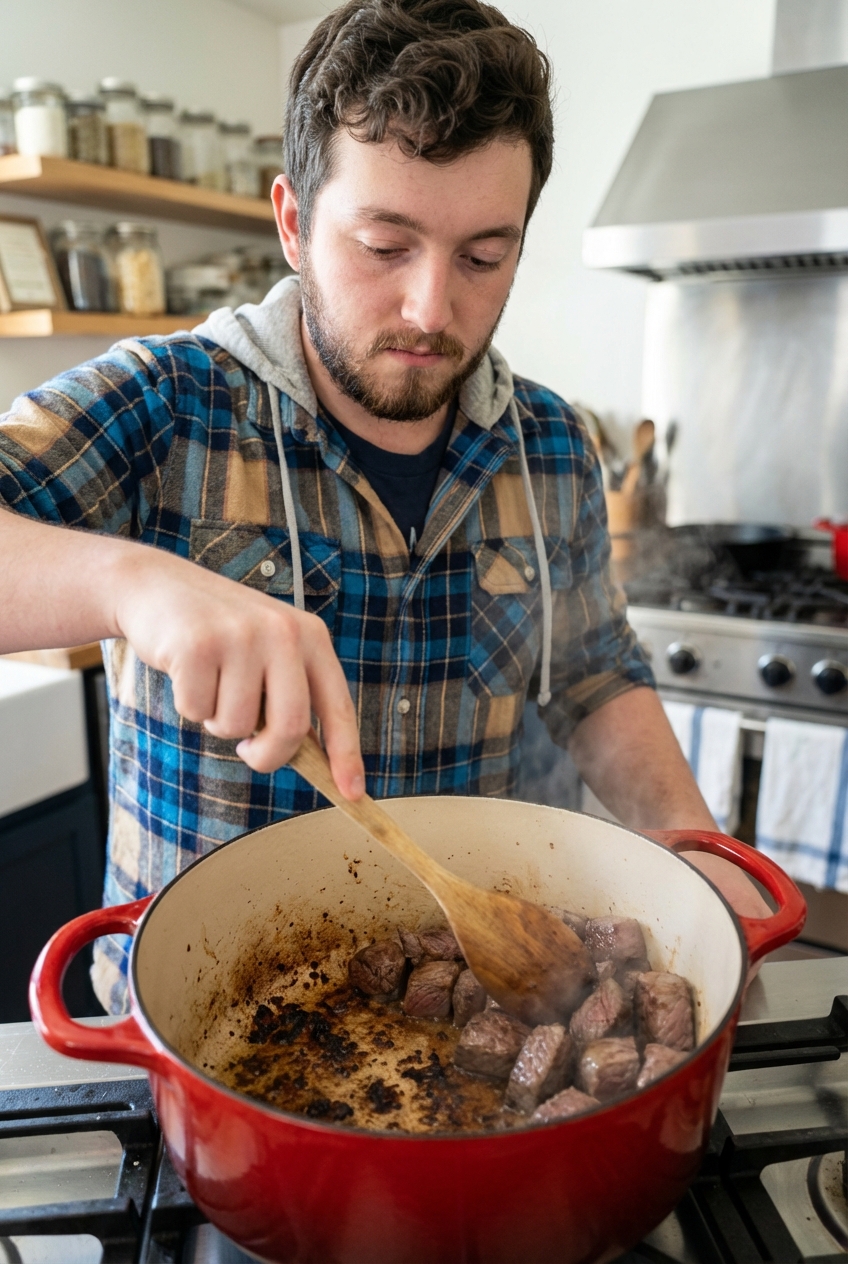
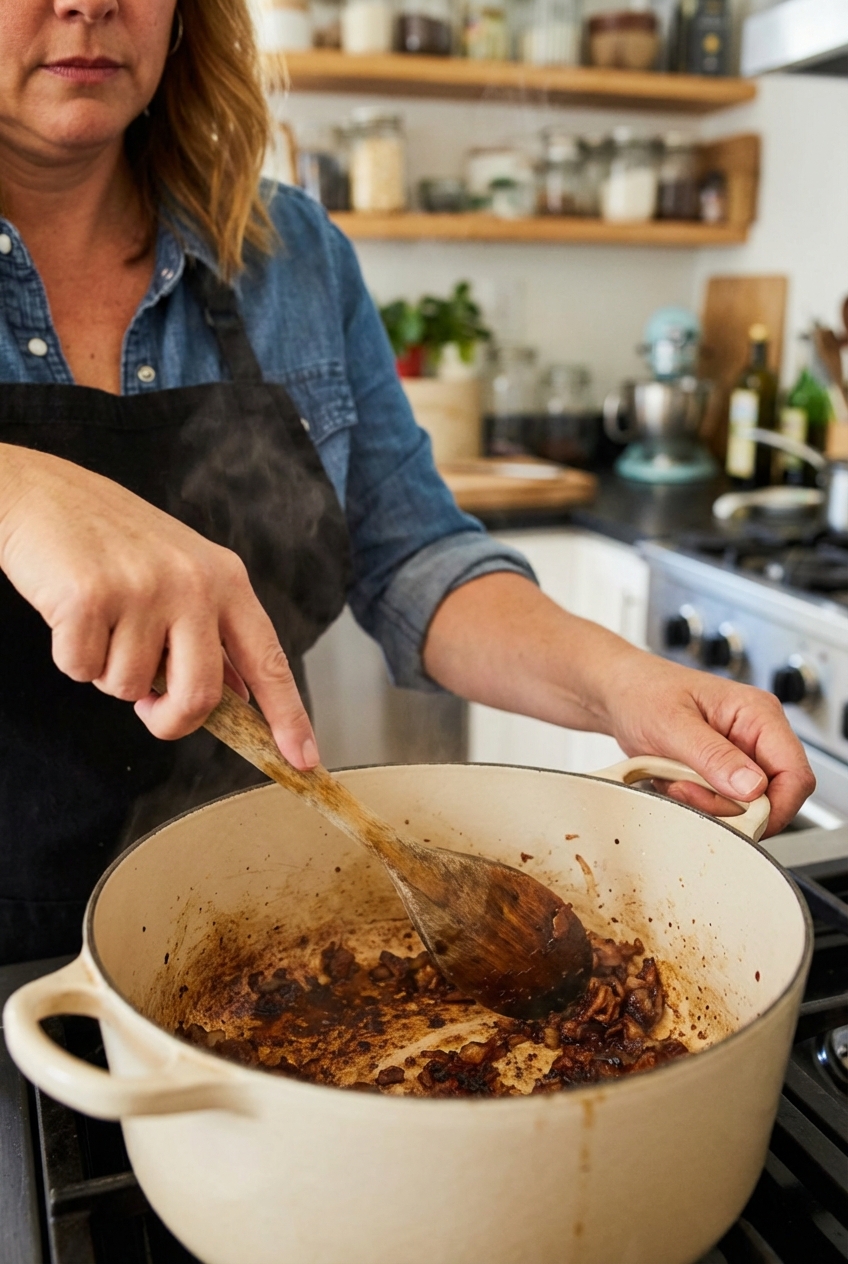
A real photo of beef cubes browning in a Dutch oven with caramelized bits on the bottom

Why It Works

  • Deep, savory flavor: Searing the beef creates browned bits that melt into the broth and make it taste restaurant-level.
  • Thick, silky gravy: A light flour coating plus a tomato paste toast gives you body without turning it into paste.
  • Tender beef that stays juicy: Low and steady simmering breaks down connective tissue instead of drying the meat out.
  • Vegetables that are not mush: Potatoes and carrots go in after the beef has started to tenderize, so they finish perfectly.
  • Make-ahead magic: Like most stews, it tastes even better the next day.

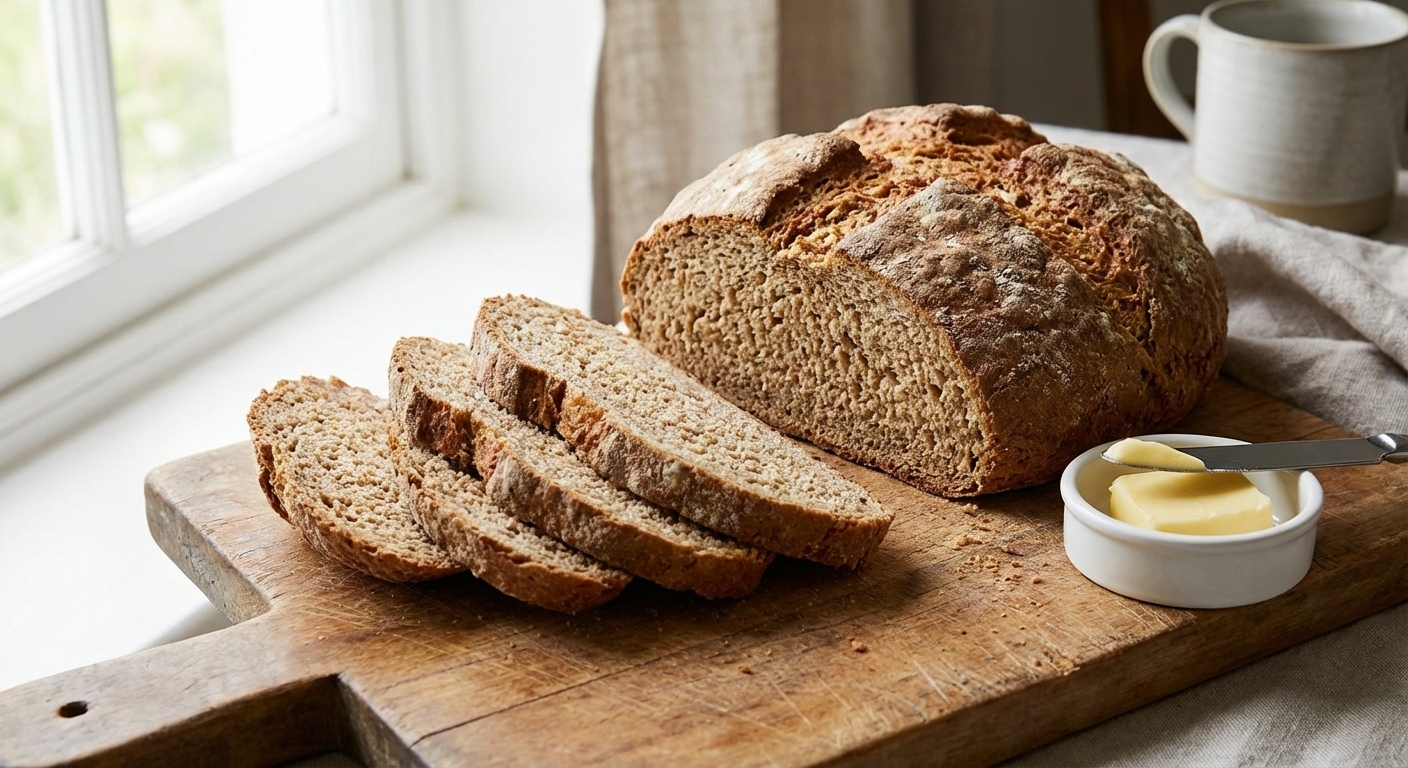
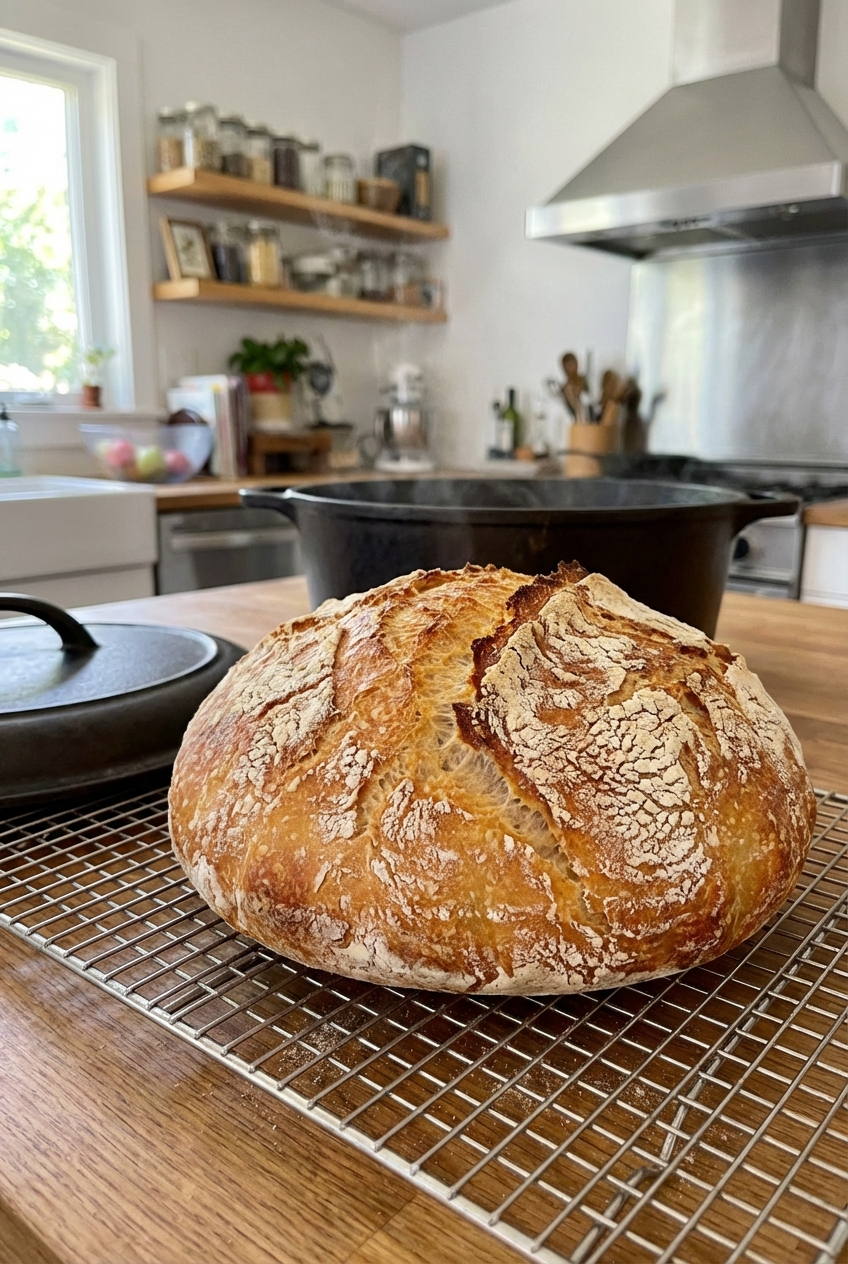
Pairs Well With

Storage Tips

Refrigerator: Cool the stew slightly, then refrigerate within 2 hours in an airtight container for up to 4 days. The fat will rise and solidify on top, which is honestly a gift because you can lift it off if you want it lighter.

Freezer: Freeze in freezer-safe containers or bags for up to 3 months. Leave a little headspace because it expands. Thaw overnight in the fridge for best texture.

Reheating: Warm gently on the stovetop over medium-low, stirring occasionally. If it is too thick, add a splash of beef broth or water. Taste and re-season at the end because cold dulls salt.

Meal prep tip: Portion into single servings, then freeze. Future you will feel personally supported.

Common Questions

What cut of beef is best for stew?

Chuck roast is the classic for a reason. It has enough fat and connective tissue to become tender and flavorful after a long simmer. Look for good marbling and cut it into even chunks so it finishes at the same time.

Why is my stew meat tough?

It usually needs more time, not less. Tough means the connective tissue has not broken down yet. Keep a gentle simmer (bare bubbles, not a rolling boil) and give it another 20 to 40 minutes, checking liquid level as you go.

How do I thicken beef stew without lumps?

Coating the beef with flour before browning thickens naturally as it simmers. If you want it thicker at the end, mix 1 tablespoon cornstarch with 1 tablespoon cold water, stir it in, then simmer 2 to 3 minutes.

Can I make this in a slow cooker?

Yes, but still brown the beef and soften the aromatics first for best flavor. Then cook on low for 8 hours or high for 4 to 5 hours. Add potatoes and carrots during the last 2 to 3 hours on low (or last 1 to 2 hours on high), and cook just until they are tender. Slow cookers vary, so use the vegetables, not the clock, as your guide.

What if I do not have red wine?

No problem. Swap with more beef broth plus 1 tablespoon balsamic vinegar or 1 teaspoon Worcestershire for depth. The stew will still be rich and savory.

Can I add peas or mushrooms?

Absolutely. Add mushrooms when you add the carrots and potatoes. Add frozen peas in the last 5 minutes so they stay bright.

The first time I tried to make beef stew on my own, I treated it like a hurry-up dinner. I barely browned the meat, I cranked the heat, and I kept poking it like that would speed up tenderness. The result tasted fine, but it did not have that pause mid-bite richness I was chasing. Later, working more hands-on in kitchens, I learned the unsexy truth: stew is a patience project, and the payoff is huge. Now I make it like a friend cooking for friends. Brown it properly, scrape the pot like it owes you money, and let time do the heavy lifting. It is cozy, forgiving, and somehow always better the next day.