Mom's Best Recipes
Recipe

Homemade Brioche Buns

Soft, buttery buns with a shiny top and a tender crumb that can handle burgers, breakfast sandwiches, and grilled cheese energy.

Author By Matt Campbell
4.8
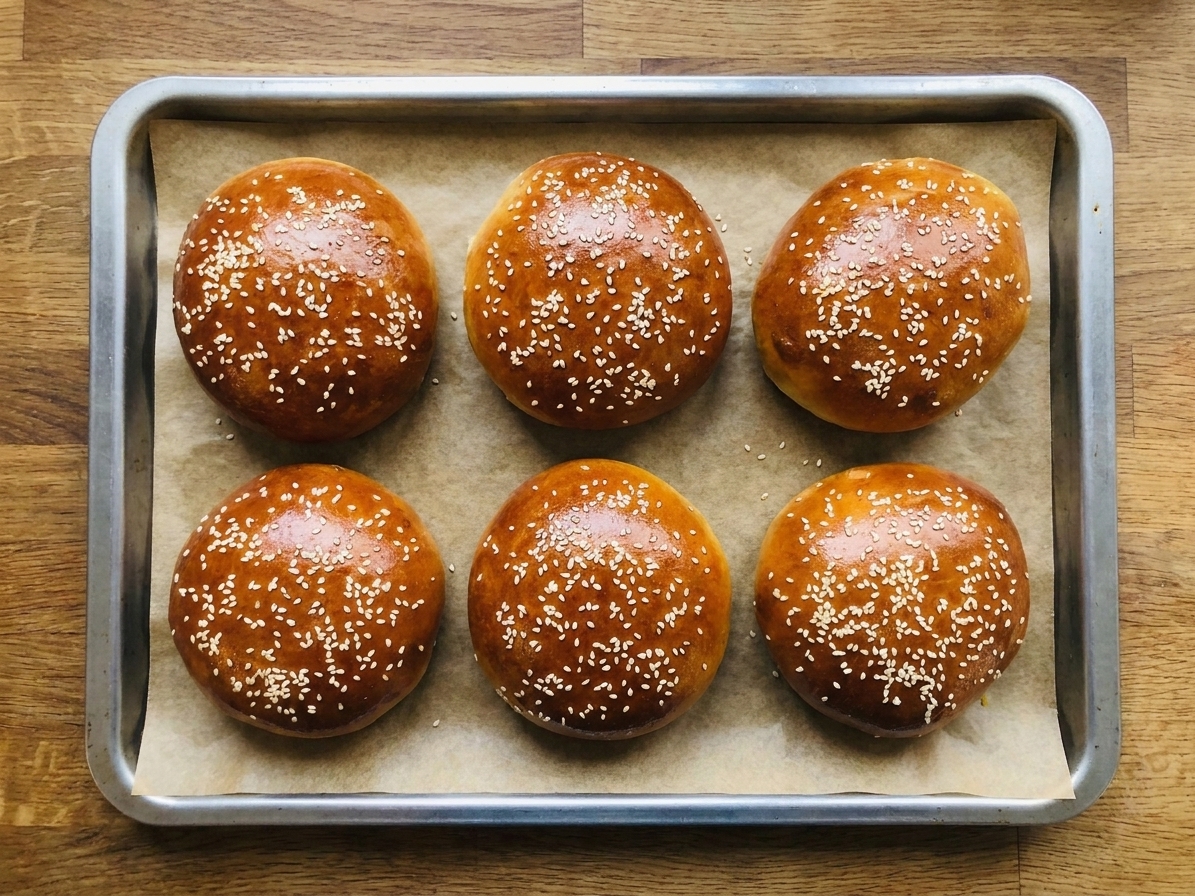
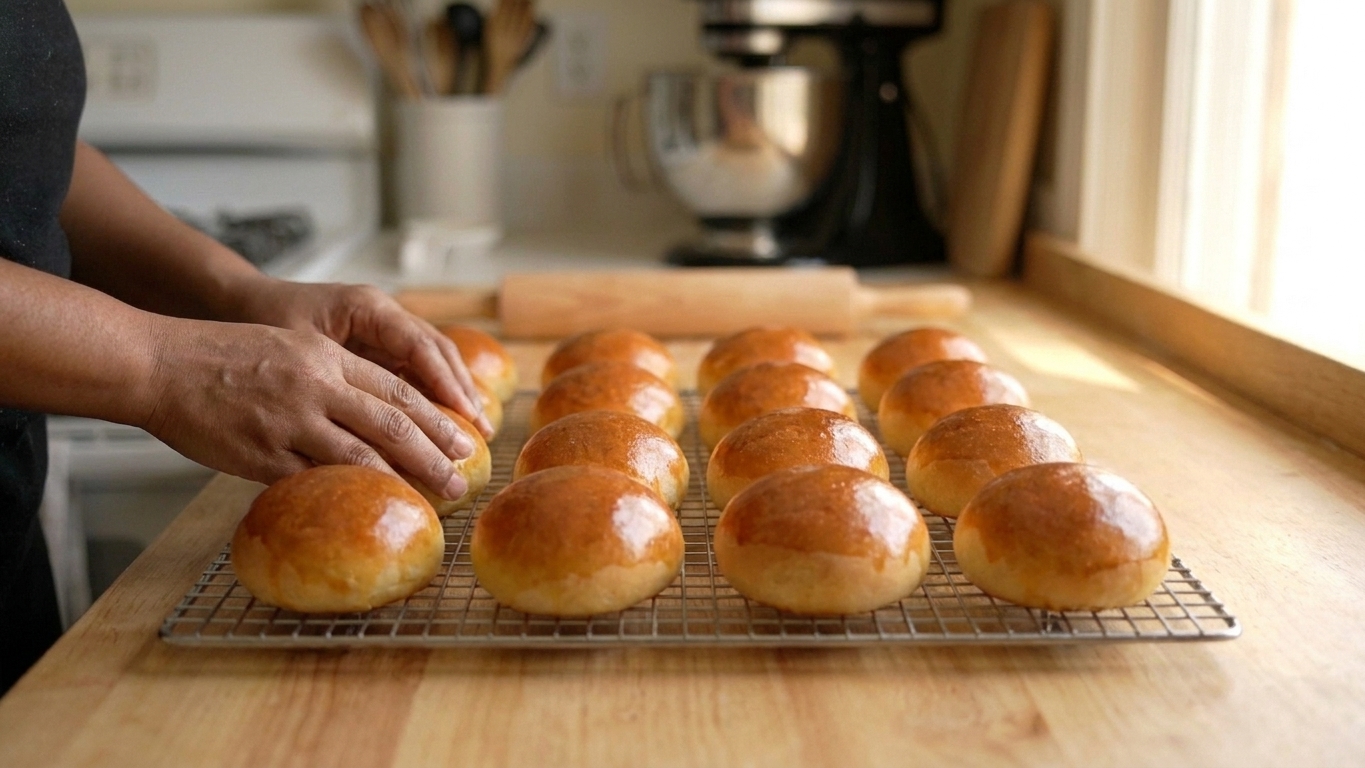
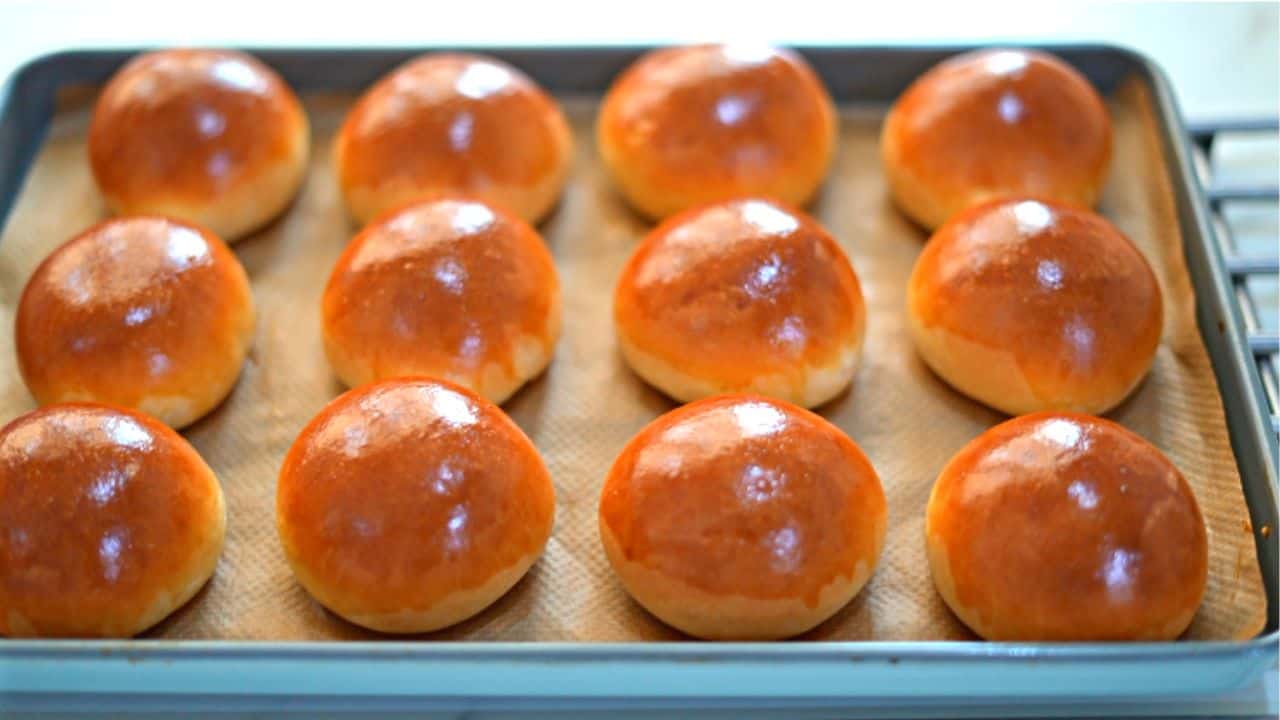
A tray of freshly baked brioche buns with glossy golden tops cooling on a parchment-lined baking sheet on a bright kitchen counter

Brioche buns are the little luxury that makes a normal Tuesday burger feel like you fully have your life together. They are soft but not flimsy, lightly sweet but not dessert-y, and they toast up with crisp edges that make you pause mid-bite like, okay wow.

This is my go-to homemade brioche bun recipe when I want that bakery vibe without needing a pastry degree. The ingredients are straightforward, the steps are clear, and the dough is forgiving as long as you give it time to rise. If you can stir, knead a little, and resist the urge to rush, you can make buns that are fluffy inside with that shiny, bronzed top.

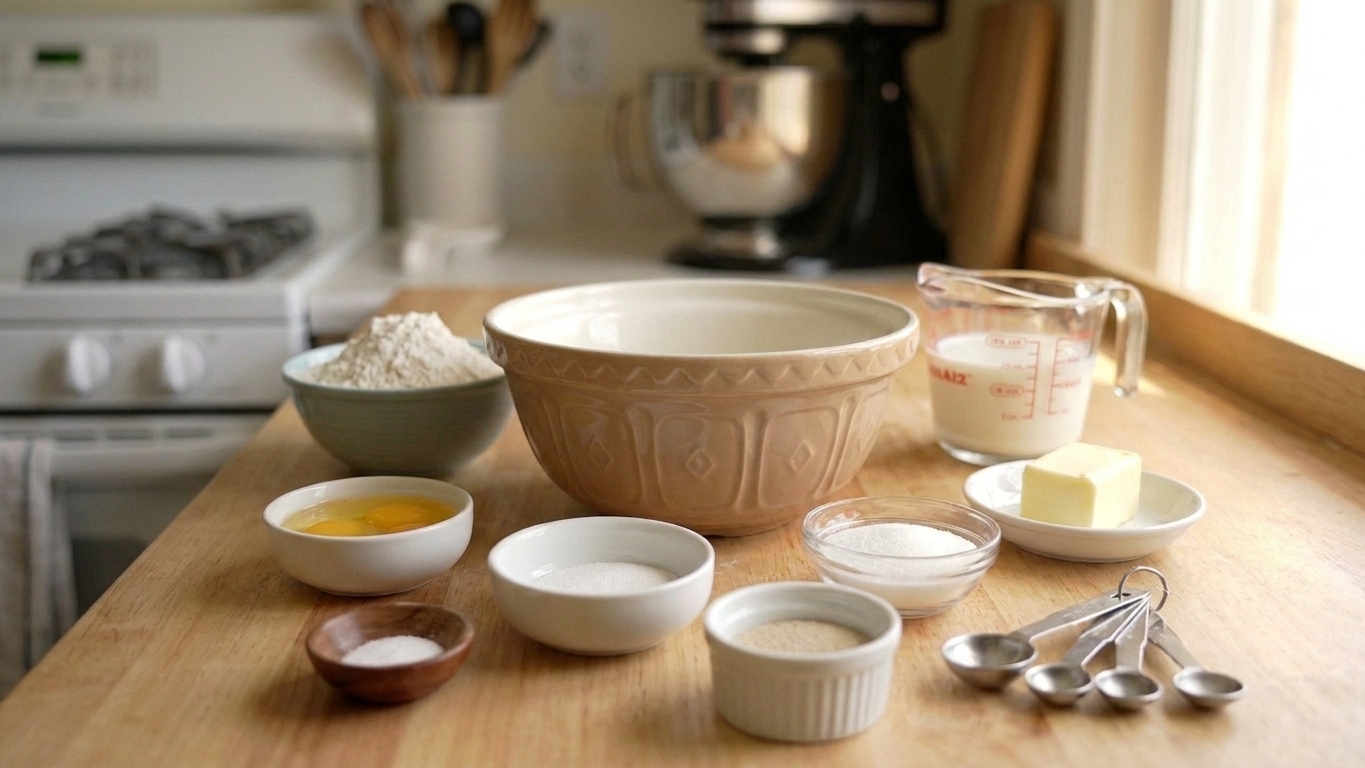
Measured flour, eggs, milk, butter, sugar, yeast, and salt arranged on a clean kitchen counter with a mixing bowl and measuring spoons

Why It Works

  • Soft, rich crumb without being heavy: Eggs and butter make the interior tender, while a sturdy shape keeps it sandwich-ready.
  • Shiny, golden tops: An easy egg wash gives you that classic brioche glow and helps seeds stick if you want them.
  • Great structure for burgers: These buns stay plush but do not disintegrate when you add juicy patties or saucy chicken.
  • Make-ahead friendly: An overnight chill fits real life and actually improves flavor and handling.

Pairs Well With

Storage Tips

Room temperature: Cool completely, then store in a zip-top bag or airtight container for up to 2 days. If your kitchen runs warm, tuck in a paper towel to absorb moisture.

Refrigerator: I usually skip this because it can dry bread out faster, but if you must, store tightly wrapped for up to 4 days and rewarm before serving.

Freezer: Slice the buns (optional but smart), wrap well, and freeze up to 2 months. Thaw at room temperature, then toast or warm in a 300 F oven for 8 to 10 minutes.

Revive a bun: If it feels a little stale, lightly mist the cut side with water and toast. It comes back to life fast.

Time note: Total time depends on how warm your kitchen is. If your dough is taking its sweet time, let it. A slow rise still makes a great bun.

Common Questions

Are brioche buns sweet?

They are lightly sweet. Think gentle warmth from a little sugar, not a Hawaiian roll situation. The sweetness helps browning and balances savory fillings.

Can I make the dough ahead?

Yes. After the first rise, cover and refrigerate the dough overnight (8 to 16 hours). The next day, shape, proof, and bake. Cold dough is also easier to portion and shape neatly.

Why are my buns dense?

Most often it is one of three things: the yeast was old, the dough did not rise long enough, or too much flour was added. The dough should feel soft and slightly tacky. Also, brioche needs patience. If your kitchen is cool, the rises will take longer.

Can I use bread flour instead of all-purpose?

Yes. Bread flour gives a slightly chewier bun with a bit more lift. If you want the softest, most tender crumb, stick with all-purpose or do a 50/50 blend.

Can I make these without a stand mixer?

You can, but it is a workout. Mix with a sturdy spoon, then knead by hand until smooth. Add the butter gradually and keep kneading until the dough looks glossy and elastic. If it feels greasy at first, keep going. It will come together.

How do I get that super shiny top?

Egg wash is the whole secret. For extra shine, do a thin coat right before baking. For maximum glow, do a light coat after shaping, then a second coat right before the buns go in the oven.

Can I use instant yeast instead of active dry?

Yes. Use the same amount (2 1/4 tsp or 7 g). You can mix it right into the dry ingredients and skip the “wake up the yeast” step, but if you like reassurance, you can still bloom it in warm milk.

I used to treat buns like an afterthought. Then I made a burger at home that deserved better than a sad, squishy supermarket roll, and suddenly I was the person making brioche on purpose. The first batch was a little lopsided, the kitchen looked like a flour storm hit it, and I still ate one warm with butter standing at the counter like I had just discovered bread. These are the buns I make when I want dinner to feel like a small celebration, even if it is just me, a skillet, and a craving.