Mom's Best Recipes
Recipe

Homemade Creamy Ricotta

A 30 minute, ultra-creamy ricotta-style cheese made with simple ingredients and zero fancy gadgets. Perfect for lasagna, toast, pancakes, pizza nights, or eating straight from the bowl like a kitchen gremlin.

Author By Matt Campbell
4.9
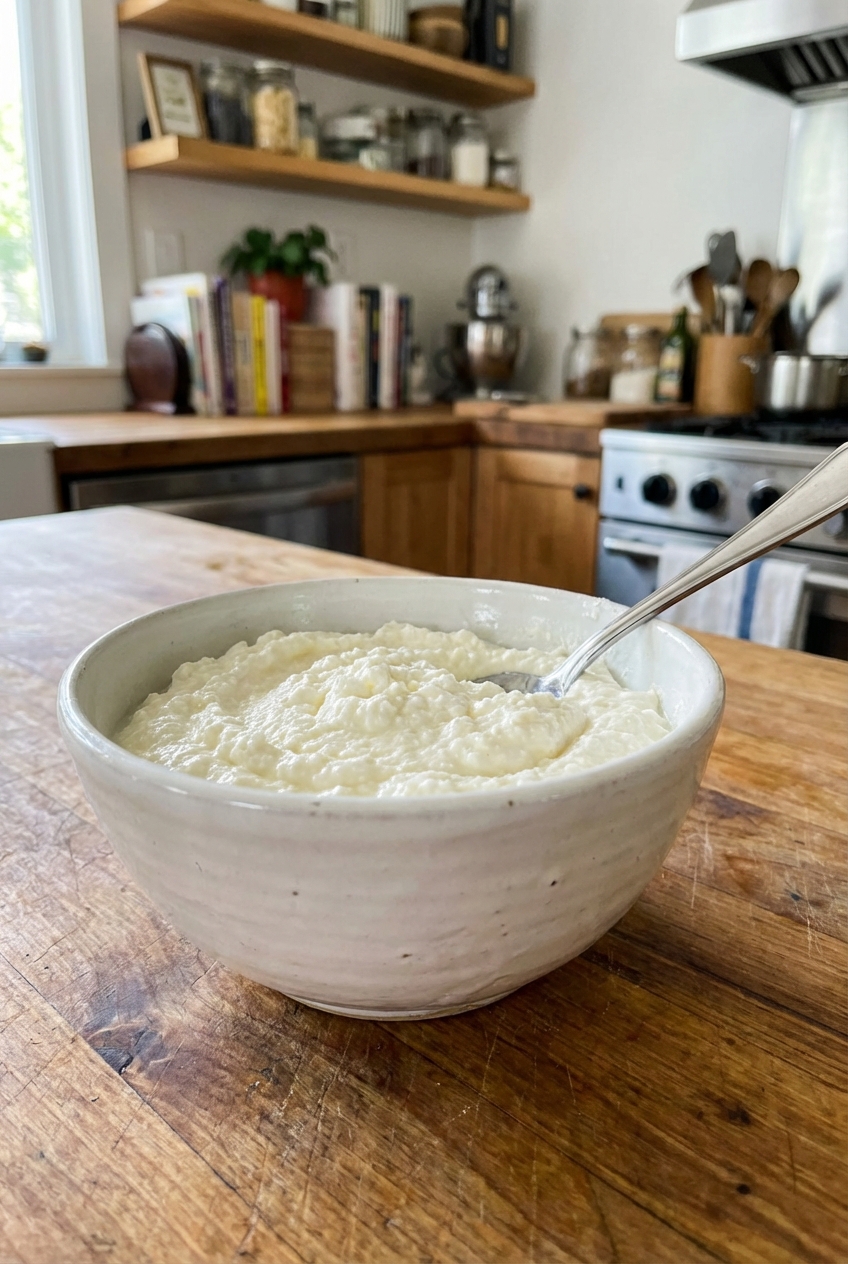
A real photograph of a ceramic bowl filled with creamy homemade ricotta on a wooden countertop with a spoon resting beside it

Store-bought ricotta has its place. So does a basic black tee and cereal for dinner. But when you want ricotta that tastes like you actually meant to be impressive, homemade is the move.

This recipe makes ricotta that is creamy, fluffy, and clean-tasting, with tiny tender curds that feel luxurious without being fussy. It is a weeknight-friendly project with big payoff: heat dairy, add acid, wait a few minutes, strain, done. If you can boil pasta, you can make ricotta.

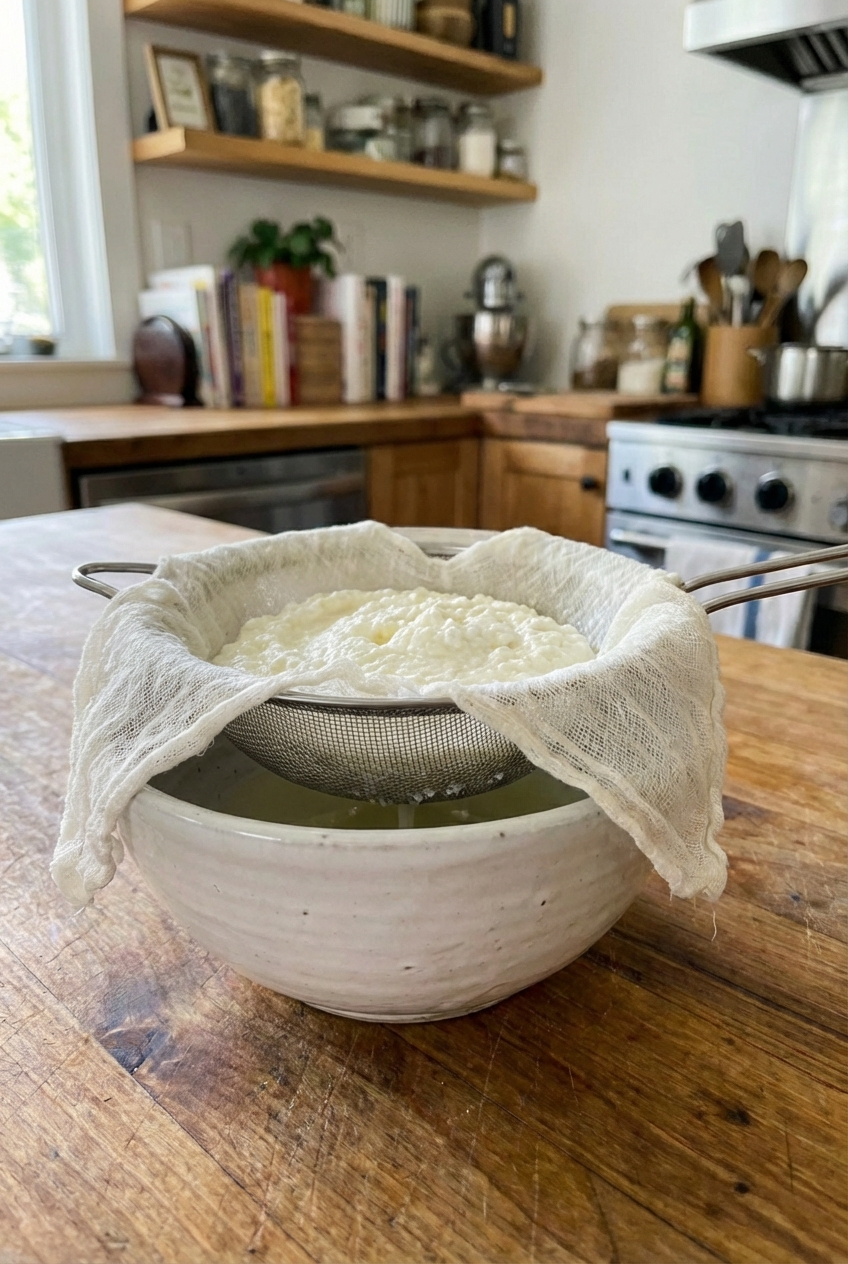
Bonus: you get to decide the vibe. Strain it briefly for spoonable, cloud-like ricotta. Strain longer for a thicker, spreadable texture that behaves beautifully in lasagna, stuffed shells, and cannoli situations.

How to use it: fold into scrambled eggs, dollop onto pizza after baking, swipe onto toast with jam or tomatoes, or stir into pasta with lemon and black pepper for instant “I cooked” energy.

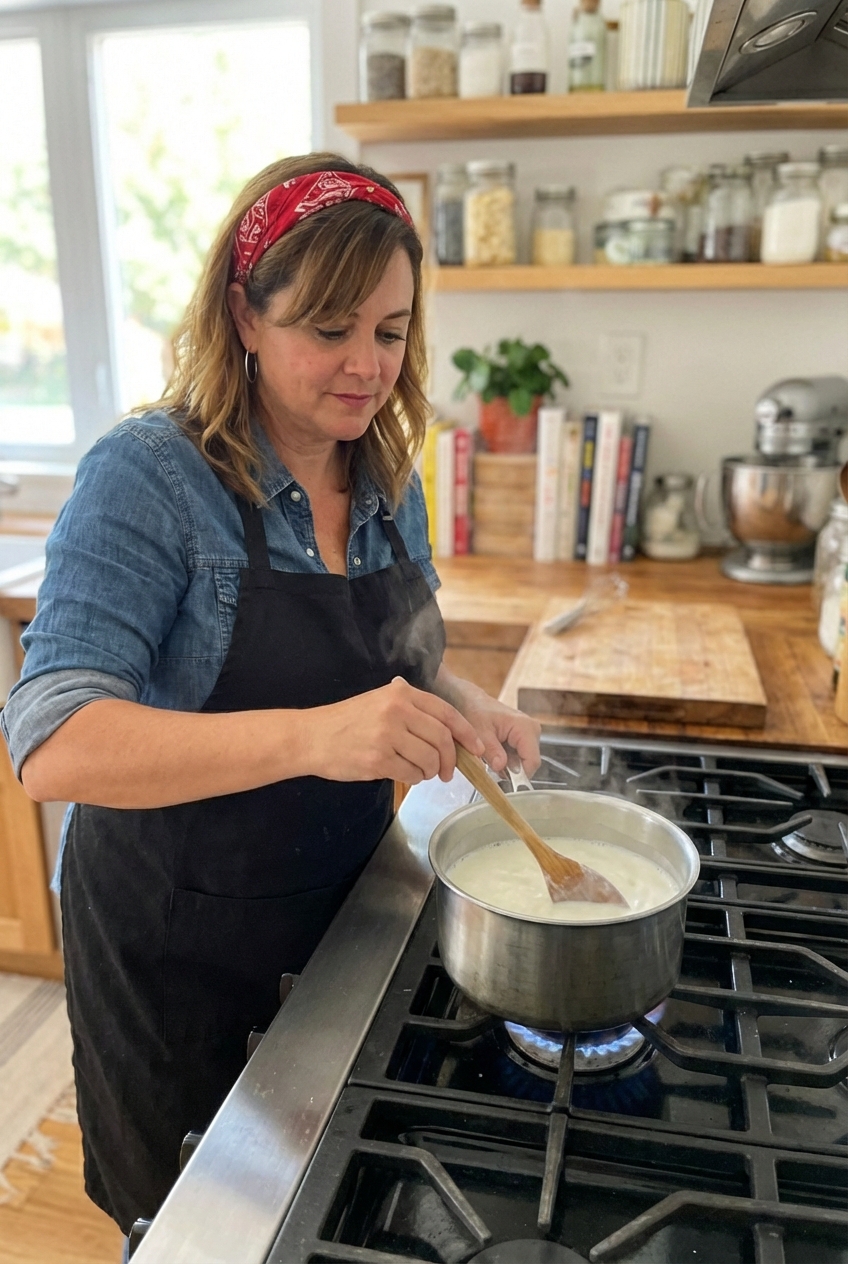
A real photograph of a stainless steel pot on a stovetop with milk curds forming in hot liquid after adding acid

Why It Works

  • Reliable curds: Heating to the right temperature plus enough acid means you get consistent curd formation without guessing.
  • Better texture: A little heavy cream (optional but highly encouraged) creates ricotta that is creamy instead of grainy or dry.
  • You control the thickness: Strain for a few minutes for soft and spoonable, or longer for thicker ricotta that holds its own in baked dishes.
  • Flavor that actually tastes like dairy: Using good milk makes ricotta taste sweet, fresh, and rich without needing a lot of extra seasoning.

Storage Tips

Refrigerator

Store ricotta in an airtight container in the fridge for 3 to 4 days. Refrigerate promptly after making it. If liquid collects on top, just stir it back in or pour it off depending on how thick you want it.

Freezer

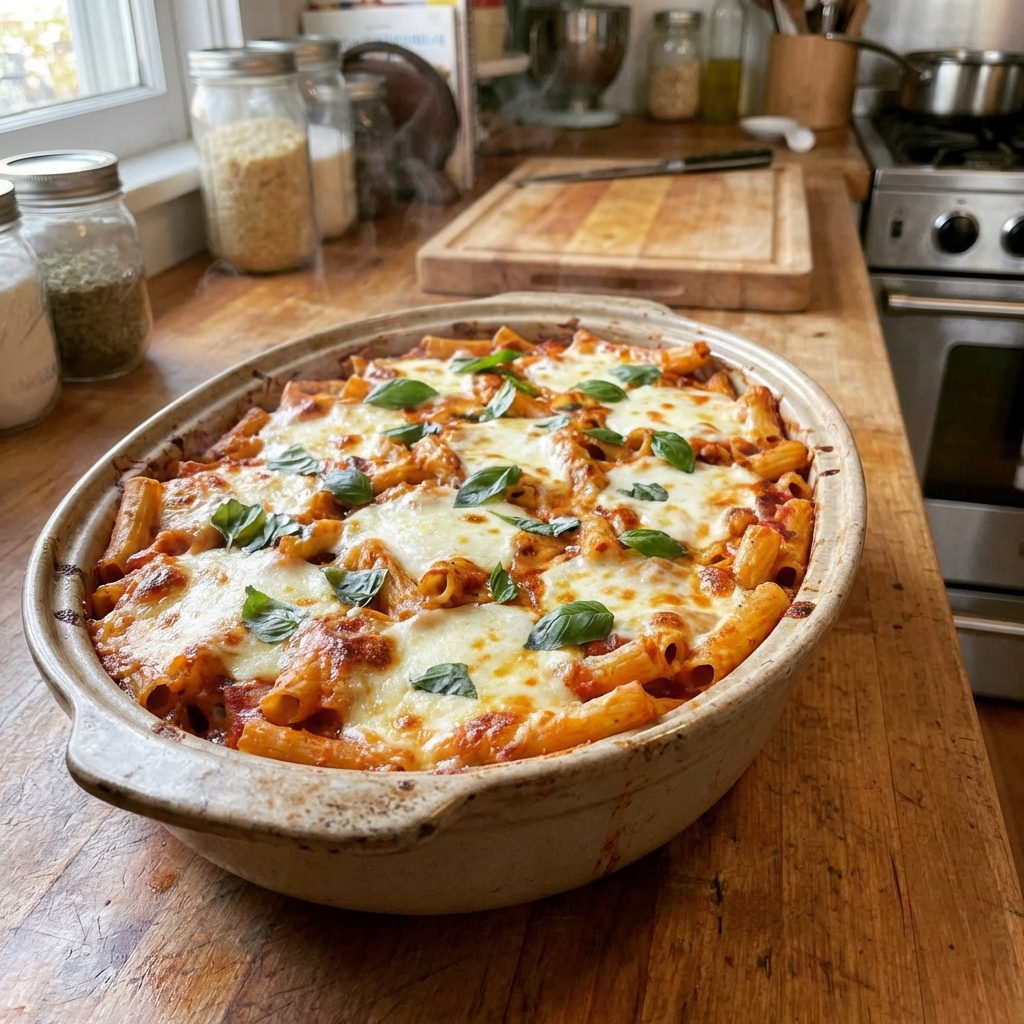
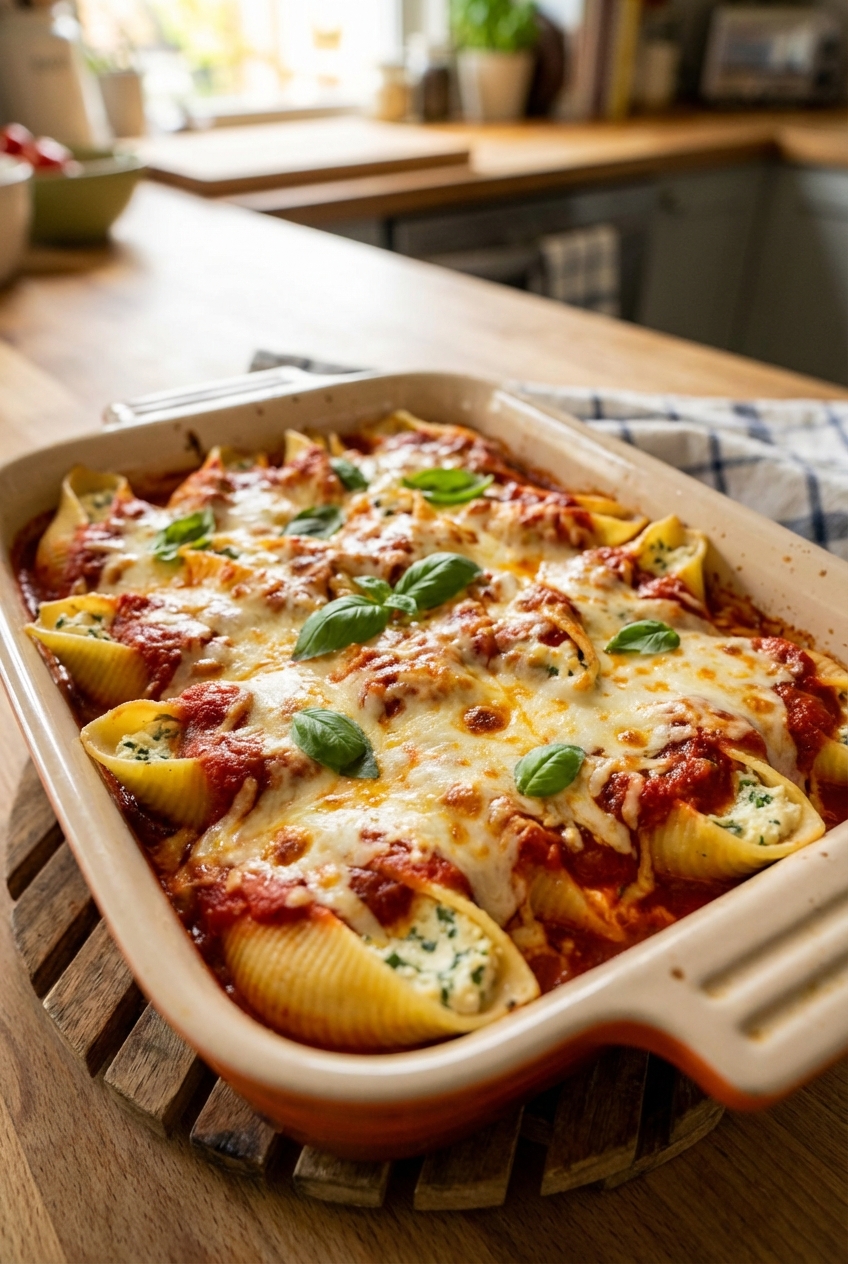
You can freeze ricotta for up to 2 months, but the texture changes and becomes a bit more crumbly. Frozen ricotta is best used in baked recipes like lasagna, stuffed shells, or baked ziti, where nobody is judging curd elegance.

Leftover whey

Do not toss it. Use whey in place of water or milk in pancakes, waffles, bread dough, soups, or even to cook rice. It adds a gentle tang plus some minerals and a bit of protein.

Common Questions

Why didn’t my milk curdle?

Usually one of three things: (1) the mixture did not get hot enough, (2) you did not add enough acid, or (3) your milk was ultra-pasteurized and just being stubborn. Milk freshness and protein content can also affect how dramatic the curds look. Fix: bring the mixture back to 190°F to 195°F (hot and steamy, not boiling), turn off heat, add 1 more tablespoon lemon juice or vinegar, stir once, and let it sit 5 to 10 minutes.

What milk works best for homemade ricotta?

Whole milk makes the creamiest ricotta. If you can find milk that is not ultra-pasteurized, it often curdles more readily and gives nicer curds. Ultra-pasteurized can still work, it just sometimes needs a touch more acid and patience.

Can I use only milk, no cream?

Yes. You will still get ricotta, just a bit lighter and slightly less lush. If you want a richer result without cream, strain for a shorter time and stir in a tablespoon or two of olive oil or a splash of milk at the end.

Lemon juice or vinegar, which is better?

Lemon juice gives a slightly brighter flavor. Distilled white vinegar is more neutral and consistent. Both work. If you are using this ricotta for desserts, lemon is lovely. For savory, either one is great.

Is this the same as traditional ricotta?

Traditional Italian ricotta is made from whey left over from cheesemaking. This version is technically a quick “ricotta-style” fresh cheese made from milk (and optional cream) set with acid. The result is still creamy, fresh, and perfect for everyday cooking.

How do I make it extra smooth?

Strain briefly, then stir gently until creamy. For ultra-smooth ricotta (hello, cheesecake filling), give it a quick blitz in a food processor or press it through a fine sieve.

The first time I made ricotta at home, I fully expected it to feel like a science fair project. Instead, it felt like cheating. Warm milk, a squeeze of lemon, and suddenly I had a bowl of creamy, slightly sweet ricotta that made my toaster oven garlic bread look like it had a personal chef.

Now it is my favorite “I have leftovers and a personality” move. A spoonful of this ricotta can turn sad pasta into a plan, and it has absolutely saved more than one weeknight dinner from becoming a crunchy granola bar situation.