Mom's Best Recipes
Recipe

Homemade Crusty Bread

A golden, crackly no-knead loaf with a chewy center, baked in a Dutch oven for bakery-level crust using everyday pantry staples.

Author By Matt Campbell
4.9
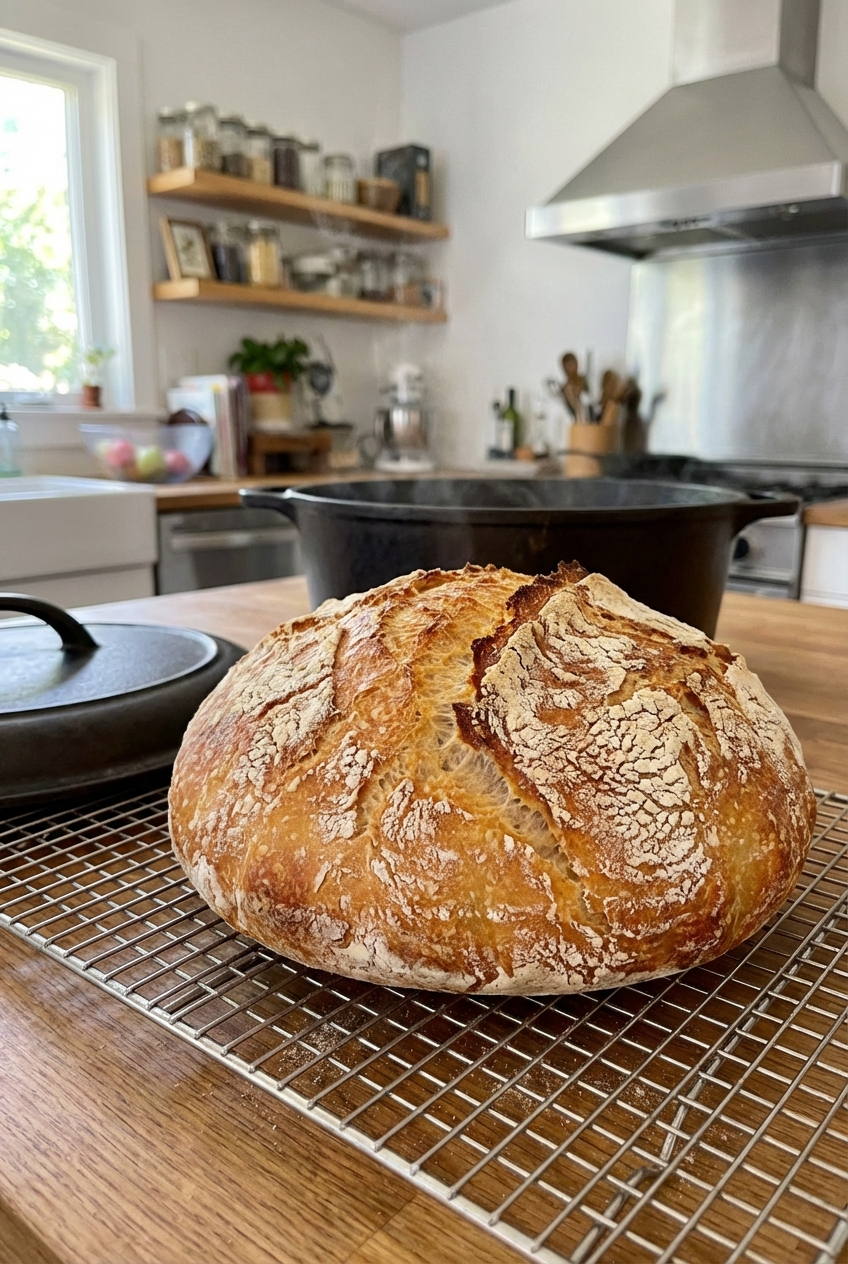
A golden homemade crusty bread loaf resting on a wooden cutting board with a serrated knife nearby

If you have ever torn into a loaf of crusty bread and thought, this is a personality trait now, welcome. This homemade crusty bread is the low-effort, high-reward kind of recipe that makes your kitchen smell like a tiny bakery with big dreams. It is no-knead, which means your arms can stay emotionally available for butter spreading.

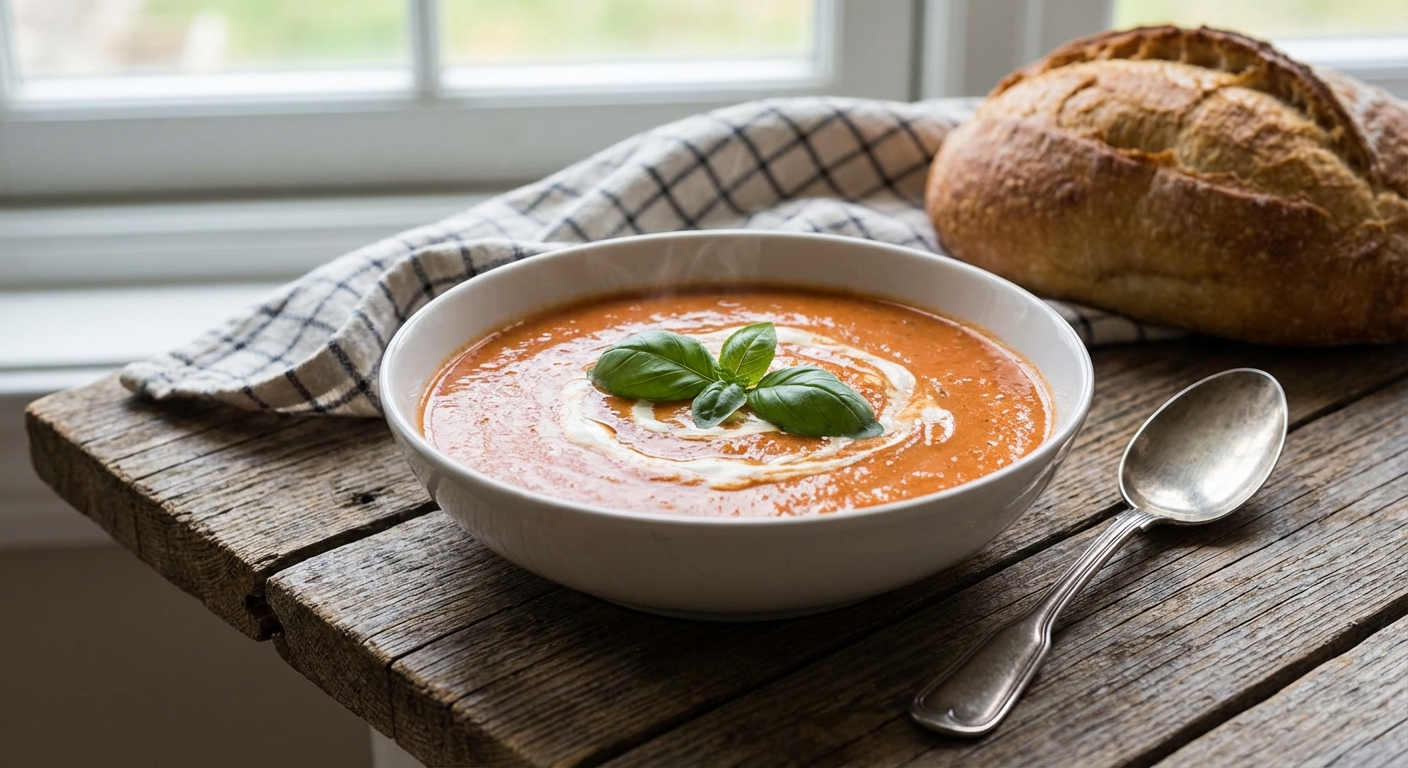
The secret is time and a hot Dutch oven. A long rest builds flavor and structure, and that preheated pot traps steam so you get a crisp, shattery crust with a chewy, airy inside. It is the kind of loaf that makes even a sad soup feel like it got promoted.

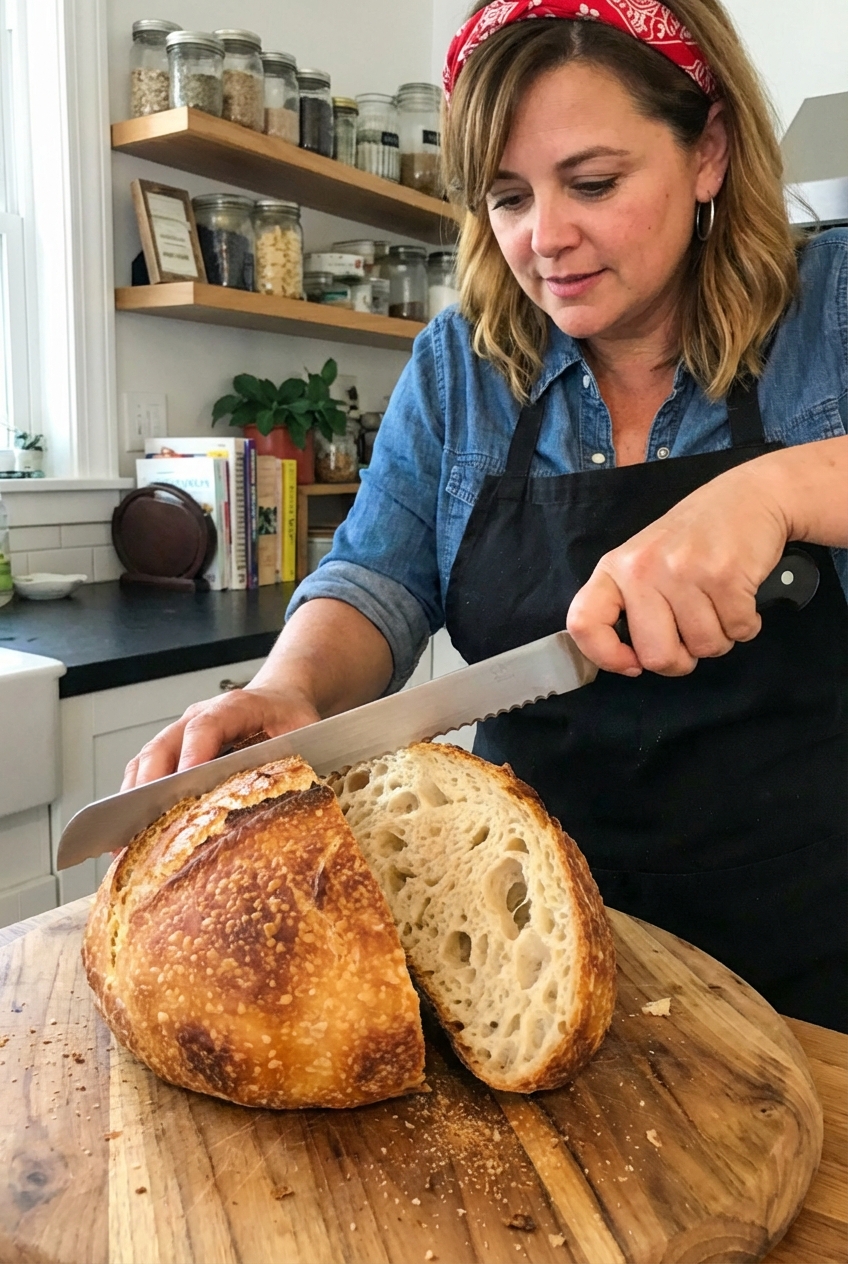
A close-up photo of a sliced crusty bread loaf showing an airy crumb

Why It Works

  • Big crust energy: Baking in a preheated Dutch oven creates steam, which gives you that glossy, crackly crust without fancy equipment.
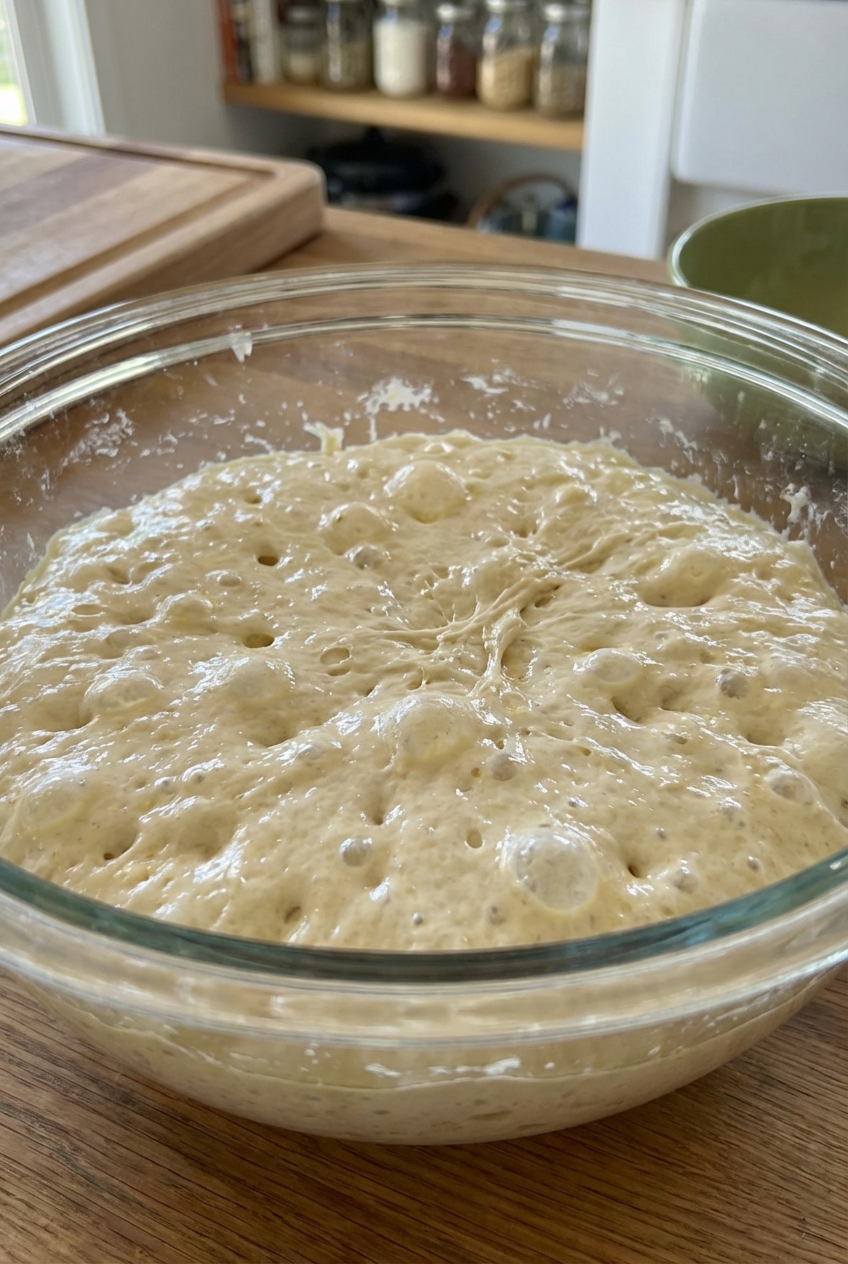
  • No-knead, no drama: A long rise lets gluten develop on its own. Time does the work while you do literally anything else.
  • Flexible schedule: You can let the dough rise overnight, then bake the next day when you are ready for fresh bread greatness.
  • Pantry basics: Flour, water, yeast, salt. That is it. The “extra” is patience, and even that can be imperfect.

Storage Tips

Keep It Crusty

Fresh crusty bread is at its peak the day it is baked, but leftovers still have a very bright future.

  • Day 1 to 2: Store cut-side down on a cutting board, or in a paper bag, at room temperature. Avoid airtight containers unless you like a softened crust.
  • Day 3 and beyond: Slice, then freeze in a sealed bag. Toast slices straight from frozen.
  • To re-crisp: Spritz the loaf lightly with water, then bake at 400°F for 8 to 12 minutes. The crust will perk right up.
  • Use it up: Cube for croutons, blitz for breadcrumbs, or make the most unfairly delicious grilled cheese.

A real photo of sliced bread pieces on a baking sheet ready to be toasted

Common Questions

Common Questions

Do I really need a Dutch oven?

It is the easiest path to a crackly crust because it traps steam. If you do not have one, bake on a preheated sheet pan or pizza stone and place a sturdy metal pan (like a rimmed metal baking pan) on the lower rack. Right after the bread goes in, carefully pour 1 cup very hot water into that lower pan, then close the oven door fast. Keep your face and hands back. Steam burns are fast and rude.

Why is my dough so sticky?

That is normal for no-knead bread. Sticky dough helps create an open crumb. Use wet hands or a floured surface when shaping, and do not over-flour the dough or it can turn dense. That said, this dough should be sticky, not soupy. If it pours like batter, you likely added too much water.

How do I know the bread is done?

Look for a deep golden brown crust. If you have a thermometer, aim for 205°F to 210°F in the center. Also, it should sound hollow when tapped on the bottom. If it is pale, give it 3 to 5 minutes more uncovered.

Can I use whole wheat flour?

Yes. Start by swapping in 1 cup whole wheat flour for 1 cup bread or all-purpose flour. Whole wheat absorbs more water, so if the dough looks dry, add 1 to 2 tablespoons water.

Why did my loaf come out dense?

Most commonly: the dough did not rise long enough, your yeast is old, or you added too much flour during shaping. Give it more time and trust the sticky.

Can I cold-proof it in the fridge?

Absolutely. After the first rise, refrigerate the covered dough for up to 3 days. Bake straight from cold after shaping and a short rest, or let it sit at room temp for 30 to 60 minutes if your kitchen is chilly.

Can I use active dry yeast instead of instant?

Yes. Use it 1:1. You can mix it straight into the flour like instant yeast, but at this tiny amount it may rise a bit slower, especially in a cool kitchen. If you prefer, dissolve it in a little of the water first, then add it in. Either way works.

The first time I made crusty bread at home, I fully expected a beige doorstop and a bruised ego. Instead, I pulled a crackling little loaf out of the oven that sounded like it was applauding me. I ate a heel slice standing at the counter with butter melting into the crumb, and I swear I briefly understood the plot of every rustic food movie ever made. Now this is my go-to “I want to feel like I have my life together” bake, even when I absolutely do not.