Mom's Best Recipes
Recipe

Homemade Hummingbird Food

A simple sugar water nectar recipe with the correct ratio, plus storage and feeder care tips to keep backyard visitors coming back.

Author By Matt Campbell
4.8
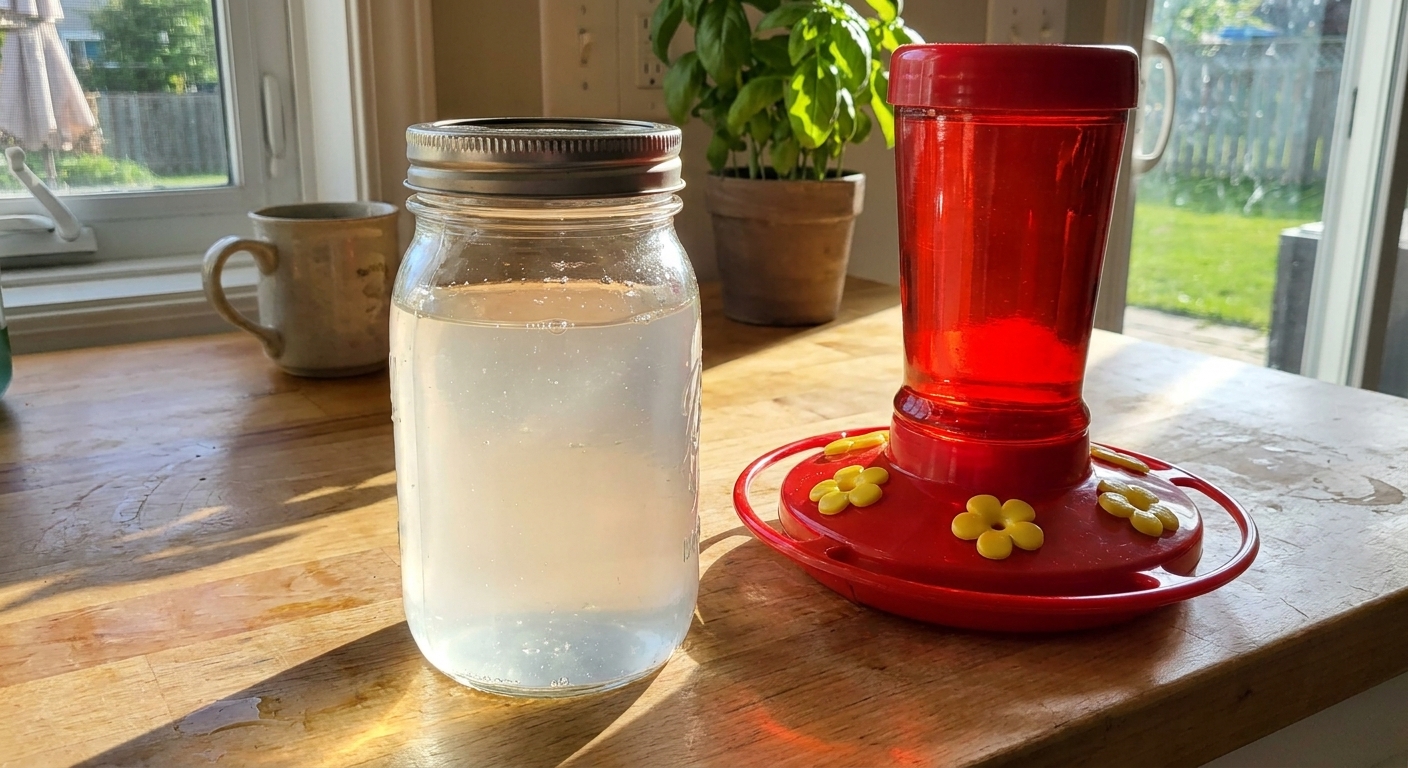
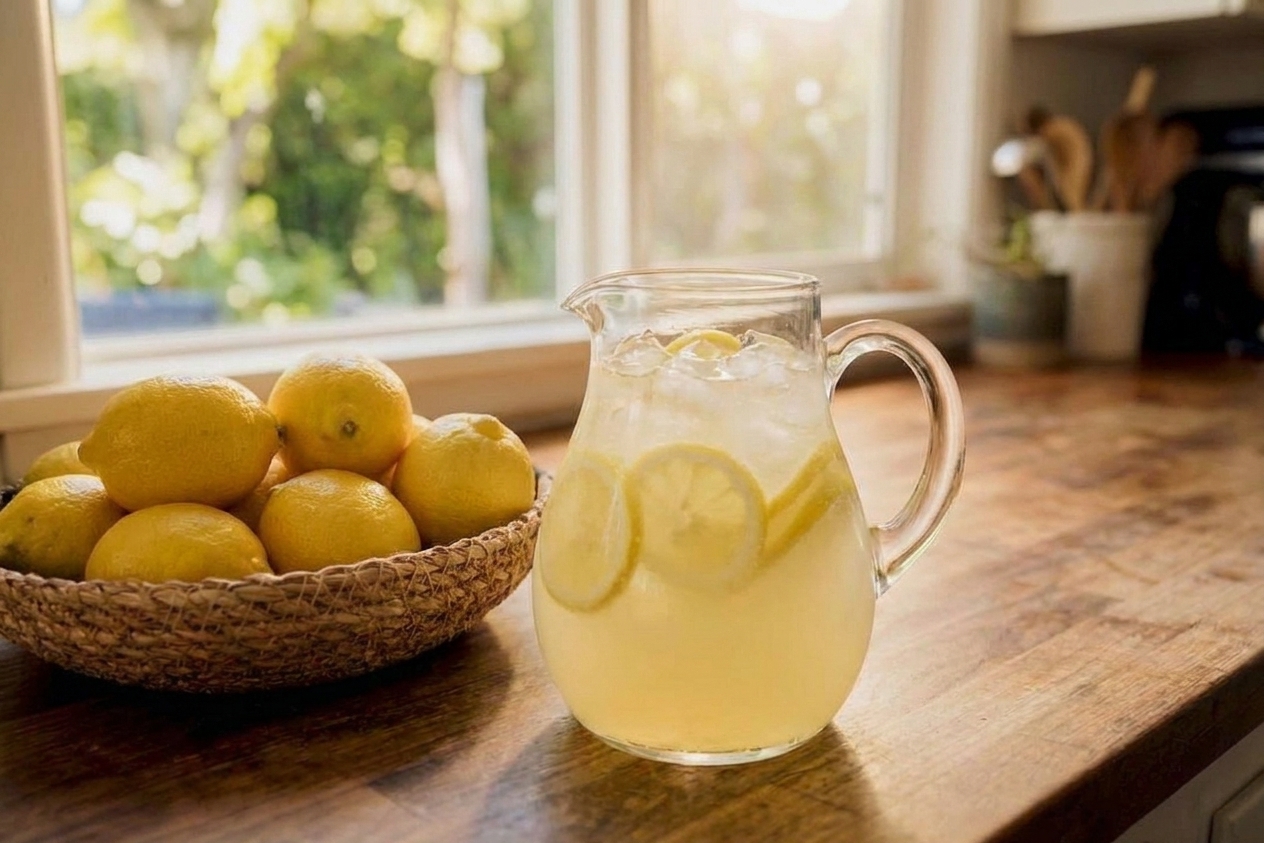
A clear glass jar filled with homemade hummingbird nectar beside a red hummingbird feeder on a sunny kitchen counter, real photo style
Jump to Recipe

If you can make simple syrup for cocktails or sweet tea, you can make hummingbird food. This is the no-drama, two-ingredient version that is widely recommended. No red dye, no fancy add-ins, no mystery powders. Just a clean, sweet nectar that mimics what hummingbirds naturally chase in flowers.

Most of the "hummingbird recipe" confusion comes down to one thing: the ratio. Nail that, keep your feeder clean, and you will have tiny winged regulars showing up like they have a reservation.
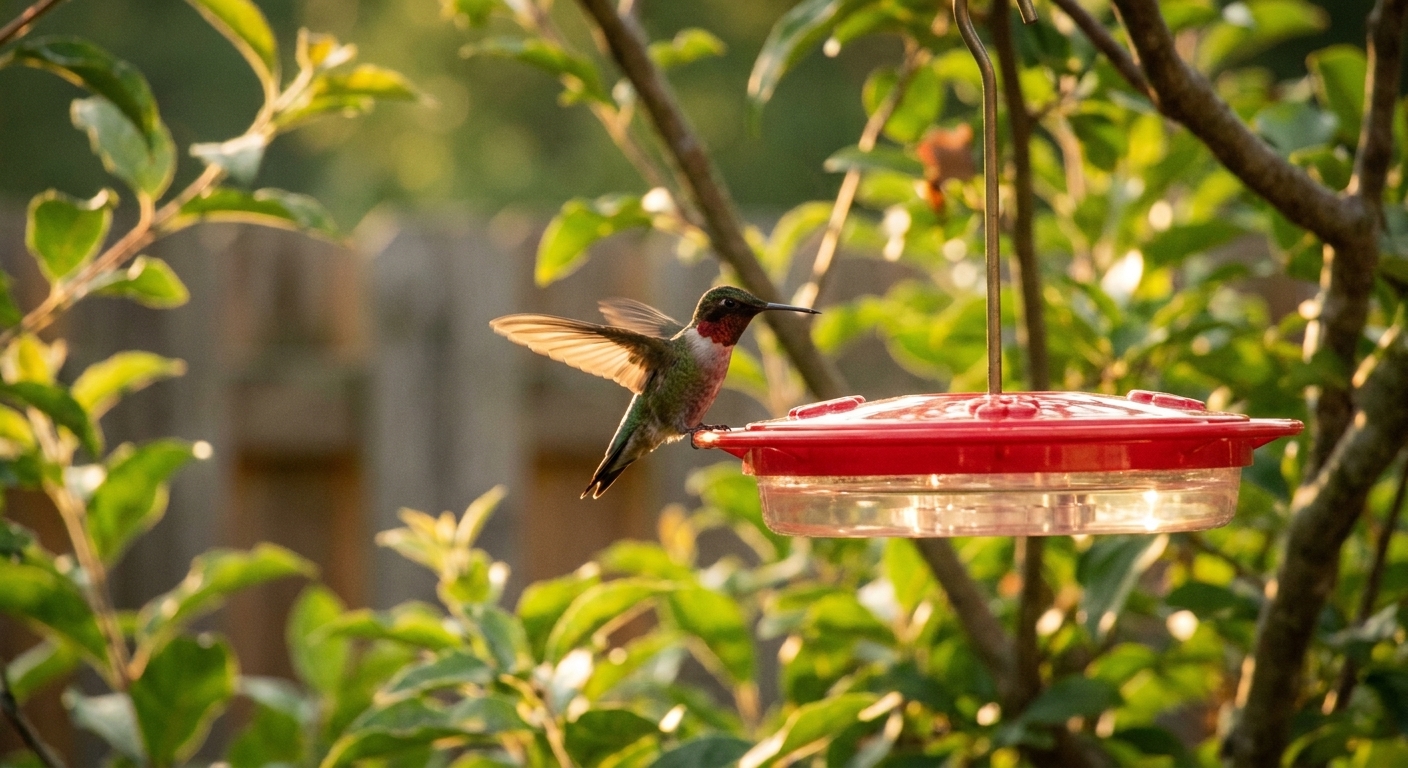
A hummingbird hovering at a backyard feeder in soft morning sunlight with green leaves in the background, real photograph

Why It Works

  • Correct sweetness: A reliable 1:4 sugar-to-water ratio that matches common hummingbird feeder guidance.
  • Fast and accessible: Pantry ingredients, one small pot, done in minutes.
  • Safer for birds: No food coloring, no honey, and no artificial sweeteners.
  • Lower mess, better results: Clear storage tips and a solid cleaning routine so the nectar stays fresh longer.

Pairs Well With

Storage Tips

How to store extra nectar

  • Refrigerate: Pour cooled nectar into a clean jar with a lid and refrigerate for 5 to 7 days.
  • Label it: Date the jar so you are not guessing later.
  • Do not top off forever: If the feeder still has old nectar, dump it, rinse, and refill with fresh. Mixing new and old shortens freshness.

How long nectar lasts in the feeder

  • Hot weather (above 90°F): change every 1 to 2 days. If the feeder is in direct sun, aim for the shorter end.
  • Warm weather (70 to 89°F): change every 2 to 3 days.
  • Cooler weather (below 70°F): change every 3 to 5 days.

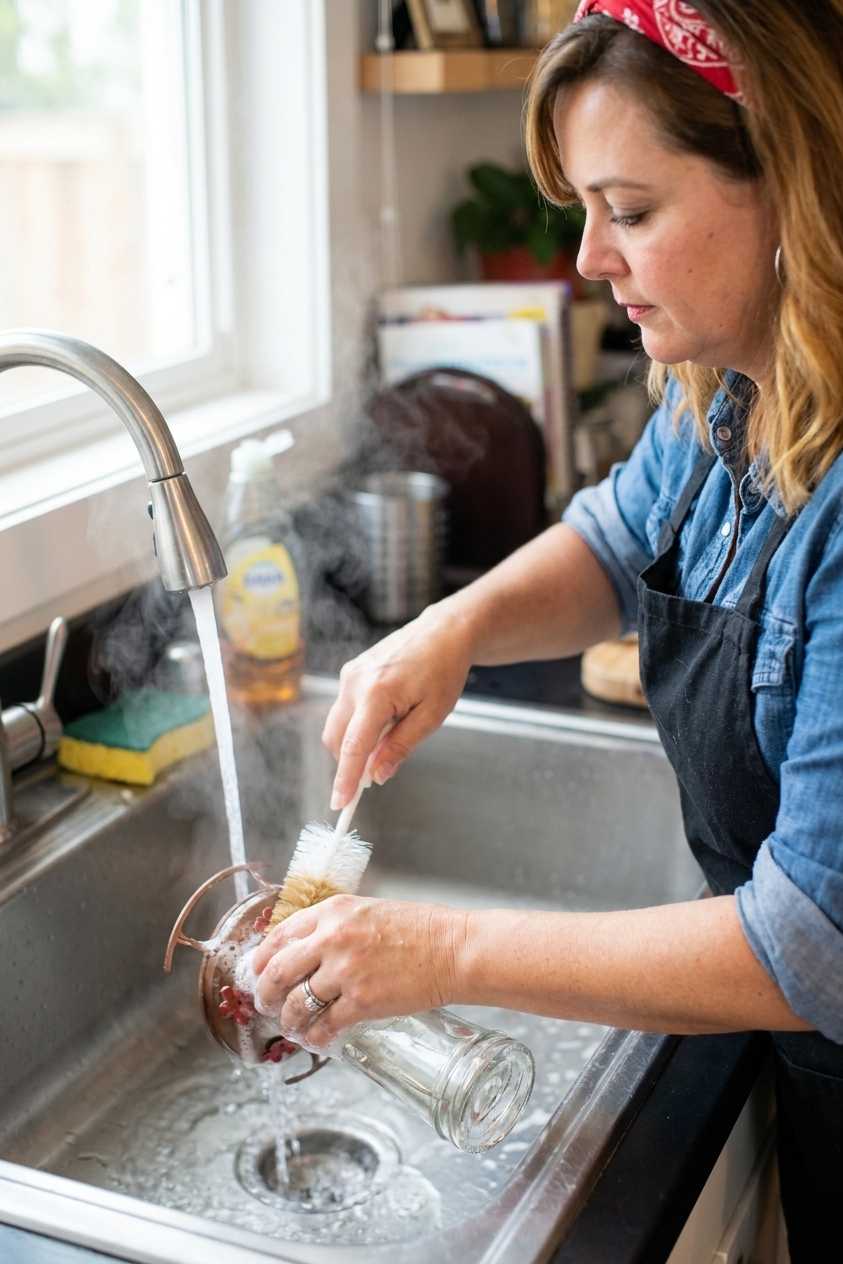
Quick spoilage check: If the nectar looks cloudy, has floaties, smells off, or the feeder feels slimy, dump it and clean the feeder immediately.

Cold weather note

If nights dip near freezing, nectar can freeze in the feeder. Bring the feeder in overnight or swap in a fresh one in the morning so the ports are not blocked.

Common Questions

What is the best hummingbird food ratio?

The standard recipe is 1 part white granulated sugar to 4 parts water. Example: 1 cup sugar plus 4 cups water.

Should I boil hummingbird nectar?

Boiling is optional. Heating the water helps the sugar dissolve quickly. A brief boil can also reduce the microbes already in the water, which may help slow spoilage, but it is not a guarantee. If you boil, let it cool completely before filling the feeder.

Can I use brown sugar, raw sugar, or coconut sugar?

Skip them. Stick to plain white granulated sugar. Less processed sugars contain extra minerals that are not recommended for hummingbirds in feeder nectar.

Can I use honey?

No. Honey can ferment faster and may grow microbes that are unsafe for birds.

Do I need to add red food coloring?

No. Red dye is not needed and is best avoided. Most feeders already have red parts to attract hummingbirds. If your feeder is not red, tie a small red ribbon nearby or place it near red flowers.

Can I use artificial sweeteners?

No. Hummingbirds need real sugar for energy. Artificial sweeteners do not provide calories.

Can I use powdered sugar?

Better not. Powdered sugar often contains cornstarch, and hummingbird nectar should be just white granulated sugar and water.

Why are hummingbirds not coming to my feeder?

Common reasons: the feeder needs cleaning, the nectar is too strong or too weak, ants or bees are taking over, the feeder is in too much direct sun and the nectar is getting warm, or there are plenty of flowers nearby so they are not interested yet. Give it a few days and keep the nectar fresh.

The first time I made hummingbird food, I treated it like a recipe that could handle improvisation. It cannot. I did the classic move and made it too sweet because my brain thought, more sugar equals more birds. What I got was a feeder that turned funky fast and exactly zero impressed hummingbirds.

Once I started treating it like kitchen basics and stuck to the 1:4 ratio, everything got easier. Now it is a five-minute habit: make a batch, cool it, fill the feeder, and clean like I mean it. It is basically meal prep, but for tiny chaotic athletes.