Do I need to add oil?
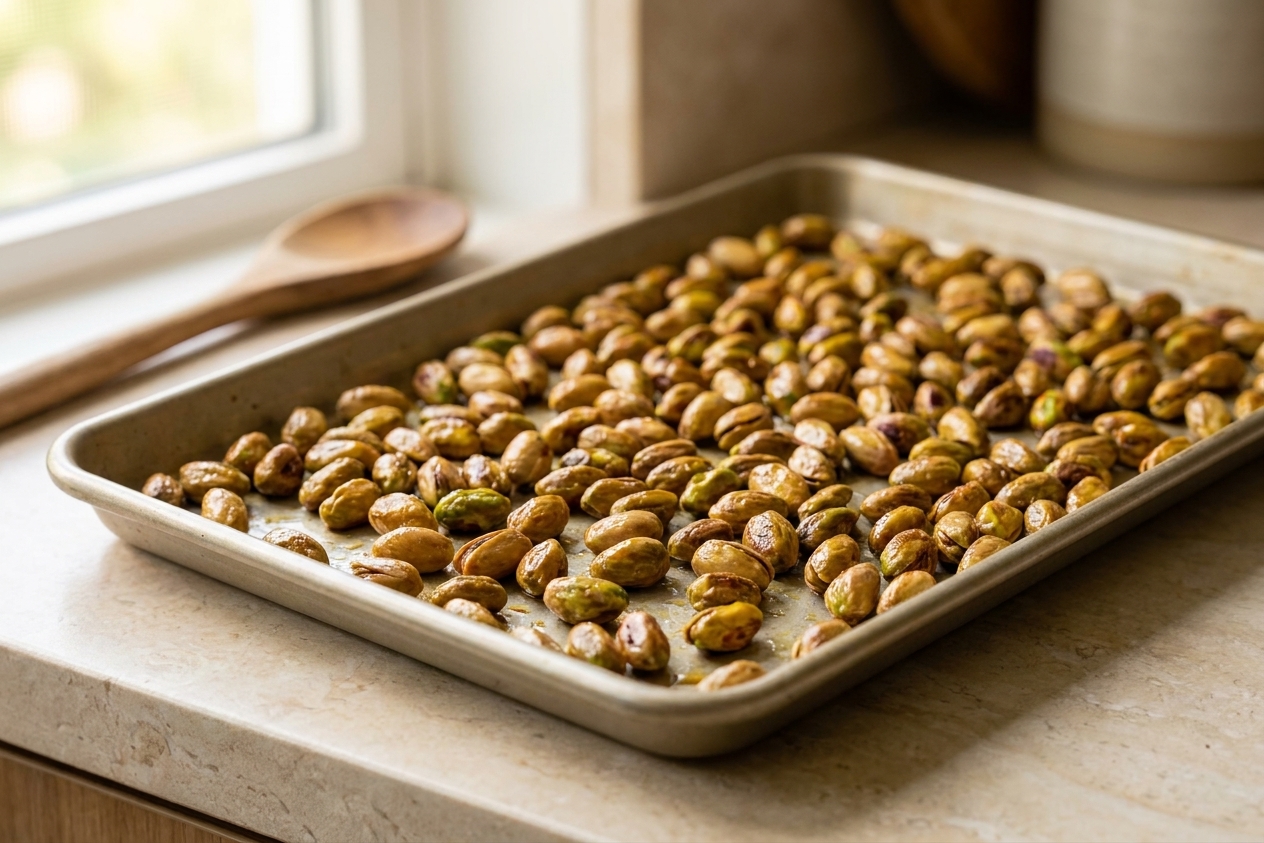
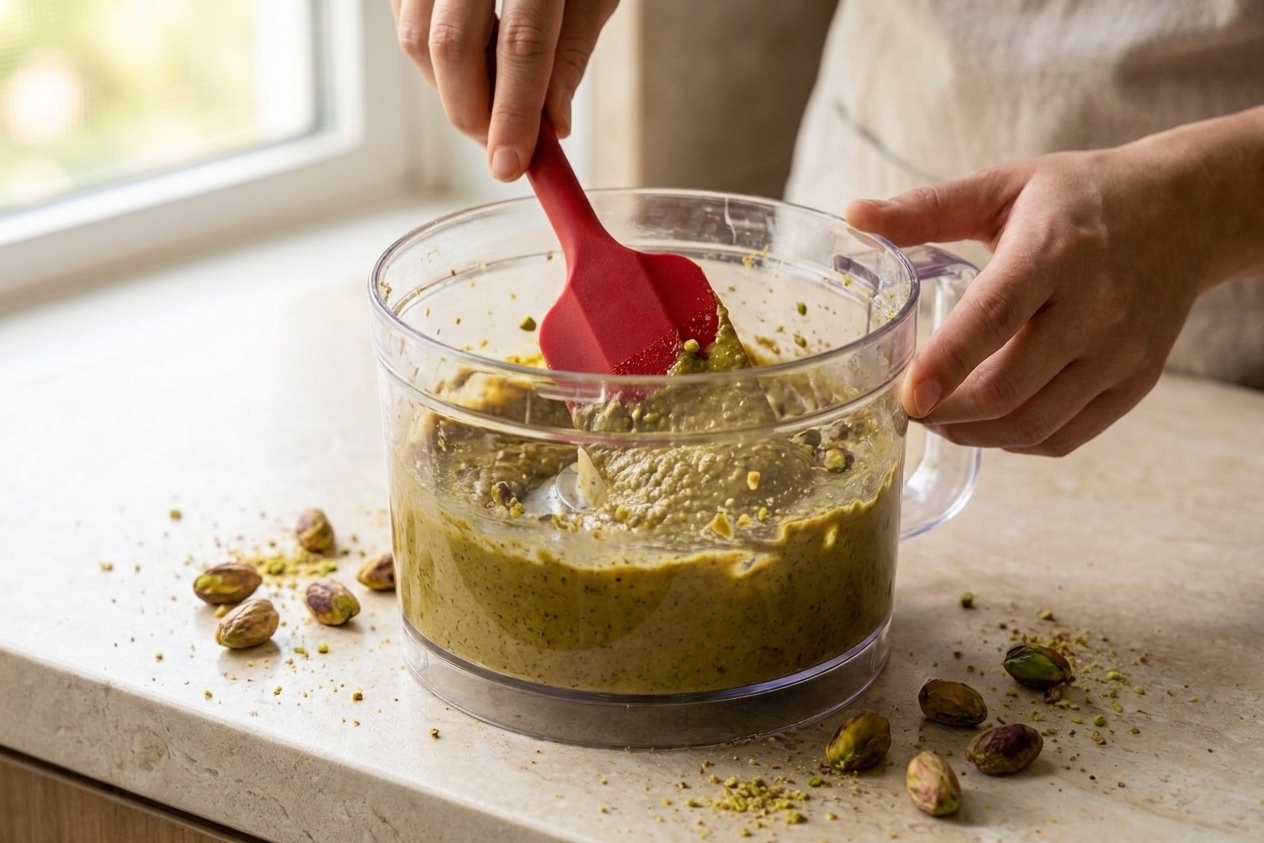
Usually, no. Pistachios have plenty of natural fat. Toasting does not add fat, but it helps the oils release so the butter turns creamy faster. That said, some batches are drier than others, and some machines struggle. If it is staying sandy after several minutes of processing, add 1 teaspoon neutral oil at a time until it turns glossy and smooth.
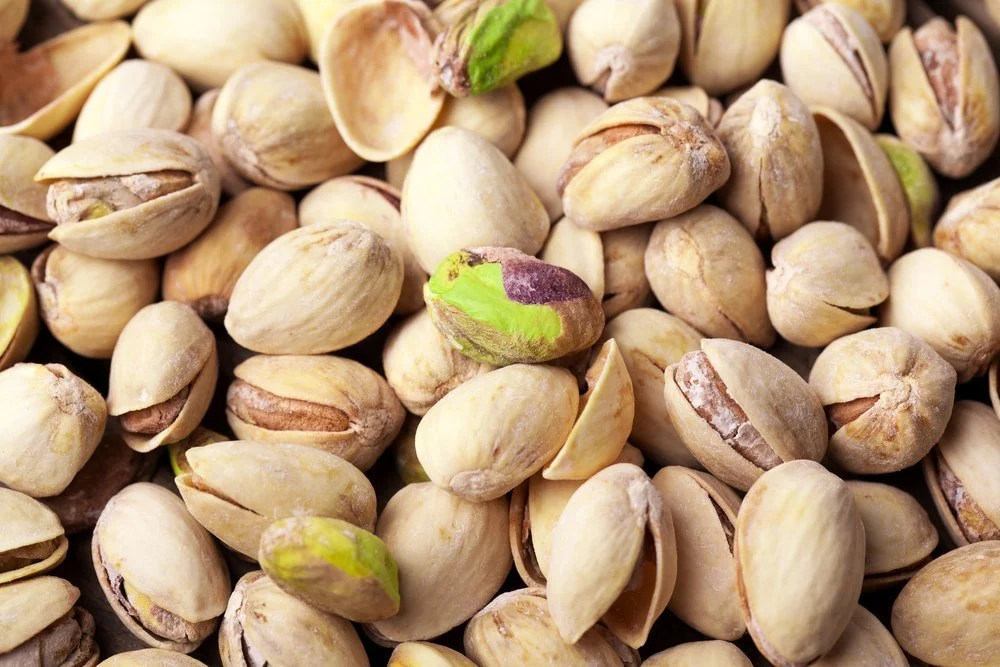
Can I use roasted, salted pistachios?
Yes, and it is convenient. Just skip the added salt at first, taste after blending, then adjust. If they are very salty, you can blend in a handful of unsalted pistachios or a tablespoon of a neutral nut like cashews to balance.
Why is my pistachio butter gritty?
Three common reasons: your pistachios were not processed long enough, your machine needs more scraping breaks, or the nuts were old and dry. Keep blending in 30 to 60 second bursts, scrape often, and try a tiny bit of oil if needed.
Do I need to remove pistachio skins?
Optional, but helpful. If you are using roasted pistachios with loose papery skins, rubbing them in a clean towel can remove a lot of the skins. Fewer skins usually means a brighter color and slightly less bitterness.
Is pistachio butter healthier than peanut butter?
Both can be great. Pistachios bring a different nutrient mix and a slightly sweeter, more delicate flavor. The biggest “health” move is making sure the ingredient list stays simple: nuts, salt, and maybe a little sweetener if you want.
What does pistachio butter taste like?
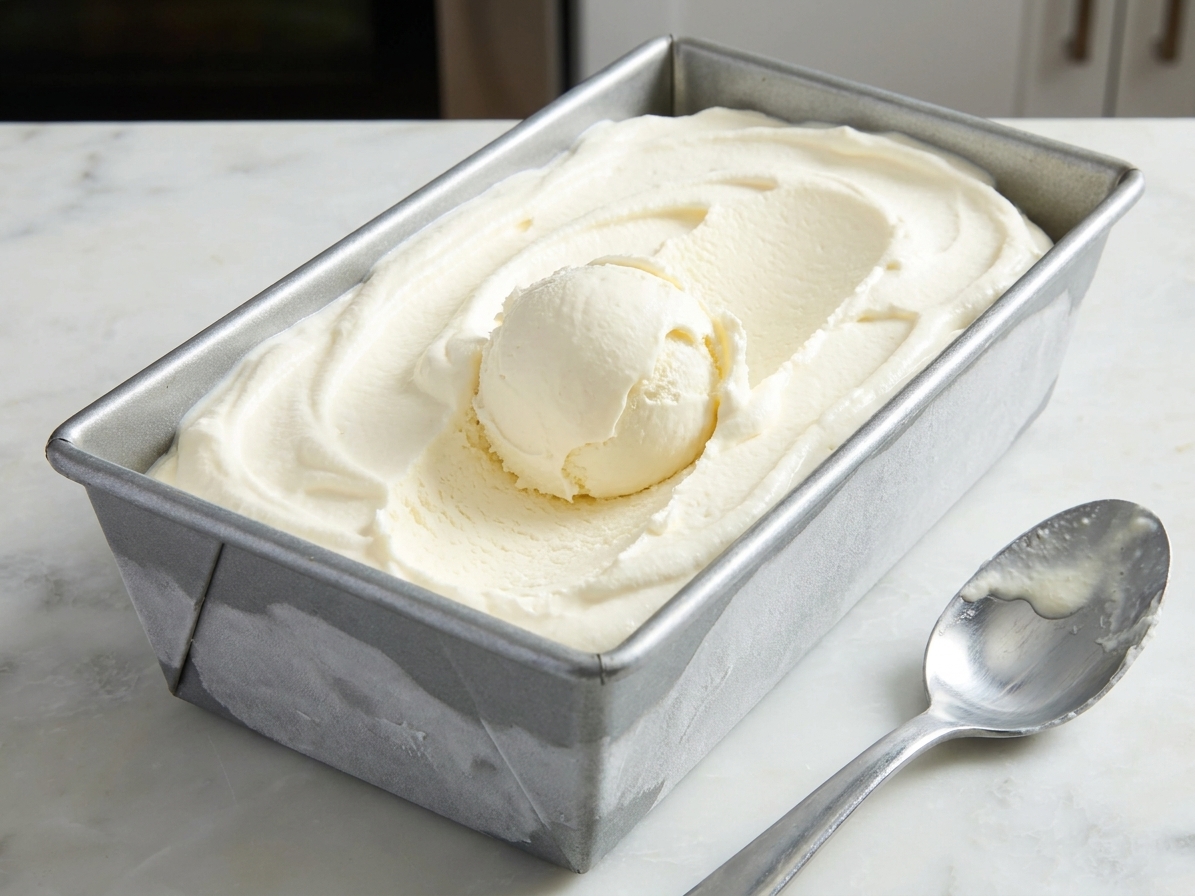
Nutty, naturally sweet, and a little buttery with a gentle grassy note. Toasting pushes it toward warm and dessert-like, almost like the flavor you want from pistachio ice cream.
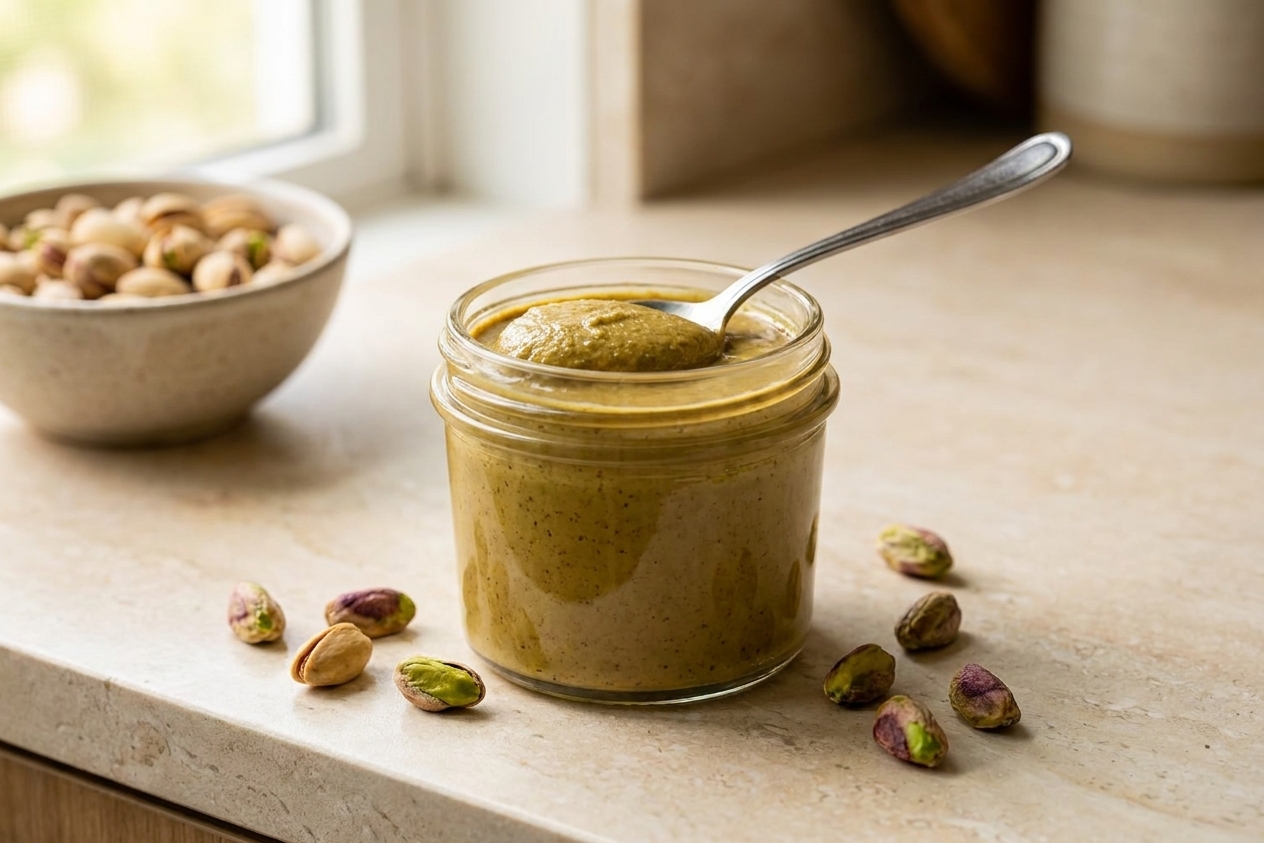
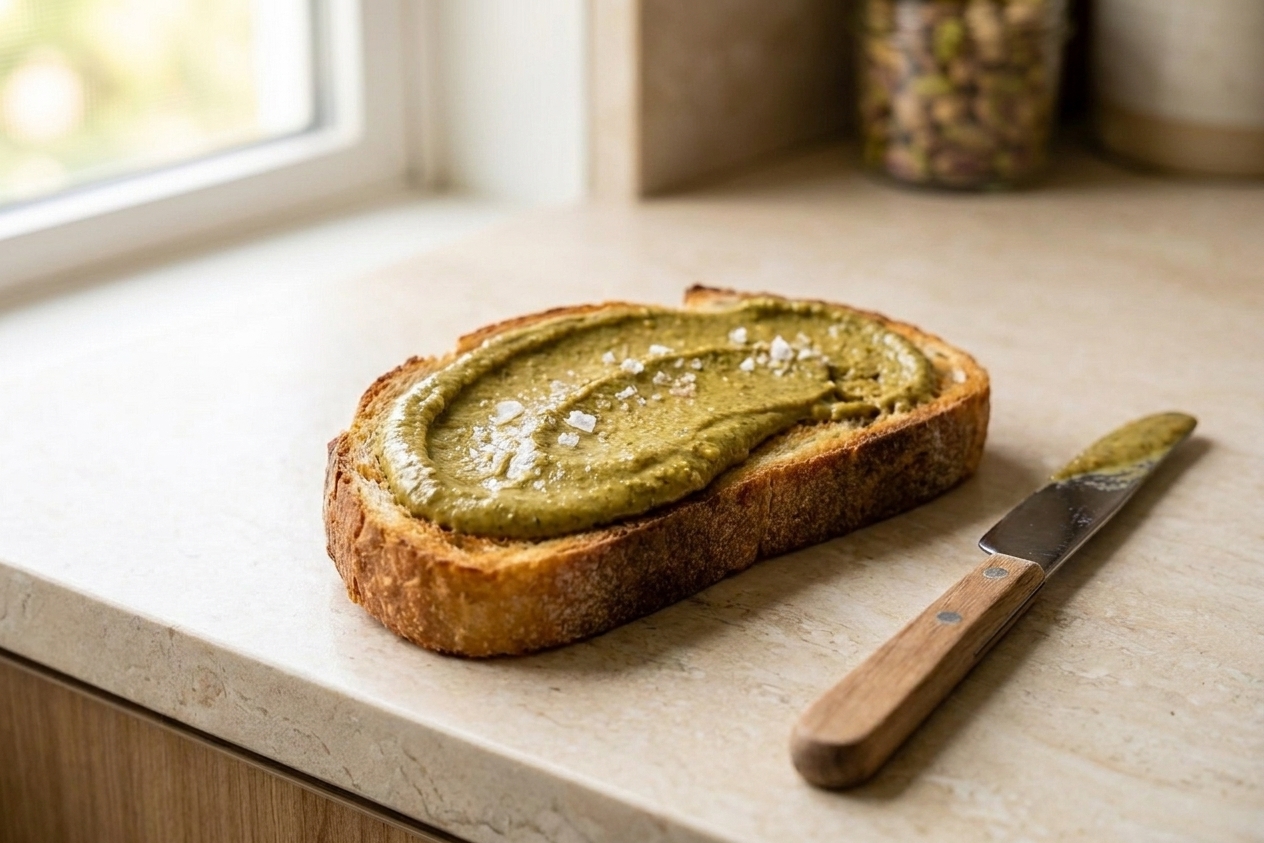
Why is mine not bright green?
Totally normal. Homemade pistachio butter can be more olive green or brown-green depending on the pistachio variety, how toasted they are, and how many skins end up in the mix. It still tastes great.