Mom's Best Recipes
Recipe

Homemade Ponzu Sauce

A bright, citrusy Japanese dipping sauce with soy, fresh lemon and lime, rice vinegar, mirin, and a quick bonito infusion.

Author By Matt Campbell
4.9
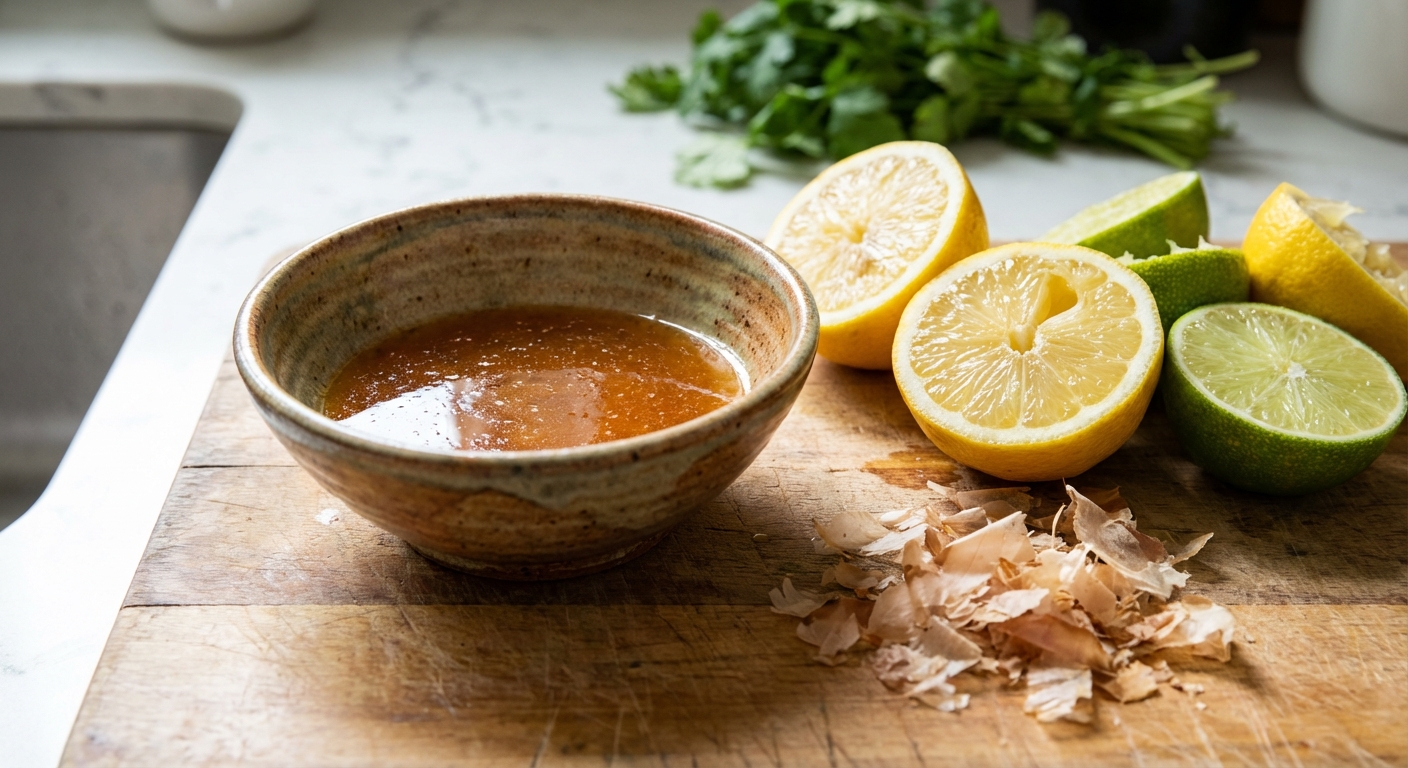
A small ceramic bowl filled with amber ponzu sauce on a wooden cutting board, with halved lemon and lime and a few bonito flakes nearby, natural window light, photorealistic food photography

Ponzu is one of those sauces that makes a simple dinner feel like you actually had a plan. It is salty, tangy, lightly sweet, and a little smoky in the background, like soy sauce took a vacation and came back with better stories.

This homemade version is built from pantry staples and fresh citrus. If you have yuzu, use it and feel extremely powerful. If you do not, the lemon and lime combo gets you that same bright snap without sending you on a specialty grocery scavenger hunt.

Keep a jar in the fridge and you have an instant upgrade for dumplings, seared fish, cold noodles, salad dressing experiments, and the inevitable moment you stare into the fridge and whisper, “Help me.”

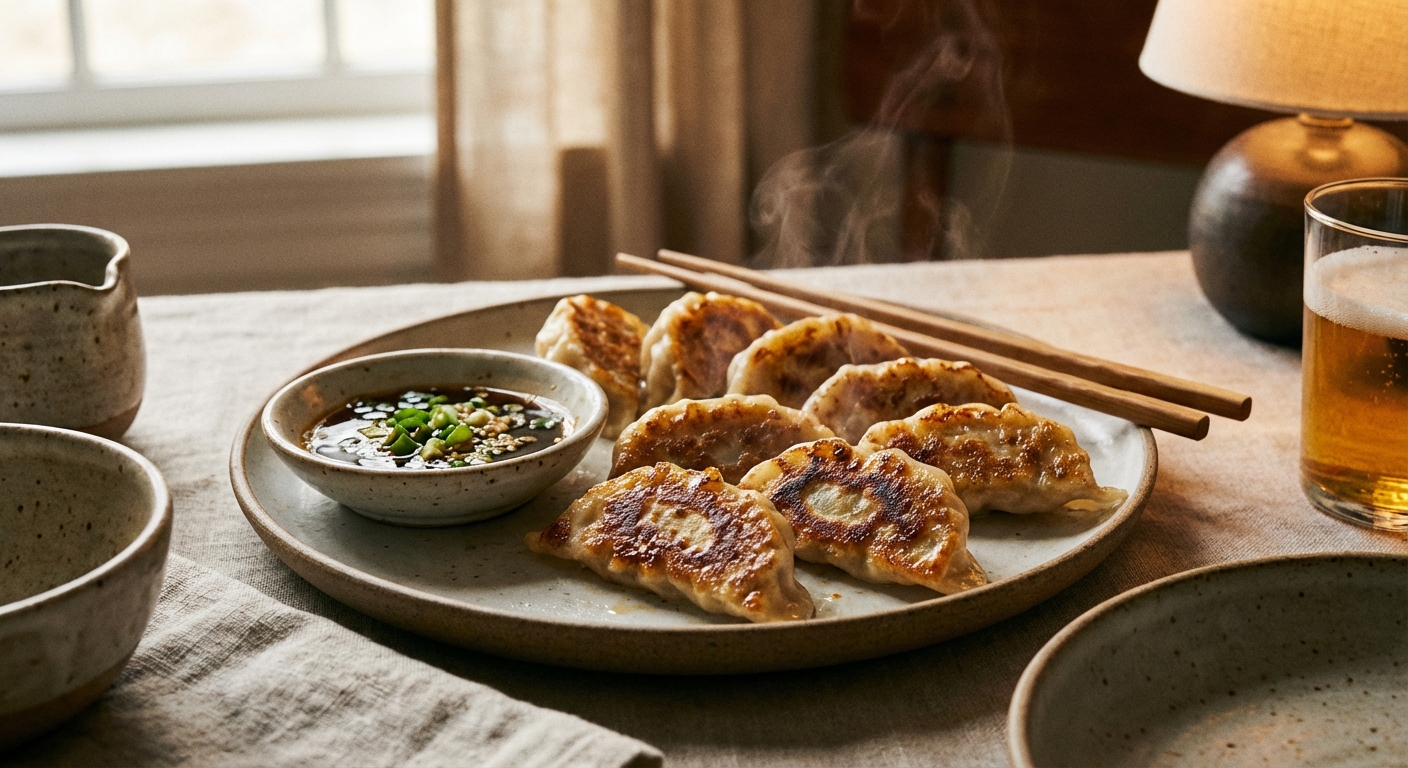
A plate of pan-fried dumplings with crisp browned bottoms, a small dipping dish of ponzu sauce on the side, chopsticks resting on the plate, cozy dinner table setting, photorealistic food photography

Why It Works

  • Big flavor, tiny effort: Stir, steep, strain. No cooking required unless you want a faster infusion.
  • Balanced on purpose: Soy for salt, citrus for zing, mirin for gentle sweetness, and rice vinegar for clean acidity.
  • Umami that tastes like you know what you are doing: Bonito flakes add that savory depth without making the sauce heavy.
  • Flexible: Make it sweeter, sharper, or lighter depending on what you are dipping, drizzling, or marinating.

Pairs Well With

  • Perfectly Seared Scallops
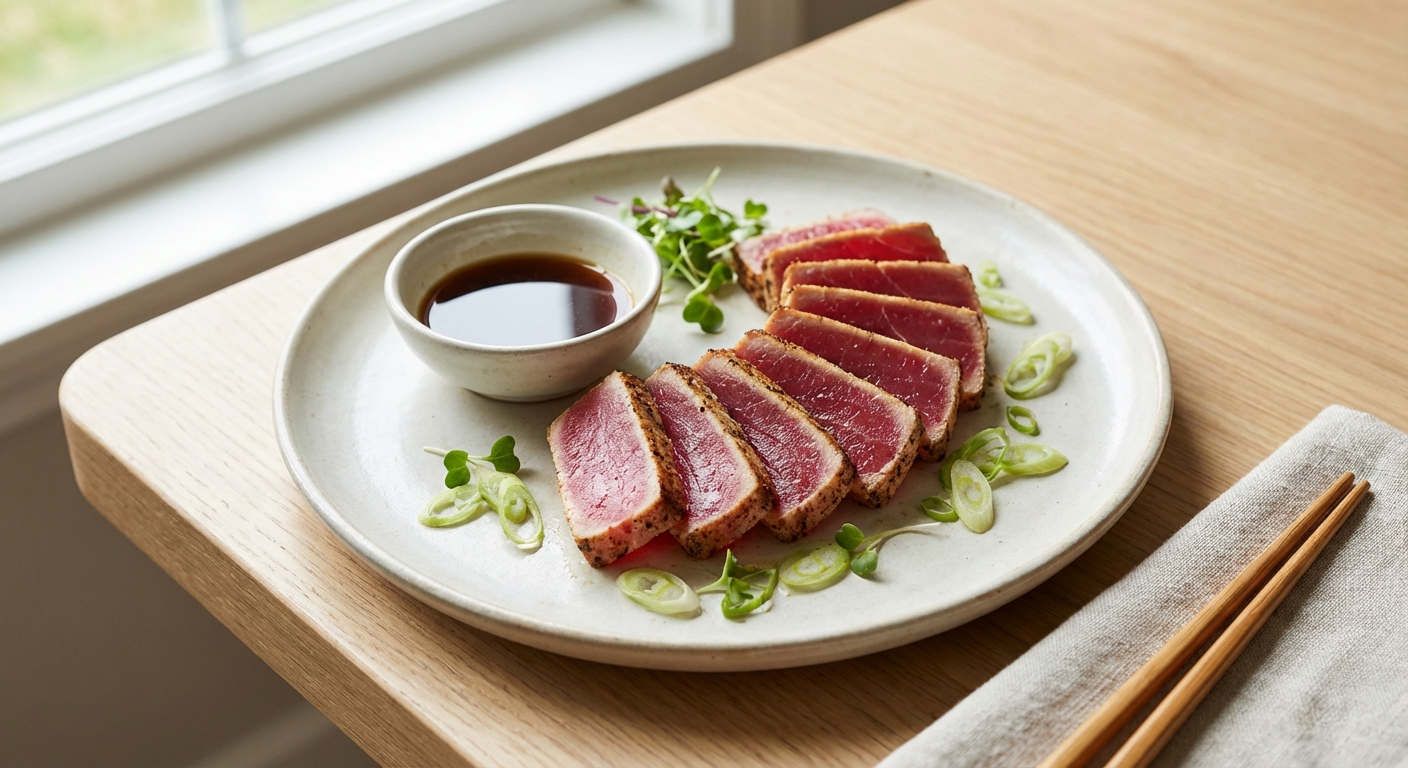
  • Ultimate Ahi Tuna Steak
  • Pork and Chive Dumplings
  • Sesame Cucumber Salad

Storage Tips

Refrigerate: Store ponzu in a clean jar or bottle with a tight lid for about 1 week, and up to 2 weeks if it still smells and tastes fresh. The citrus pops most in the first 3 to 4 days, so if you want maximum sparkle, use it sooner.

Keep it smooth: Ponzu can naturally settle a bit, especially if you add the optional ginger. Give it a quick shake or stir before using.

Freezing: You can freeze ponzu in an ice cube tray for quick portions. Thaw in the fridge and stir. Texture may be slightly different, but flavor holds up well.

Common Questions

What is ponzu sauce made of?

Ponzu is traditionally a mix of soy sauce and citrus, often with rice vinegar and a sweetener like mirin. Many versions also include kombu and bonito (katsuobushi) for extra umami. This recipe uses soy sauce, lemon and lime (or yuzu), rice vinegar, mirin, and bonito flakes.

Can I make ponzu without bonito flakes?

Yes. You will still get a bright, tangy sauce. If you want some of that savory depth without bonito, add a small strip of kombu and steep it for 30 minutes, then remove it.

Is ponzu gluten-free?

It can be. Regular soy sauce contains wheat, so use tamari or a certified gluten-free soy sauce to make this gluten-free.

What kind of mirin should I use?

Hon mirin (real mirin) is ideal. If you have mirin-style seasoning (often sweeter and sometimes a bit salty), it still works. Just know your ponzu may end up slightly sweeter, and you might want to go easy on the soy sauce at first, then adjust to taste.

How do I use ponzu besides dipping?

Drizzle over seared scallops, poke bowls, roasted broccoli, or grilled chicken. Whisk with a little neutral oil or sesame oil for a quick salad dressing. It also works as a light marinade for fish, but keep marinating short because the citrus can start to “cook” the surface.

My ponzu tastes too sour. How do I fix it?

Stir in a little more mirin, or a pinch of sugar or honey. You can also soften the acidity with a splash of water or dashi if you have it.

My ponzu tastes too salty. What now?

Add a bit more citrus juice or rice vinegar to rebalance, or dilute with a splash of water. If you know you are sensitive to salt, start with low-sodium soy sauce and adjust up.

I started making ponzu at home after realizing I was buying bottle after bottle for exactly two uses: dumplings and “whatever I accidentally overcooked.” The homemade version fixed both problems. It made frozen gyoza taste like a real meal, and it gave my seared fish that restaurant-style, bright finish that makes you pause and take a second bite just to confirm, yes, it is that good.

Also, it is the kind of sauce that rewards kitchen chaos. You can taste as you go, tweak the citrus, and suddenly you have your personal house ponzu. Put it on the fridge door like it pays rent.