Mom's Best Recipes
Recipe

Homemade Vanilla Extract

A two-ingredient pantry project that turns vanilla beans and alcohol into rich, bakery-level extract that keeps for a very long time.

Author By Matt Campbell
4.9
A glass bottle of homemade vanilla extract with visible vanilla beans inside, sitting on a warm wooden kitchen counter next to a small bowl of vanilla beans

Homemade vanilla extract is one of those kitchen flexes that is secretly low effort. You are basically making a cozy vanilla bean spa day in a bottle, then letting time do the heavy lifting.

If you bake even occasionally, this is worth it. The flavor is rounder, deeper, and less one-note than a lot of store-bought options. Plus, you control the strength. Want it bold enough to perfume a whole batch of cookies? Done.

All you need is vanilla beans, alcohol, and a tiny bit of patience. I will walk you through the ratio, the best spirits to use, when it is ready, and how to keep it going so you always have a bottle in the back of the cabinet like a responsible adult.

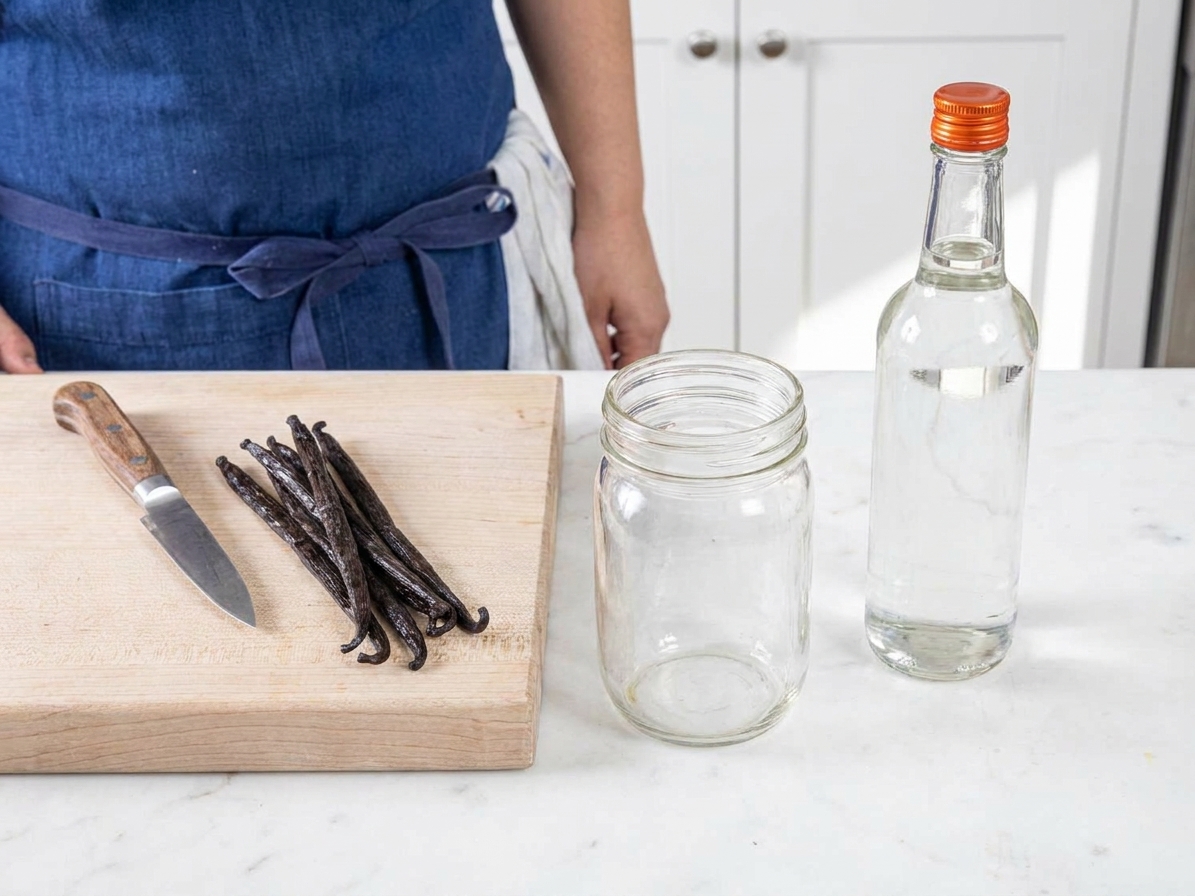
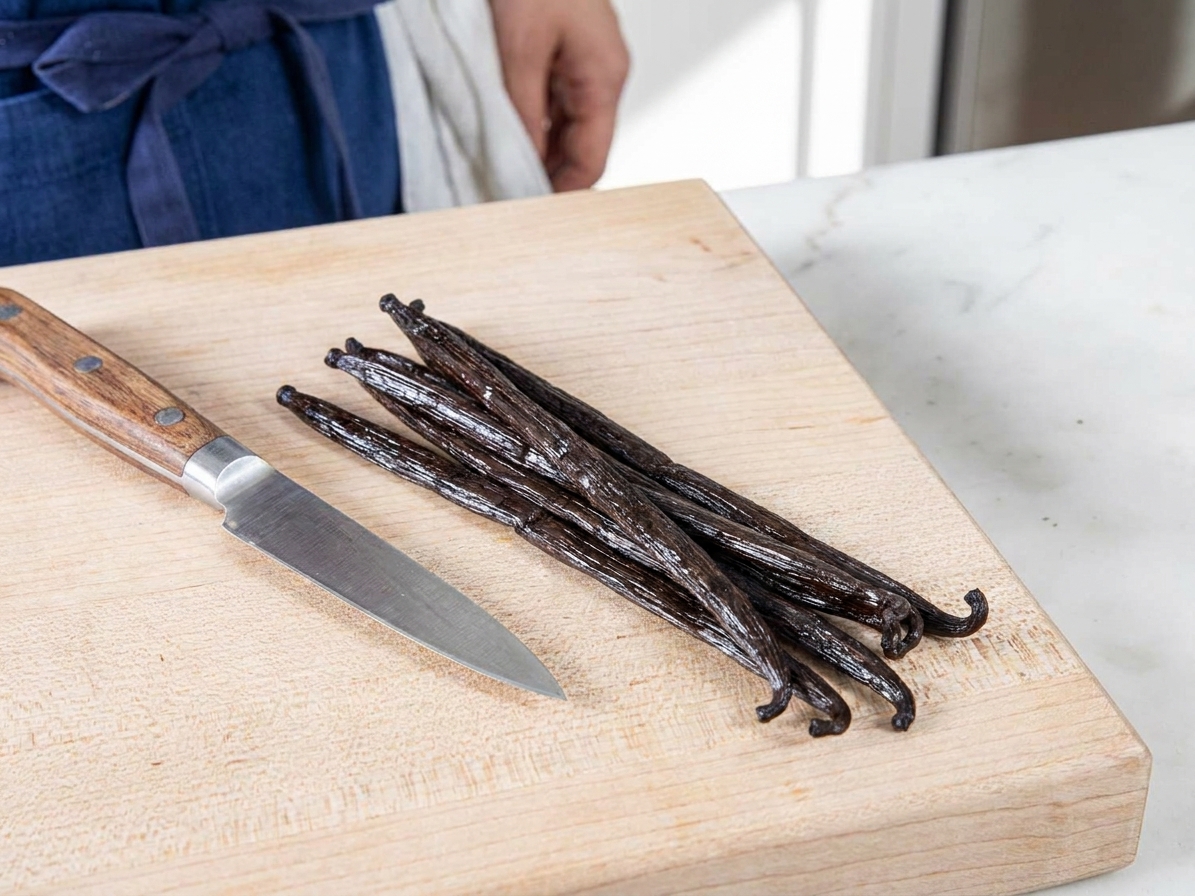
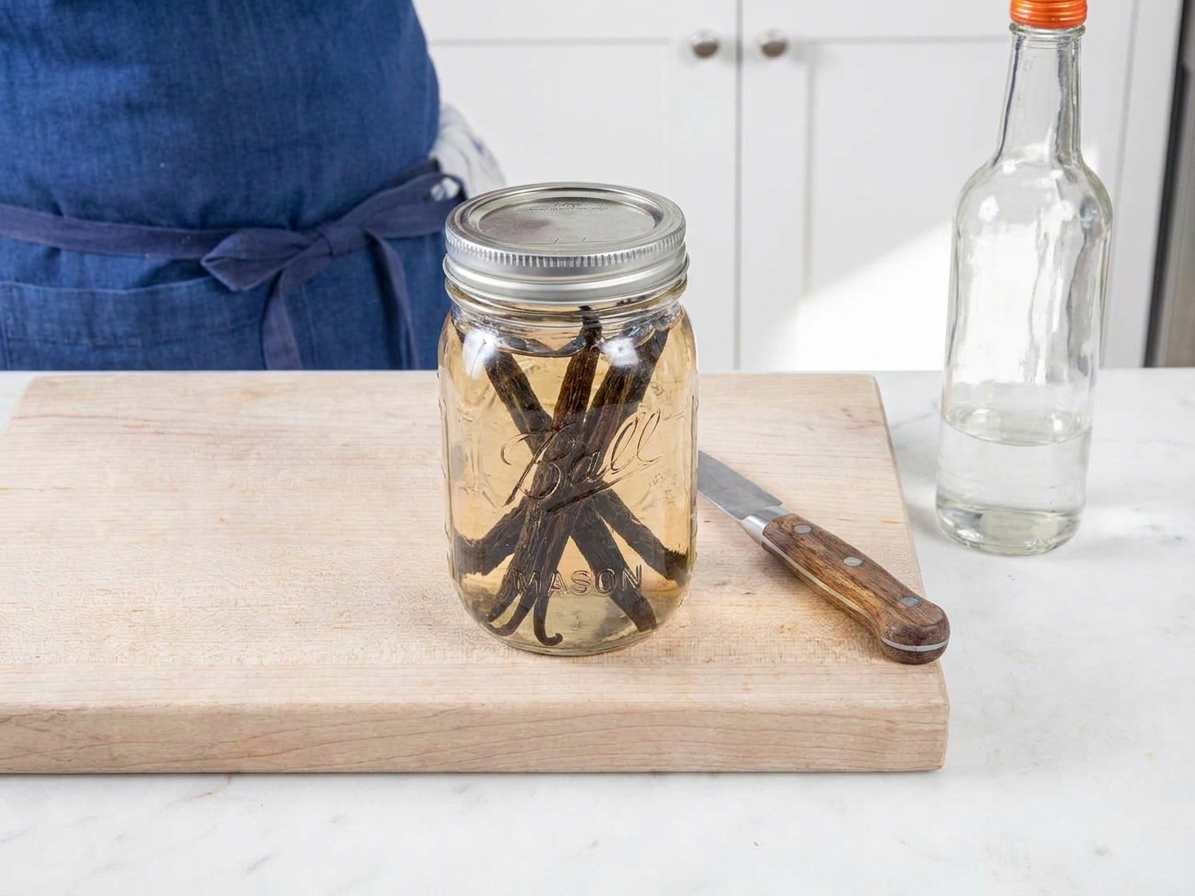
Whole vanilla beans on a cutting board beside a bottle of vodka and an empty glass jar, set up on a bright kitchen counter

Why It Works

  • Big flavor with minimal work: Slice beans, cover with alcohol, shake sometimes, and forget about it until it smells like a bakery.
  • Custom strength: Use more beans for a stronger extract, especially if you bake a lot or want gift-worthy results.
  • Flexible alcohol options: Vodka keeps the flavor clean, while bourbon or dark rum adds warm caramel notes that are incredible in cookies and custards.
  • Long-lasting: Stored properly, it can keep for years, and you can keep topping it off as you use it.

Pairs Well With

Storage Tips

Good news: this is not really a leftovers situation. It is more like a long-term relationship.

Where to keep it

  • Cool, dark place: A pantry or cabinet is ideal. Avoid storing it near the stove where heat swings are wild.
  • Room temperature: No need to refrigerate.

How long it lasts

  • For years, when stored well: Alcohol preserves it. Keep the lid tight, use a clean spoon or measuring cup, and make sure beans stay submerged.

How to keep it going

  • Top-off method: When the bottle gets low, add more alcohol to cover the beans. Shake, then give it a couple weeks to rebound in flavor.
  • When to replace beans: If the beans look pale, hollow, or stop perfuming the extract, add 1 to 2 fresh beans (or a few split pieces) and keep rolling.
  • Gifting tip: For a clean look, you can strain the extract and start the gift bottle with one fresh split bean for presentation.
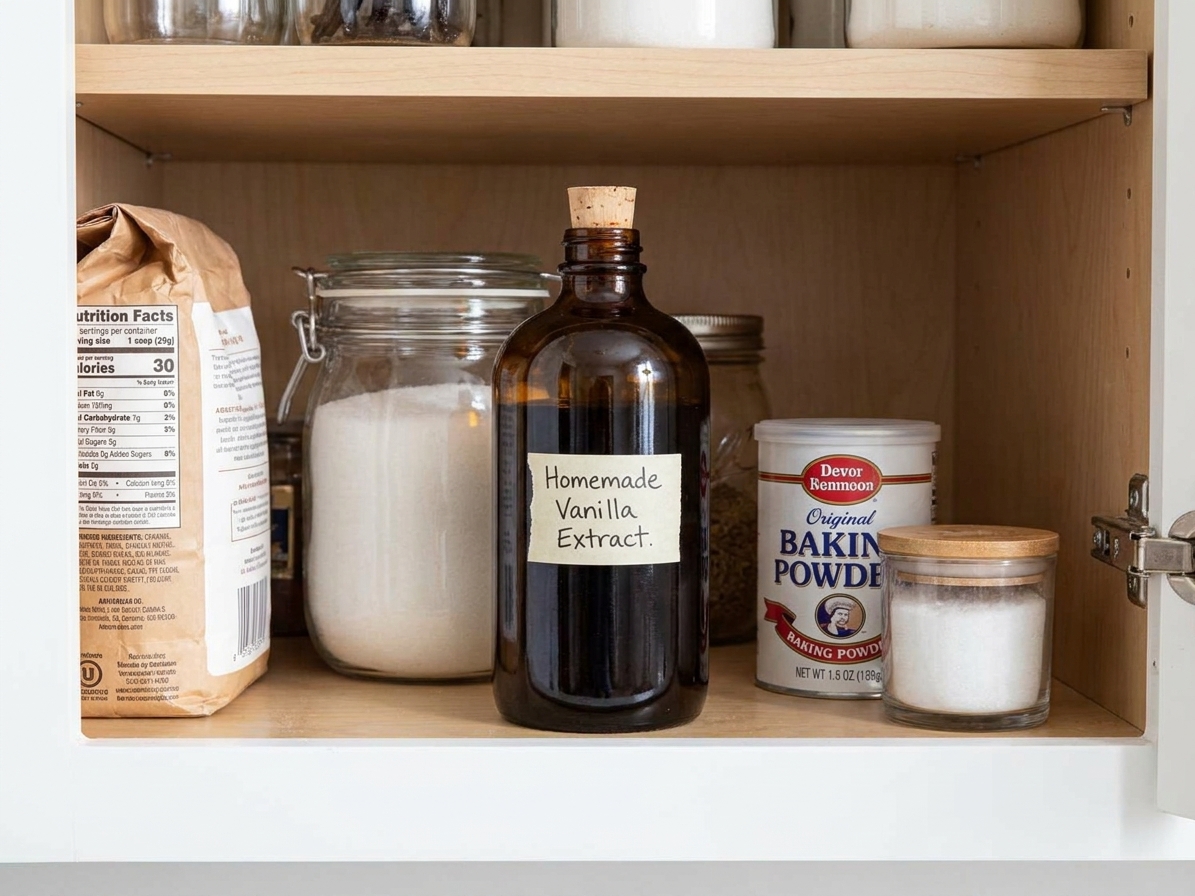
A dark glass bottle of vanilla extract resting in a kitchen cabinet with baking staples nearby, softly lit

Common Questions

How long does homemade vanilla extract take?

You will often get a light vanilla aroma around 2 to 4 weeks, but for real depth, aim for 8 weeks. If you can wait 3 to 6 months, it usually gets noticeably richer and smoother.

Timing depends on bean variety, how plump they are, how you cut them, and where you store the bottle (warm kitchens extract faster than cool pantries).

What is the best alcohol to use?

Vodka is the classic because it lets vanilla be the star. Bourbon adds warm, caramel notes. Dark rum brings a little molasses vibe. Choose something you would actually drink. It does not need to be top shelf, but it should not taste harsh.

What proof should the alcohol be?

Use 80 proof (40% ABV) or higher when you can. Higher ABV generally extracts vanilla more efficiently and is more preservative. Lower-proof spirits can work, but they may extract more slowly and carry a slightly higher spoilage risk if anything (like bean tips) sits above the liquid.

How many vanilla beans do I need per cup?

A solid all-purpose ratio is 4 to 6 vanilla beans per 1 cup of alcohol for standard strength, depending on bean size. If your beans are average size (about 6 to 7 inches) and fairly plump, 6 beans per cup is a great sweet spot. For extra-strong extract, go 8 to 10 beans per cup.

Can I use vanilla bean paste or vanilla powder instead of beans?

For this project, whole beans are best because they extract slowly and keep giving flavor over time. Paste and powder can work in a pinch, but you will get more sediment and less of that long-term, refillable magic.

Do I need to scrape the seeds?

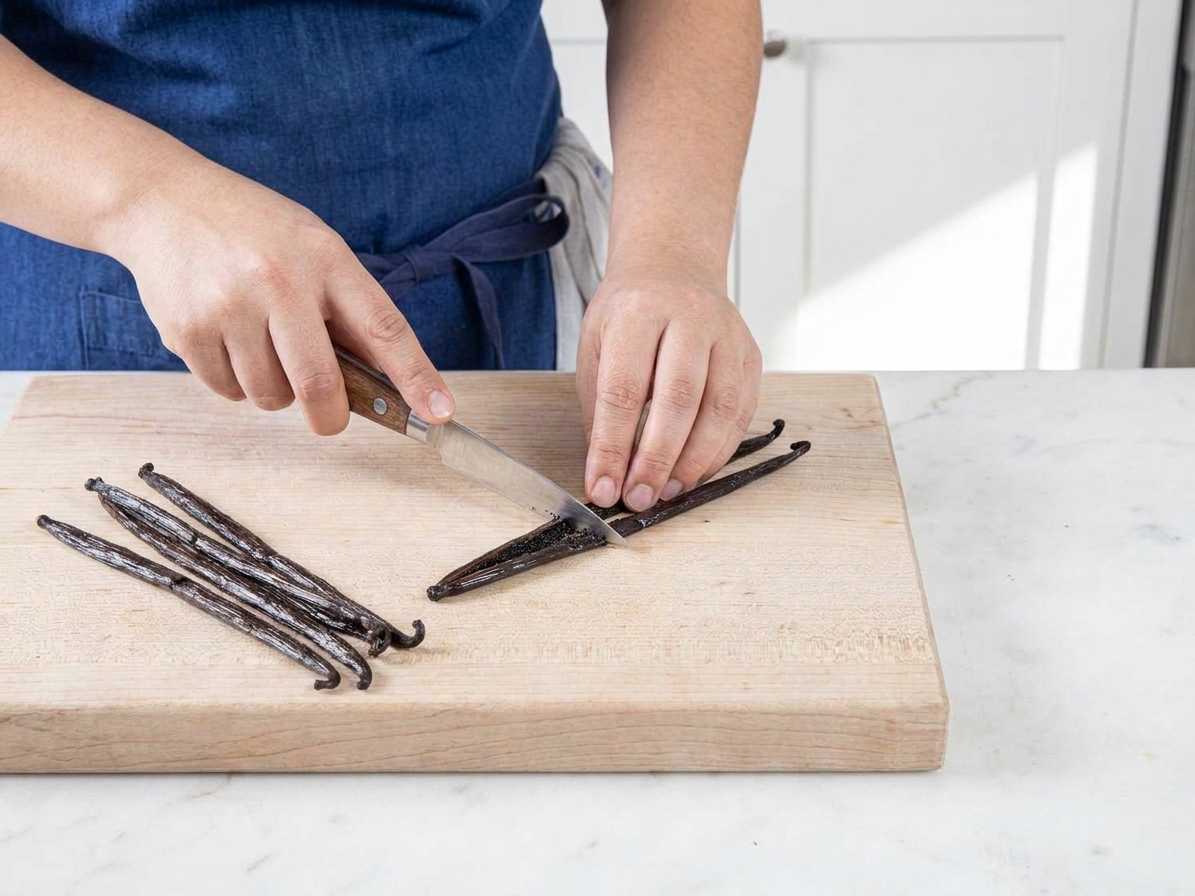
Nope. Split the beans and cut them into shorter lengths so they fit under the alcohol. Scraping is optional. If you do scrape, toss the seeds in too. The tiny specks are mostly for looks, but they do not hurt.

My extract looks cloudy. Is that normal?

Usually, yes. It can happen if there is lots of vanilla sediment, if you used a sweetened spirit, or if the temperature swings around. If it smells clean and vanilla-forward, you are good. You can strain through a coffee filter if you want it clearer.

Is this safe for kids and pregnancy?

It contains alcohol. In baked goods, alcohol often cooks off partly, but the amount depends on time and temperature and some can remain. If you need to avoid alcohol for pregnancy, medical, or personal reasons, check with a medical professional and consider vanilla bean paste, alcohol-free vanilla extract, or vanilla powder depending on the recipe.

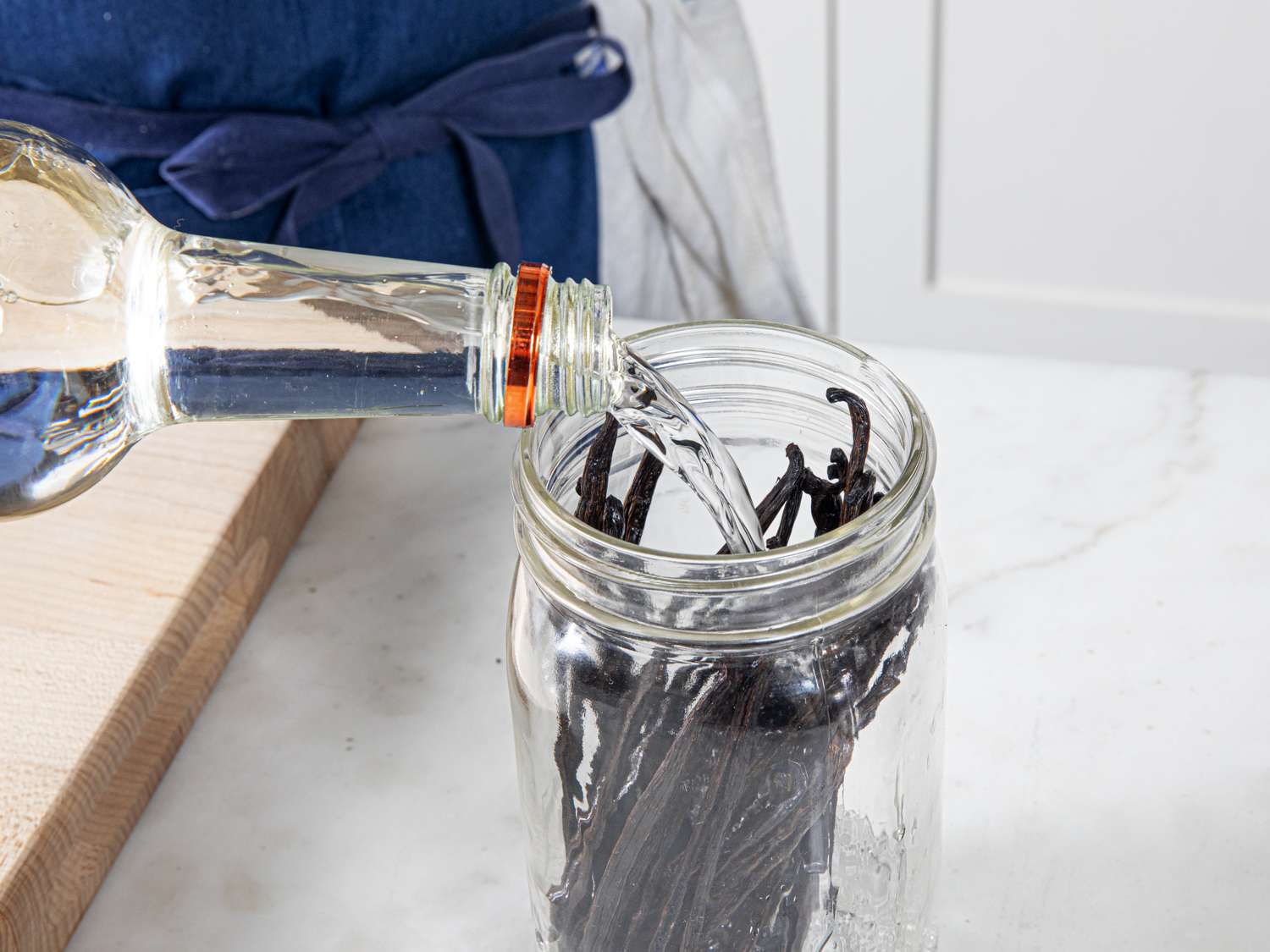
I was originally headed down the culinary school path, but I have always learned best with my hands actually in the work. Homemade vanilla extract feels like that. It is not complicated, it is just quietly satisfying. You set it up in five minutes, then every time you shake the bottle you get this hit of vanilla that makes you want to bake something irresponsible.

Also, it is the rare kitchen project that rewards you for being forgetful. If you stash it in the pantry and remember it two months later, it is better. That is my kind of cooking.