Mom's Best Recipes
Recipe

Homestyle Chicken Tikka Masala

Creamy, cozy, and boldly spiced with pantry-friendly shortcuts. This is the weeknight version that still tastes like you babysat it all day.

Author By Matt Campbell
4.8
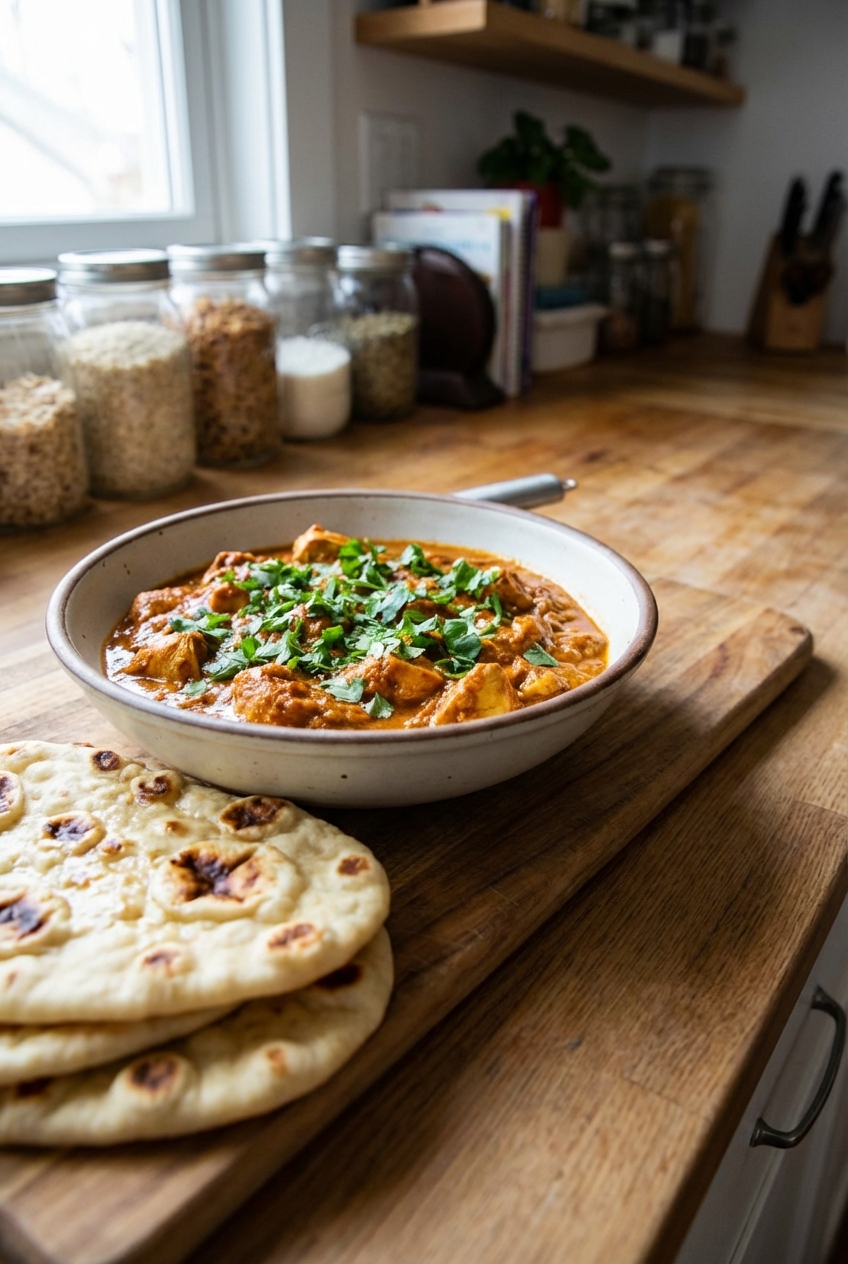
A real photograph of a bowl of creamy chicken tikka masala with basmati rice and cilantro on a wooden table, with warm kitchen lighting

Chicken tikka masala is one of those dishes that makes the whole kitchen smell like you know what you are doing. It is warm, a little smoky, gently spicy, and wrapped in a sauce that is basically a blanket. The best part is you do not need a tandoor, a spice grinder, or a three hour simmer to get there.

This homestyle version keeps things realistic: accessible spices, a yogurt marinade that doubles as tenderizer and flavor booster, and a tomato cream sauce you can tweak to your exact comfort level. Want it brighter? Add a squeeze of lemon. Want it richer? A little more cream. Want it spicier? You already know what to do.

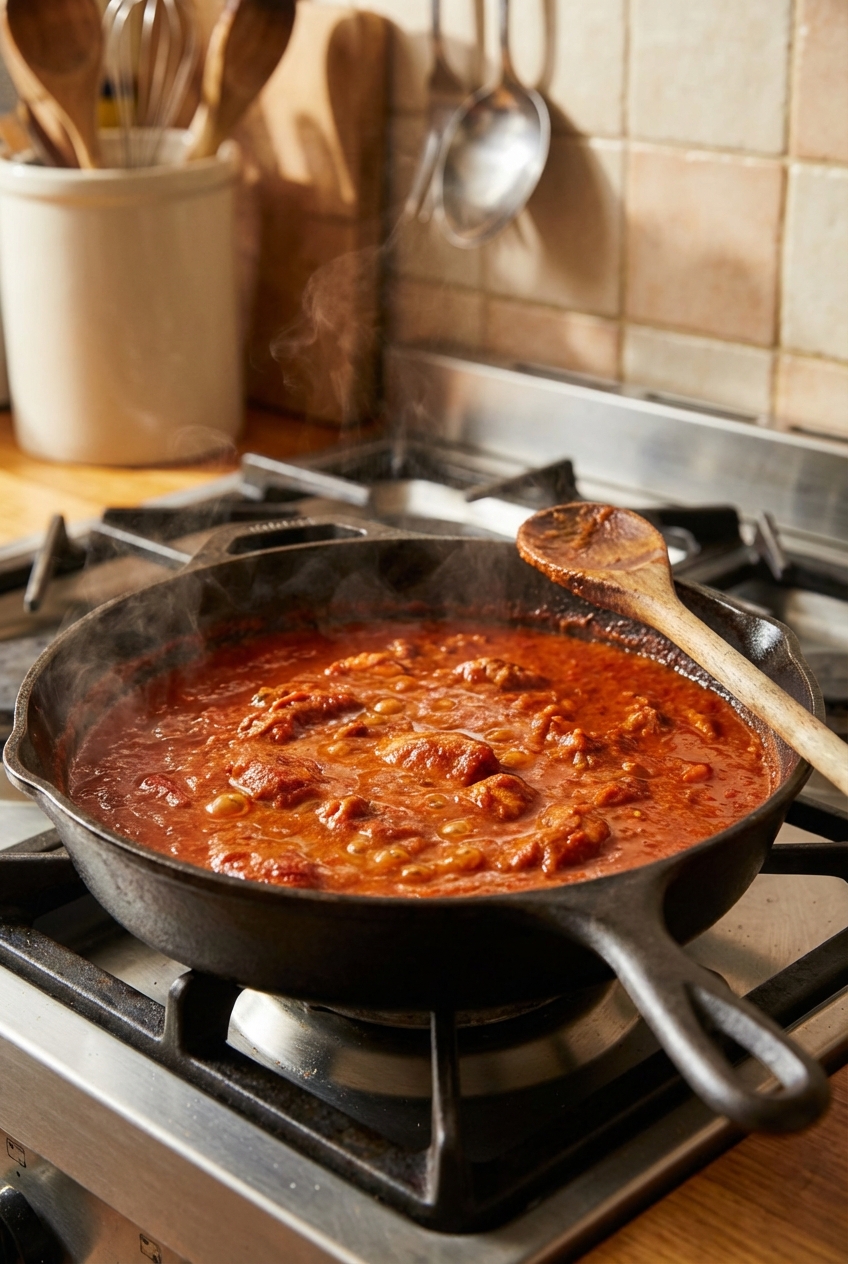
A real photograph of chicken tikka masala sauce simmering in a deep skillet with a wooden spoon resting on the edge

Why It Works

  • Big flavor without complicated steps: Toasting the spices in butter and oil wakes everything up fast.
  • Tender chicken, not dry chicken: A quick yogurt marinade plus a hot sear keeps it juicy.
  • Restaurant style sauce, homestyle ingredients: A tomato base, aromatics, and cream create that signature silky texture.
  • Easy to adjust: Control heat, sweetness, and thickness with simple pantry tweaks.

Pairs Well With

Storage Tips

Fridge: Cool completely, then store in an airtight container for up to 4 days. The flavors get even better on day two.

Freezer: Freeze for up to 3 months. For best texture, freeze before adding cream if you are planning ahead. If it is already creamy, it still freezes fine, just reheat gently.

Reheating: Warm in a saucepan over medium-low, stirring often. Add a splash of water or broth to loosen the sauce. Microwave works too, but use 60 to 70% power and stir halfway so the sauce stays smooth.

Meal prep tip: Marinate the chicken overnight, or make the sauce ahead and refrigerate. Sear chicken fresh when you want dinner, then simmer it in the sauce until it reaches 165°F.

Common Questions

Is chicken tikka masala spicy?

It can be, but this recipe is designed to be family-friendly. Keep the cayenne light during cooking, then add more at the end if you want extra heat. Heat should feel like a warm glow, not a fire drill.

Can I use chicken thighs instead of breasts?

Absolutely. Thighs are more forgiving and stay juicy. Cook until the chicken reaches 165°F (safe minimum for all chicken). If you keep going to around 175°F, thighs get even more tender.

Do I have to marinate the chicken?

Marinating is where a lot of the magic happens, but you can do a fast version. Even 20 minutes in the fridge while you prep the sauce helps. If you truly cannot, season the chicken well and keep the simmer gentle so it stays tender.

What if my sauce tastes too acidic?

Add 1 to 2 teaspoons sugar, honey, or even a little extra cream. A pinch of salt also helps. Taste, adjust, repeat.

How do I make it dairy-free?

Swap yogurt for unsweetened coconut yogurt in the marinade and use full-fat coconut milk instead of cream. The flavor shifts slightly sweeter, but it is still really good.

Can I make it in the slow cooker?

You can, but you will lose the best part: the sear and the spice bloom. If you must, sear the chicken and sauté aromatics first, then slow cook on low for 3 to 6 hours, or until the chicken reaches 165°F. Stir in cream at the end.

What is kasoori methi and can I skip it?

Kasoori methi is dried fenugreek leaf, and it adds that classic “restaurant” aroma. If you have it, use it. If you do not, just omit it. A pinch of fenugreek seed is not the same swap and can taste bitter fast.

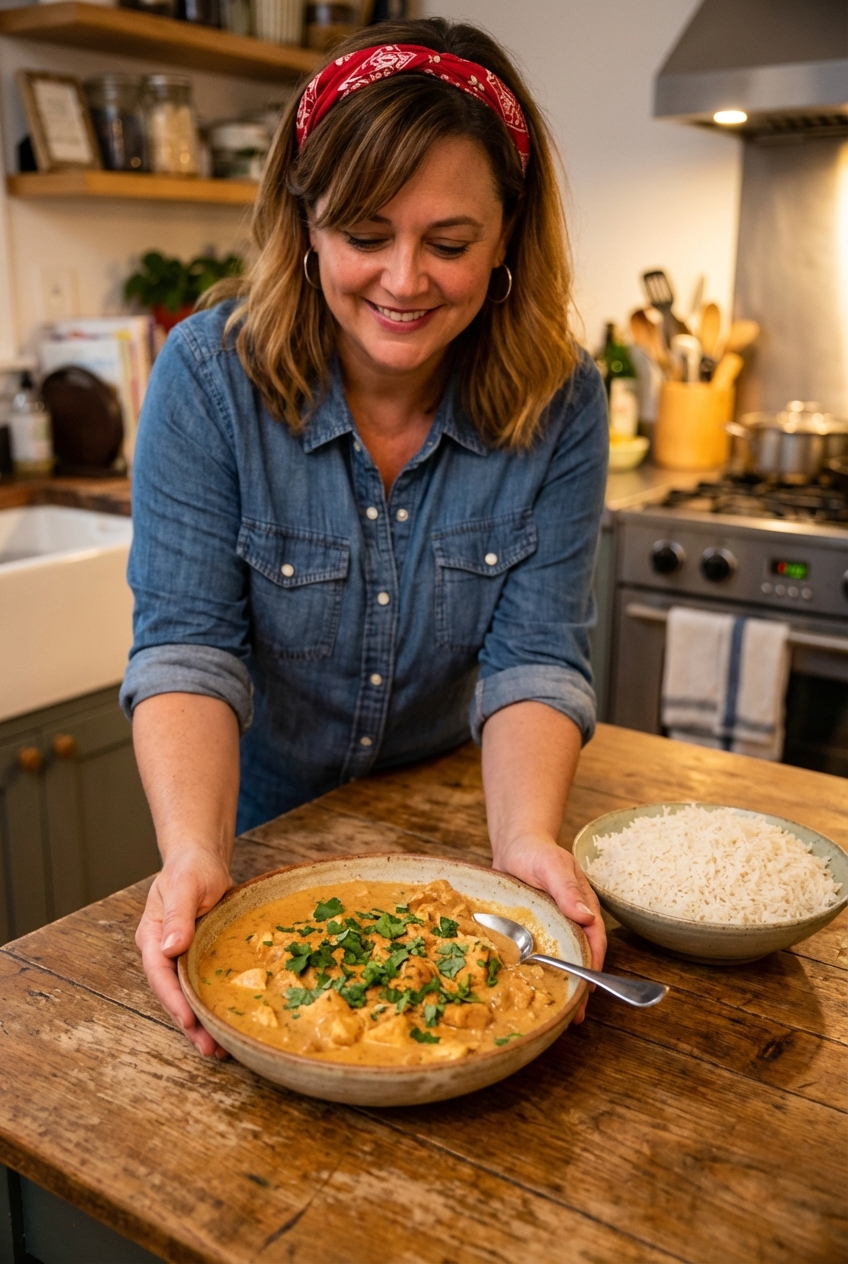
I started making chicken tikka masala when I was in my “I can totally cook anything” phase, which is a fun phase until you realize half the recipes online want you to own a tandoor and a spice cabinet the size of a small closet. I wanted the comfort and the bold sauce without turning a Tuesday night into a culinary endurance event.

This version is what stuck. It is the one I make when I want something that feels special but still lets me eat dinner at a reasonable hour. It is also the dish that taught me a core home cooking truth: if you bloom spices in fat and taste as you go, you can make almost anything feel restaurant-level in your own kitchen.