Why did my fudge turn grainy?
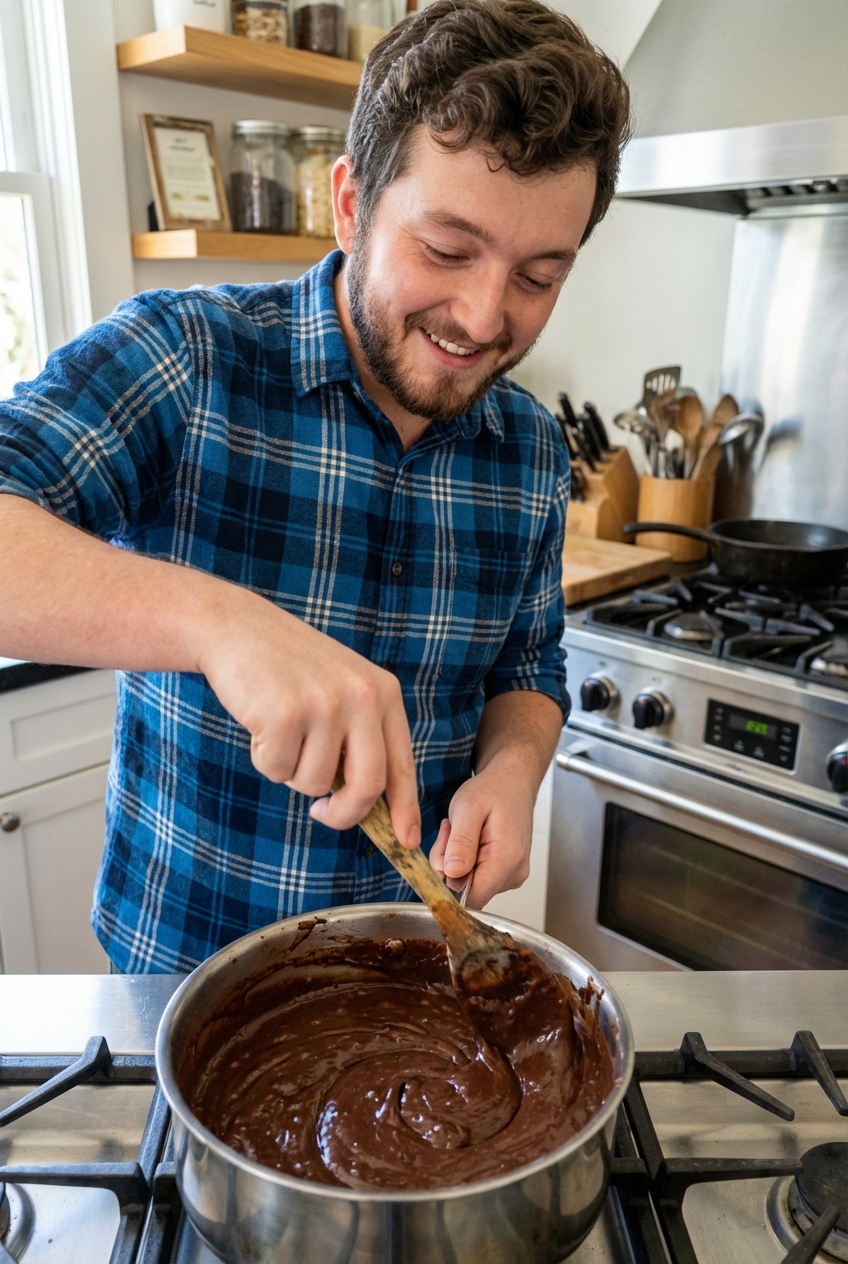
Graininess usually comes from sugar crystals forming. Common culprits are stirring too much while it boils, scraping sugar from the sides of the pan into the batch, or not dissolving the sugar fully. Next time, stir until everything is dissolved before it boils, then keep stirring gentle and minimal during the boil. And once it is boiling, avoid scraping down the sides of the pan.
How do I know it is ready without a thermometer?
Use the cold water test: drop a small spoonful of the mixture into a cup of cold water. If it forms a soft ball you can pick up and flatten between your fingers, you are there. If it dissolves or stays syrupy, boil a little longer. If it forms a hard ball, it has gone too far and will set crumbly. If you want the most reliable read, a thermometer is your best friend: soft ball stage is about 234 to 240°F.
Can I use chocolate chips instead of cocoa powder?
Not as a direct swap. Cocoa powder is a dry ingredient, while chocolate chips add extra sugar and fat, so swapping one for the other can throw off the set and texture. This recipe is written to use cocoa plus chips for deep flavor and a smooth finish. If you only have chocolate chips (or only cocoa), it is best to use a recipe designed specifically for that ingredient list.
Can I make this dairy free?
You can try full fat coconut milk and a plant based butter. The flavor will shift slightly, but it can still set. Keep the same boiling and cooling cues, and do not skip the parchment.
Why is my fudge too soft?
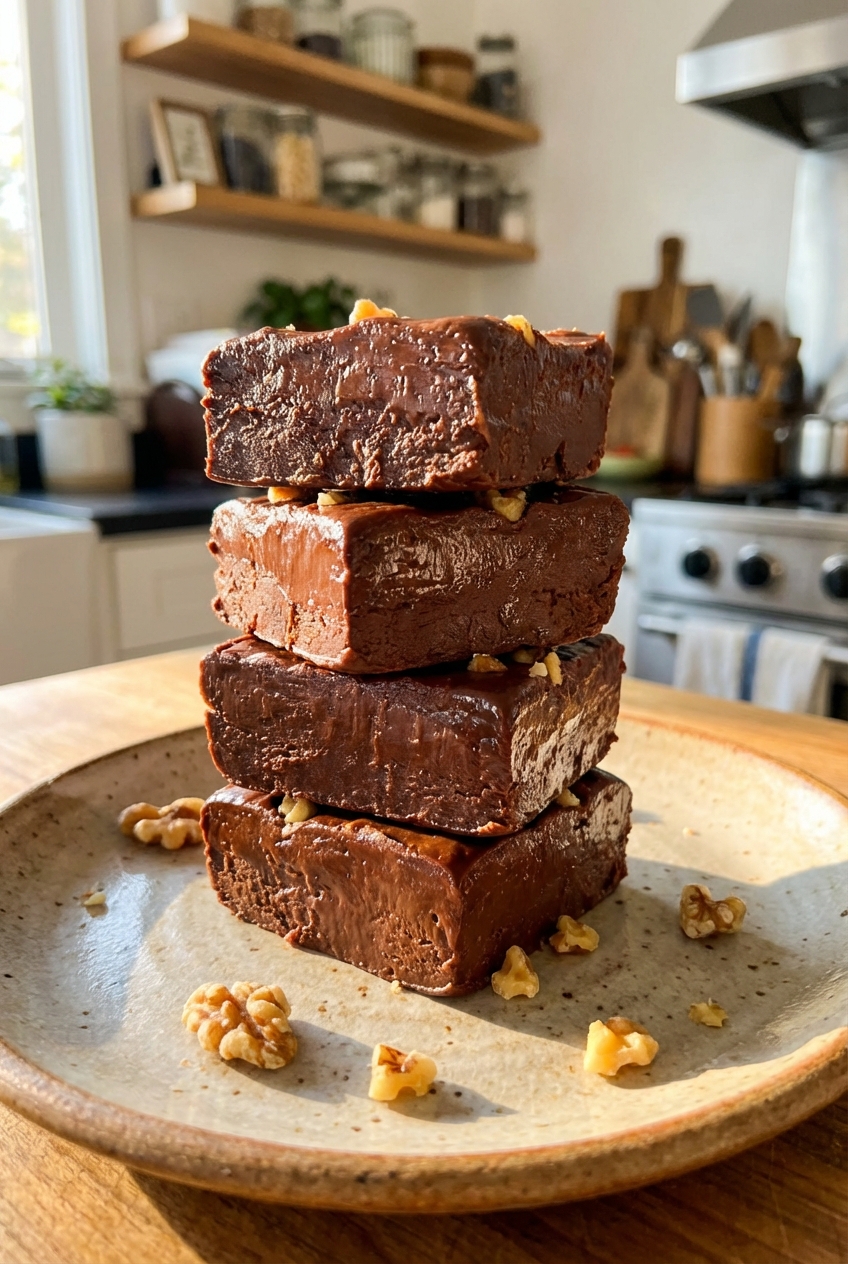
It likely did not boil long enough, or it was poured before it cooled slightly and thickened. You can refrigerate it to firm up, but for the classic slice, aim for that soft ball stage on the cold water test.
Why is my fudge dry or crumbly?
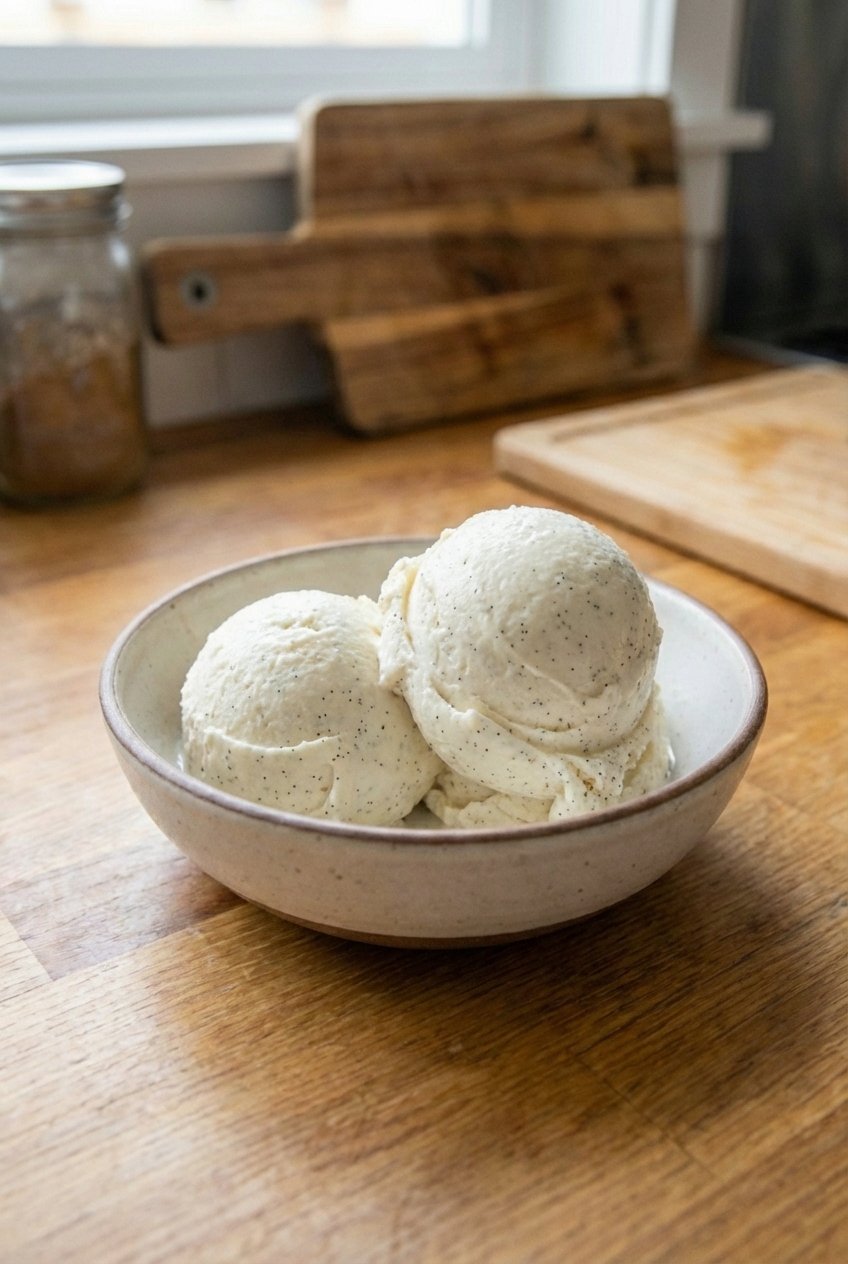
That usually means it cooked past the ideal stage. If it is just a little dry, serve it with ice cream or warm it 5 seconds at a time in the microwave to soften. For next time, shorten the boil by 30 to 60 seconds and check the cold water test earlier.