Mom's Best Recipes
Recipe

Homestyle Italian Bread Recipe

Soft, slightly chewy Italian bread with a creamy olive oil crumb and a crisp, golden crust. Weeknight-friendly, sandwich-ready, and perfect for dunking.

Author By Matt Campbell
4.8
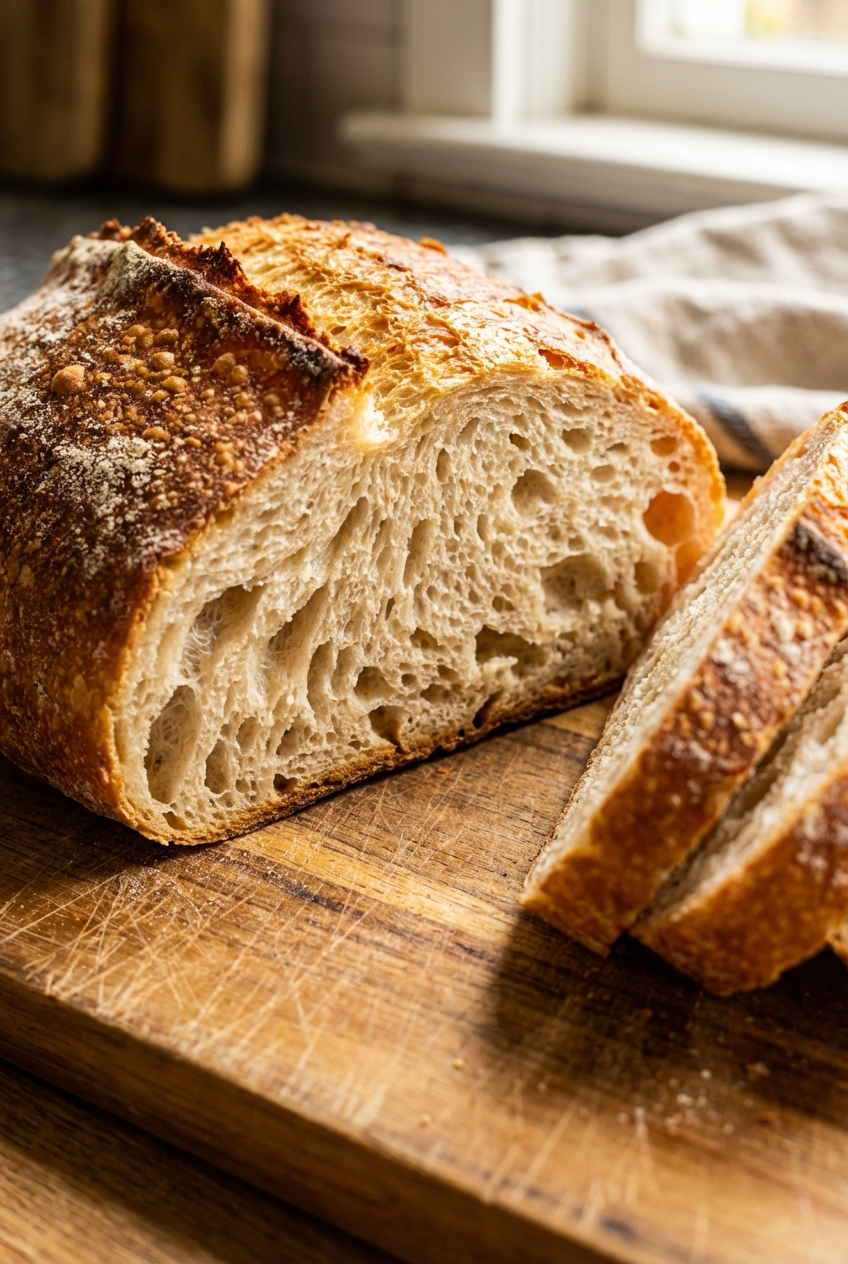
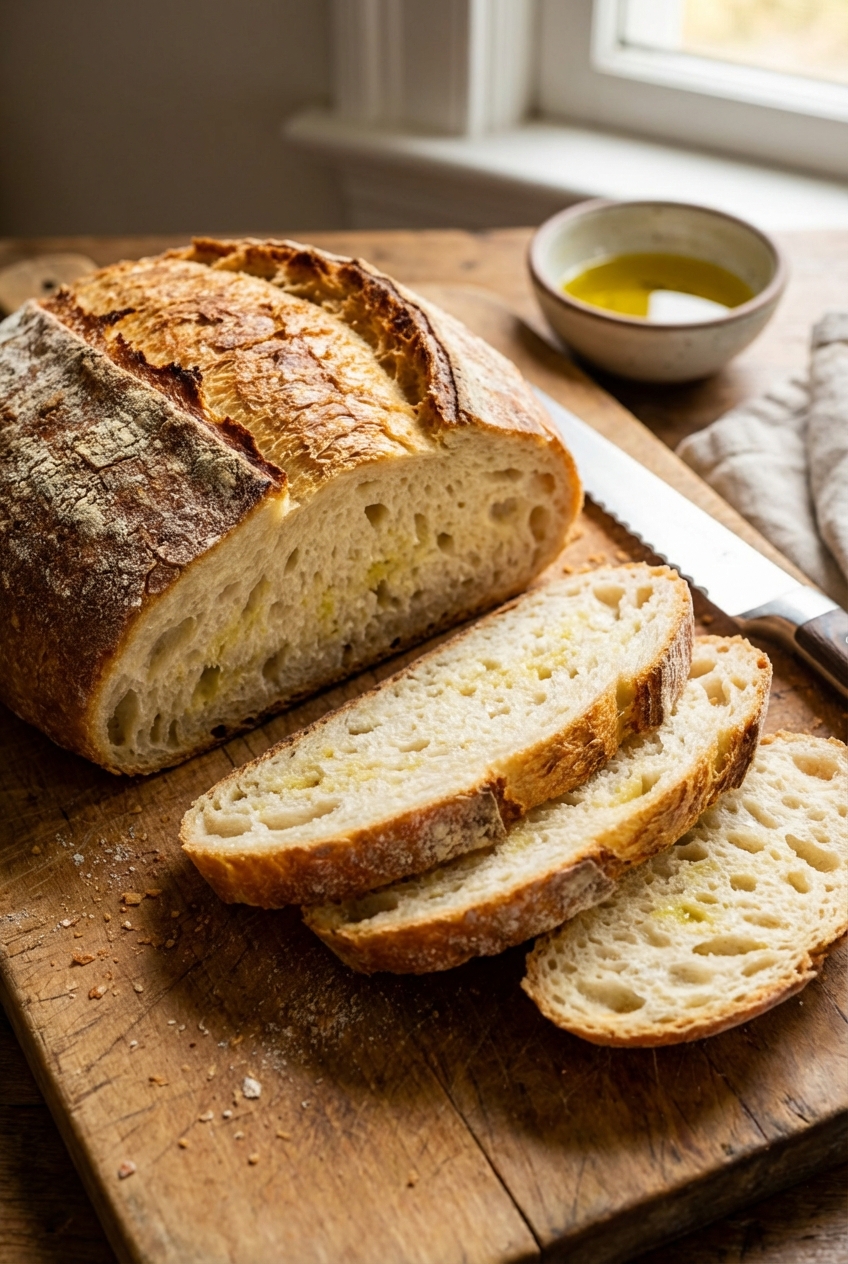
Rustic homestyle Italian bread loaf on a wooden cutting board with a few slices cut, showing a soft olive oil crumb and a crisp golden crust

This is the kind of bread that makes your kitchen smell like you have your life together, even if your counter is currently a flour snowstorm. It is homestyle Italian bread: a simple loaf with a lightly crisp crust, a tender, slightly chewy interior, and that subtle richness that reads as creamy and comforting without needing dairy at all.

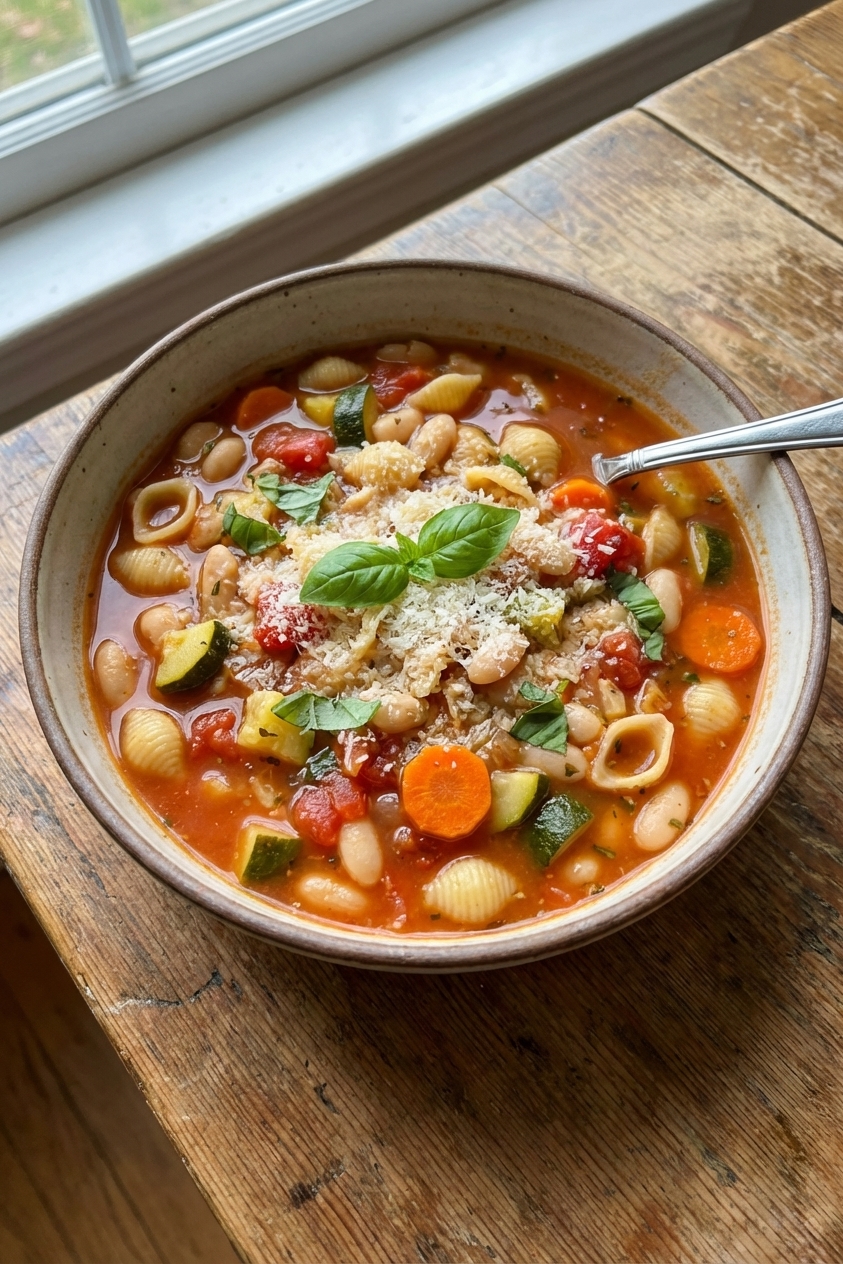
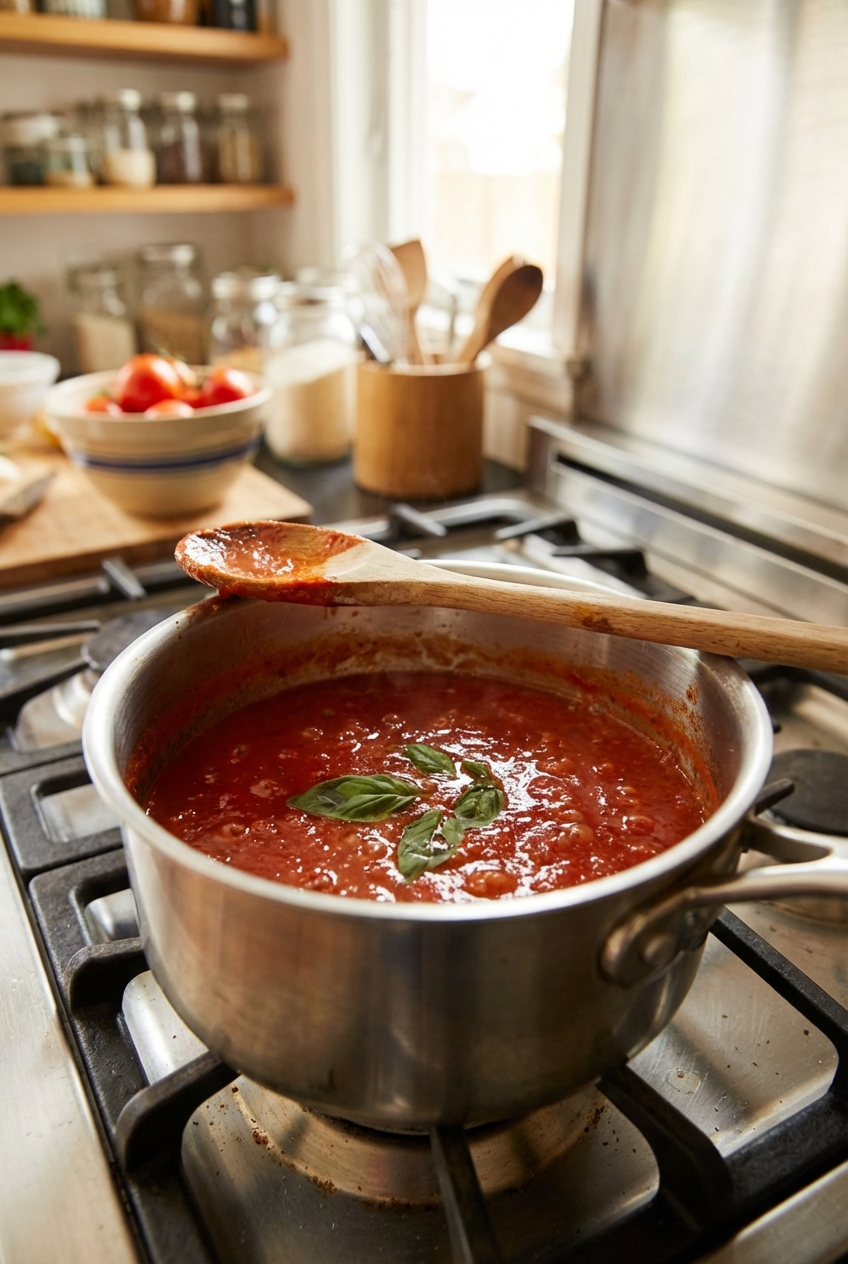
The secret is olive oil and a short rest that lets the dough relax. You get a soft crumb that is perfect for sandwiches, toast, and, most importantly, ripping into while you stand at the counter “just to taste.” Serve it warm with butter, dunk it in soup, or swipe it through a bright tomato sauce. It shows up for all of it.

Close-up of sliced Italian bread showing a tender interior crumb and crisp crust on a cutting board

Why It Works

  • Creamy, tender crumb: Olive oil enriches the dough and helps keep the interior softer longer (storage matters).
  • Crisp edges, cozy middle: A hot oven plus steam early in baking gives you that bakery-style crust.
  • Accessible ingredients: Basic pantry staples, no fancy flour required.
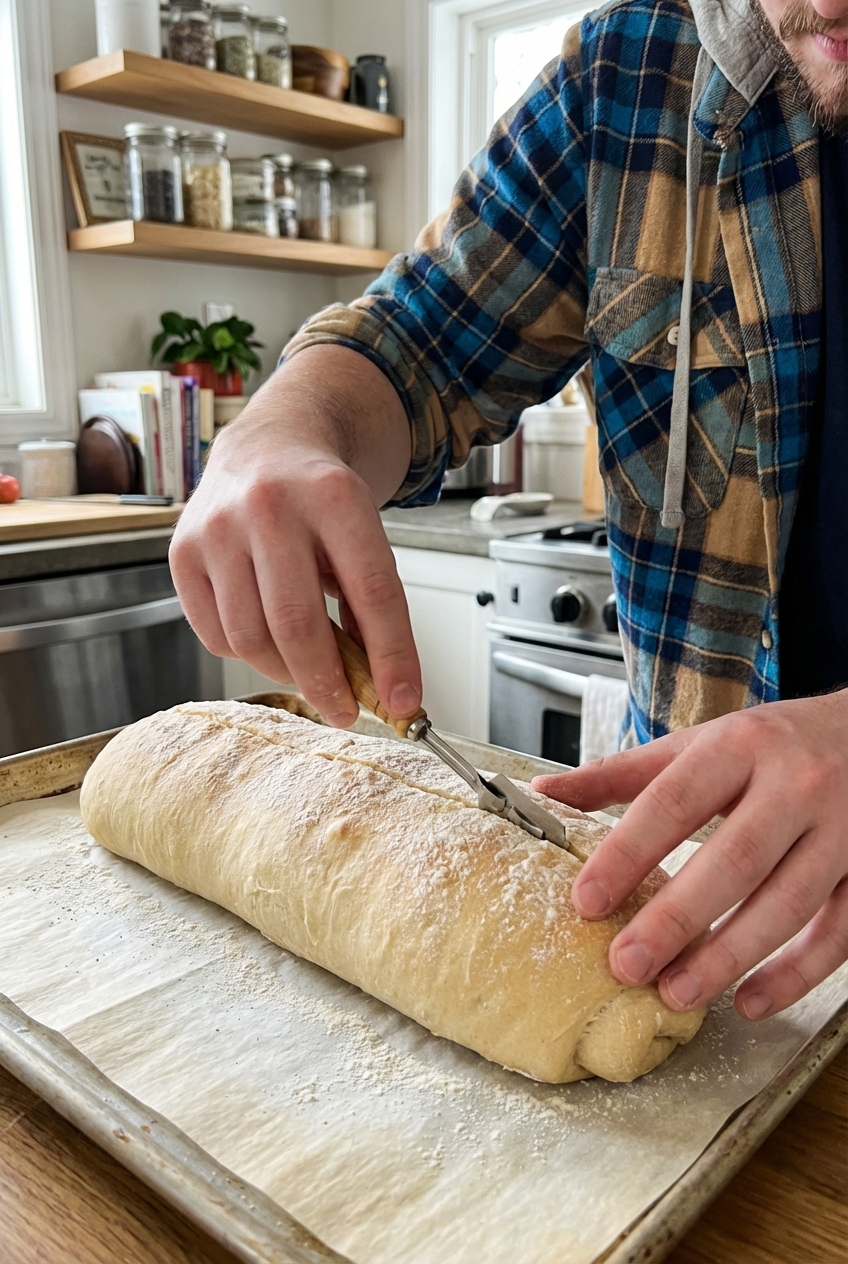
  • Clear timing: One rise, a short shape, one more rise, then bake. You can do this on a normal day.

Pairs Well With

Storage Tips

Day 1 and 2: Store the cooled loaf in a paper bag, bread box, or loosely wrapped in a clean kitchen towel at room temperature. This keeps the crust from going rubbery.

After that: Slice it, then freeze it. Put parchment between slices if you want easy grab-and-toast convenience.

  • Freezer: Up to 3 months, best quality.
  • To reheat slices: Toast straight from frozen.
  • To revive a whole loaf: Mist the crust lightly with water, then warm in a 350°F oven for 8 to 12 minutes.

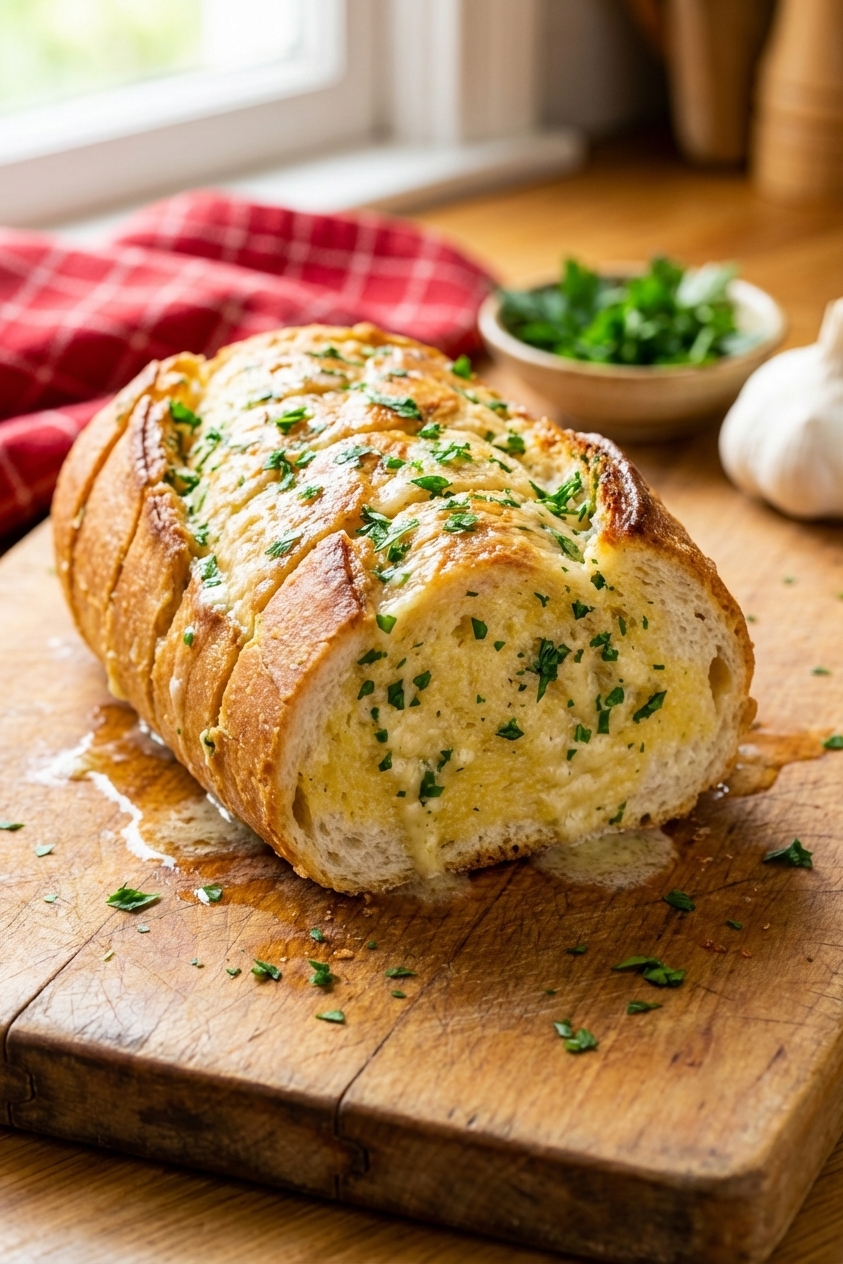
Bonus move: Stale bread becomes elite garlic bread, croutons, or breadcrumbs. Nothing wasted.

Common Questions

Why is it called “creamy” if there is no cream?

It is about texture. Olive oil makes the crumb feel richer and softer, almost plush. If you want to lean harder into that vibe, brush warm slices with more olive oil or butter.

Can I use instant yeast instead of active dry?

Yes. Use the same amount. You can mix it right into the flour with the salt, then add the warm water and olive oil. Your rise may be a little faster, so watch the dough instead of the clock.

My yeast did not foam. Is it dead?

Not always. Some modern active dry yeasts do not get dramatically foamy and still work. If you see no activity at all after 10 minutes, your yeast may be old, or the water may have been too hot or too cool. Try again with fresh yeast and comfortably warm water.

My dough feels sticky. Did I mess up?

Nope. Slightly tacky is normal and helps create an airy crumb. If it is truly wet and unworkable, add flour 1 tablespoon at a time during kneading. The goal is soft and elastic, not dry.

How do I get a crisp crust at home?

Steam, then dry heat. Put a sturdy metal pan on the bottom rack while the oven preheats. When the bread goes in, carefully add hot water to that pan to create steam, then close the door right away to trap it. For an extra-crisp crust, carefully remove the steam pan (or let it go dry) after the first 10 to 15 minutes of baking.

Can I make this into rolls?

Absolutely. Divide into 8 pieces, shape into tight balls, rise until puffy, then bake at 400°F for 16 to 20 minutes.

My loaf came out dense. What happened?

Usually it is one of three things: too much flour, not enough rise time, or the dough was not kneaded enough. For best results, measure flour by weight if you can, let the dough rise until truly puffy (cool kitchens take longer), and knead until smooth and elastic.

I used to think “good bread” required a culinary school schedule and the patience of a saint. Then I started chasing practical kitchen wins: the kind of loaf you can make on a random Tuesday that still feels like a small miracle when you slice into it. This is that loaf for me.

I call it creamy because the olive oil gives you that soft, rich bite that makes butter optional, although I still support butter. It is the bread I make when I want a cozy carb for soup night, and it is also the bread I make when I am “testing” dinner and accidentally eat three slices before anyone else gets home.