Mom's Best Recipes
Recipe

Homestyle Pasta Carbonara

Silky, cozy carbonara with crisp bacon, plenty of Parmesan, and a glossy egg sauce that clings to every strand. No cream needed.

Author By Matt Campbell
4.8/5
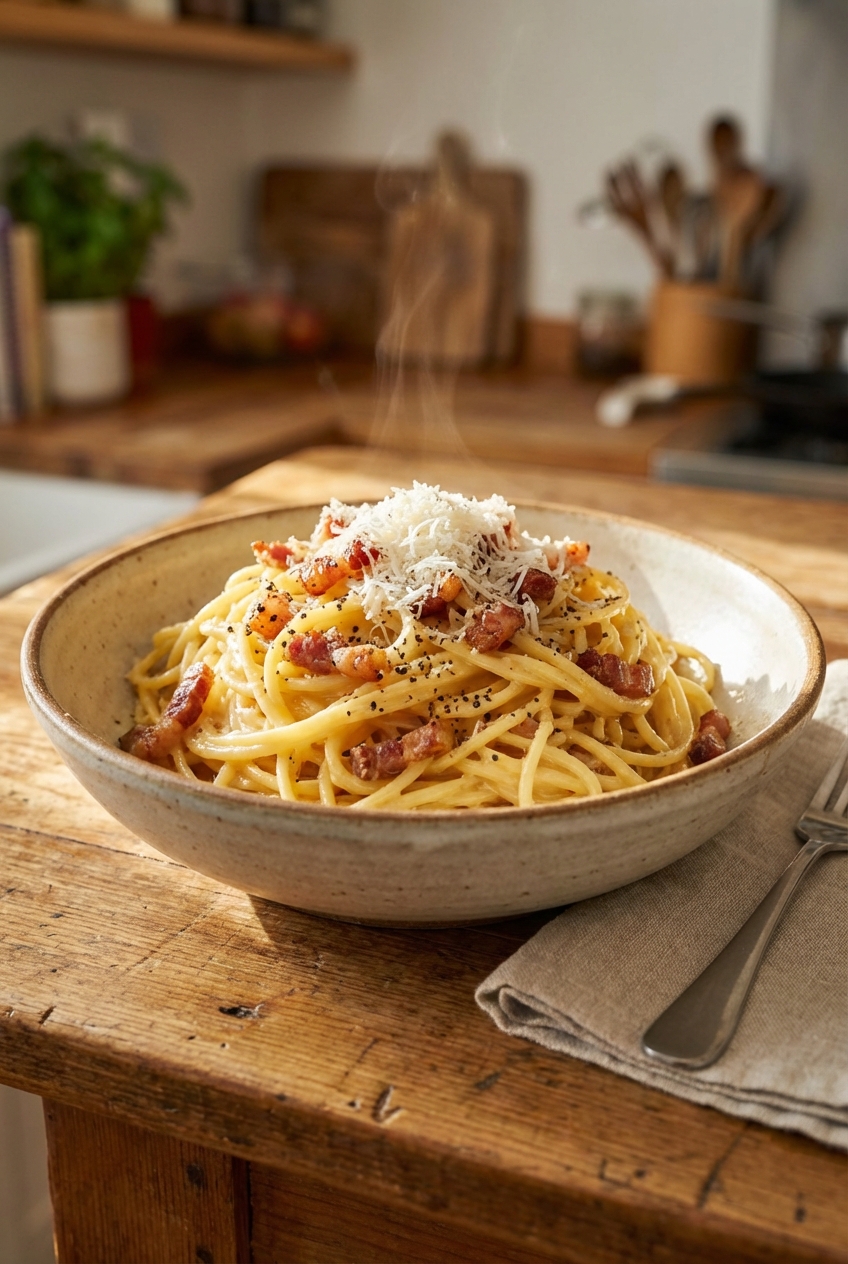
A bowl of spaghetti carbonara with crispy bacon, black pepper, and grated Parmesan on top, shot in warm natural light on a wooden table

Carbonara is one of those recipes that feels fancy, tastes like a hug, and still comes together on a random Tuesday. You get crisp-edged bacon, al dente pasta, and a sauce that looks creamy because of eggs, cheese, and starchy pasta water doing the most. No cream, no drama, just a few smart moves and a lot of pepper.

This is my homestyle version for Mom’s Best Recipes: approachable ingredients, clear steps, and little rescue tricks built in. If you have ever scrambled your sauce and sworn off carbonara forever, stay with me. We are going to keep the heat gentle, keep the pasta water close, and taste as we go because that is literally the job.
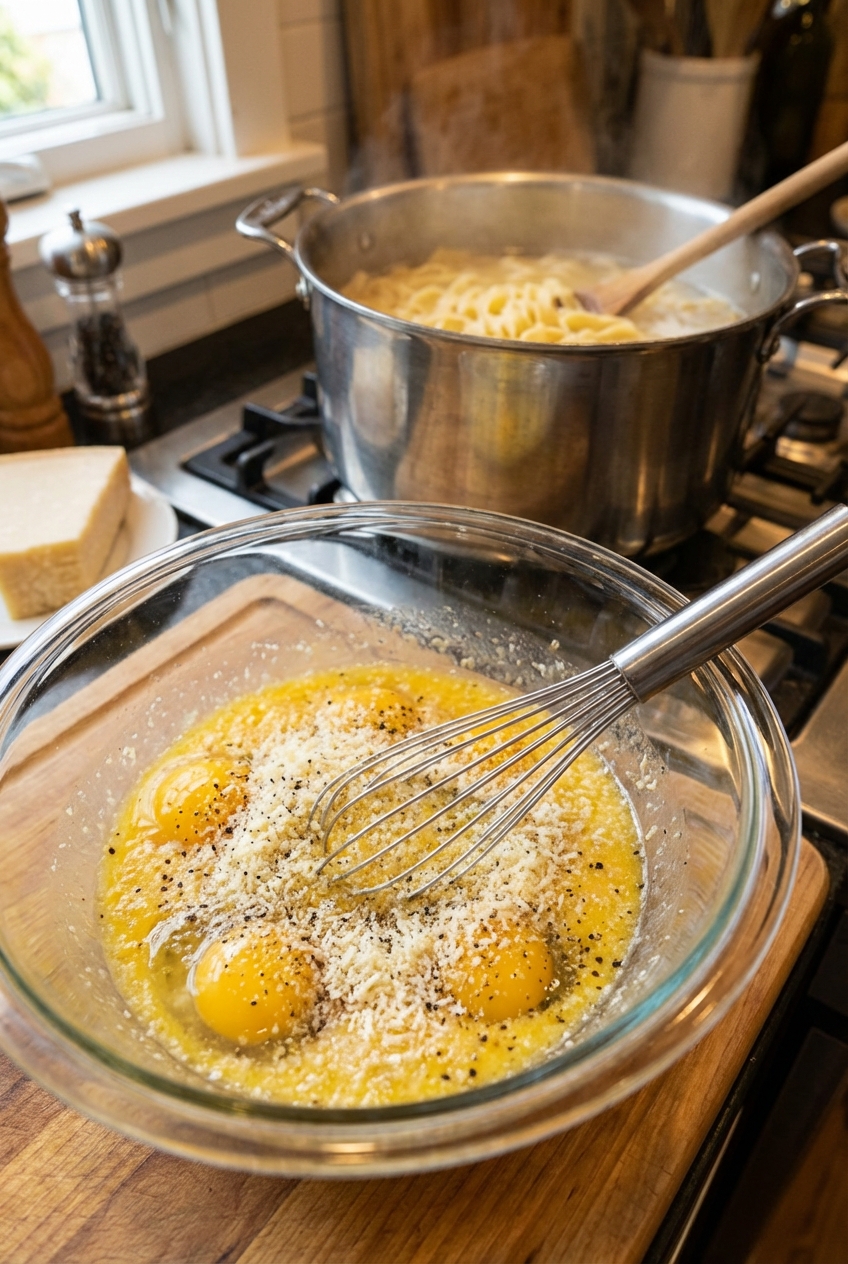
A close-up photo of eggs whisked with grated Parmesan and black pepper in a mixing bowl next to a pot of pasta

Why It Works

  • Silky sauce without cream: Eggs and Parmesan melt into a glossy coating when the pasta is hot and the pan is off the burner.
  • Big flavor, small ingredient list: Bacon (or pancetta), eggs, cheese, pepper, pasta. That is the core.
  • Crisp, savory bites in every forkful: Rendering the bacon slowly gives you crunchy bits plus flavorful fat for the sauce base.
  • Flexible and forgiving: Includes timing cues and fixes if the sauce looks too thick, too thin, or starts to tighten up.

Pairs Well With

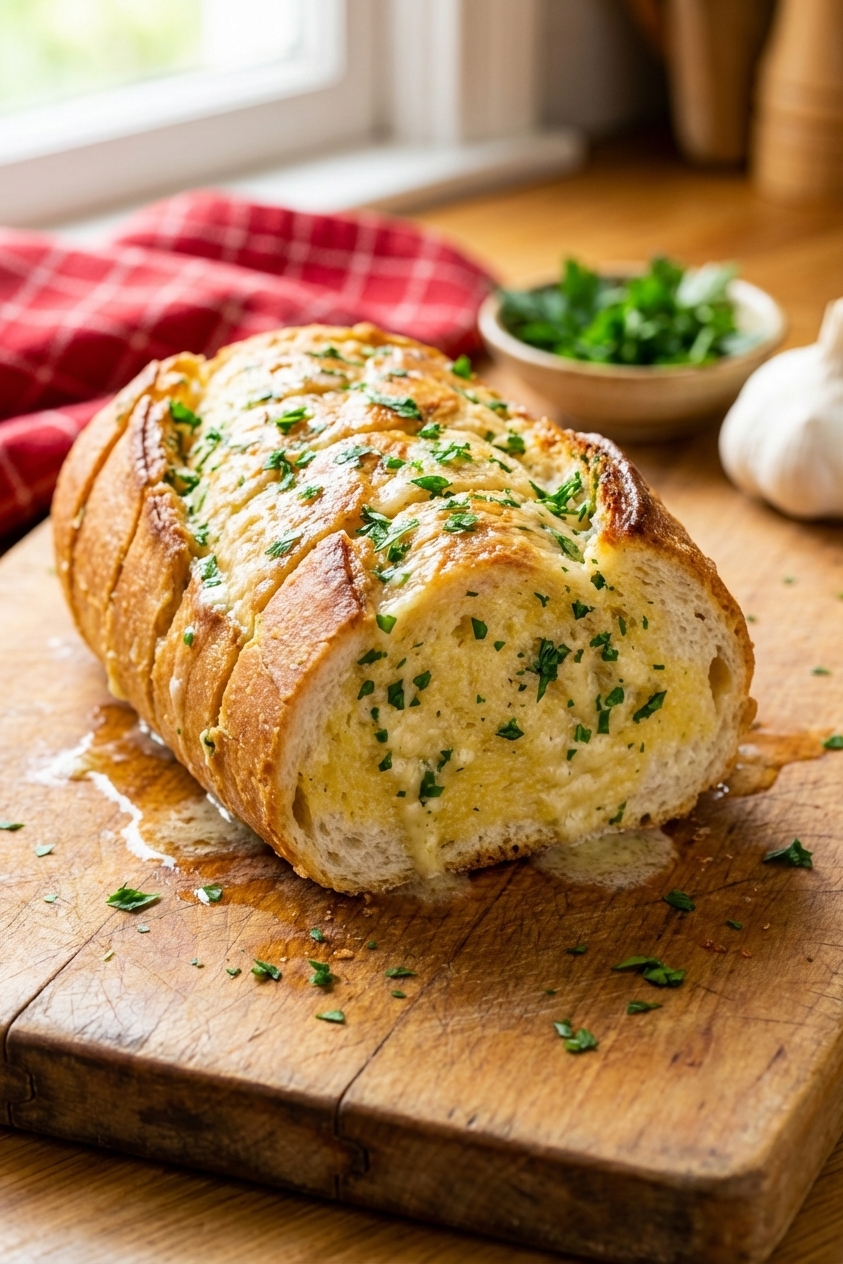
  • A photo of buttery garlic bread slices on a baking sheet

    Buttery Garlic Bread

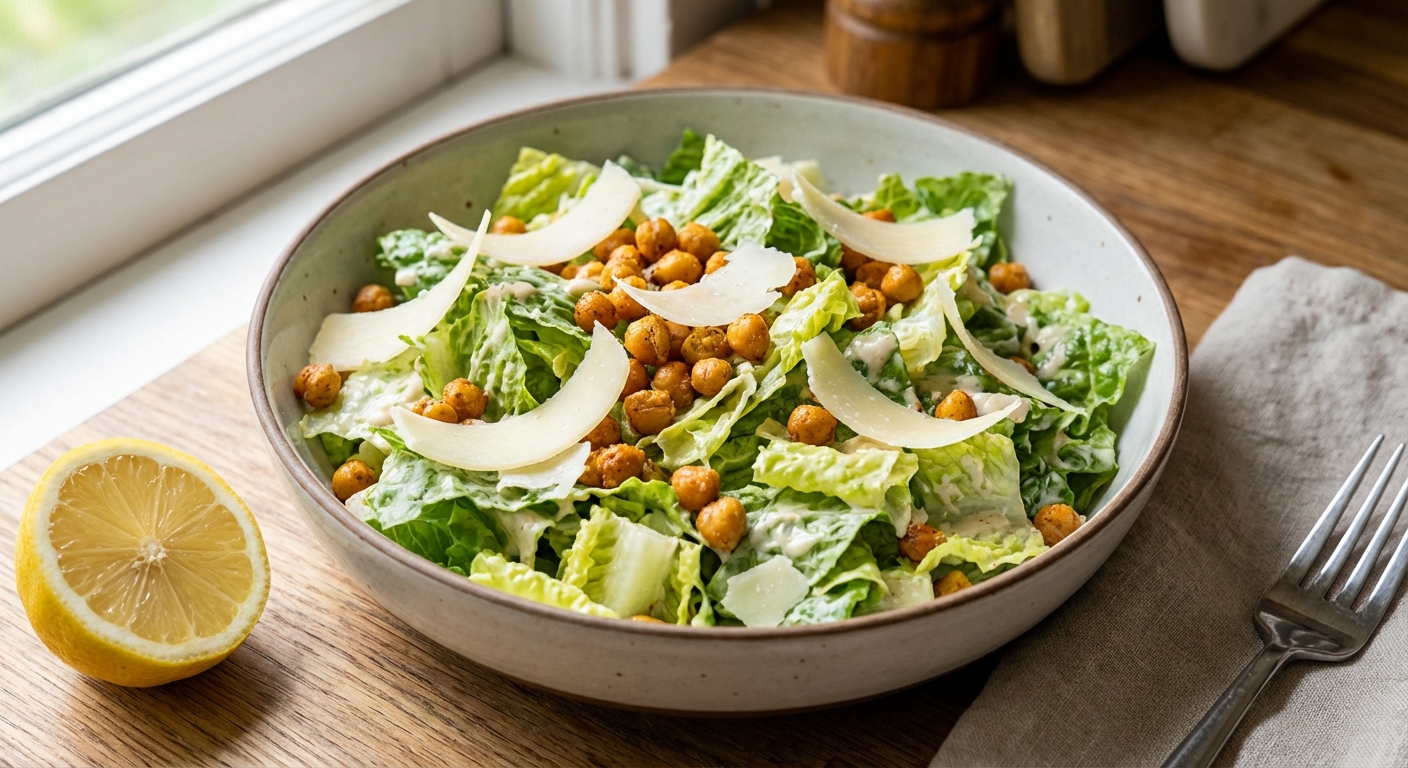
  • A photo of a simple green salad with lemon vinaigrette in a large bowl

    Simple Lemon Green Salad

  • A photo of roasted broccoli with crispy edges on a sheet pan

    Crispy Roasted Broccoli

  • A photo of sautéed green beans with garlic in a skillet

    Garlicky Green Beans

Storage Tips

Carbonara is best right after it is made, when the sauce is glossy and loose. That said, leftovers still hit the spot if you reheat them gently.

Refrigerate

  • Store in an airtight container for up to 3 days.

Reheat (best method)

  • Add pasta to a skillet over low heat with a splash of water.
  • Toss constantly until warmed through and loosened. Turn heat off as soon as it is hot.
  • Finish with extra Parmesan and black pepper.

Microwave (works, but be gentle)

  • Microwave in 20 to 30 second bursts, stirring between, with a teaspoon or two of water added first.

Freezing

  • I do not recommend freezing carbonara. The egg and cheese sauce can turn grainy once thawed.

Common Questions

Do I really not need cream?

You do not. Classic carbonara gets its creamy texture from eggs + cheese + pasta water. Cream can make it heavier and can mute the peppery punch.

How do I keep the eggs from scrambling?

Two keys: turn the heat off before you add the egg and cheese mixture, and toss constantly while adding hot pasta water a splash at a time. The residual heat from the pasta is enough.

What pasta shape is best for carbonara?

Spaghetti is the classic, but bucatini, linguine, or fettuccine work great. Short shapes like rigatoni also work, just make sure you save enough pasta water so the sauce coats every ridge.

Can I use bacon instead of pancetta or guanciale?

Yes. Bacon is the most accessible option and it tastes fantastic. If your bacon is very smoky, keep the pepper bold and consider a little extra Parmesan for balance.

Is it safe to eat carbonara with eggs?

The eggs are gently cooked by the heat of the pasta and hot pan. If you are serving someone who is pregnant, immunocompromised, or very cautious, use pasteurized eggs for extra peace of mind.

My sauce looks thick and clumpy. Can I fix it?

Yes. Pull the pan off the heat and add hot pasta water 1 tablespoon at a time while tossing. It usually smooths out quickly. If it already scrambled, see the tip in the instructions to turn it into a rustic, still-delicious “carbonara scramble” moment.

Do I need to add extra salt?

Usually not. Between the bacon and Parmesan, carbonara is naturally salty. Season the pasta water moderately, then taste at the end and only add salt if it truly needs it.

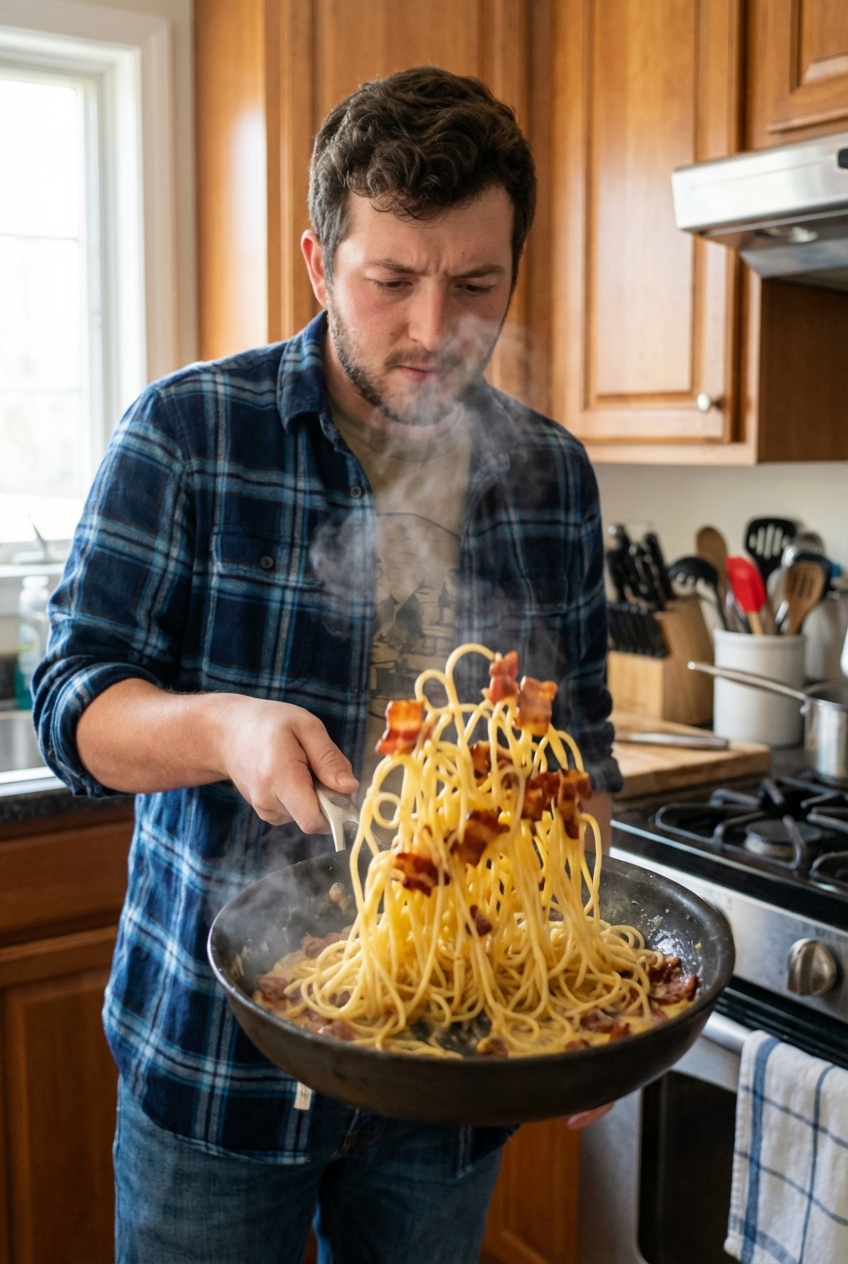
The first time I made carbonara, I treated it like an alfredo situation and left the heat blasting like I was trying to win a race. The sauce scrambled, I panicked, and I ate it anyway standing at the stove because quitting was not an option. What I learned is the whole recipe is basically a trust fall with pasta water. Once you get the timing, carbonara becomes that friend who shows up in sweatpants with snacks, comforting, reliable, and somehow still impressive.