Mom's Best Recipes
Recipe

Honey Ham Glaze

A glossy, sweet-savory glaze that turns any ham into a sticky, caramelized centerpiece with minimal fuss.

Author By Matt Campbell
4.8
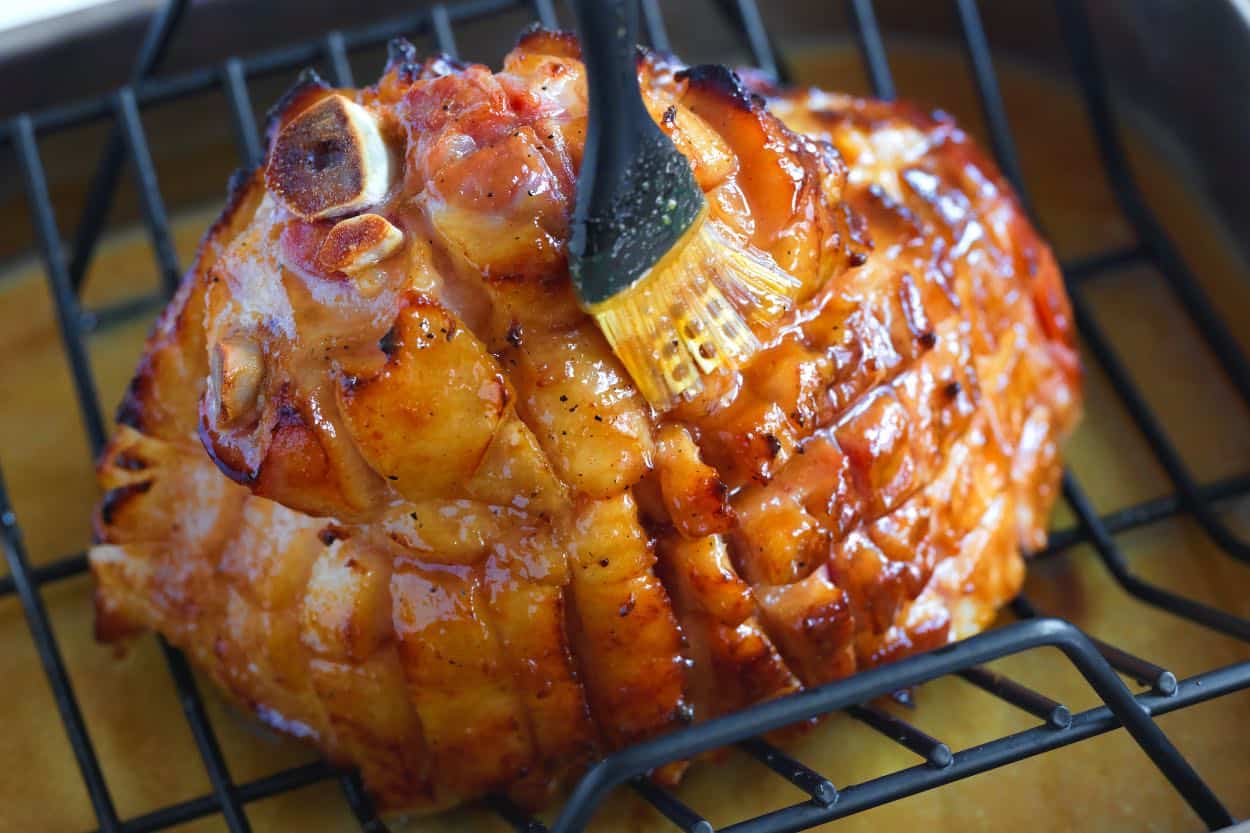
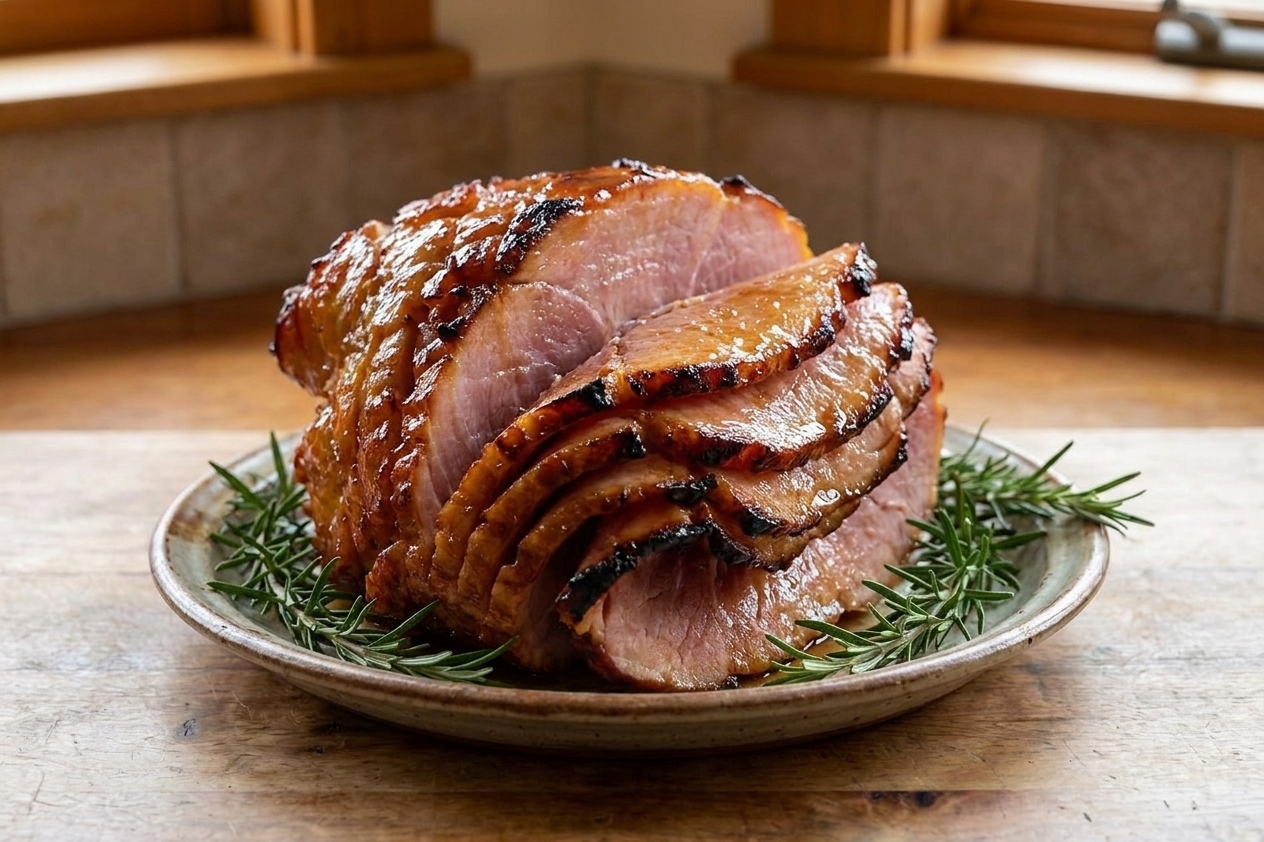
A sliced baked ham on a platter, lacquered with a shiny honey glaze with caramelized edges, surrounded by rosemary sprigs on a wooden table

Honey ham glaze is one of those kitchen tricks that looks fancy, tastes like a holiday, and is nearly as easy as making tea. The secret is timing. Sugar burns, ham dries out, and spiral hams in particular can go from glorious to grumpy fast if you glaze too early.

This version is sweet, yes, but it is also buttery, a little tangy from Dijon, and warm-spiced in a way that makes you keep “quality checking” the spoon. We brush it on near the end so it bakes into a shiny, sticky shell with crisp edges and zero drama. Use your ham’s label and an instant-read thermometer as the final word on timing, then let the glaze do its thing.
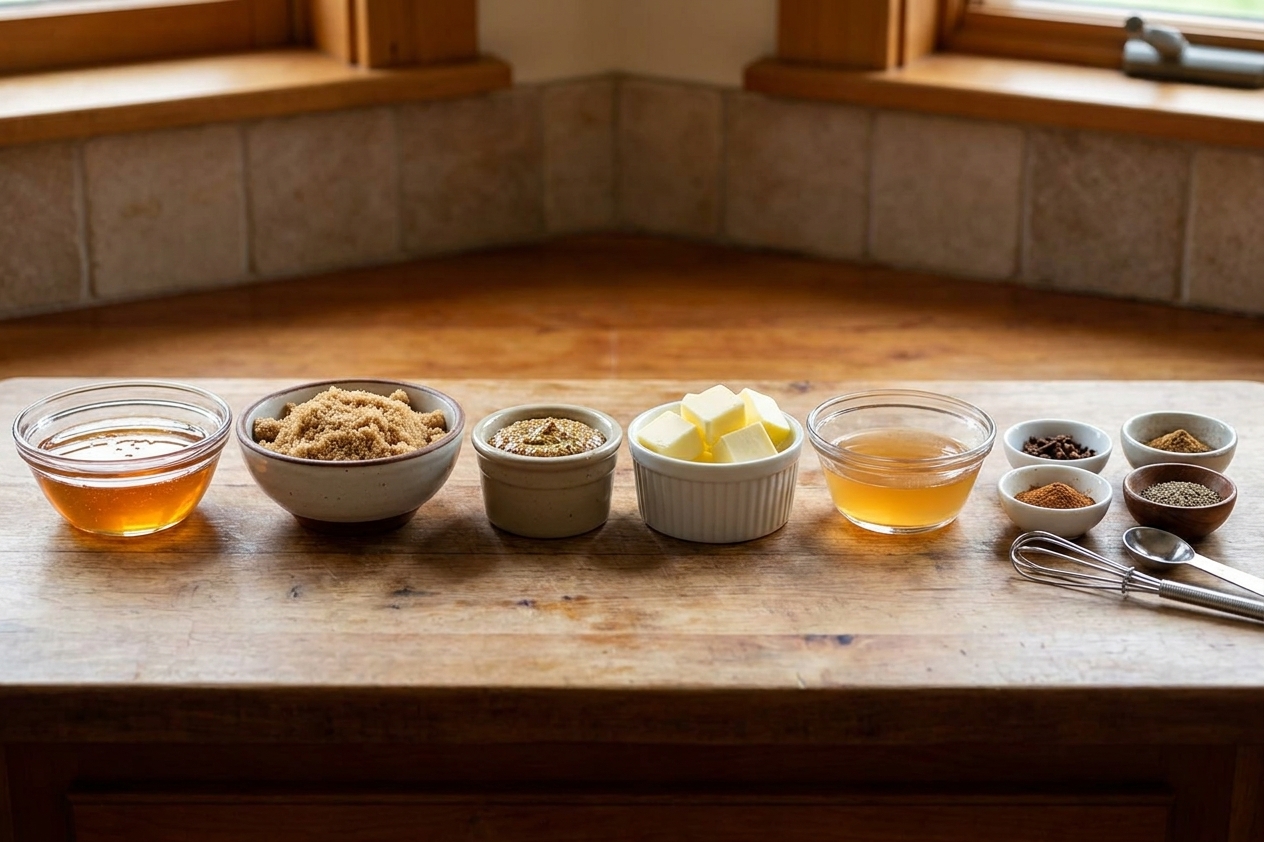
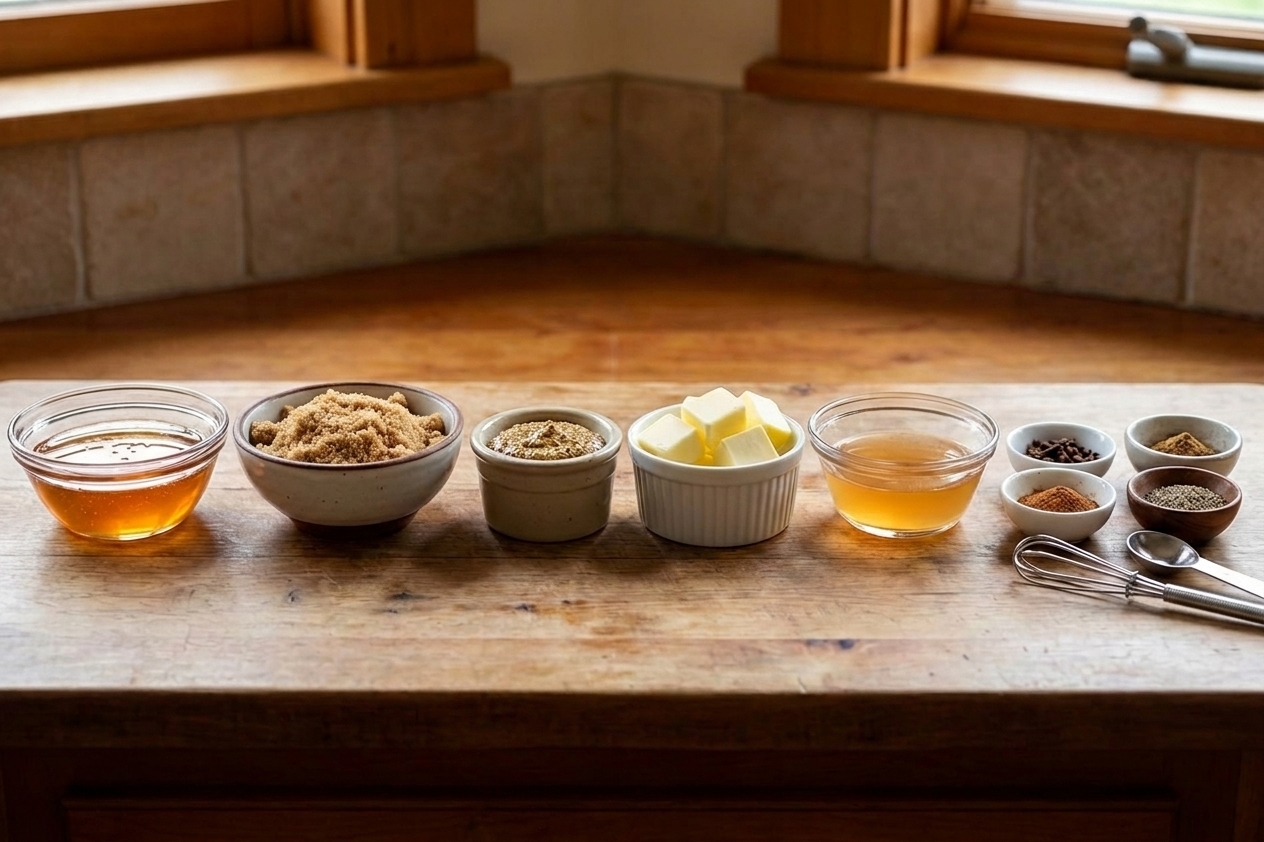
Measured bowls of honey, brown sugar, Dijon mustard, butter, vinegar, and spices lined up on a kitchen counter

Why It Works

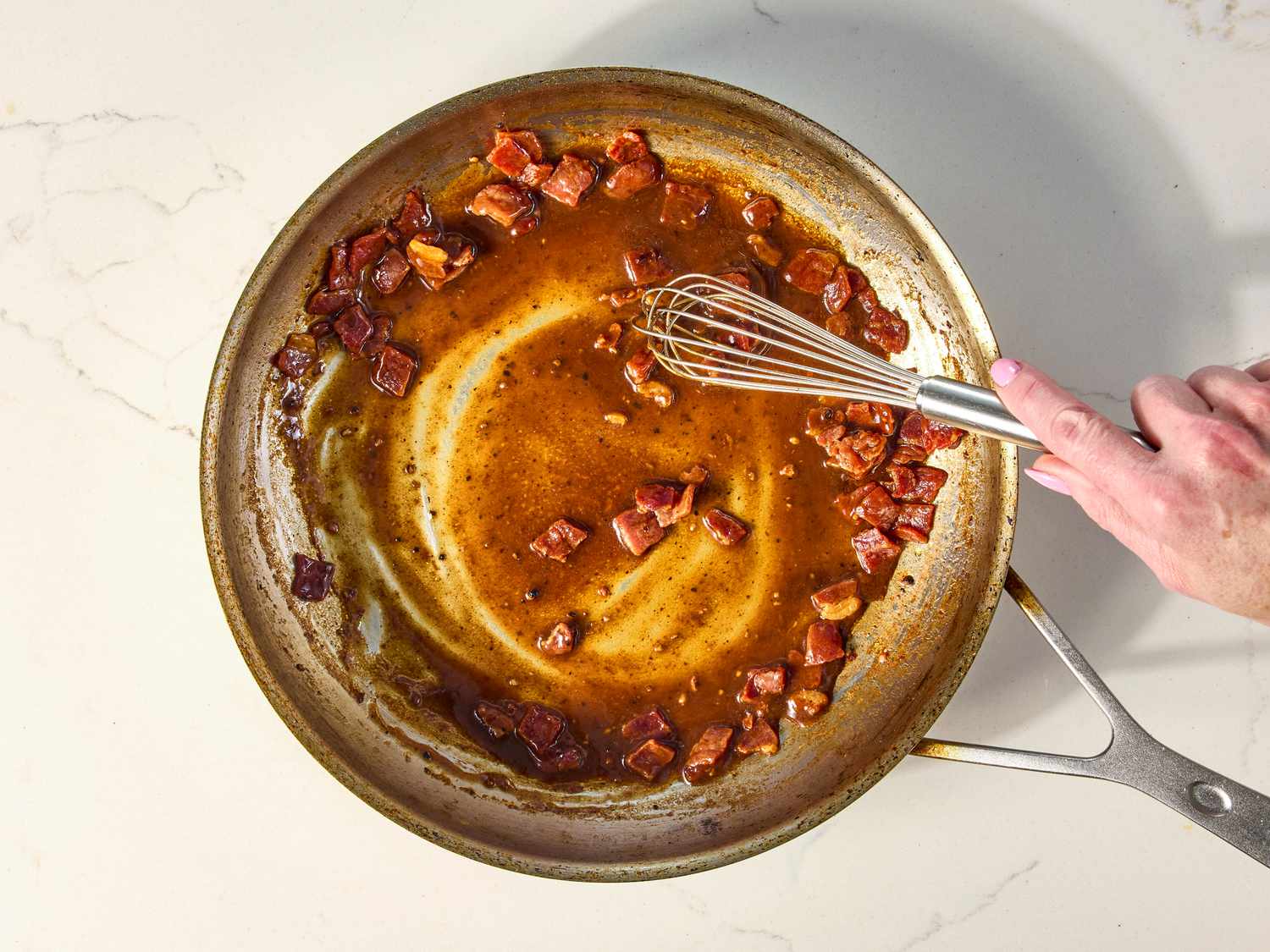
  • Glossy finish without burning: We simmer the glaze briefly to dissolve sugar and thicken, then apply it at the end when it can caramelize safely.
  • Balanced flavor: Honey and brown sugar bring sweetness, Dijon and vinegar keep it from tasting flat.
  • Works for spiral or bone-in: Same glaze, slightly different glazing schedule so spiral slices stay juicy.
  • Built-in rescue plan: If it thickens too much, a splash of warm water loosens it right back up.

Pairs Well With

Storage Tips

Leftover glaze: Cool completely, then store in an airtight container in the fridge for 5 to 7 days. Rewarm gently in a saucepan or microwave in 10 to 15 second bursts, stirring each time. Add 1 to 2 teaspoons warm water if it is too thick.

Glazed ham: Wrap tightly and refrigerate for up to 4 days (or follow any storage guidance on the package). Reheat slices covered with a splash of water or broth at 300°F until warmed through so the glaze does not scorch.

Freezing: Freeze ham in portions for up to 2 months. Thaw overnight in the fridge. Freeze glaze separately in a small container for up to 3 months.

Common Questions

When should I put glaze on ham?

Add glaze near the end. For most hams, start glazing in the last 30 to 40 minutes of baking. For spiral hams, it is often closer to 20 to 30 minutes. The exact window can shift depending on the ham type, size, and how accurate your oven runs, so use the internal temp as your anchor and glaze in the final stretch.

What temperature should ham be before glazing?

Glaze once the ham is close to its target internal temperature. As a general guide: fully cooked ham is typically warmed to about 140°F. A cook-before-eating ham needs to reach a safe internal temperature (often 145°F with a rest), but always follow the package directions since instructions vary by brand and cut.

How do I keep honey glaze from burning?

Use lower heat (many labels call for 275 to 325°F, so defer to your ham packaging) and glaze late. If the top is getting too dark, tent loosely with foil. Also, avoid letting glaze pool thickly in one spot. Thin coats, multiple passes.

Can I use this on a spiral ham?

Yes, and it is great. Spiral hams dry out easily, so keep it covered most of the time and glaze only during the last 20 to 30 minutes, basting gently so you do not knock slices loose.

My glaze got too thick. Did I ruin it?

Nope. Whisk in warm water 1 teaspoon at a time until it is brushable again.

Can I make honey ham glaze without brown sugar?

You can, but it will be less caramel-forward. Swap in maple syrup or a little granulated sugar, and simmer a minute longer to thicken. The flavor will be lighter and less molasses-rich.

I used to think ham glaze was just sugar on meat and that was that. Then I burned one so badly it smelled like a county fair in the worst way. Now I treat glaze like a finishing sauce: build it, taste it, and apply it when it can shine. This honey version is my go-to because it is friendly and flexible. It can lean holiday with cloves, weeknight with just mustard and vinegar, or spicy if you feel like choosing chaos.