
Asparagus is one of those vegetables that can go from snappy and sweet to sad and stringy in the time it takes to answer a text. The good news is that once you know what “done” looks like, you can cook it basically any way you like and still end up with a side dish that tastes like you meant it.
This is my technique-first cheat sheet. Pick your method, use the doneness cues, and then steal a seasoning combo that fits whatever you are serving tonight.
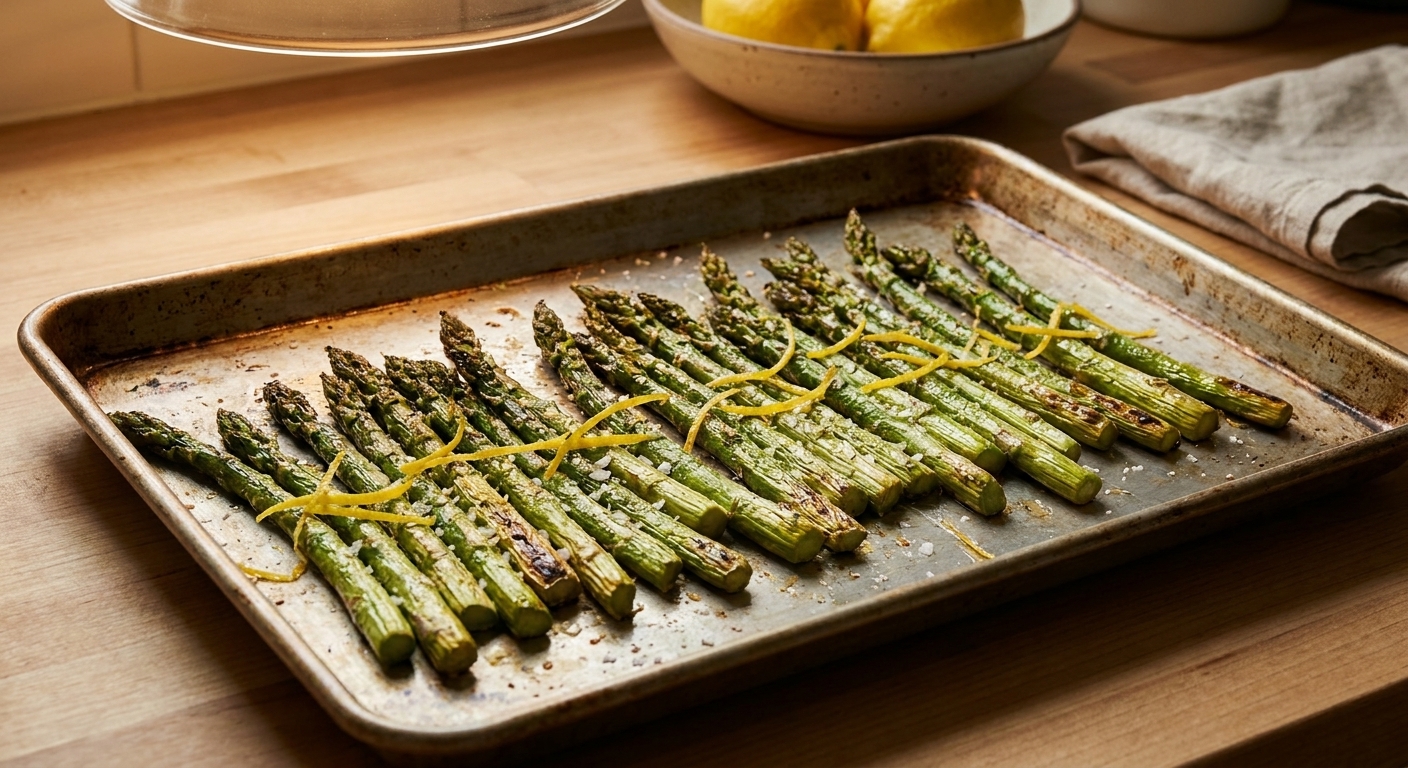
Choosing asparagus (and why thickness matters)
Thickness is not a quality ranking. It just changes your method and timing.
- Thin asparagus: cooks fast, great for sautéing, stir fries, quick roasting, and grilling in a basket.
- Medium asparagus: the all-purpose pick, works with every method here.
- Thick asparagus: awesome for grilling and roasting. It is also forgiving because it is harder to overcook the center before you get color.
How much to buy: Plan on about 1/2 pound per person as a side if asparagus is the main veg, or 1/3 pound per person if you have a full spread.
Prep once, cook any way
1) Rinse and dry
Asparagus can carry sandy grit, especially around the tips. Rinse, then dry well. Water on the surface fights browning.
2) Trim the woody ends
Two easy options:
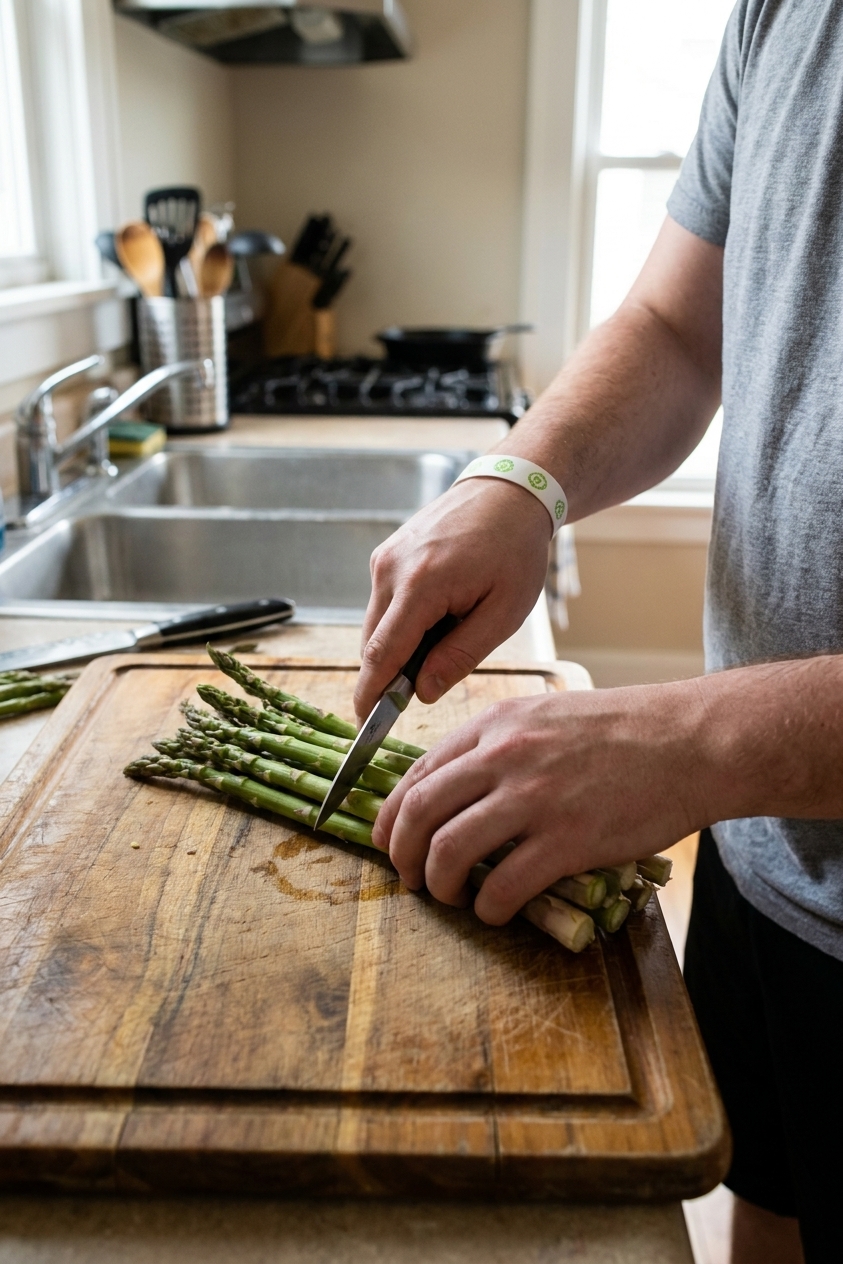
- Snap method: Bend one spear near the bottom until it breaks naturally. Use that as your guide for the bunch.
- Knife method: Line up the spears and cut about 1 to 2 inches off the bottom. Thicker spears usually need closer to 2 inches.
3) Optional peel for thick spears
If your asparagus is extra thick and you want a super tender bite, peel the lower third with a vegetable peeler. It is not required, but it can take “a little chewy” to “restaurant side dish.”
Doneness cues (the part that actually matters)
Forget strict minutes. Use these cues and you will nail it across ovens, grills, and pan sizes.
- Color: bright green with slightly deeper green at the base. Dull olive means overcooked.
- Texture: tender crisp. A fork should slide into the thick end with light resistance.
- Tips: should be tender, not falling apart. If the tips turn mushy, you went too far.
- Sound and smell: when roasting or sautéing, you should hear an active sizzle and smell a fresh, green aroma. If it smells sulfur-y, it is likely overcooked.
Quick test: Bite a piece. You are allowed. Encouraged, actually.
Seasoning matrix (mix and match)
Asparagus loves salt and high heat, but it really comes alive with a “finish.” Choose one from each category and you have a plan.
Base
- Olive oil
- Butter
- Avocado oil (high heat friendly)
Bright
- Lemon zest and juice
- Champagne vinegar or white wine vinegar
- Fresh herbs like parsley, dill, chives, basil
Savory
- Garlic (fresh, roasted, or powder)
- Parmesan or pecorino
- Toasted breadcrumbs
- Soy sauce or miso butter
Heat and crunch
- Red pepper flakes
- Black pepper, lots of it
- Toasted almonds, pistachios, or pine nuts
- Everything bagel seasoning (yes, really)
Rich finish
- Hollandaise or blender hollandaise for brunch
- Brown butter
- Greek yogurt sauce with lemon and garlic
Common mistakes (and how to avoid them)
- Overcrowding the pan: This steams instead of browns. Use a larger sheet pan or cook in batches.
- Skipping the dry step: Wet spears do not caramelize. Pat them dry.
- Too low heat: Asparagus likes confident heat. Low heat makes it limp before it gets flavor.
- Salting too late (for high-heat methods): Salt before roasting, sautéing, or grilling so it seasons the surface as it cooks.
- Forgetting a finishing touch: A squeeze of lemon, a shower of cheese, or a quick sauce is what makes it memorable.
Roasted asparagus (crisp tips, cozy vibes)
This is the weeknight hero. It also scales easily for holidays because you can roast multiple trays.
Quick recipe
- Heat oven: 425°F
- Toss: 1 pound asparagus + 1 to 2 tablespoons olive oil + 1/2 teaspoon kosher salt + black pepper
- Roast: 10 to 14 minutes, depending on thickness, until bright green and lightly browned
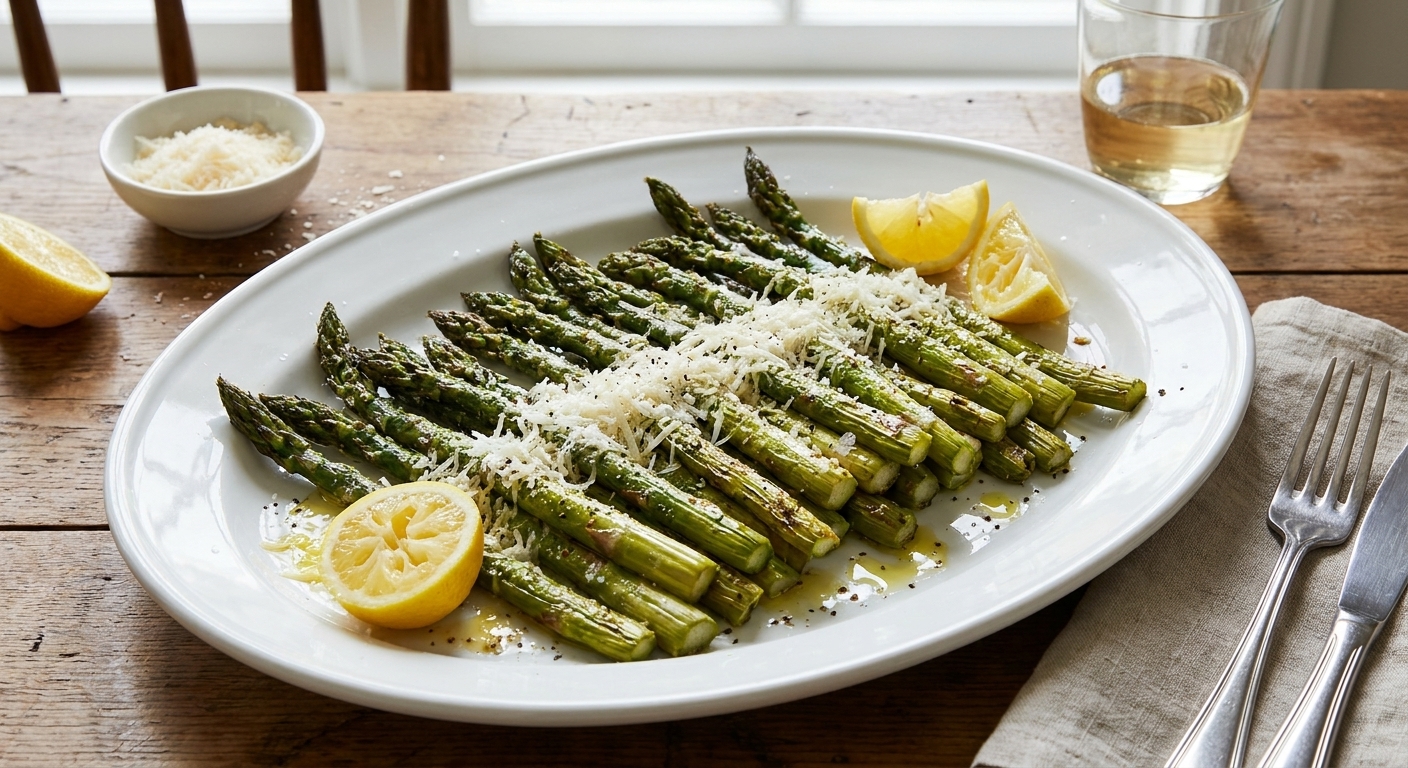
- Finish: lemon zest, squeeze of lemon, and parmesan
Pro tip: For extra crisp edges, preheat the sheet pan in the oven for 5 minutes, then add the asparagus.
Sautéed asparagus (fast, glossy, and garlicky)
Perfect when you want asparagus in under 10 minutes and you like that skillet-char energy.
Quick recipe
- Cut: 1 inch pieces for faster cooking, or keep whole for a cleaner look
- Heat: large skillet over medium-high, add 1 tablespoon oil or butter
- Cook: asparagus with a pinch of salt, 4 to 7 minutes, tossing occasionally
- Add: 1 minced garlic clove in the last 30 seconds
- Finish: squeeze of lemon or splash of soy sauce
If it browns too fast: Drop the heat slightly and add 1 tablespoon water to help the thick ends soften without burning.
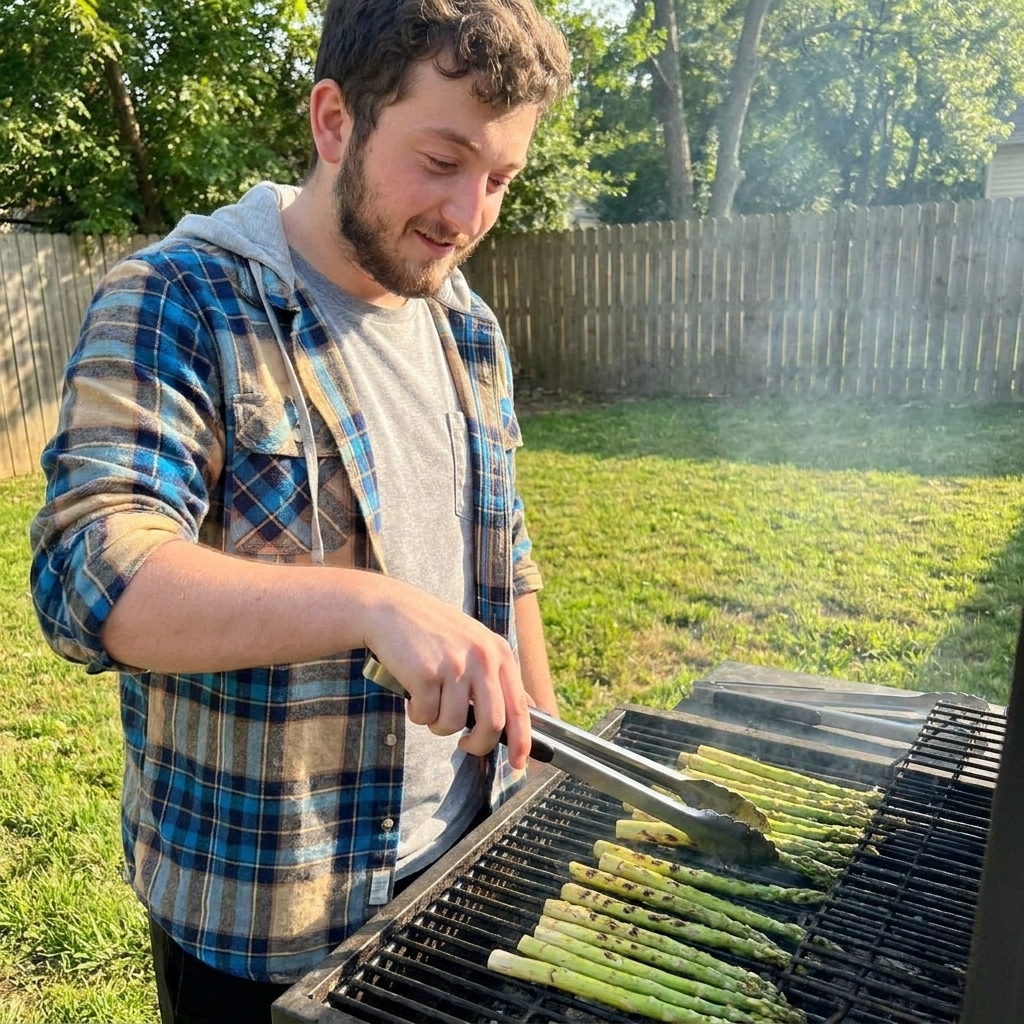
Grilled asparagus (smoky and built for cookouts)
Grilling makes asparagus taste like summer, even if the rest of the plate is just hot dogs and a questionable pasta salad.
Quick recipe
- Heat grill: medium-high
- Toss: 1 pound asparagus + 1 tablespoon oil + salt and pepper
- Grill: 2 to 4 minutes per side, until char marks appear and spears are tender crisp
- Finish: crumbled feta and a squeeze of lemon, or balsamic glaze
Don’t lose spears to the grill: Grill perpendicular to the grates, or use a grill basket.
Steamed asparagus (clean and classic)
Steaming is the move when you want pure asparagus flavor and a bright green color. It is also great for spring brunch spreads.
Quick recipe
- Bring to simmer: 1 inch of water in a pot with a steamer basket
- Steam: 3 to 6 minutes, depending on thickness
- Finish: butter + flaky salt, or olive oil + lemon + herbs
Best with: hollandaise, poached eggs, or smoked salmon for a holiday brunch situation.
Air fryer asparagus (maximum crisp edges)
If you love roasted asparagus but want it faster and slightly crispier, the air fryer is your friend.
Quick recipe
- Heat air fryer: 400°F
- Toss: 1 pound asparagus + 1 tablespoon oil + salt and pepper
- Air fry: 6 to 9 minutes, shaking halfway
- Finish: parmesan and red pepper flakes
Tip: Avoid stacking. A single layer gives you those golden tips.
Blanched asparagus (meal prep and salad MVP)
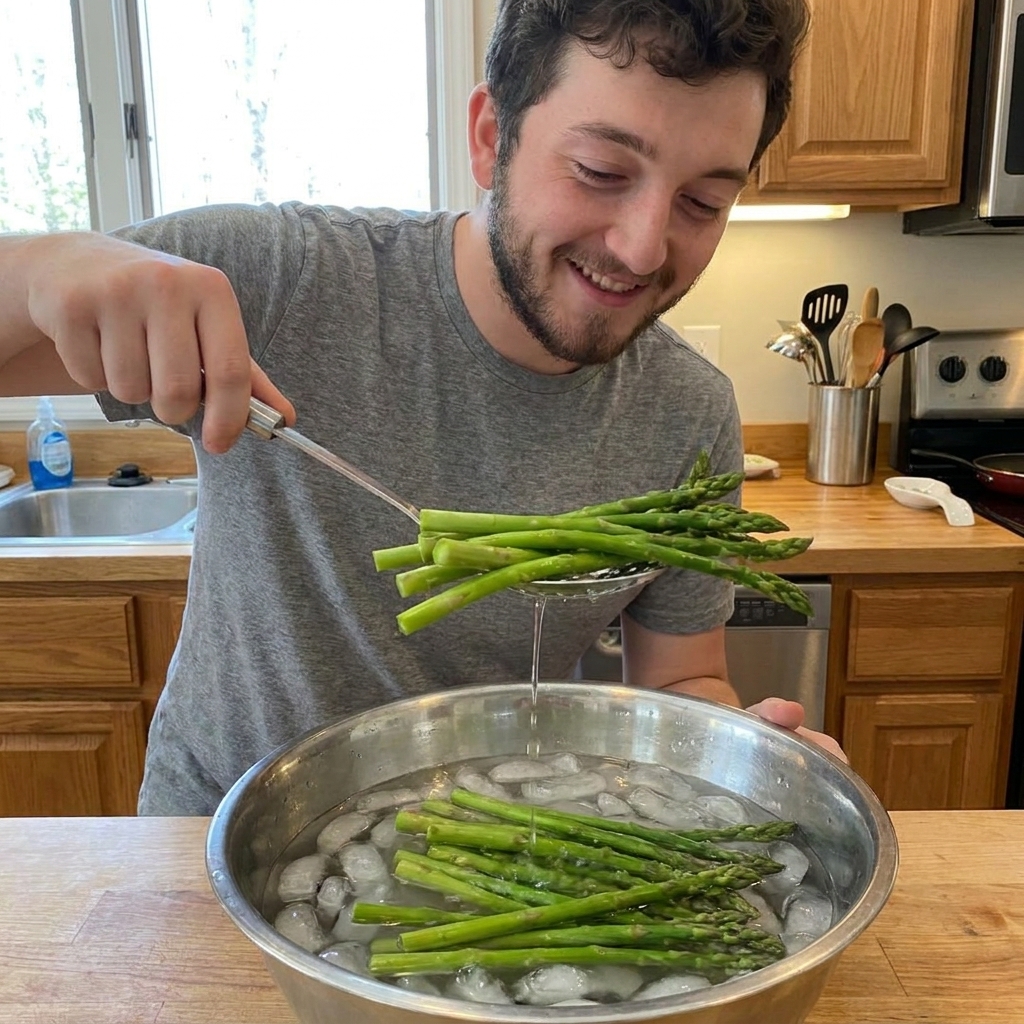
Blanching is how you get asparagus that stays bright green and crisp, especially for salads, veggie platters, and make-ahead holiday sides.
Quick recipe
- Boil: a large pot of salted water
- Prep: an ice bath in a big bowl
- Blanch: 2 to 3 minutes for thin, 3 to 4 minutes for thick
- Shock: move directly to ice bath for 2 minutes
- Dry: well, then store or serve
Fast serving idea: Toss blanched asparagus with olive oil, lemon, dijon, and shaved parmesan for a no-drama spring salad.
Quick flavor variations (pick your mood)
- Lemon Parmesan: roasted asparagus + lemon zest + parmesan + black pepper
- Garlic Butter: sautéed asparagus + butter + garlic + pinch of chili flakes
- Sesame Soy: sautéed asparagus + splash soy sauce + toasted sesame oil off heat + sesame seeds
- Caprese-ish: roasted asparagus + cherry tomatoes + mozzarella pearls + balsamic drizzle
- Holiday Brunch: steamed asparagus + hollandaise + chopped chives
Seasonal and holiday side ideas
Asparagus shows up hardest in spring, but it plays nicely year-round. Here are a few ways to slot it into bigger meals so you are not cooking it in isolation.
Spring dinners
- Roasted asparagus with lemon next to salmon or chicken cutlets
- Blanched asparagus in a pasta salad with peas and a light vinaigrette
- Grilled asparagus with steak and chimichurri
Easter and Mother’s Day
- Steamed asparagus with hollandaise for brunch
- Roasted asparagus with parmesan and breadcrumbs as a side for ham
Thanksgiving and Christmas (yes, really)
- Roasted asparagus as a lighter green side when the menu is heavy
- Sautéed asparagus with mushrooms and thyme for a cozy vibe
Make-ahead tip: For holidays, blanch asparagus earlier in the day, then rewarm quickly in a skillet with butter and lemon right before serving.
FAQ
Do you have to peel asparagus?
No. Peel only very thick spears if you want a more tender lower stalk.
How do you store asparagus?
Trim the ends, stand the bunch upright in a jar with about an inch of water, and loosely cover with a bag. Refrigerate 3 to 5 days.
How do you reheat asparagus without making it mushy?
Use a hot skillet with a little oil or butter for 1 to 3 minutes, or a 400°F oven for about 5 minutes. Avoid the microwave if you care about texture.