Mom's Best Recipes
Recipe

How to Make Beetroot Juice

A bright, earthy, naturally sweet juice you can make with a blender or juicer, plus easy add-ins to dial in the flavor.

Author By Matt Campbell
4.8
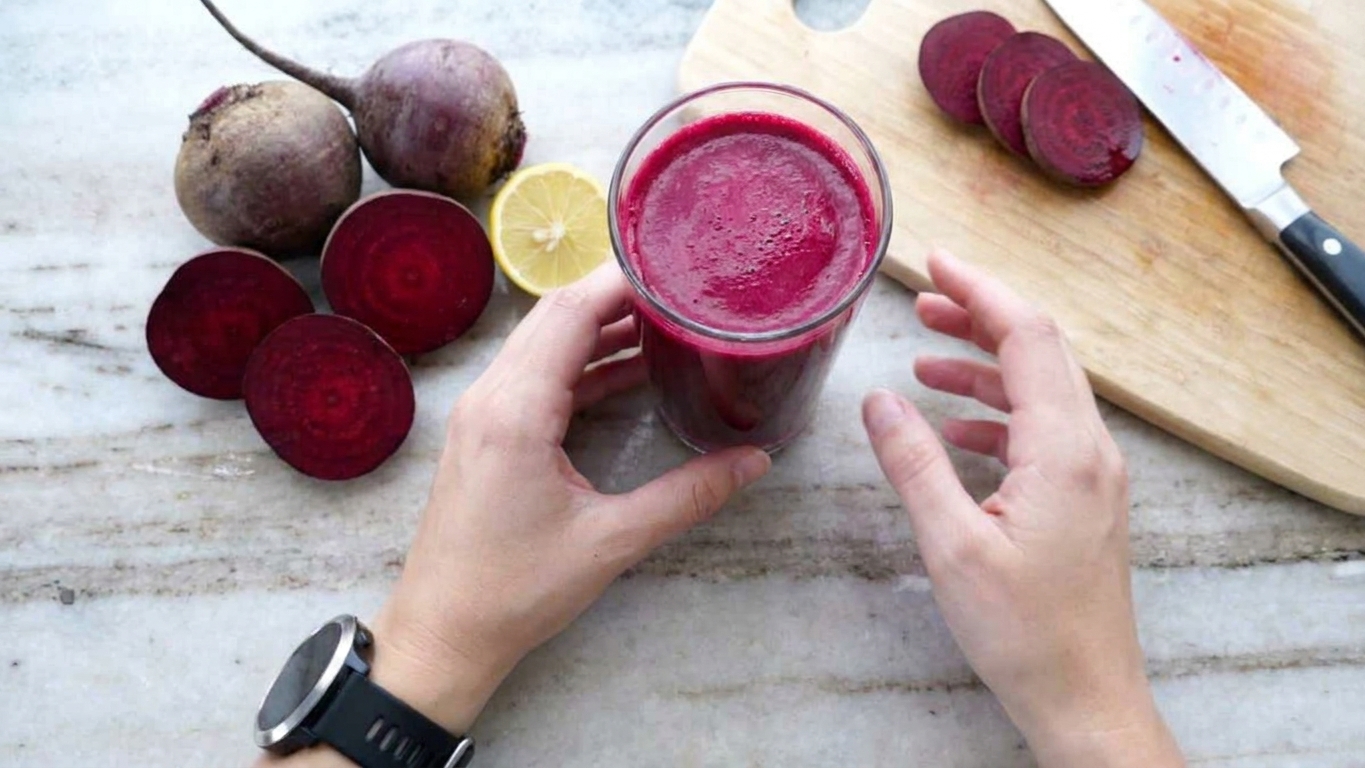
A tall glass of deep magenta beetroot juice on a light counter with whole beets and a lemon nearby

Beetroot juice is one of those kitchen projects that feels like a tiny magic trick. You start with a couple knobbly, dirt-kissed beets and end with a glass of jewel-toned juice that tastes earthy-sweet with a little peppery edge. It is bold. It stains. It wakes you up.

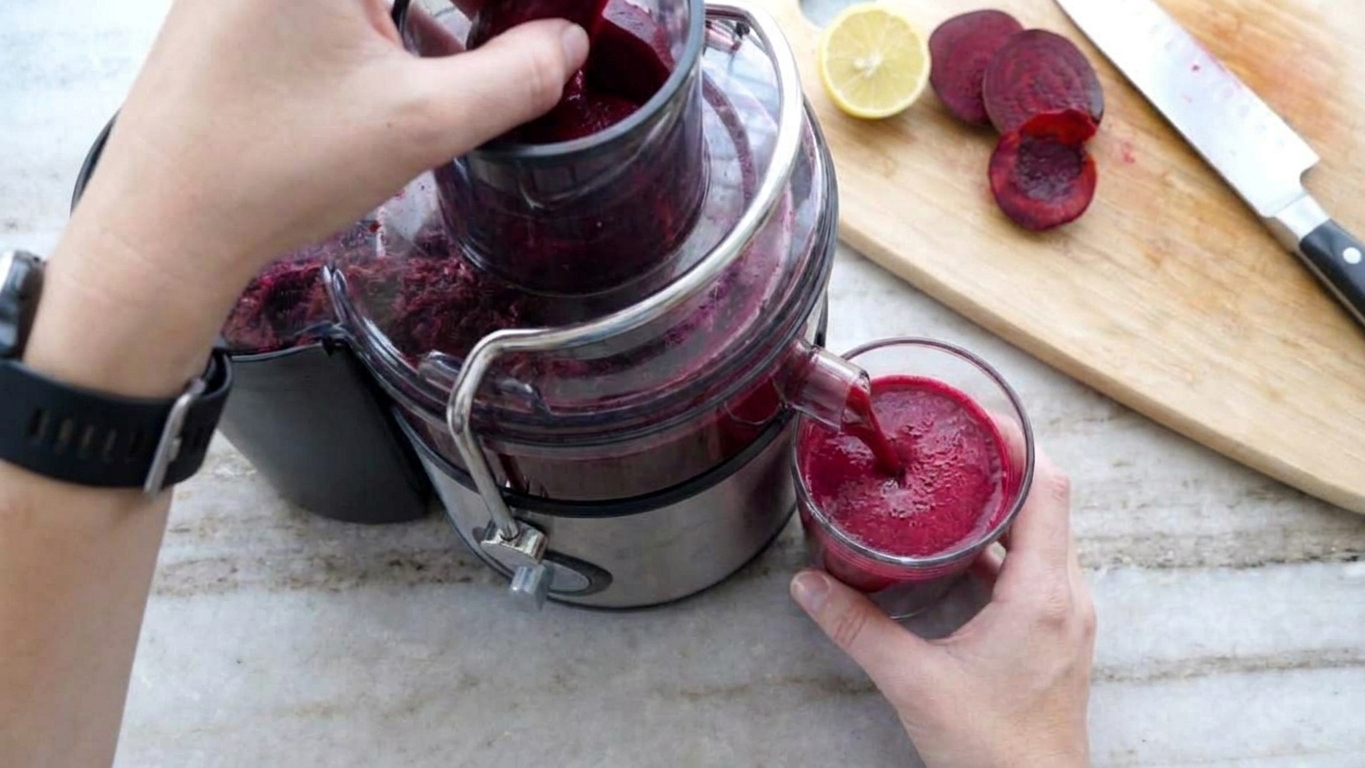
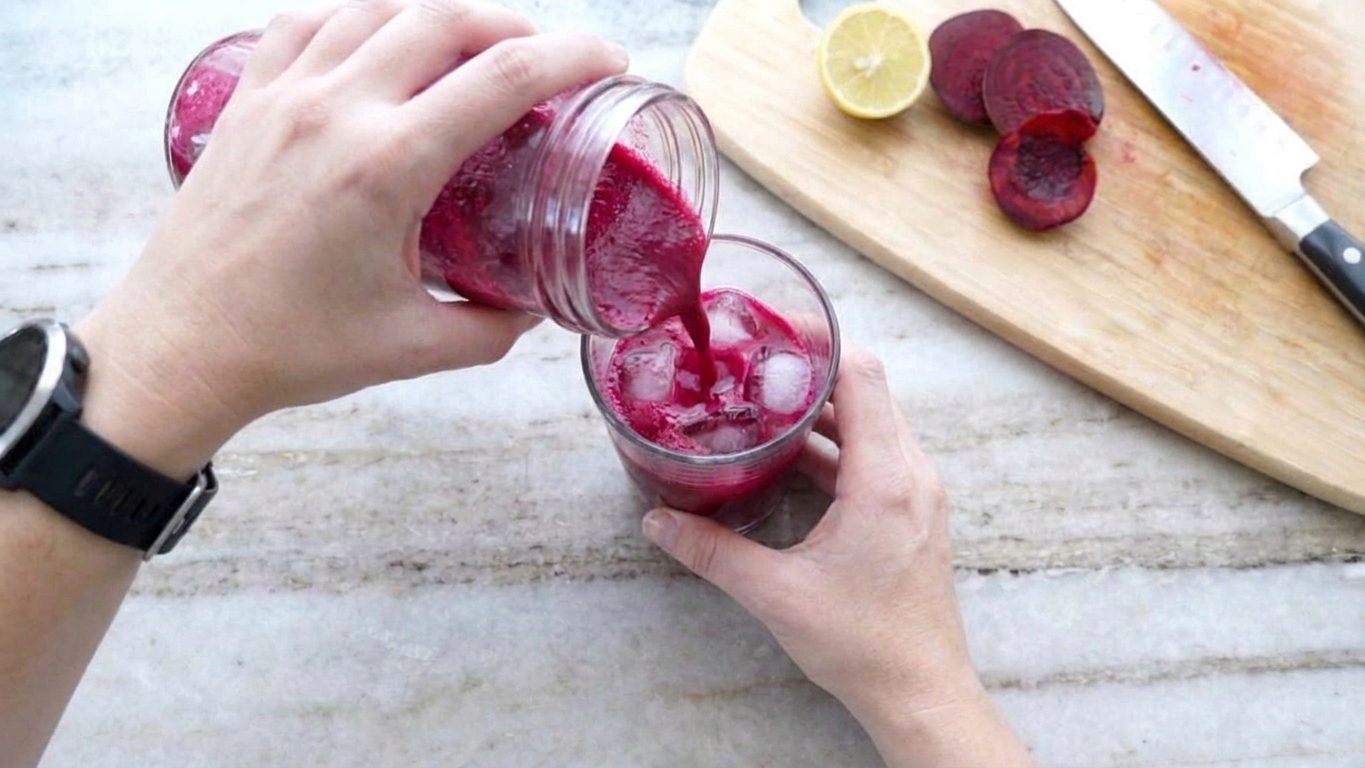
I am going to show you the two easiest ways to make beetroot juice at home: with a juicer (fast, tidy-ish) and with a blender (still easy, a little messier, totally worth it). We will also talk about flavor add-ins, how to avoid gritty juice, and how to store it so it stays fresh.
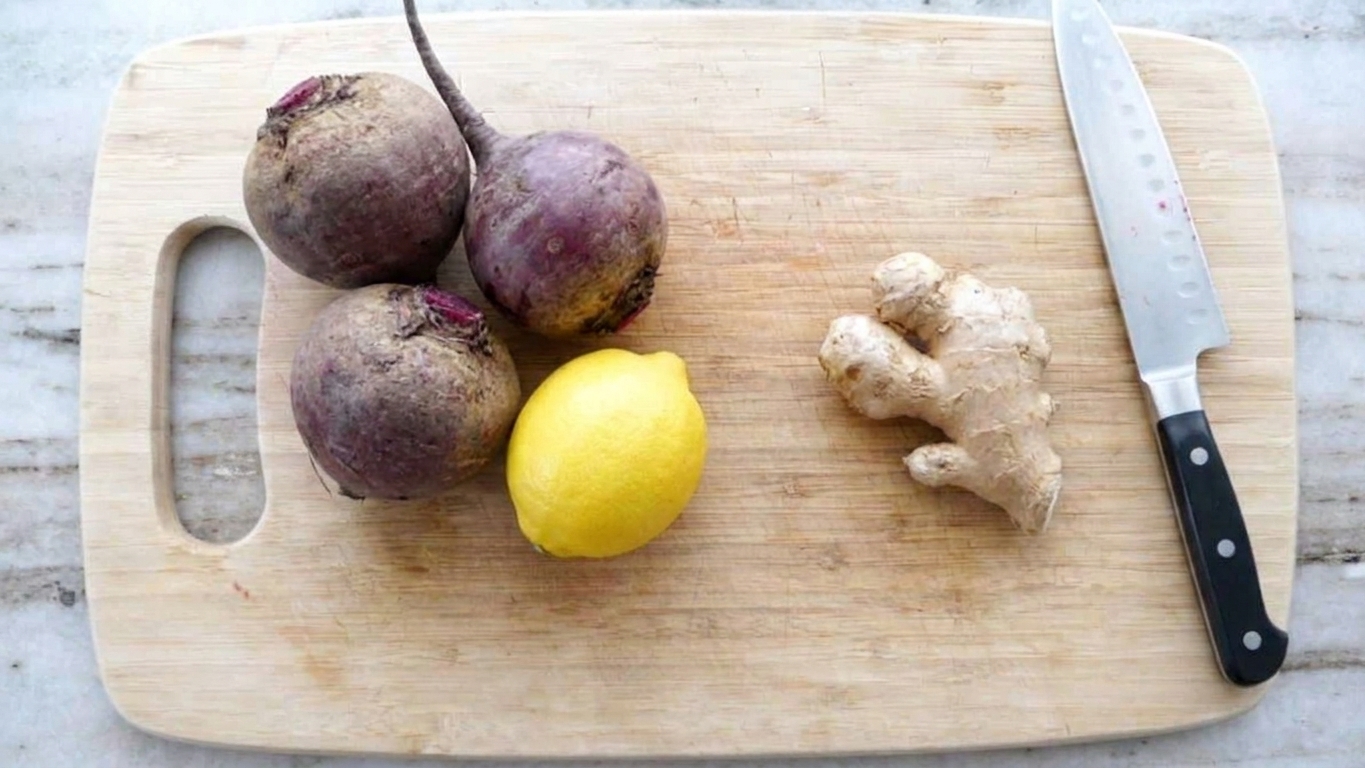
Whole raw beets, a lemon, and a knob of ginger arranged on a cutting board

Why It Works

  • Big flavor with minimal ingredients: beets bring sweetness and earthiness, lemon lifts everything, and a pinch of salt makes it taste more like itself.
  • Works with what you have: blender method included so you do not need a juicer to get great results.
  • Not gritty, not watered down: the right water ratio and a quick strain give you smooth, sippable juice.
  • Easy to customize: go bright with citrus, cozy with apple and cinnamon, or spicy with ginger.

Pairs Well With

Storage Tips

How to Store Beetroot Juice

Refrigerator: Pour into a clean glass jar or bottle with a tight lid. Refrigerate and enjoy it best within 2 to 3 days. Homemade juice is not pasteurized, so flavor and color fade fast. Give it a good shake before pouring since natural settling is normal.

Freezer: Freeze in ice cube trays, then transfer cubes to a freezer bag. Use within 2 to 3 months for best quality. Toss a few cubes into smoothies, sparkling water, or thaw overnight in the fridge for a small glass of juice.

Food safety note: If it smells off, tastes fizzy (and you did not carbonate it), the bottle hisses when opened, or you see any visible mold, discard it. When in doubt, throw it out.

Common Questions

Do I need to peel beets for juice?

Not if the skin is tender and you scrub them well. I usually do not peel young beets. If the skin feels thick or woody, peel it for a smoother flavor.

Can I make beetroot juice without a juicer?

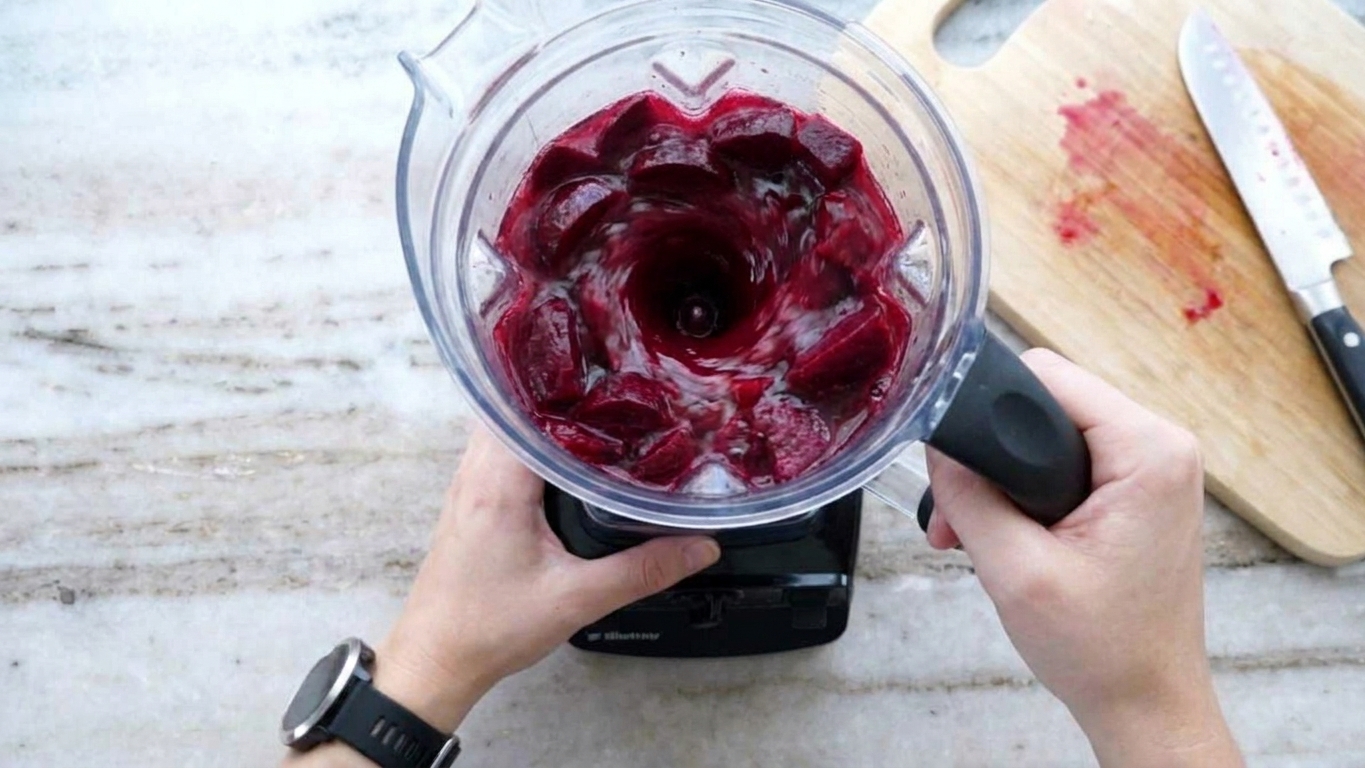
Yes. Use the blender method in the recipe card. Blend beets with water, then strain through a nut milk bag, fine mesh strainer, or cheesecloth.

Why is my beet juice gritty?

Usually it is under-blended or under-strained. Blend longer, cut the beets smaller, and strain through a finer cloth. A high-speed blender helps a lot.

How do I make beet juice taste better?

Add lemon (brightness), ginger (spice), or apple (sweetness). A tiny pinch of salt also makes the flavor pop without making it taste salty.

Is it normal if my pee or stool turns pink?

Yep. It is called beeturia and it can happen after eating beets or drinking beet juice. It is usually harmless. If it happens along with other symptoms (like pain or dizziness), check in with a clinician.

Can I drink beetroot juice every day?

Many people do, but listen to your body. Beet juice is naturally high in nitrates and can lower blood pressure for some people. Beets are also higher in oxalates. If you have kidney issues, are prone to kidney stones, or you are on blood pressure medication, it is smart to check with a clinician. This is general nutrition info, not medical advice.

The first time I made beetroot juice at home, I learned two truths immediately: one, it tastes way better with lemon than you think it will. Two, beets do not stain, they claim territory. Now I treat it like a fun little kitchen science experiment. Gloves if I am feeling responsible, cutting board I do not baby, and a quick wipe-down before the pink evidence dries. Worth it every time, especially when I want something that feels energizing but still homemade and comforting.