Mom's Best Recipes
Recipe

How To Make Lemonade

Bright, classic homemade lemonade with an easy syrup trick so it tastes smooth, not grainy.

Author By Matt Campbell
4.8
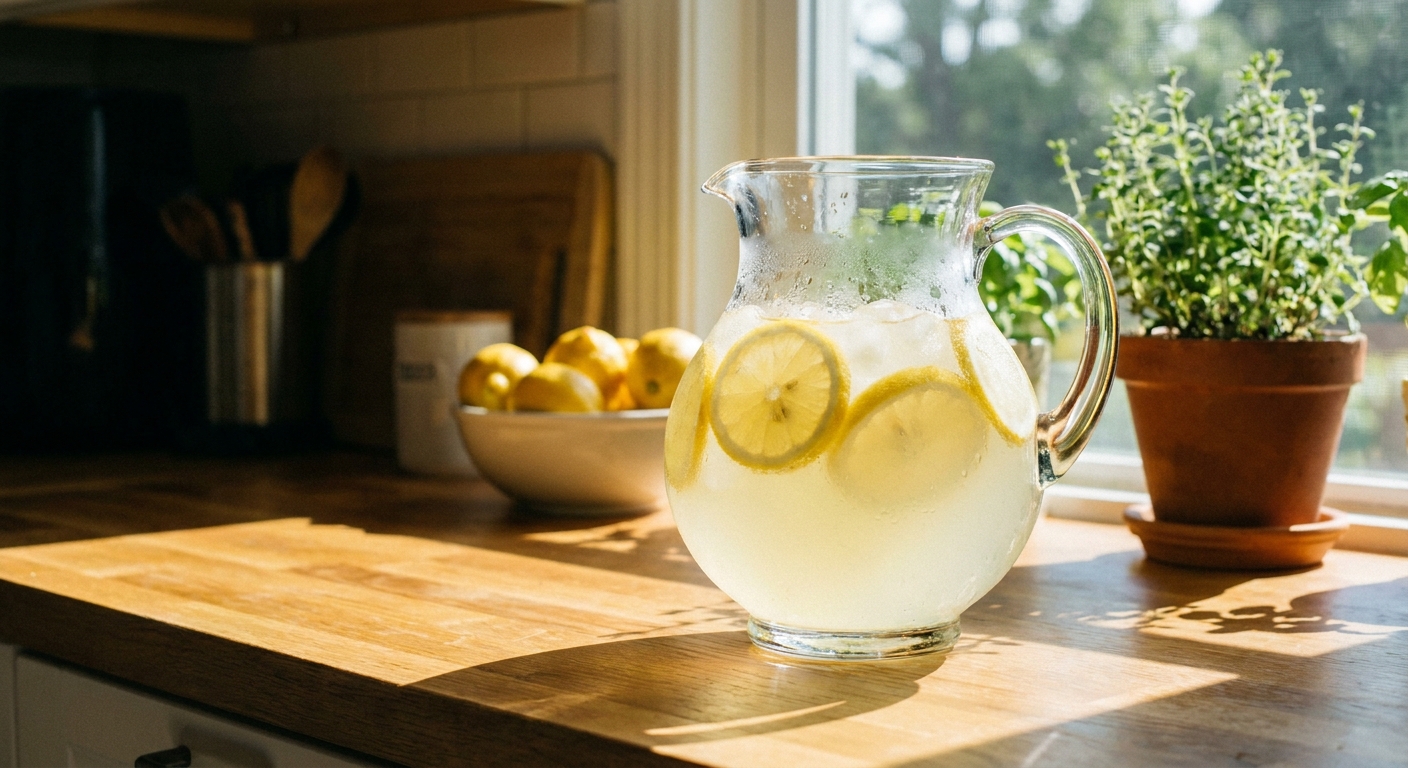
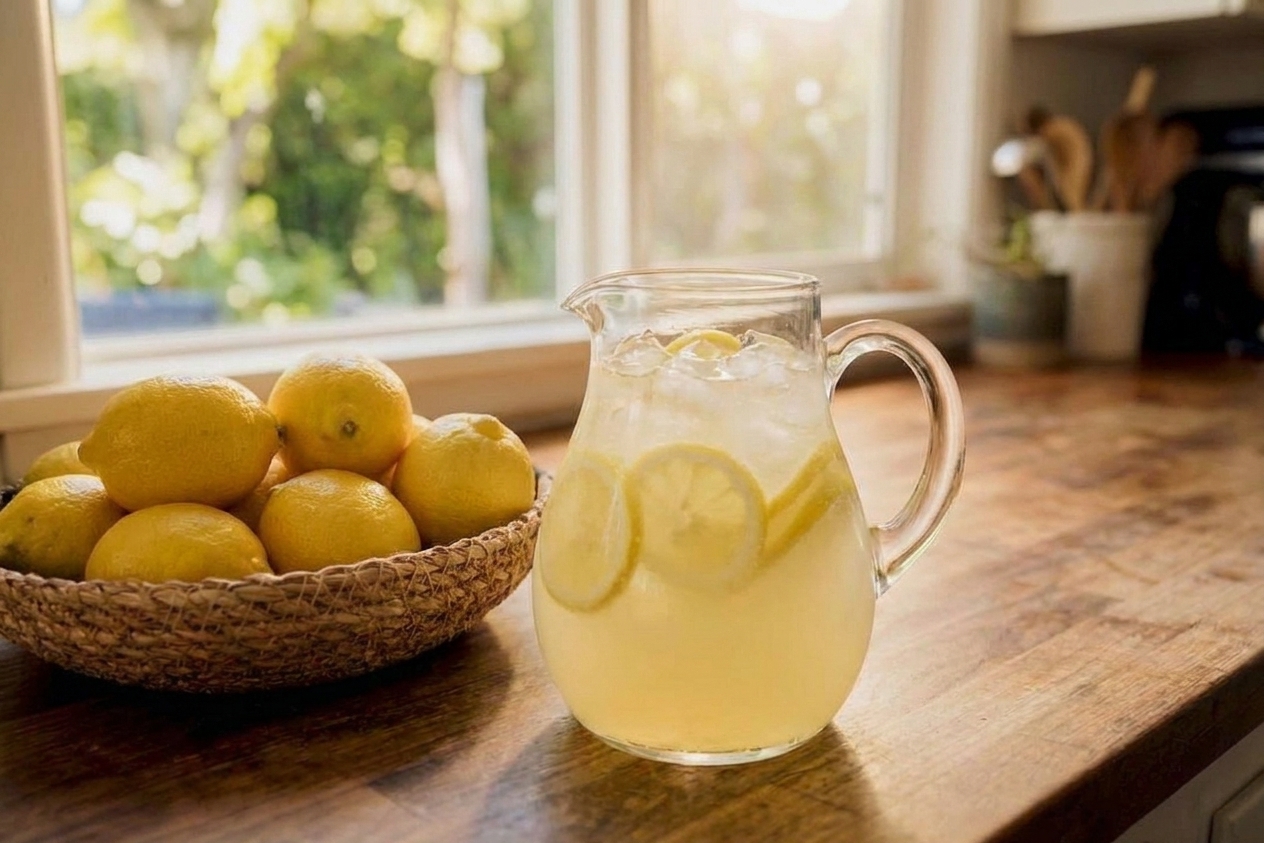
A clear glass pitcher of homemade lemonade with lemon slices and ice on a sunny kitchen counter, condensation on the pitcher, natural light
Jump to Recipe

Lemonade is one of those “why does this taste better at home?” miracles. The answer is balance and control. You get to decide how tart, how sweet, and how lemony it is, and you don’t have to chew through a layer of undissolved sugar at the bottom of the glass.

My favorite method is quick simple syrup. It takes a couple minutes, makes the lemonade silky-smooth, and it’s basically foolproof even when the kitchen’s loud and someone’s asking for a snack while you’re squeezing lemons.

This guide walks you through the classic pitcher method, then gives you easy tweaks for kids, parties, and the “I only have bottled lemon juice” days.
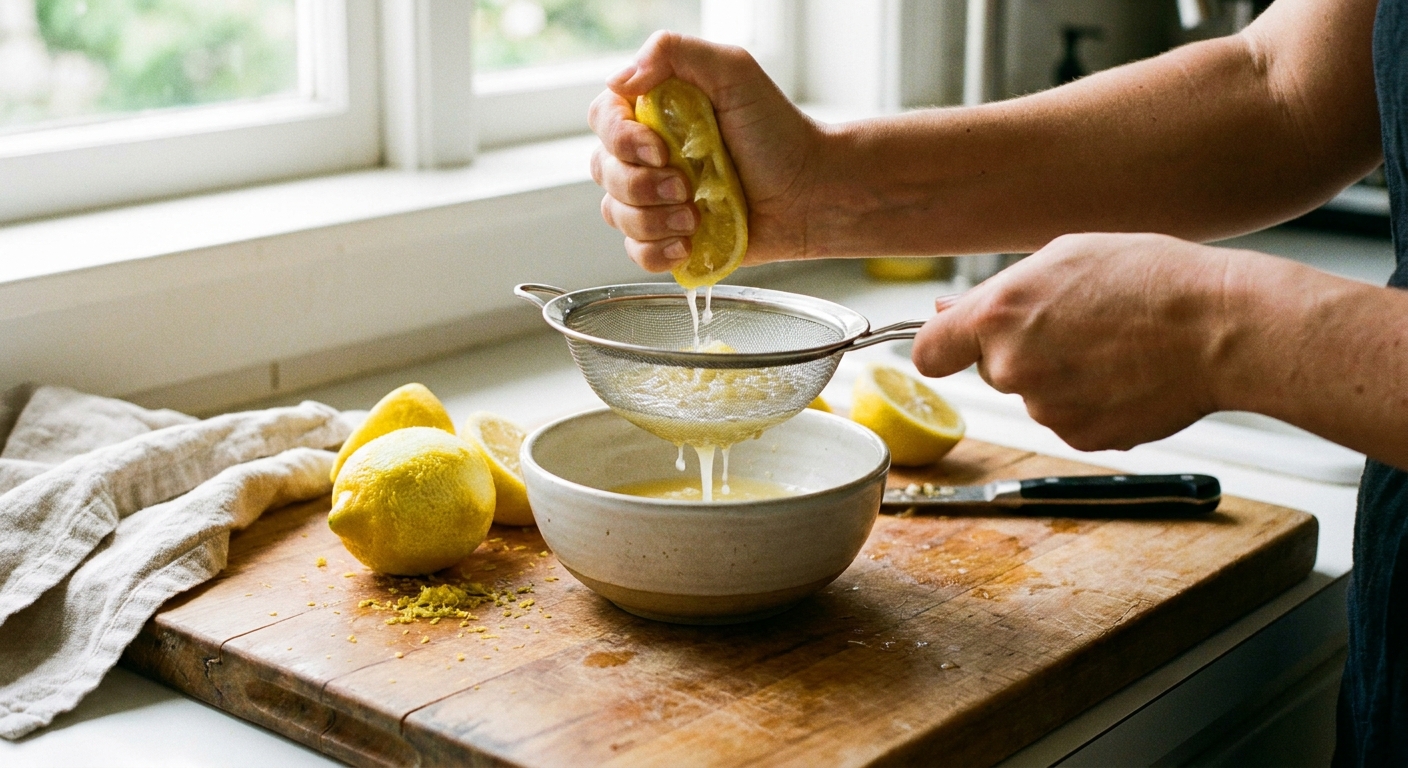

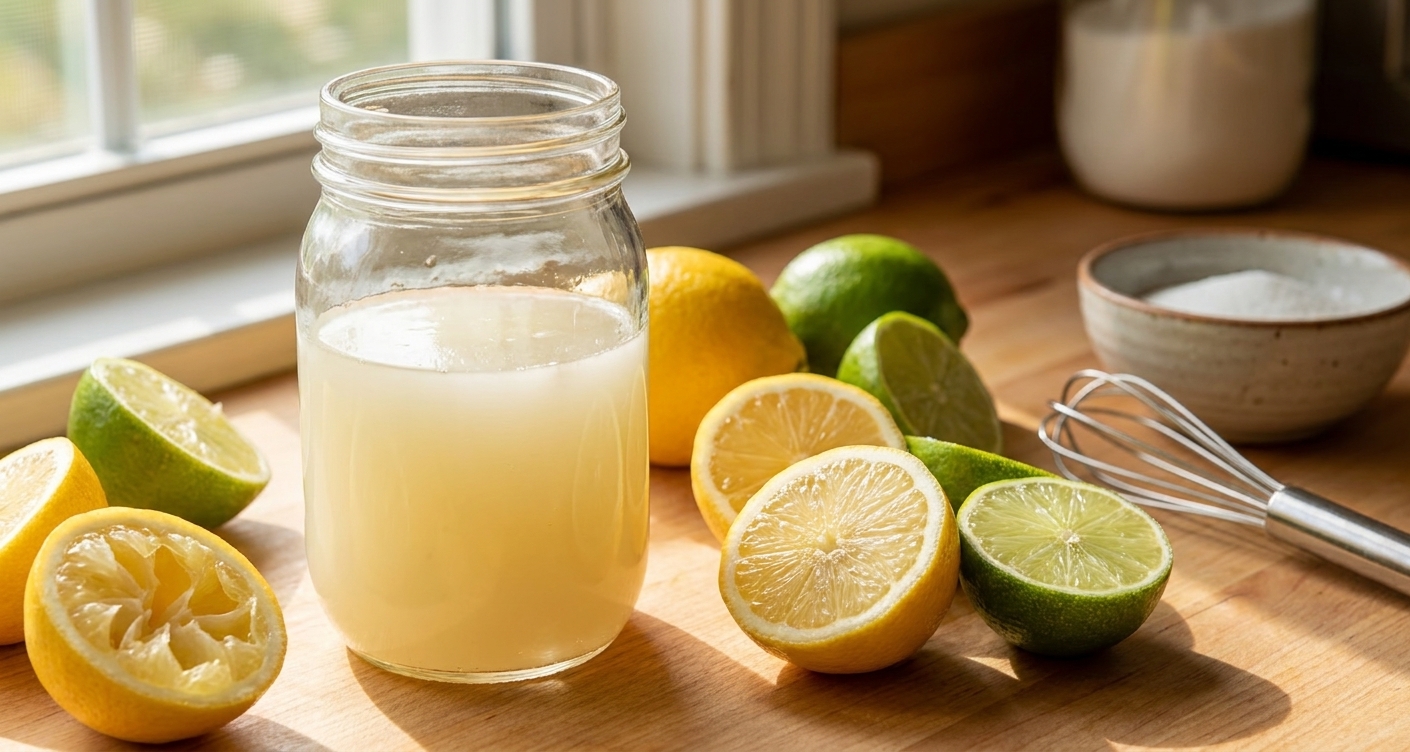
Fresh lemons being squeezed by hand over a fine mesh strainer on a wooden cutting board, bright natural kitchen light

Why It Works

  • Bright flavor without harsh bite: dissolving the sugar first keeps the tartness clean and the sweetness even.
  • No gritty sugar: simple syrup means every glass tastes the same from first pour to last.
  • Easy to customize: make it more tart, less sweet, or extra lemony in seconds.
  • Scales up for a crowd: double or triple the recipe with no extra brain work.

Pairs Well With

Storage Tips

Fridge: Keep refrigerated in a covered pitcher or bottle for 3 to 5 days. The flavor is best in the first 48 hours, then it slowly loses some of that fresh lemon pop.

Keep it from tasting flat: If you used lemon slices, remove them after 24 hours. The pith can add bitterness over time.

Stir before serving: Lemon juice and water can separate a bit. A quick stir brings it right back.

Freezer option: Freeze leftover lemonade in ice cube trays. Use the cubes to chill future lemonade without watering it down.

Common Questions

How many lemons do I need for 1 cup of lemon juice?

It varies a lot by size and season, but it’s usually about 5 to 8 medium lemons for 1 cup of juice. A good tip: pick lemons that feel heavy for their size, they’re typically juicier.

Can I use bottled lemon juice?

Yes. Fresh tastes brighter, but bottled works. Since bottled juice can taste a little sharper, start with 3/4 cup bottled lemon juice, then add more until it tastes right. You may end up using the full 1 cup.

Why does my lemonade taste bitter?

Common culprits are squeezing too hard on the peel, getting a lot of pith in the juice, or letting lemon slices sit in the pitcher too long. Use a juicer if you’ve got one, strain the juice, and pull out slices after a day.

How do I make lemonade less sweet without making it too sour?

Two moves: add a little more water and a pinch of salt. The salt won’t make it salty, it just rounds the edges so it tastes balanced.

Can I make this without cooking anything?

You can stir sugar into cold water, but it takes longer and can stay gritty. If you’re skipping syrup, use superfine sugar or dissolve the sugar in a small amount of warm water first.

Is lemonade safe to leave out at a party?

Use the usual cold drink rule: keep it out no more than 2 hours, or 1 hour if it’s very hot outside. Nest the pitcher in a bowl of ice to keep it cold longer.

I started making lemonade the same way a lot of people do: dump sugar into a pitcher, stir aggressively, hope for the best. Half the time it was too sweet, the other half it tasted like lemon water with a gritty surprise at the bottom. The simple syrup switch was my “okay, wow” moment. Same ingredients, totally different vibe. It’s smoother, more consistent, and it tastes like you meant to do it that way all along.