Mom's Best Recipes
Recipe

Hummingbird Food

A simple, safe sugar water nectar recipe with the right ratio, quick steps, storage, and feeder care.

Author By Matt Campbell
4.9
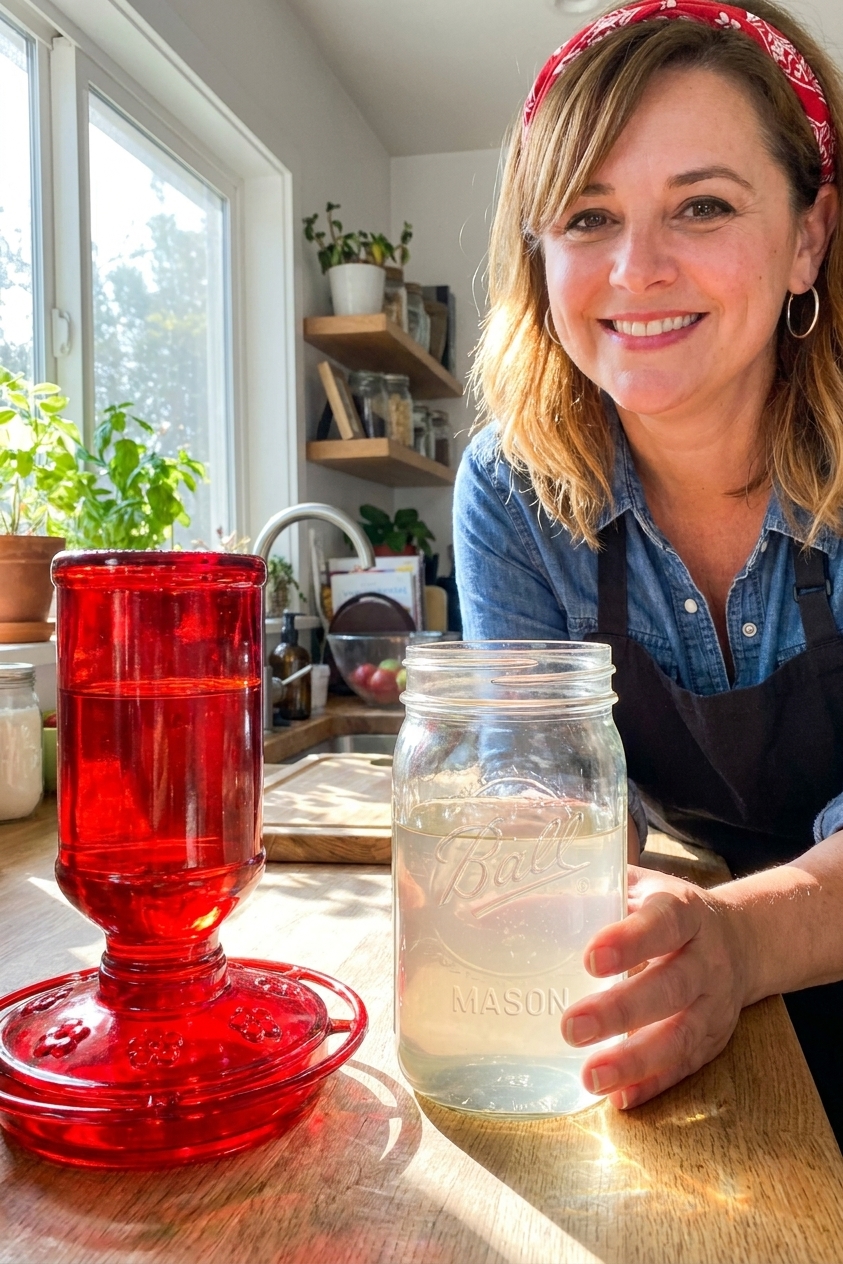
A real photograph of clear homemade hummingbird nectar in a glass jar on a sunny kitchen counter next to a red hummingbird feeder, natural light
Jump to Recipe

Hummingbird food is one of those tiny kitchen projects with a huge payoff. Two ingredients, a couple minutes, and suddenly your porch turns into the most entertaining seat in the house.

This recipe sticks to what hummingbirds actually need: plain white sugar dissolved in water. No dye. No honey. No fancy extras. Just clean, reliable nectar that keeps your feeder busy and your birds safe.

One quick heads up: the mixing takes minutes, but cooling can take longer unless you use the quick cool option below.
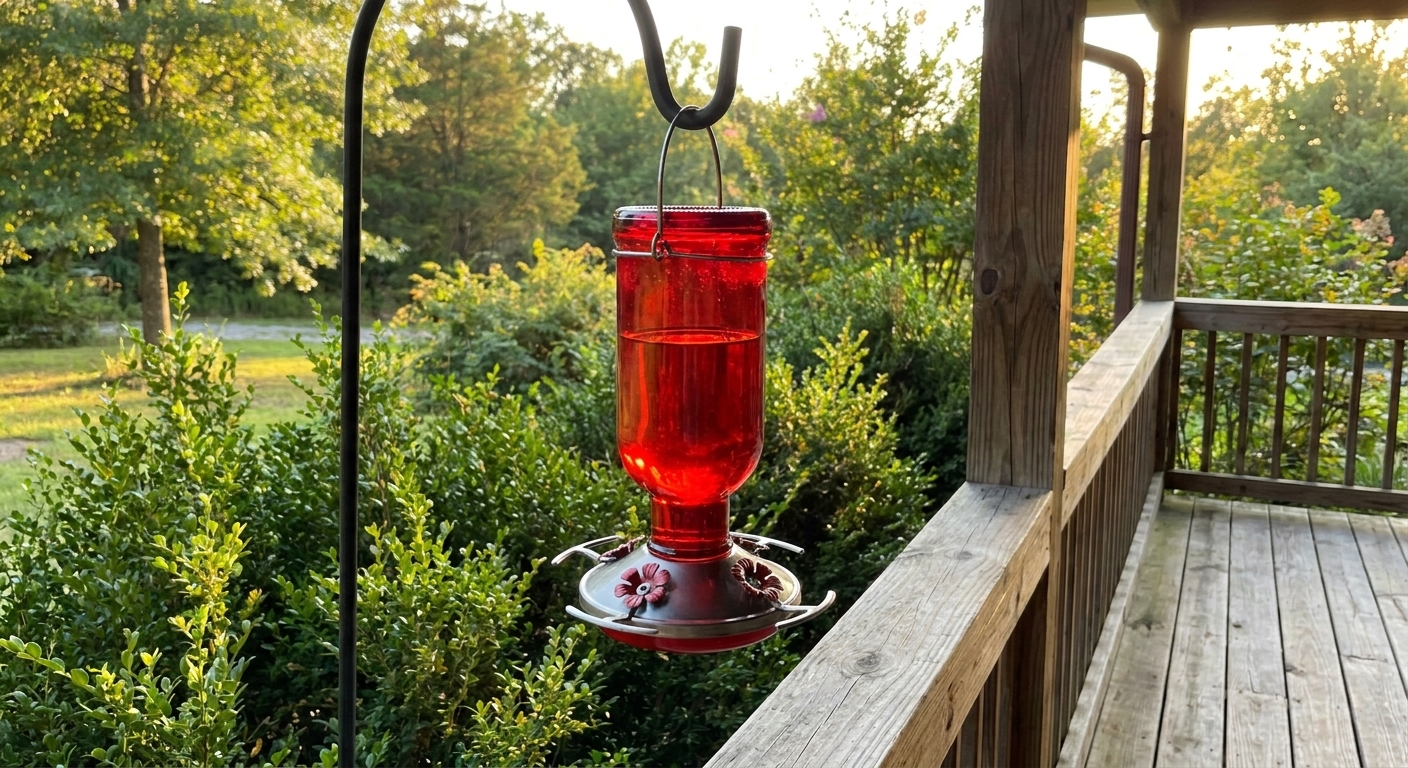
A real photograph of a red hummingbird feeder hanging from a porch hook with greenery in the background, late afternoon light

Why It Works

You get a nectar that matches the standard feeder ratio: 1 part white sugar to 4 parts water. It dissolves fully, pours cleanly, and does not ferment as quickly as overly strong mixtures.

  • Fast to mix: done in about 10 minutes (not counting cooling)
  • Quick cool option: ready in about 10 to 15 minutes total if you dissolve in hot water, then add cold water
  • Budget friendly: no special ingredients
  • Safer for birds: no red dye, no honey, no artificial sweeteners
  • Flexible: scale up or down depending on feeder size and how quickly your visitors drain it

Pairs Well With

Storage Tips

How to Store Extra Nectar

Refrigerate: Pour cooled nectar into a clean jar with a lid and refrigerate for up to 7 days.

Freeze (optional): If you like to batch it, freeze in a clean container for up to 3 months. Thaw in the refrigerator overnight.

In the feeder: How long it stays fresh depends on heat and sun. If your feeder is in full sun or it is hot out, nectar can spoil quickly. When in doubt, dump it, rinse, and refill.

  • Cool weather: change every 3 to 5 days
  • Warm weather: change every 2 to 3 days
  • Hot weather: change daily if it is very hot or the feeder gets direct sun

If it looks cloudy, smells yeasty, has strings, or you see dark specks, do not try to salvage it. Toss it.

Common Questions

Common Questions

What is the best sugar to water ratio for hummingbirds?

The most commonly recommended ratio for hummingbird feeders is 1 part white granulated sugar to 4 parts water. Example: 1 cup sugar + 4 cups water.

Do I need to boil hummingbird food?

Boiling is optional, but helpful. A brief boil can make the nectar dissolve faster and can reduce impurities. If your water is safe to drink, you can also heat it until hot and stir until fully clear. Either way, cool completely before filling the feeder.

How can I cool it faster?

If you want nectar ready sooner, use a quick cool method: dissolve the sugar in 2 cups very hot water, then stir in 2 cups cold water (or enough ice water to bring the total to 4 cups). You still keep the 1:4 ratio, and it cools much faster.

Can I use honey, brown sugar, or coconut sugar?

No. Stick with plain white granulated sugar. Honey can ferment quickly and may be unsafe. Brown sugar and other sugars contain extra minerals that are not ideal for hummingbirds.

Should I add red food coloring?

No. Red dye is unnecessary. Most feeders already have red parts that attract hummingbirds. Keep the nectar clear.

How often should I clean my hummingbird feeder?

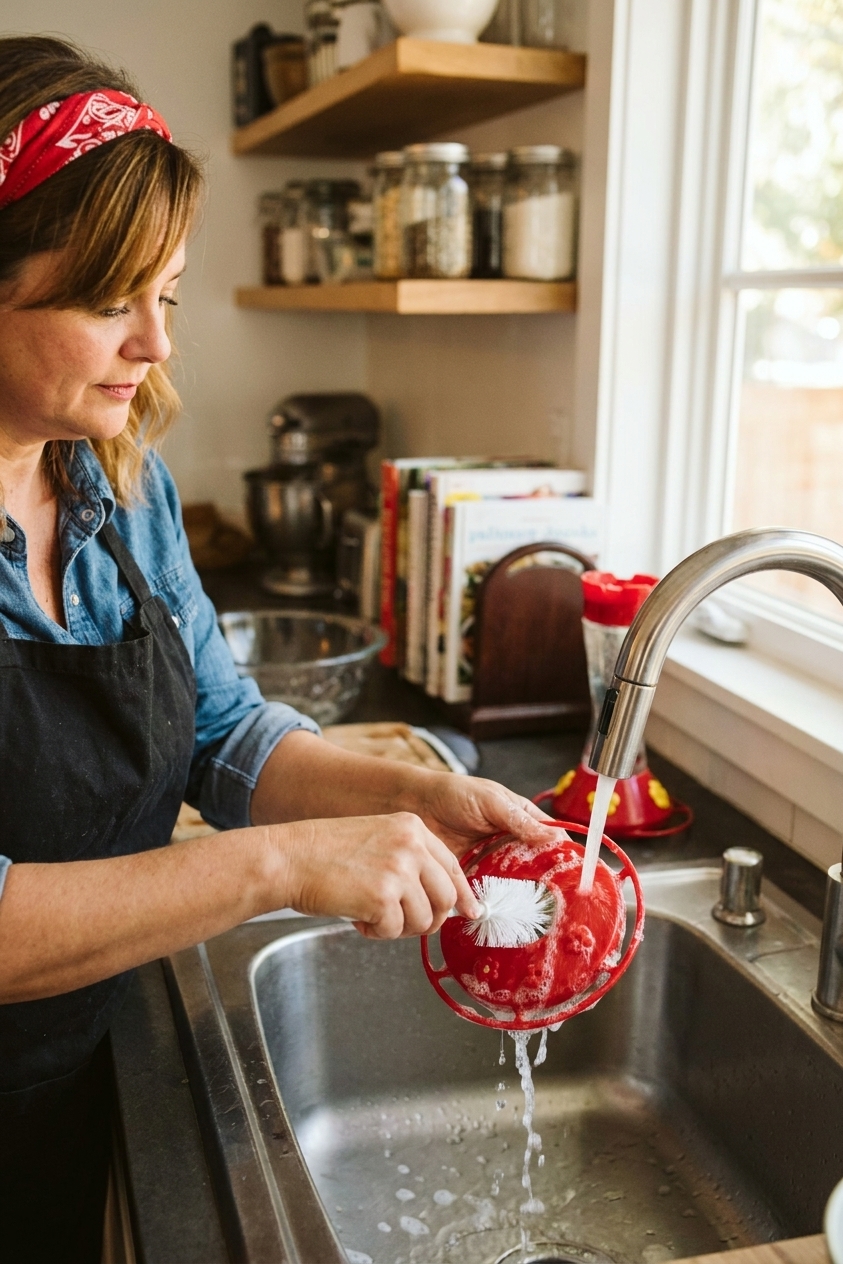
At least every time you change the nectar. In hot weather, that might be daily or every couple of days. A quick routine beats a gross surprise later.

Can I make a stronger mix in early spring?

It is best to stay with 1:4 unless you are following guidance for a specific situation. Stronger mixes can dehydrate birds by changing how their bodies manage water.

The first time I made hummingbird food, I treated it like a mysterious science experiment and absolutely overthought it. Then I realized the whole magic is how not complicated it is. Just sugar, water, and a clean feeder. Now it is one of my favorite low effort kitchen wins because you get instant feedback. If the feeder is fresh, they show up like they got the group text.

The only part that ever slows me down is the cooling, so when I am trying to get it out the door fast, I use the quick cool method and call it a day.