Mom's Best Recipes
Recipe

Hummingbird Food Recipe

The classic 1:4 sugar-water nectar, plus the simple cleaning and storage habits that keep feeders safe and busy.

Author By Matt Campbell
4.8
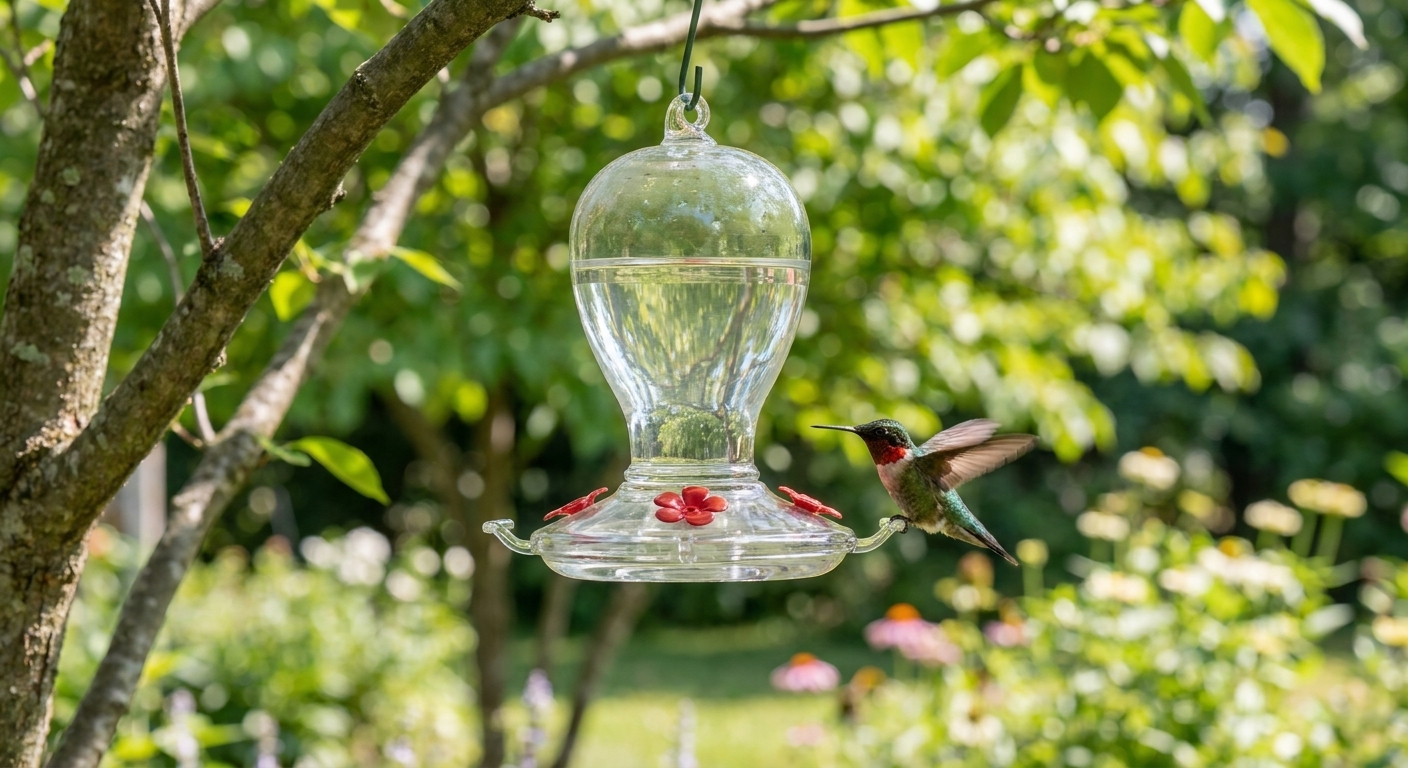
A clear glass hummingbird feeder hanging outdoors, filled with homemade sugar water nectar, with a hummingbird hovering nearby in natural daylight, real photography style
Jump to Recipe

If you have ever watched a hummingbird hover like a tiny, cranky helicopter and thought, I would like more of that in my life, you are in the right place. Homemade hummingbird food is one of the simplest kitchen wins out there. It is just sugar and water, mixed in the right ratio, with a couple of non-negotiable rules that keep it safe.

This is not the place for red dye, honey, or mystery “natural sweeteners.” We are going classic: plain white sugar + water. It is cheap, fast, and it works.

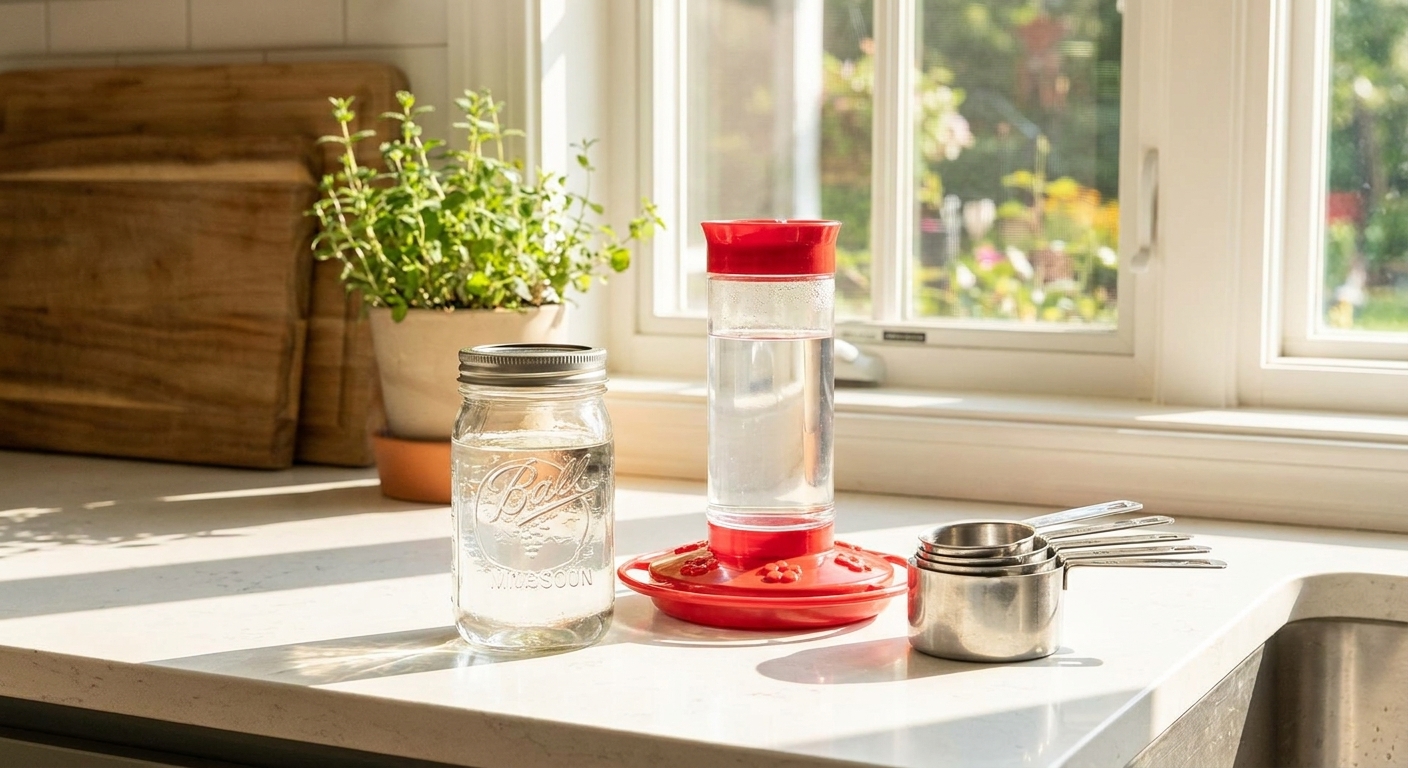
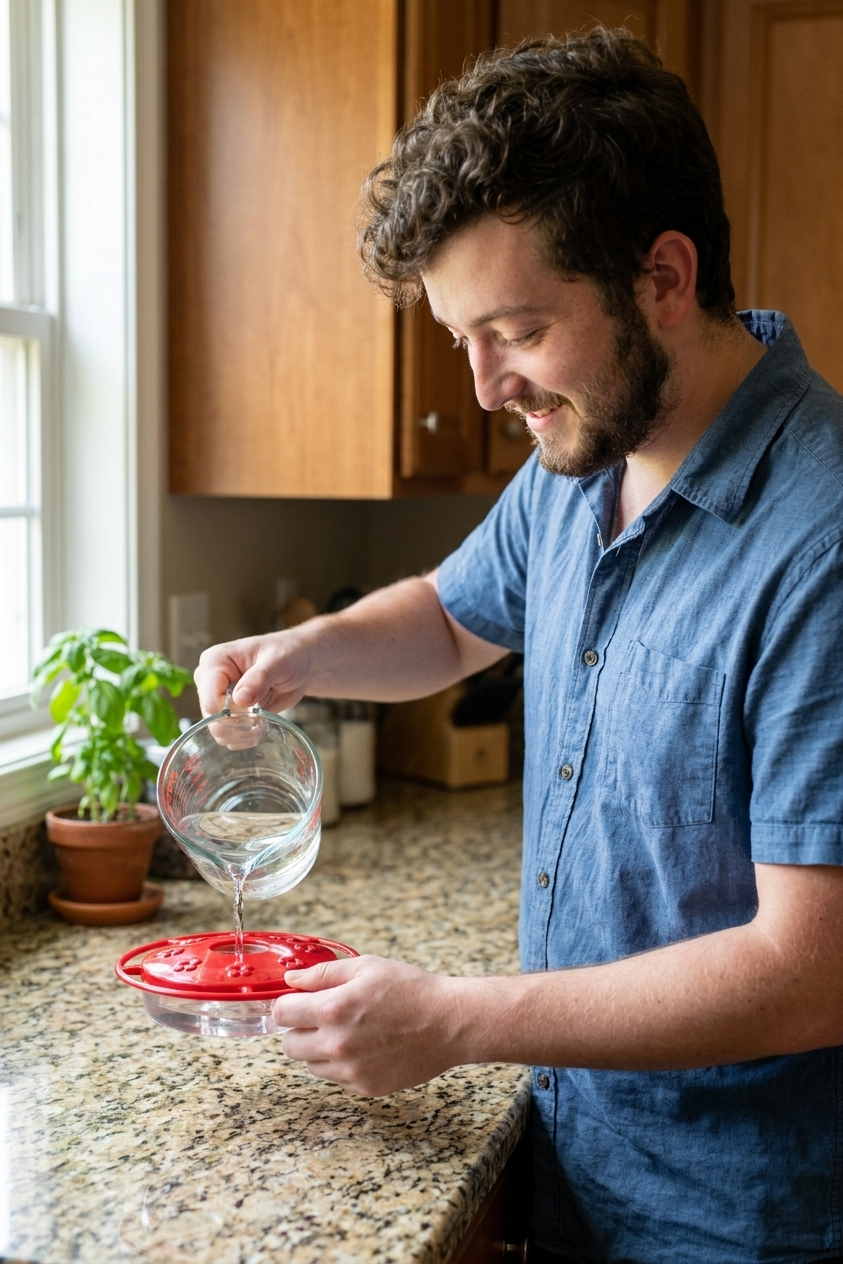
A mason jar of clear sugar water nectar next to a clean hummingbird feeder and measuring cups on a bright kitchen counter, real photography style

Why It Works

  • Correct nectar strength: A dependable 1:4 sugar-to-water ratio that matches what most hummingbirds readily accept.
  • Safer for birds: No dyes, no honey, no brown sugar, no artificial sweeteners.
  • Low-drama routine: Quick mix, easy storage, and a realistic schedule for swapping nectar and cleaning the feeder.
  • Flexible batch size: Make a little for one small feeder or scale up for multiple feeders without changing the ratio.

Pairs Well With

Storage Tips

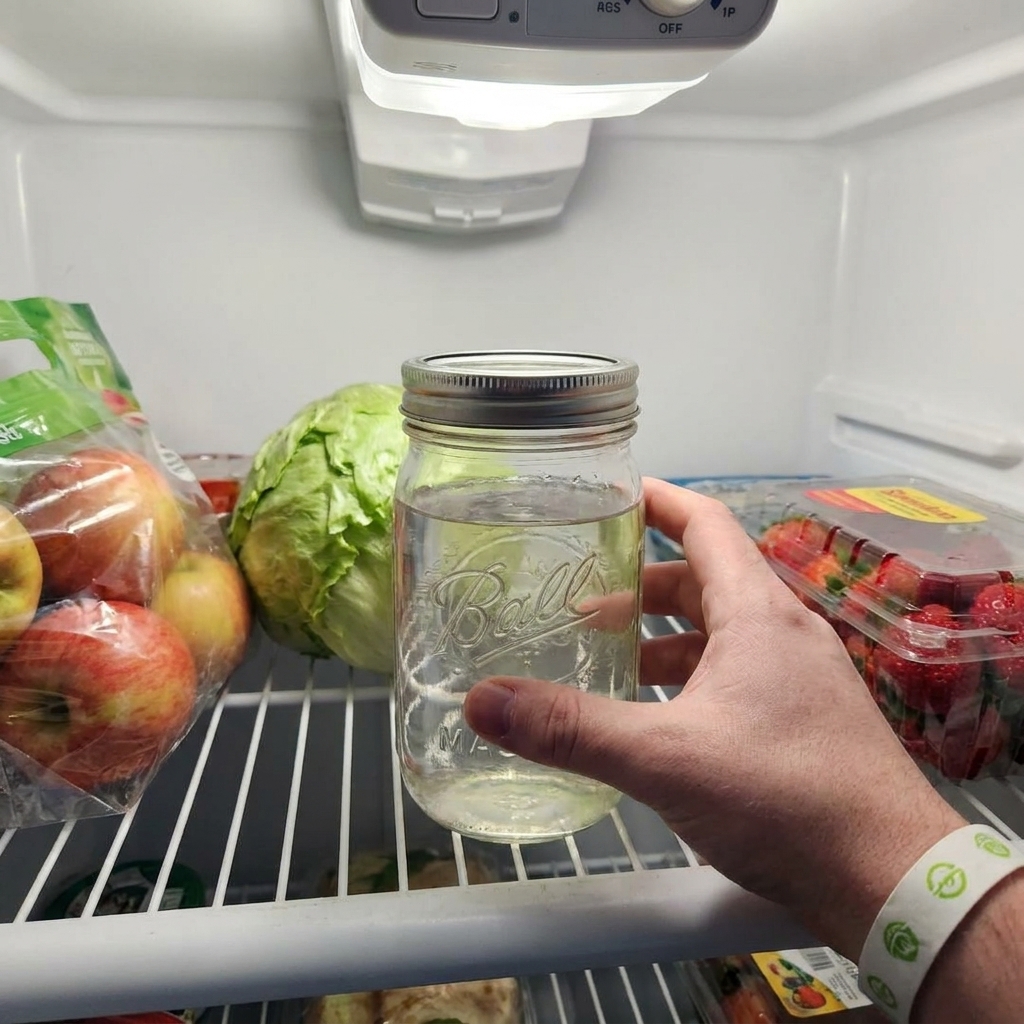
Refrigerator: Store extra nectar in a clean jar or bottle with a lid for up to 7 days. In very hot weather, shorter is better. If it looks cloudy or smells “off,” dump it and make a fresh batch.

Batch size tip: Make only what you will use in a few days during hot weather. In summer, smaller batches mean less waste and fewer fermentation issues.

Freezer: You can freeze extra nectar in a freezer-safe container if you want, then thaw in the refrigerator. Never leave nectar out at room temperature “to save it.” Heat speeds up spoilage.

A sealed glass jar of clear homemade hummingbird nectar sitting on a refrigerator shelf next to fresh produce, real photography style

Common Questions

What is the correct sugar-to-water ratio for hummingbird food?

The standard recipe is 1 part white granulated sugar to 4 parts water. For this batch, that looks like 3/4 cup sugar + 3 cups water.

Do I need to boil the water?

Boiling is optional but helpful. It dissolves sugar fast and can reduce the amount of microbes you start with, which matters when your feeder sits outside in warm weather.

If you do not boil, use cold, drinkable water (not hot tap water) and stir until the liquid is completely clear, with no gritty sugar left at the bottom. You can warm the water on the stove or in an electric kettle, then mix.

Should I add red food coloring?

No. Skip dyes. Most feeders already have red parts to attract birds. Added coloring is unnecessary and can be harmful.

Can I use honey, brown sugar, coconut sugar, powdered sugar, or artificial sweeteners?

It is best to stick with plain white granulated sugar only.

  • Honey: can ferment quickly.
  • Brown, raw, or “natural” sugars: not recommended. Extra molasses and impurities can make spoilage more likely and are not what feeders are meant to replicate.
  • Powdered sugar: avoid. It often contains anti-caking agents like cornstarch.
  • Artificial sweeteners: do not provide the calories hummingbirds need.

How often should I change hummingbird food?

A good rule of thumb:

  • Hot weather (90°F and up): change every 1 to 2 days
  • Warm weather (70 to 89°F): change every 2 to 3 days
  • Cooler weather (below 70°F): change every 3 to 5 days

Important: do not just top off the feeder. Empty it, rinse it, and refill with fresh nectar. If the nectar gets cloudy, smells sour, or you see any mold, replace it immediately and wash the feeder.

How do I clean a hummingbird feeder safely?

For routine cleaning, wash with hot water and a bottle brush, then rinse very well.

For deep cleaning, you have options:

  • Vinegar option: soak in a solution of 1 part white vinegar to 4 parts water for 15 to 30 minutes, scrub, then rinse extremely well.
  • Bleach option (use carefully): some birding organizations allow a very dilute bleach soak, followed by thorough rinsing and complete air-drying. If you use bleach, measure carefully, keep it dilute, and rinse like you mean it.

Avoid heavily fragranced soaps. Whatever method you choose, the goal is the same: no residue, no slime, no mold.

Any tips for feeder placement, ants, and bees?

Yes. Hang feeders in bright shade when possible. Direct sun heats nectar and speeds spoilage. To cut down on bugs, use an ant moat, keep the exterior of the feeder clean and drip-free, and avoid overfilling so it does not leak and turn into a snack bar for ants and bees.

I know this is not “a recipe” in the cozy casserole sense, but it is absolutely kitchen craft. The first time I made hummingbird food, I overcomplicated it like I was trying to impress someone. Then I learned the truth: hummingbirds are tiny athletes who want fuel, not a boutique syrup flight. Now I keep a jar of nectar in the fridge during the warm months, and refilling the feeder has become this weirdly calming ritual. Five minutes of stirring, a quick rinse, and suddenly the backyard turns into a little air show.