Do I need to sear the roast first?
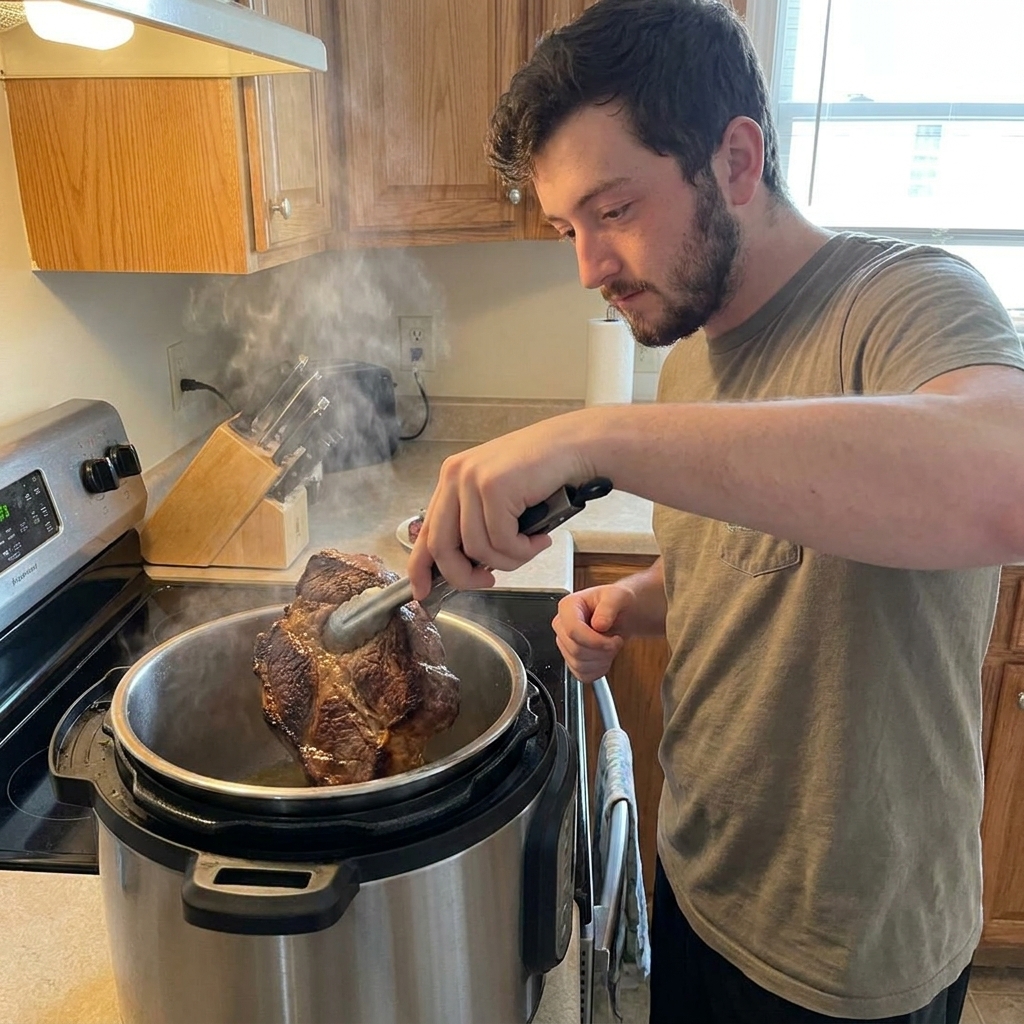
No, but yes. You can skip it and still get tender meat, but searing adds beefy depth that makes the whole pot taste less like "packet dinner" and more like you meant to do this.
Can I use frozen roast?
It is possible, but not my favorite for this recipe. Frozen beef releases extra liquid and you lose the sear. If you must, skip searing, add 15 to 25 minutes to the pressure time (more if it is a thick, fully frozen 3 to 4 pound block), and plan on doing the "reduce to glaze" step at the end to concentrate flavor. For best results, use a roast that is at least partially thawed or cut into a few large chunks.
Natural release or quick release?
For roasts, natural release is your friend. A slower pressure drop helps prevent moisture loss and gives the meat a little extra time to tenderize. I recommend at least 15 minutes natural release, then quick release anything left.
Is this spicy?
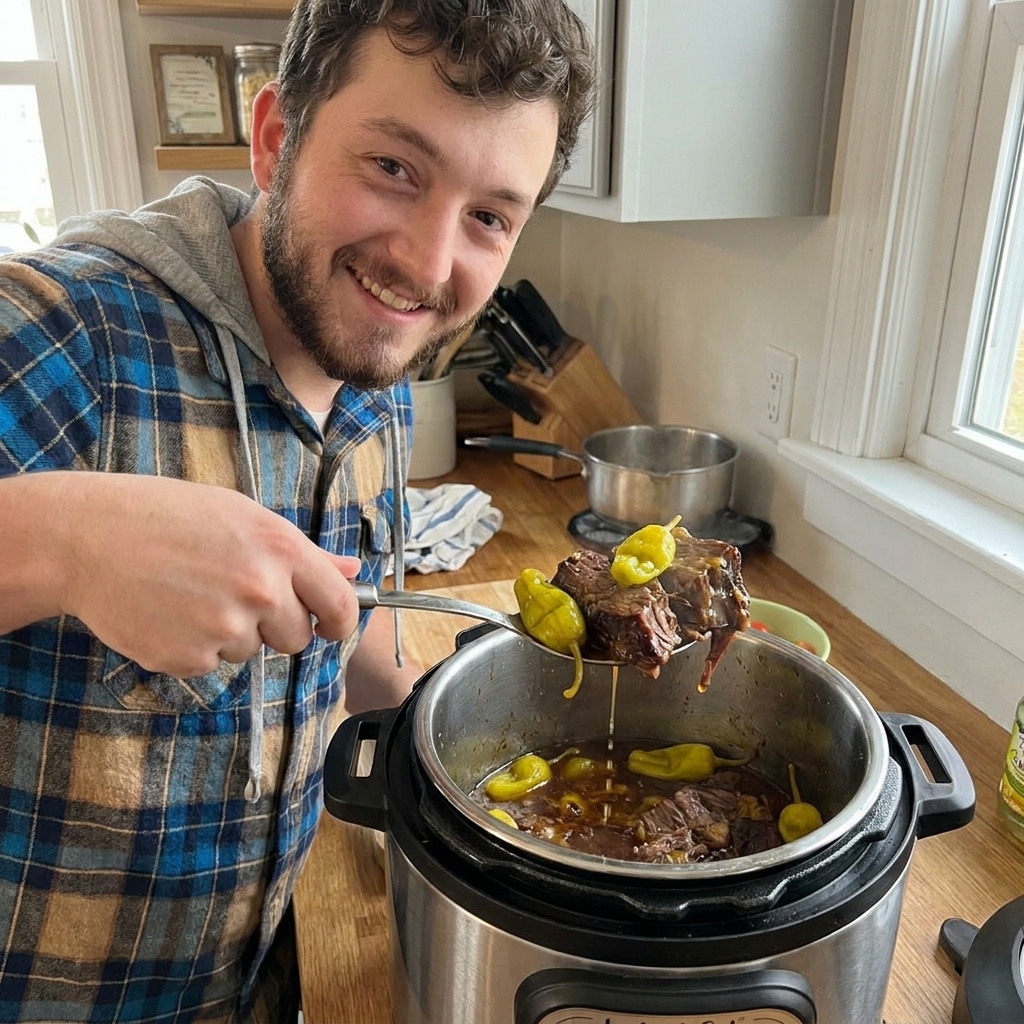
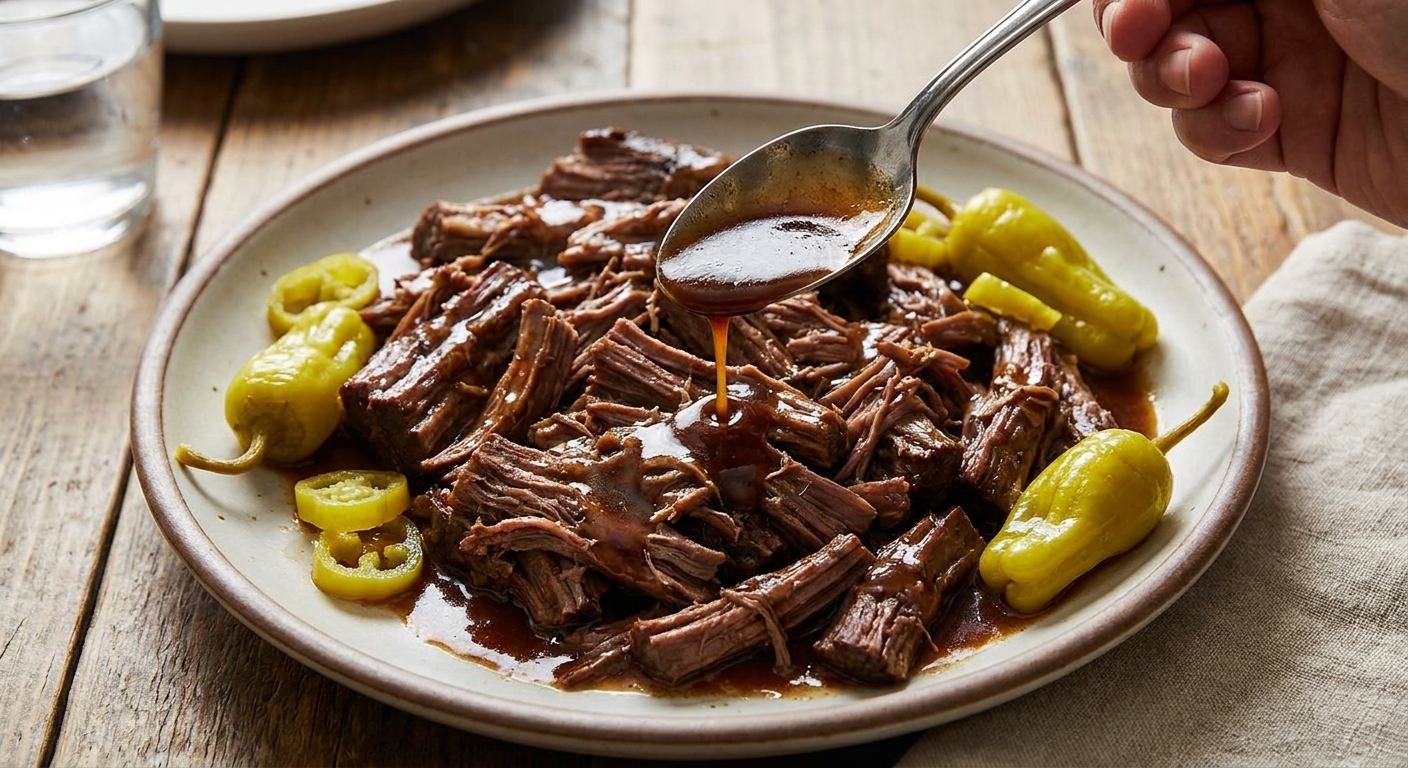
Not really. Pepperoncini are more tangy than hot. If you are spice sensitive, use fewer peppers and stick to 2 tablespoons of the brine.
What is the best cut of beef?
Chuck roast is the gold standard for Mississippi pot roast because it has the marbling that turns into tenderness. Beef shoulder roast can work too, but it often needs a little more time.
Can I add potatoes or carrots?
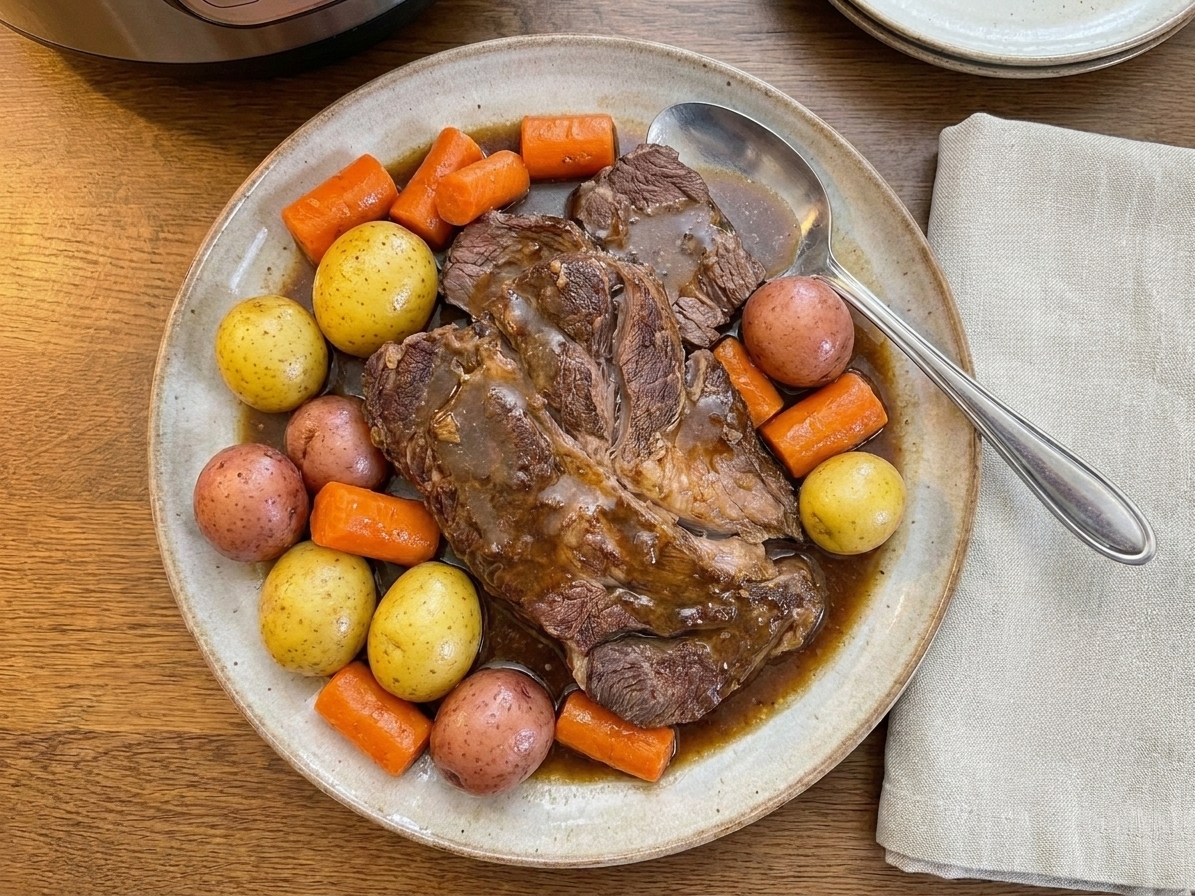
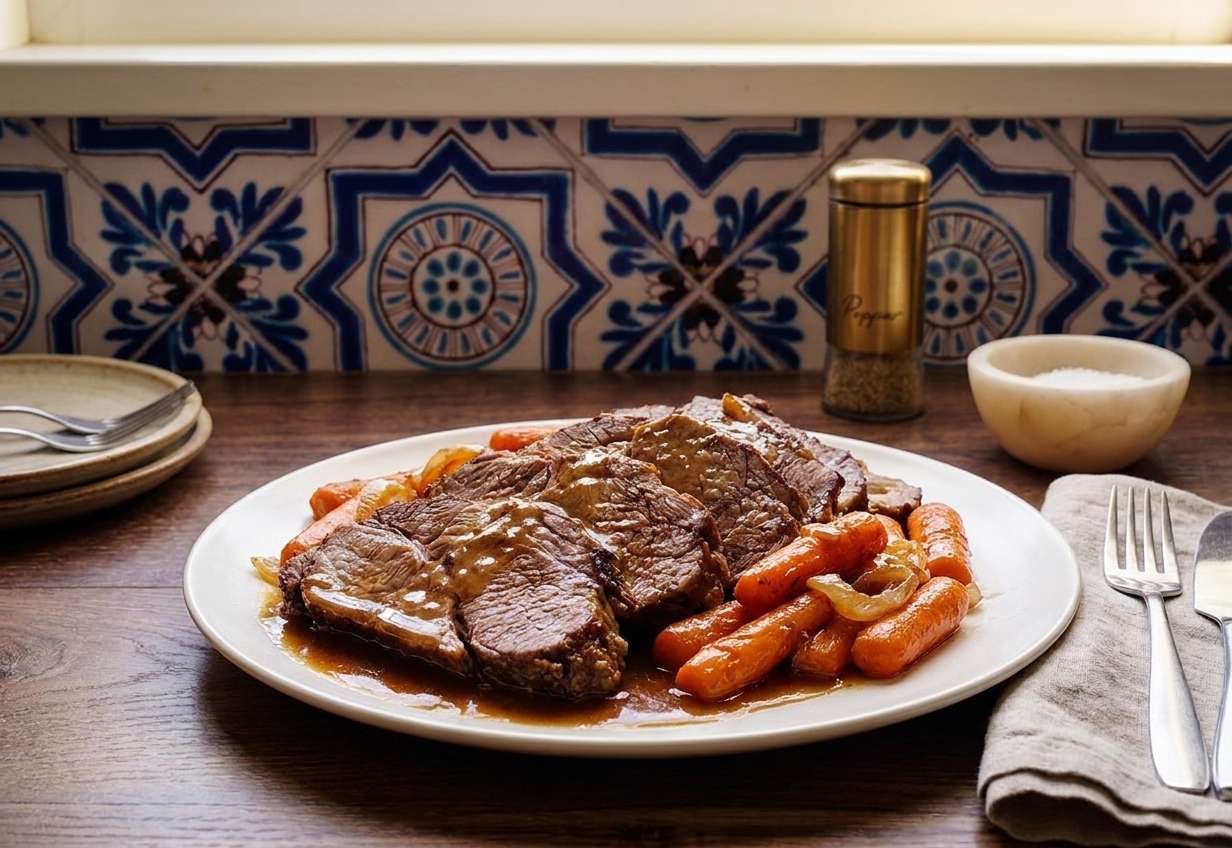
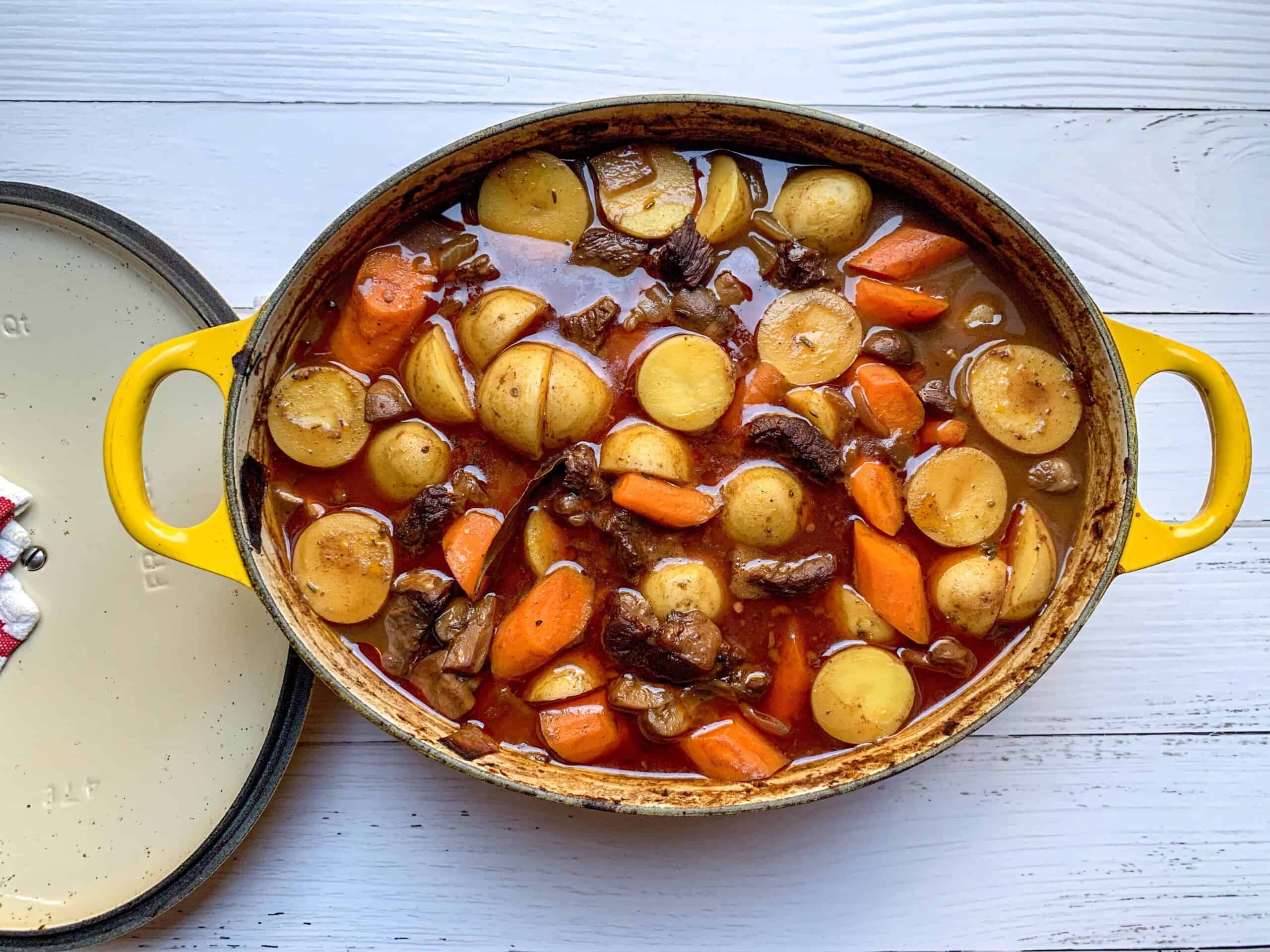
You can, but the texture is better if you cook them separately. If you do add them, put chunky potatoes and carrots on top of the roast (not under it) and keep them large so they do not dissolve.
Why did I get a burn notice?
Usually it is from browned bits stuck to the bottom after searing. Deglaze with broth and scrape the bottom very well before pressure cooking. Also do not dump seasoning packets directly on the bottom of the pot. Sprinkle them over the roast and do not stir, so the powders do not settle on the hot metal.
How do I make it less salty?
Use low-sodium beef broth, choose unsalted butter, and start with half the au jus packet if you are salt sensitive. You can always add more at the end, but you cannot un-salt a pot.
Can I make gravy instead of glaze?
Absolutely. After cooking, whisk a cornstarch slurry (1 tablespoon cornstarch + 1 tablespoon cold water) into the simmering juices until thickened.
Troubleshooting: What if it is tough?
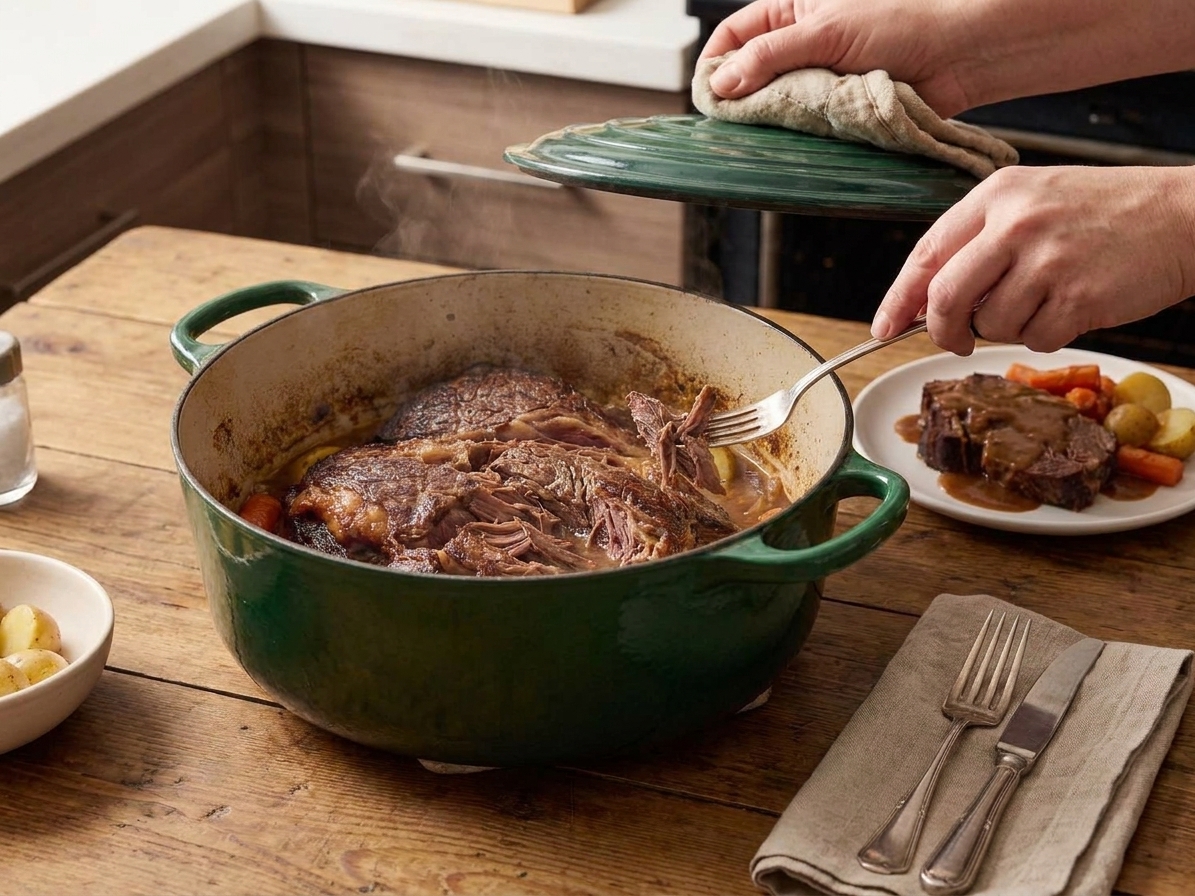
If your pot roast is tough, it is almost always under-cooked, not overcooked. Collagen needs time under pressure to melt. Use the table below.
| Problem | What it means | Fast fix |
|---|
| Meat is tough and slices instead of shredding | Not enough time for collagen to break down | Cut roast into 2 to 3 large chunks, add 1/2 cup broth, pressure cook 10 to 15 minutes more, then 10 minutes natural release |
| Meat shreds but feels dry | Not enough sauce contact, or juices reduced too far | Shred meat and toss with 1/2 to 1 cup juices. Warm gently, do not boil |
| Flavor is strong but "flat" | Needs acid and a little concentration | Add 1 to 2 tablespoons pepperoncini brine, then reduce liquid on Sauté for 5 to 10 minutes |
| Too salty | Packets vary, broth was salty, or reduced too aggressively | Add 1/2 cup unsalted broth or water. Serve over potatoes or noodles to balance |
| Burn notice | Stuck browned bits or seasoning settled on the bottom | Cancel, quick release if needed, open and scrape the bottom clean. Add 1/2 cup broth, then restart |