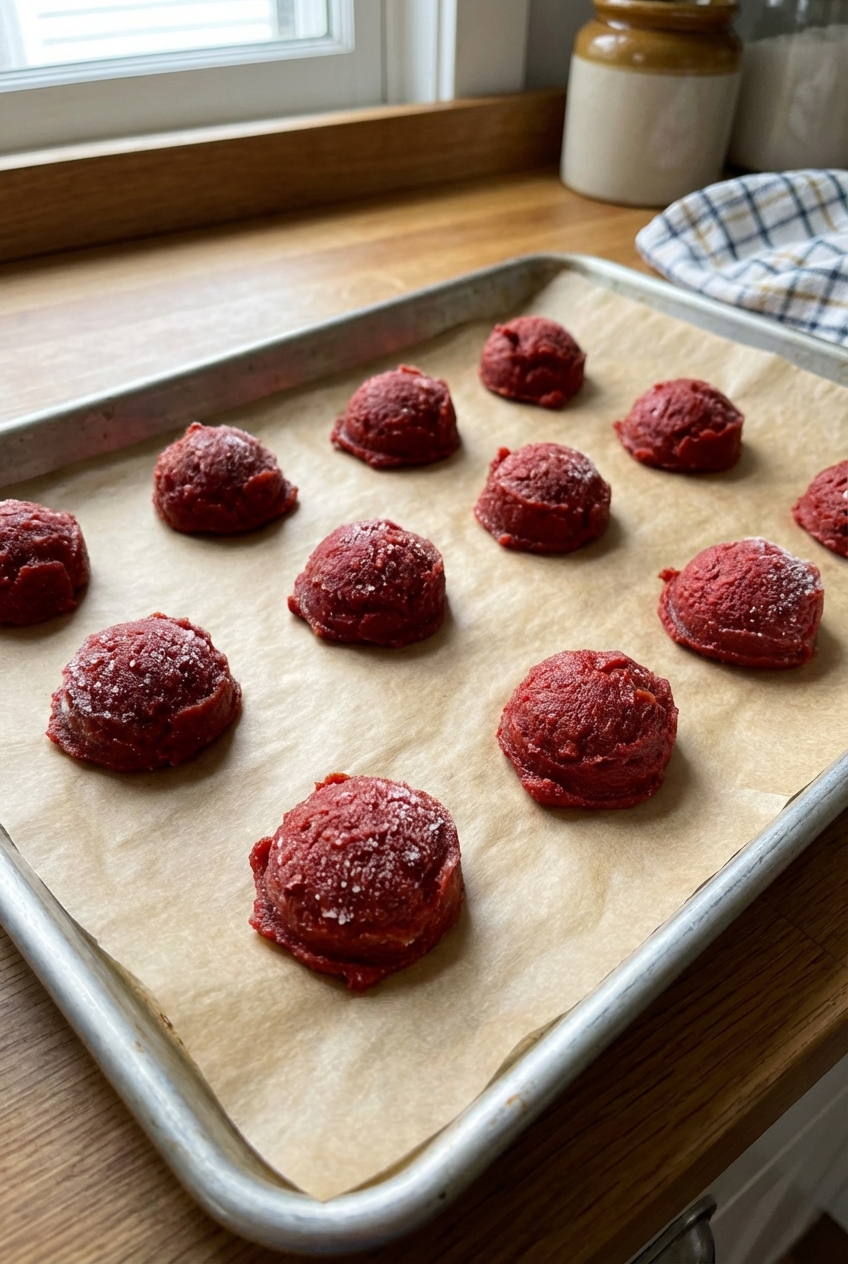
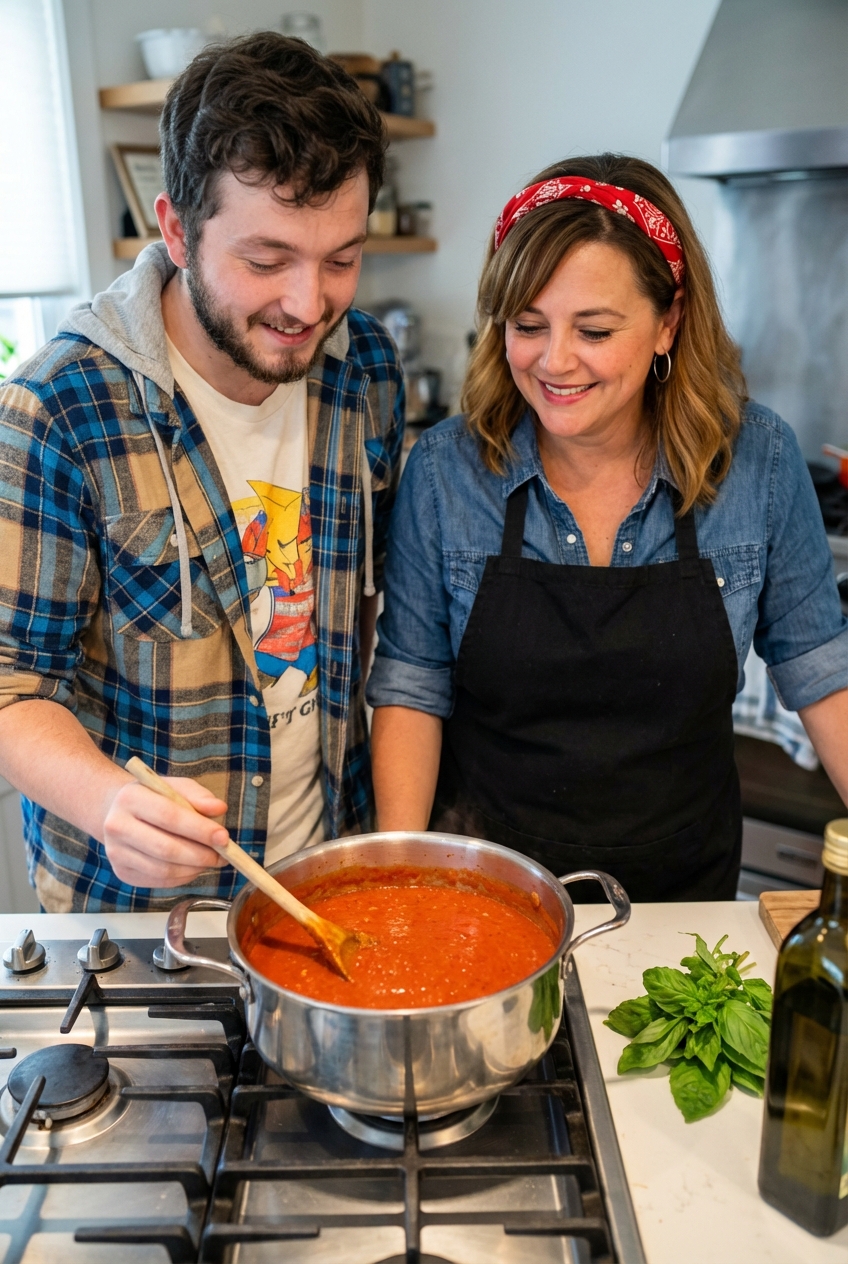
Cook a timeless classic red pasta sauce with tomatoes, garlic, olive oil, and Italian herbs. Simple, flavorful, and perfect for spaghetti, lasagna, and meal ...
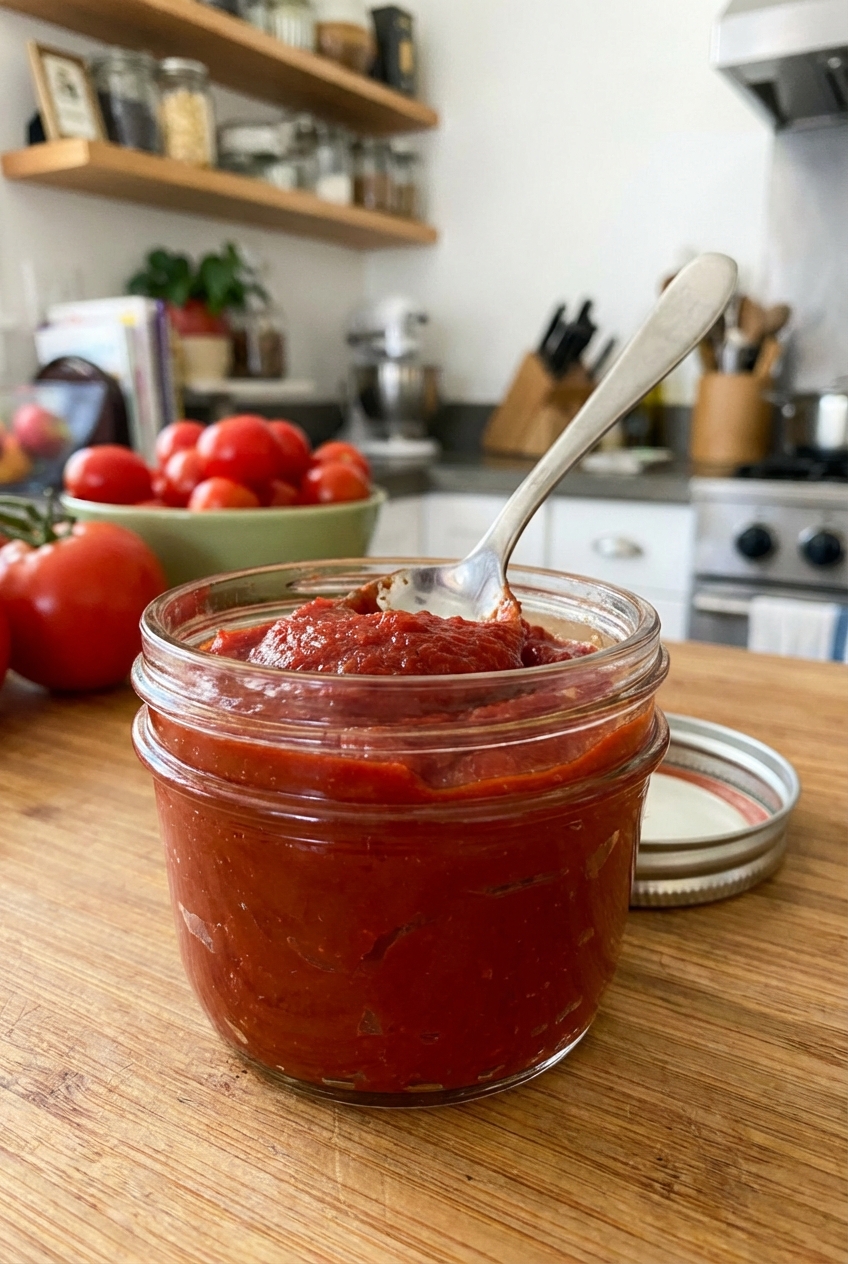
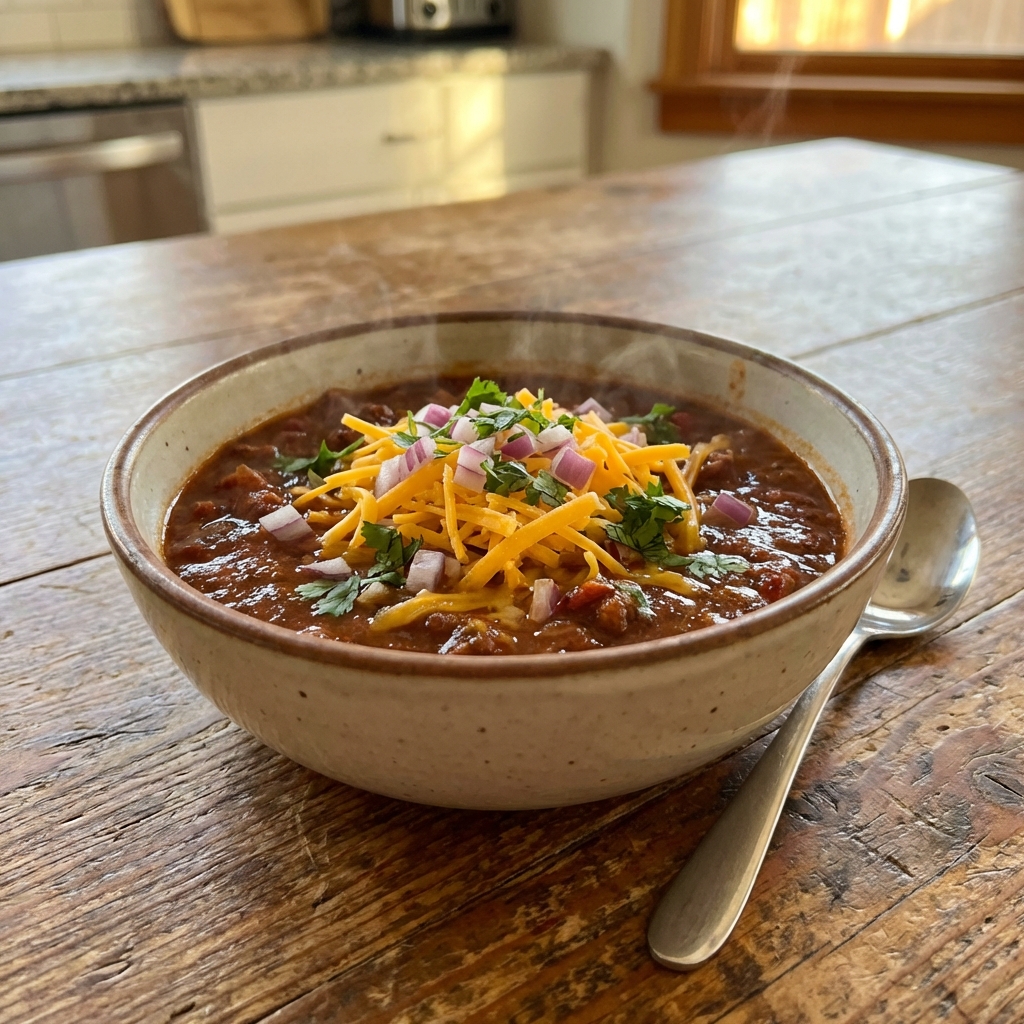
Tomato paste is one of those tiny ingredients that quietly runs the show. A tablespoon can turn “meh” chili into oh wow chili, and a quick fry in olive oil can make a weeknight sauce taste like you actually had a plan.
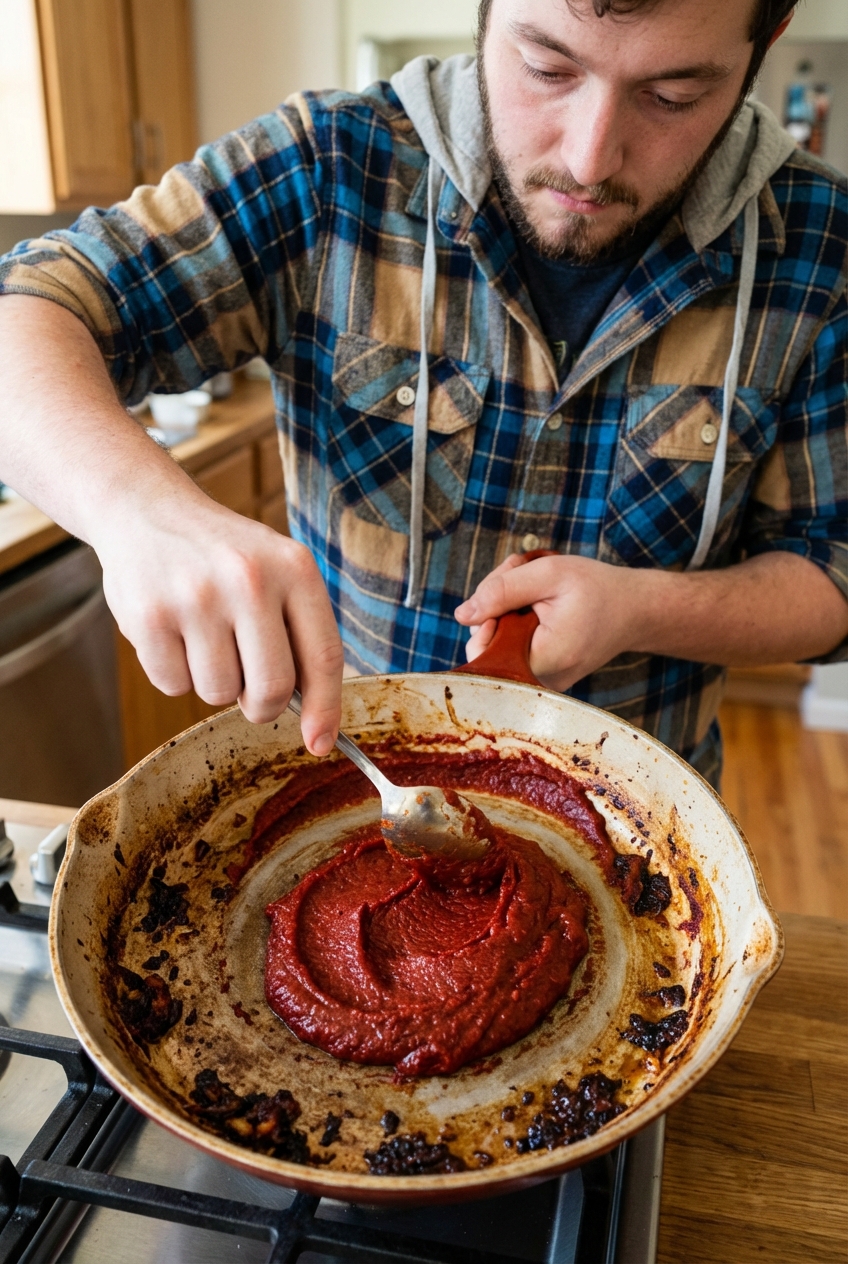
This is my go-to intense homemade tomato paste when I want that extra-deep, almost jammy tomato flavor. It is not fussy, it is just patient. You cook tomatoes down until the water is gone, then keep going until everything is deeply browned and concentrated and the paste turns a dark, brick red.
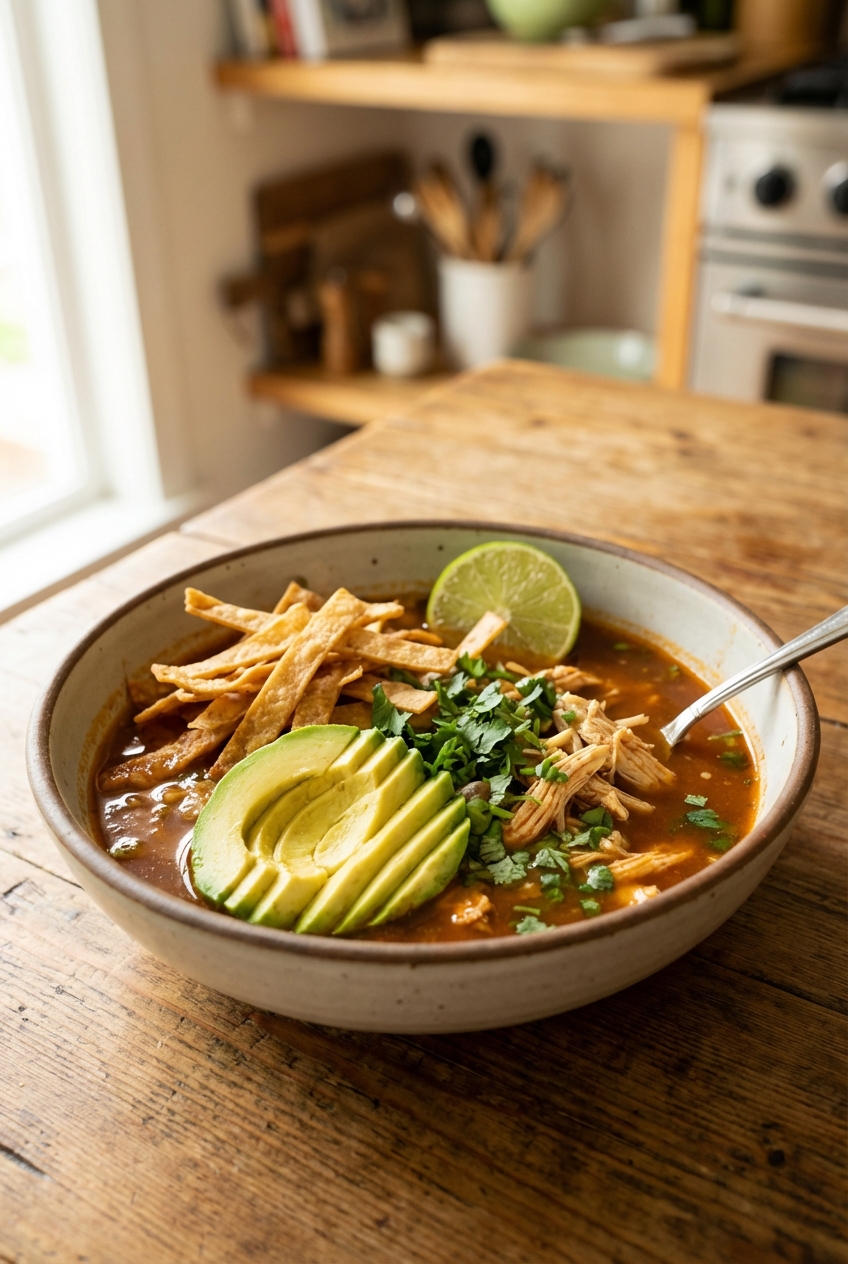
Bonus: you are using canned whole tomatoes, which are accessible, consistent, and honestly a lifesaver when fresh tomatoes taste like crunchy water. You end up with a paste that is bold enough to stand up to braises, soups, and anything that starts with sautéed onions and ends with everyone hovering near the stove.
Makes about 1 to 1 1/4 cups (16 to 20 tablespoons).