Mom's Best Recipes
Recipe

Irish Brown Bread

A dense, nutty Irish brown bread made with wholemeal flour, buttermilk, and a touch of treacle for deep flavor and a beautifully browned crust. No yeast, no drama, just a cozy loaf with crisp edges.

Author By Matt Campbell
4.8
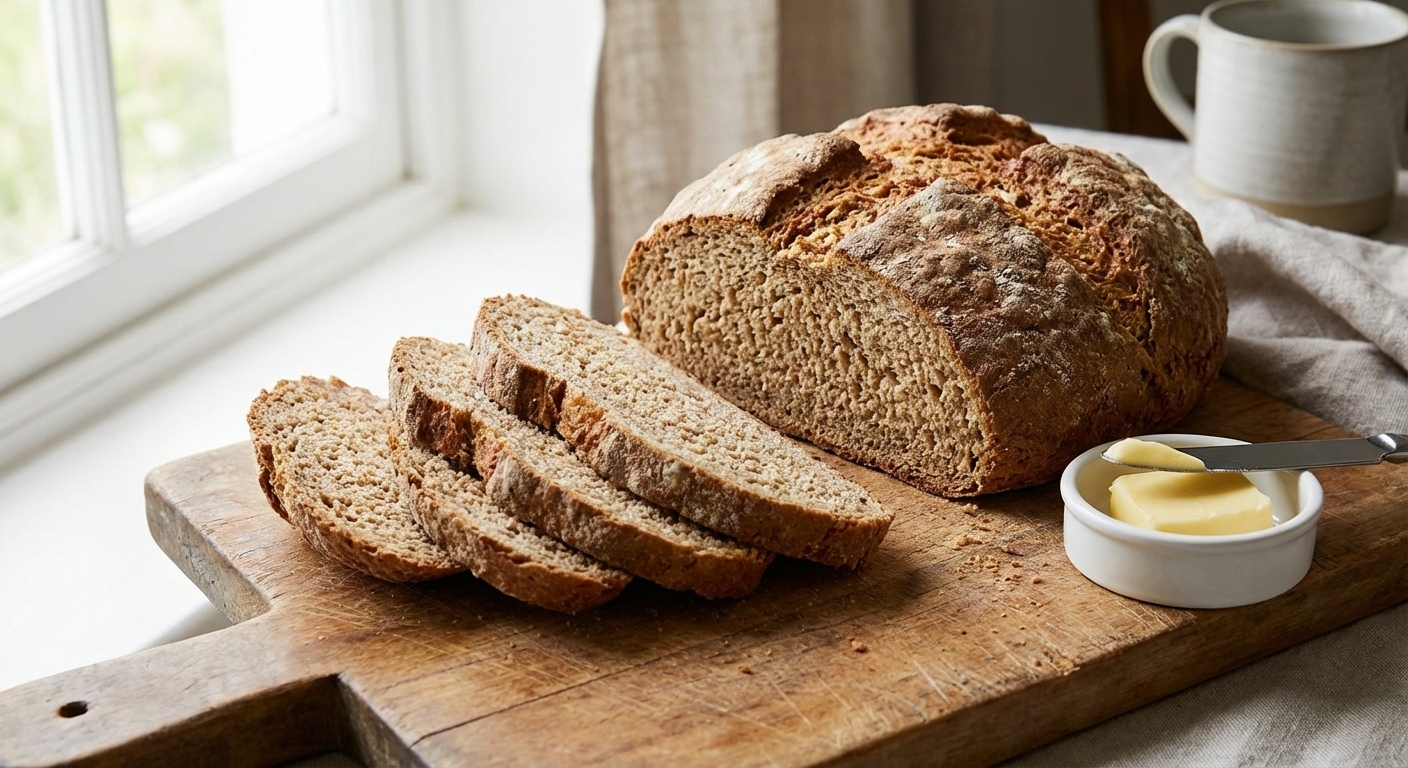
A single rustic loaf of Irish brown bread on a wooden cutting board with a few sliced pieces fanned out, showing a dense wholemeal crumb, with a small dish of butter nearby and soft natural window light, photorealistic food photography

Irish brown bread is the sturdy, practical side of the soda bread family. It is still a quick bread leavened with baking soda and buttermilk, but the vibe is totally different: earthier, denser, nuttier, and built for real-life eating. Think thick slices that can handle butter, jam, smoked salmon, or a bowl of stew without turning to mush.

The big difference is the flour. White soda bread is typically made with mostly white flour, giving you a lighter crumb and a softer, more tender slice. Irish brown bread leans hard into wholemeal flour, sometimes with a bit of wheat bran or oats. The result is heartier and more substantial, with that toasty whole-grain flavor that makes you want a second slice even when you said you were “just tasting.”

This version keeps ingredients accessible and the instructions clear. You will also get a few easy variations, because once you have the base down, Irish brown bread becomes one of those “I can make bread whenever I want” flexes.

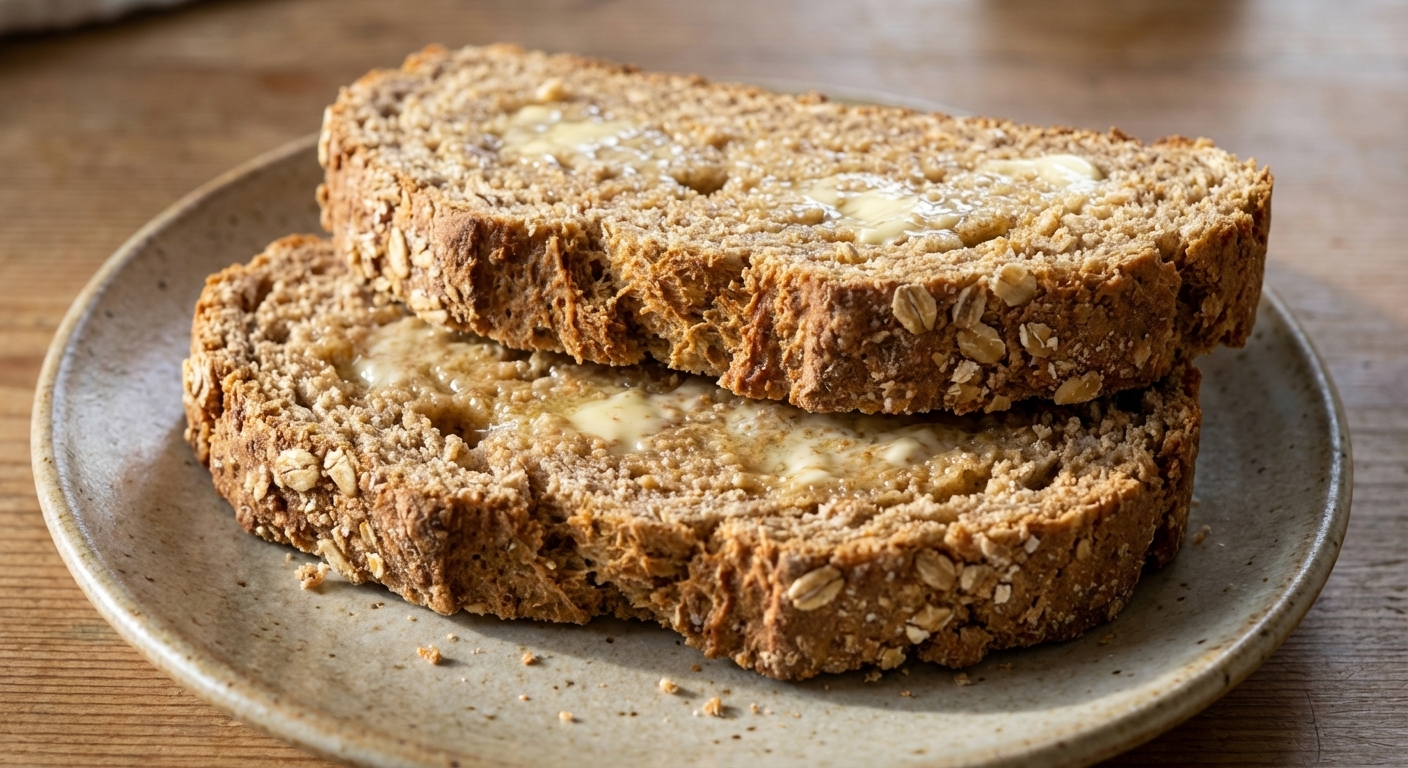
A close-up of two slices of wholemeal Irish brown bread stacked slightly offset on a plate, with visible grain texture in the crumb and a thin sheen of melted butter, photorealistic

Why It Works

  • Reliable rise without yeast: Buttermilk plus baking soda gives you lift fast, so you can go from craving to loaf in under an hour.
  • Hearty texture that stays satisfying: Wholemeal flour brings structure, a nutty bite, and a loaf that feels like actual food.
  • Treacle adds depth and color: A small spoonful of treacle or molasses rounds out the whole-grain flavor without making the loaf overly sweet.
  • One-bowl friendly: Mix just until combined and stop. Overmixing is the fastest way to make quick bread tough.

Pairs Well With

Storage Tips

At room temperature: Let the loaf cool completely, then wrap in a clean towel or keep in a bread box for 2 days. If you seal it airtight while still warm, the crust will soften.

In the fridge: I usually skip the fridge because it dries bread faster, but if your kitchen runs warm, wrap tightly and refrigerate up to 4 days. Toasting brings it back.

Freezing: Slice the loaf, then freeze slices in a freezer bag with parchment between layers. Grab what you need and toast straight from frozen. Best within 2 months.

Best leftover move: Toast a thick slice, then add salted butter and a drizzle of honey, or go savory with cheddar and a smear of mustard.

Common Questions

Is Irish brown bread the same as Irish soda bread?

They are in the same family because both are usually leavened with baking soda and buttermilk, not yeast. The difference is the flour and texture. Irish brown bread uses mostly wholemeal flour, so it tastes nuttier and bakes up denser than the more common white soda bread.

What can I use instead of treacle?

Use molasses as a direct swap. If you have neither, use dark brown sugar (same amount) or honey. Just note honey will make it taste a bit lighter and sweeter.

Can I make it without buttermilk?

Yes. Mix 1 3/4 cups milk with 1 1/2 tablespoons lemon juice or white vinegar. Let it sit 5 to 10 minutes, then use it like buttermilk. This is a quick sour milk, not the same as cultured buttermilk, but it does the job for soda bread.

Why do you score a cross on top?

It helps the loaf expand and bake evenly. Traditionally, people will tell you it also “lets the fairies out.” I am not here to argue with tradition.

My loaf is dry. What happened?

Most often: too much flour (scooped heavily) or overbaking. Spoon flour into the measuring cup and level it, or use weights for best accuracy. Also, wholemeal flour and oats vary a lot, so hold back a splash of buttermilk and add it only if the dough feels stiff. The dough should feel soft and moist, not crumbly.

Why does it taste a little soapy or look slightly greenish?

That is usually a baking soda issue: too much soda, not enough acidity, or sometimes overmixing. Measure the baking soda carefully, make sure your buttermilk (or soured milk) is properly tangy, and mix just until the dough comes together.

Can I add seeds and oats without messing it up?

Absolutely. Keep add-ins reasonable so the loaf can still hold together. Start with 2 to 4 tablespoons seeds or up to 1/4 cup oats as an add-in. If you add a lot of dry ingredients, you may need an extra splash of buttermilk.

Can I make it dairy-free?

Yes, with a small caveat. Use an unsweetened plant milk (oat or soy works well) plus vinegar or lemon juice to make a “buttermilk” substitute. The rise can be slightly different depending on the milk, but it still bakes up into a sturdy, good loaf.

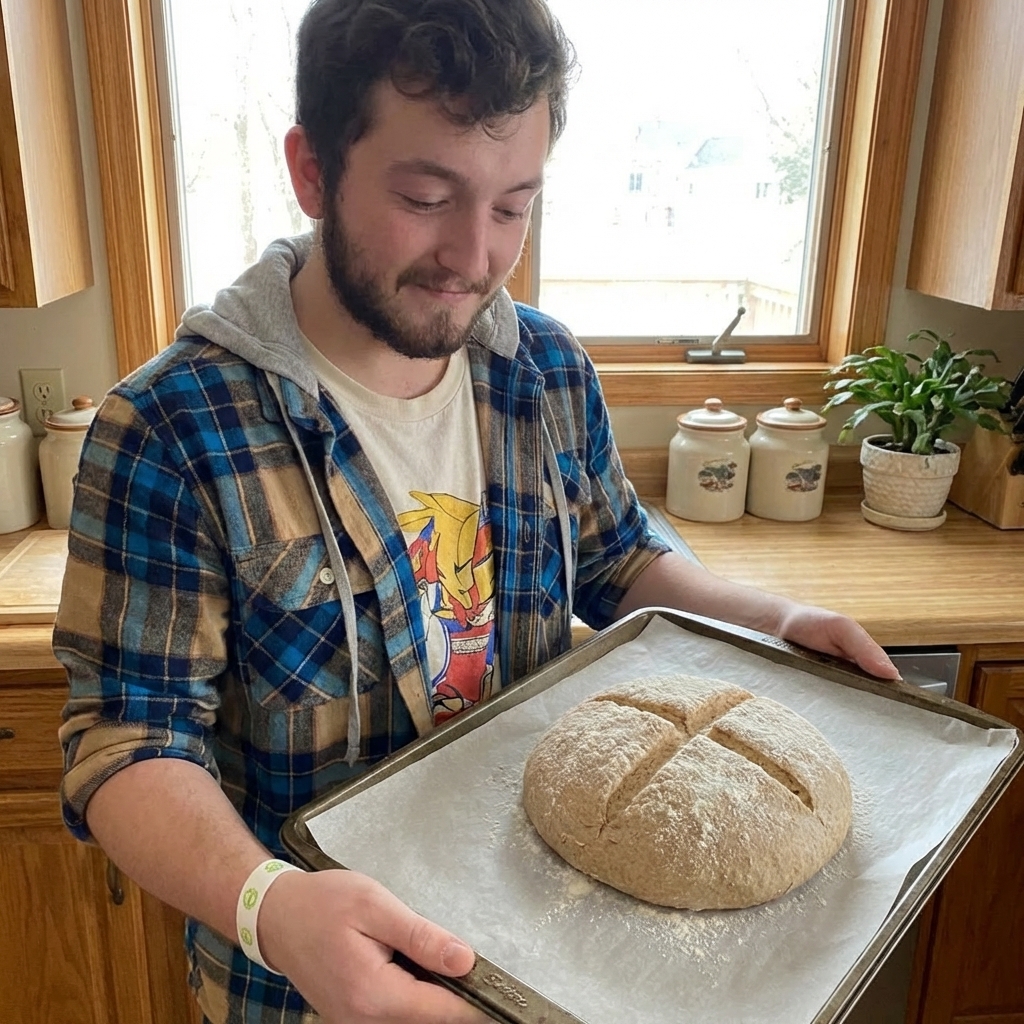
I love bread projects, but I do not always love bread schedules. Irish brown bread is my kind of compromise: the comfort of a fresh loaf without babysitting yeast. The first time I made it, I was expecting soda bread vibes, light and airy. Instead I got this darker, sturdier loaf that tasted like it belonged next to soup and rainy weather. Now it is my go-to when I want something homemade that feels practical, a little rustic, and very butter-friendly.