
Small paws, big appetite, and a soft spot for comfort food. And party mix is absolutely comfort food, just in crunchy handful form.
If you are asking whether Chex Mix is gluten-free, you are already thinking like a wise kitchen detective. The tricky part is that Chex cereal can be gluten-free, but classic Chex Mix style add-ins often are not. Let’s sort out what to trust, what to double-check, and how to build a bowl everyone can snack from a little more safely.
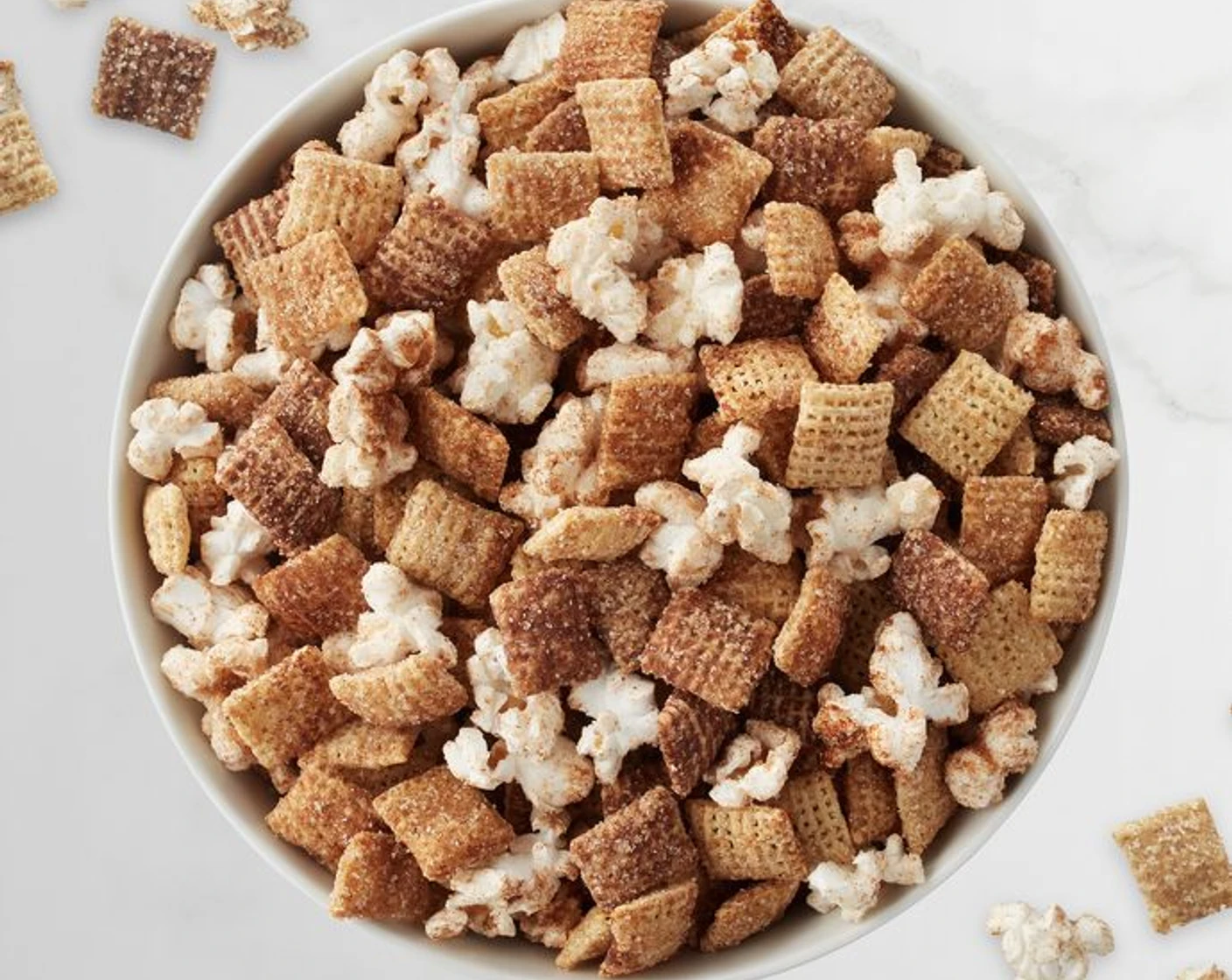
So, is Chex Mix gluten-free?
Sometimes. It depends on two things:
- Which Chex cereal you use (some varieties are labeled gluten-free, others are not).
- What you add to the mix (pretzels and bagel chips are the usual gluten troublemakers).
If you are buying pre-made, bagged Chex Mix, do not assume it is gluten-free just because it says “Chex.” Many traditional versions include wheat-based pieces, and it can vary by flavor. Some Chex Mix branded varieties may be labeled gluten-free while many are not. The only safe approach is to check the exact package in your hand.
If you are making your own, you can absolutely build a gluten-free version, but label-checking matters because seasonings and sauces can sneak gluten into the bowl. A few common examples: a seasoning packet that contains wheat, soy sauce that is not gluten-free, or anything made with malt.
Which Chex cereals are gluten-free?
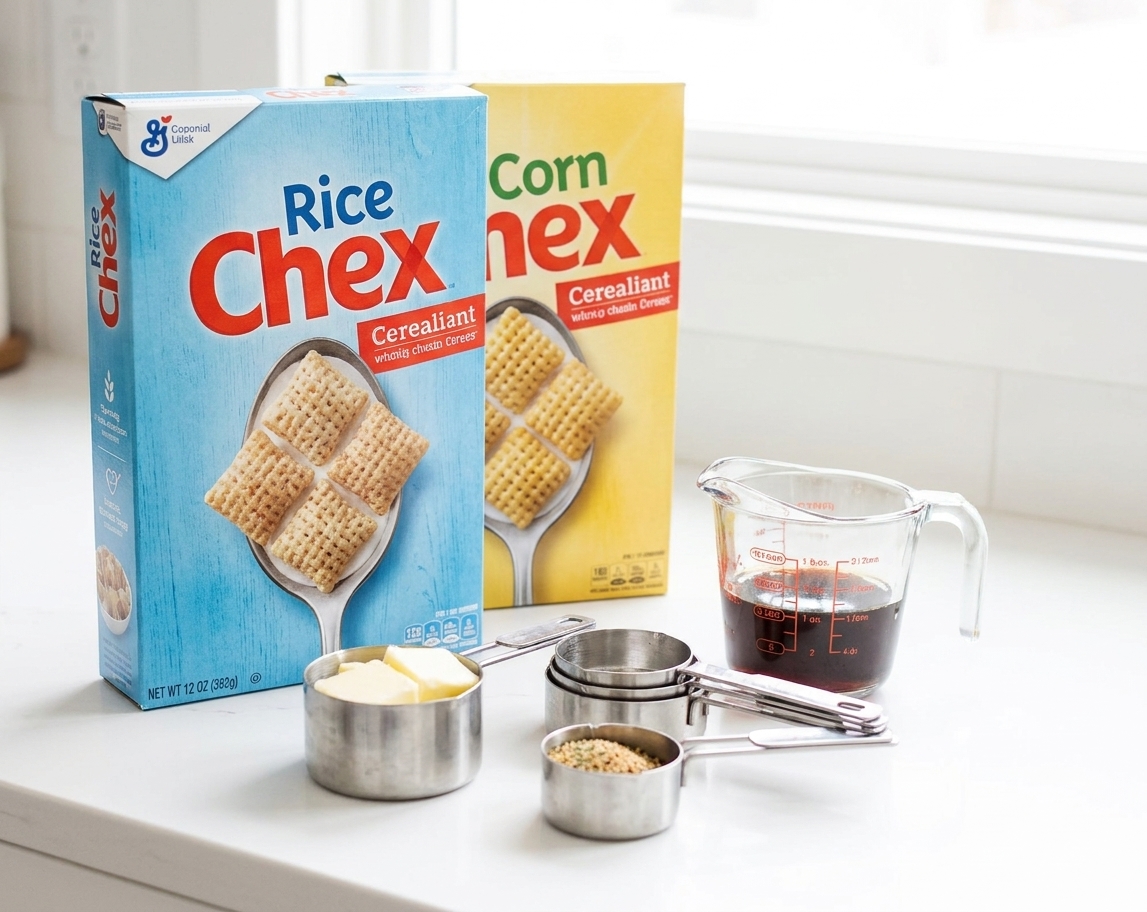
General Mills makes several Chex cereals that are widely sold with gluten-free labeling in the U.S. Availability and labeling can vary by country, store, and over time, so the best rule is: look for “gluten free” on the exact box you are buying, not just “made with corn” or “made with rice.”
Chex varieties that are often found labeled gluten-free (when the box says so) include:
- Rice Chex
- Corn Chex
- Cinnamon Chex
- Honey Nut Chex
- Chocolate Chex
Some flavors are more inconsistent by region or run, so treat these as “possible” and verify the box carefully:
- Vanilla Chex (may be labeled gluten-free in some stores or regions)
- Peanut Butter Chex (may be labeled gluten-free in some stores or regions)
Some Chex varieties are not gluten-free, or are more likely to vary by product line, flavor, or seasonal release. The cereal that makes my little hedgehog ears perk up for gluten concerns is:
- Wheat Chex (contains wheat)
Again, do not rely on memory. If you are shopping for someone who needs strict gluten avoidance, the safest move is to buy only boxes clearly marked gluten-free.
Chex Mix ingredients that often have gluten
This is where most gluten surprises happen. A “Chex Mix” style snack is usually a blend of cereal plus crunchy extras, and the extras are frequently wheat-based, or contain barley-derived ingredients like malt.
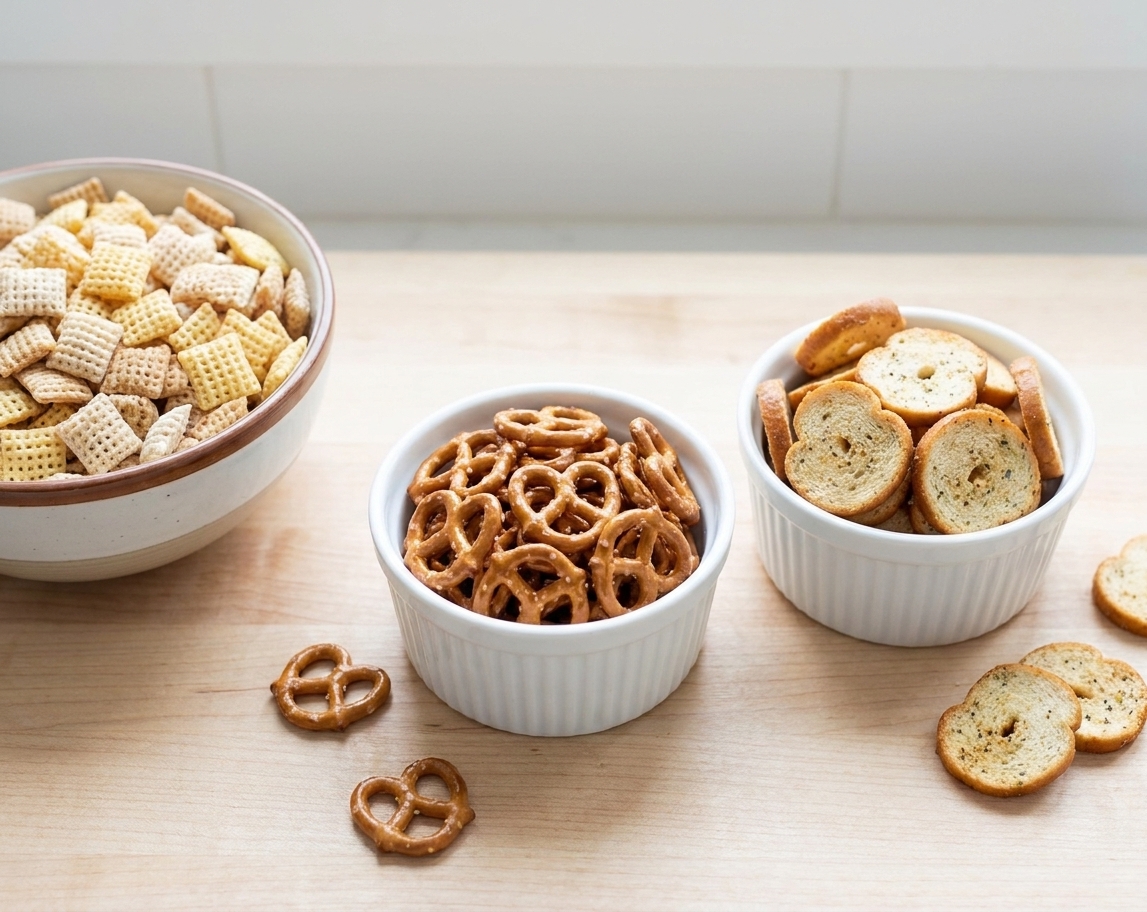
Pretzels
Most standard pretzels are made with wheat flour. You can swap in gluten-free pretzels, but treat them like any specialty product and check the label carefully.
Bagel chips and rye chips
Traditional bagel chips and rye chips typically contain wheat or rye, both of which contain gluten. For gluten-free party mix, it is usually easiest to skip these entirely or use a verified gluten-free alternative.
Seasoned bits, crackers, and crunchy pieces
Any add-in that looks like a tiny cracker, bread chip, or seasoned crunchy nugget can be a gluten risk. Even if it is corn-based, seasoning blends can include wheat or malt-based ingredients.
Worcestershire sauce
Worcestershire is one of those pantry items that seems harmless until you remember recipes vary by brand and country. Some are gluten-free, some are not. A common gluten issue is malt vinegar (usually made from barley), or other barley-derived ingredients.
What to do:
- Check the label every time.
- If it is not clearly gluten-free and you are cooking for someone with celiac disease or high sensitivity, choose a Worcestershire that is labeled gluten-free or use a different flavor booster.
Seasoning mixes
Taco seasoning, ranch seasoning, “seasoned salt,” and spice blends can be perfectly fine, but they can also contain wheat-based ingredients (as a thickener or flavoring) or be made on shared equipment. Many are safe. You just want the label to do the talking, not wishful thinking. My kitchen detective rule is simple: when in doubt, I pick the one that is clearly labeled gluten-free.
Gluten-free vs wheat-free
This quick distinction saves a lot of label-reading headaches. Gluten-free is not the same as wheat-free. Wheat is one source of gluten, but barley and rye contain gluten too. The word I watch for like a hawk is malt (often barley-based), which can show up in flavorings, vinegars, and seasonings.
What about oats?
Oats do not contain gluten naturally, but they are often grown or processed near wheat. If an ingredient list includes oats and you need strict gluten avoidance, look for certified gluten-free oats or a clear gluten-free statement on the product.
How to make a gluten-free Chex mix
If you want the cozy, buttery, savory crunch without the gluten, you can build it with a few smart swaps.
Start with gluten-free labeled Chex
Pick one or a combo like Rice Chex and Corn Chex, and confirm the box is labeled gluten-free.
Use gluten-free crunchy add-ins
Here are mix-ins that are often naturally gluten-free, but still deserve a quick label peek:
- Plain nuts (watch for “seasoned” nuts, which can contain wheat or malt ingredients)
- Pepitas or sunflower seeds
- Gluten-free pretzels
- Gluten-free crackers (many are rice-based)
- Popcorn (plain popcorn is often a great filler for a big bowl)
Flavor it with simple, label-friendly seasonings
A classic Chex-style seasoning blend is usually butter, garlic powder, onion powder, and seasoned salt. If you are keeping it gluten-free, the main idea is: the fewer mystery blends, the fewer surprises.
If you love that traditional tang from Worcestershire sauce, use one that is labeled gluten-free, or consider flavoring with:
- Tamari (choose one labeled gluten-free)
- Vinegar and spices for a bright, savory kick (just avoid malt vinegar unless it is labeled gluten-free)
Label tips that help
Labels can feel like a tiny novel printed in ant-sized font. Here is the short version I cling to.
Look for a gluten-free statement
For packaged foods like cereal, pretzels, crackers, seasoning blends, and sauces, a clear gluten-free label is your best shortcut.
Check the allergen statement
In the U.S., wheat is a major allergen and must be declared when used as an ingredient. If you see “Contains: Wheat,” that is an easy no.
Important: barley and rye are not always called out in allergen statements the same way wheat is. That is another reason the gluten-free label is so helpful. Also scan the ingredient list for words like malt or malt vinegar.
Watch for cross-contact language
Phrases like “may contain wheat” or “made on shared equipment” are voluntary statements, so you might not always see them. But if you do see them and you are cooking for someone who needs strict gluten avoidance, take them seriously and consider a different product.
Cross-contact: keep it safer
Even with gluten-free ingredients, cross-contact can happen in a busy kitchen. A few small habits can make a big difference:
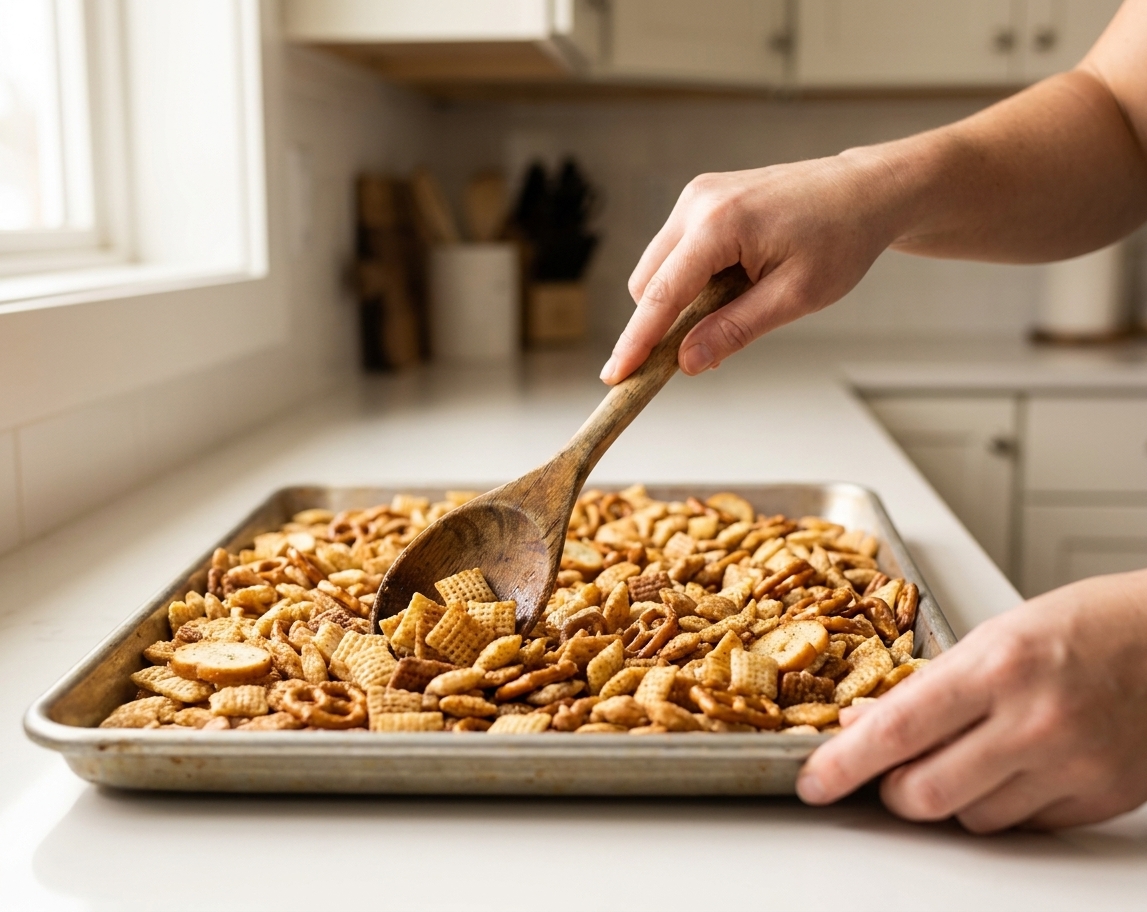
- Use a clean bowl, clean spoon, and clean baking sheet, especially if you recently made wheat-based snacks.
- Line the pan with parchment if you are not sure what was baked there last.
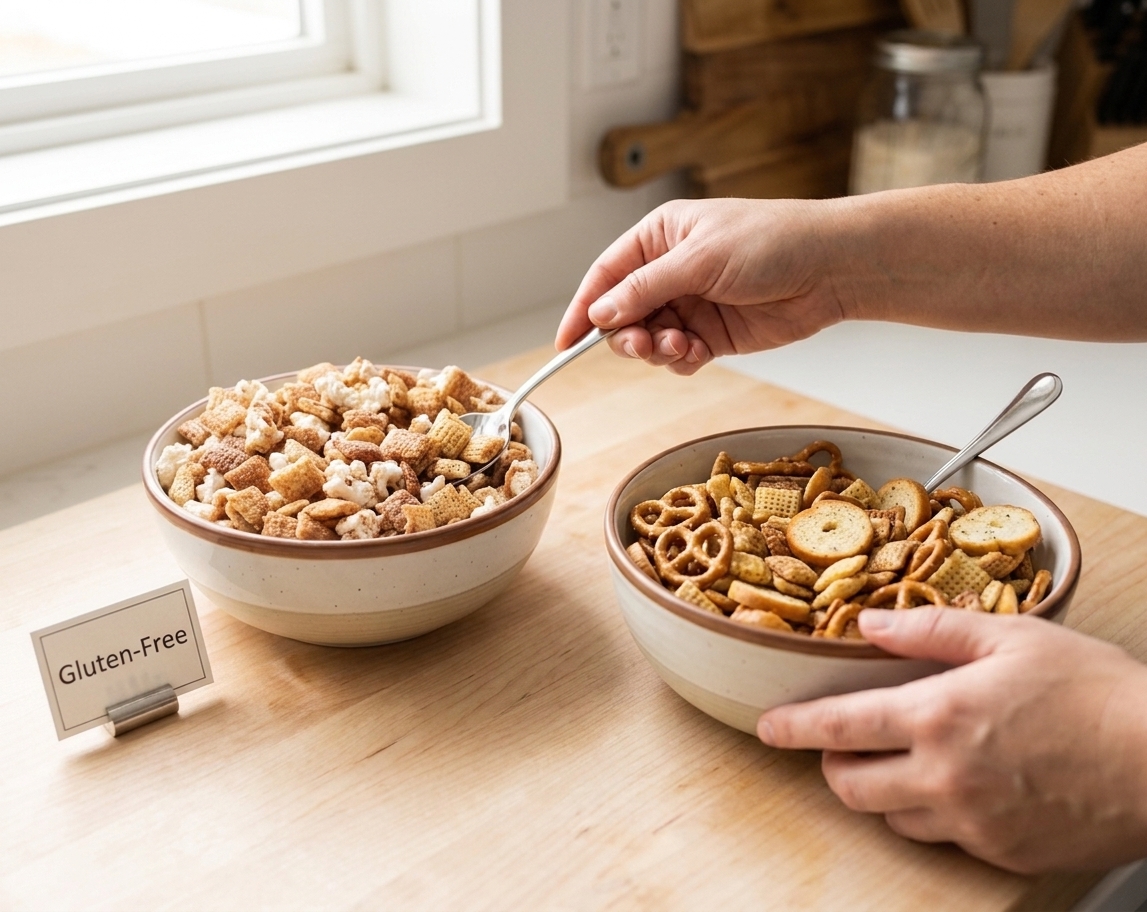
- Keep the gluten-free mix separate from any regular mix on the snack table. Two bowls that look the same will get mixed up.
- Do not dip measuring spoons into a shared seasoning jar if someone might have used it over floury foods.
Quick FAQ
Is Rice Chex gluten-free?
Rice Chex is commonly sold with gluten-free labeling. Still, always confirm by checking the front of the box for a gluten-free statement.
Is Corn Chex gluten-free?
Corn Chex is commonly labeled gluten-free, but you should still confirm on the packaging since formulas can change.
Is Wheat Chex gluten-free?
No. Wheat Chex contains wheat.
Are the traditional Chex Mix pretzels gluten-free?
Traditional pretzels are usually made with wheat. Use gluten-free pretzels if you want that classic shape and crunch.
Is bagged Chex Mix gluten-free?
Sometimes, depending on the specific flavor and formula. Many varieties contain wheat-based pieces, so check the exact package for a gluten-free statement and scan the ingredient list.
Does Worcestershire sauce have gluten?
It can, depending on the brand. Watch for ingredients like malt vinegar (usually barley-based), and choose a Worcestershire sauce that is clearly labeled gluten-free if you need to avoid gluten.
The coziest takeaway
Chex Mix can be gluten-free if you build it that way: start with Chex cereal labeled gluten-free, then choose mix-ins and seasonings that are also gluten-free and be mindful about cross-contact.
If you want the easiest “yes,” make a simple party mix with Rice Chex or Corn Chex, gluten-free pretzels or crackers, nuts, and a buttery seasoning blend made from single spices. Then set it out with its own spoon, and watch that bowl disappear. If my hedgehog snack inspector approves, I promise it is going to be a keeper.