Mom's Best Recipes
Recipe

Italian-Inspired Seasoning Recipe

A bright, tangy, slightly sweet Italian-inspired seasoning blend you can shake into sauces, soups, veggies, and marinades when you want instant, cozy restaurant flavor.

Author By Matt Campbell
4.8
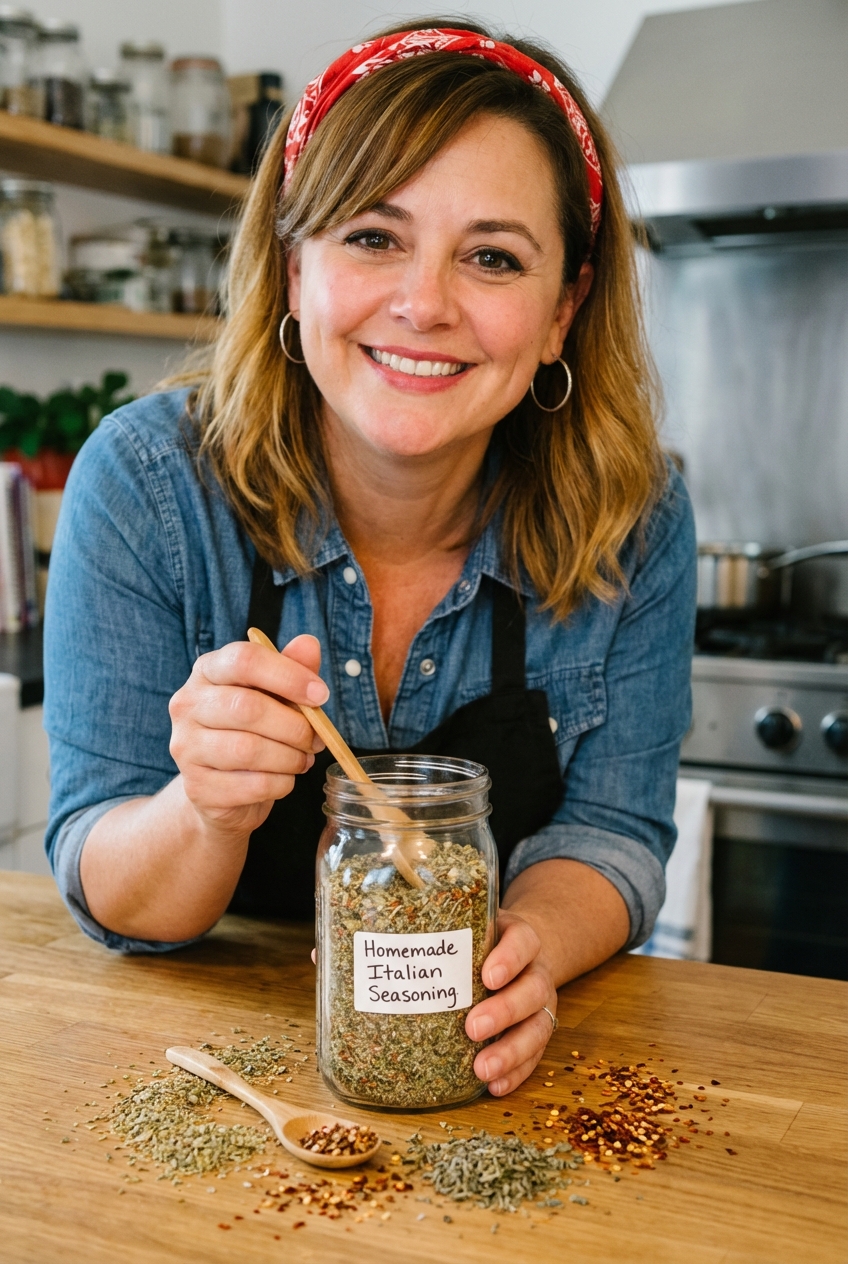
A glass jar of homemade Italian seasoning with a wooden spoon on a kitchen counter, with dried herbs scattered nearby

If your pantry has ever served you a dusty, vaguely oregano-flavored “Italian seasoning” that tastes like it has been through a lot, this is your reset button. This homemade blend is Italian-inspired and actually useful: herbaceous and garlicky, with a little tang and a tiny sweet edge that makes tomato sauce pop instead of taste flat.

The trick is balance. Dried oregano and basil bring the classic backbone, thyme and rosemary add that cozy Mediterranean depth, and a couple small add-ins do the heavy lifting: sumac for citrusy tang and a pinch of brown sugar for roundness. Not sweet like dessert, sweet like “why does this taste so complete?”.

Make one jar and you will start sprinkling it on everything like you live above a good trattoria. No judgment. I do it too.
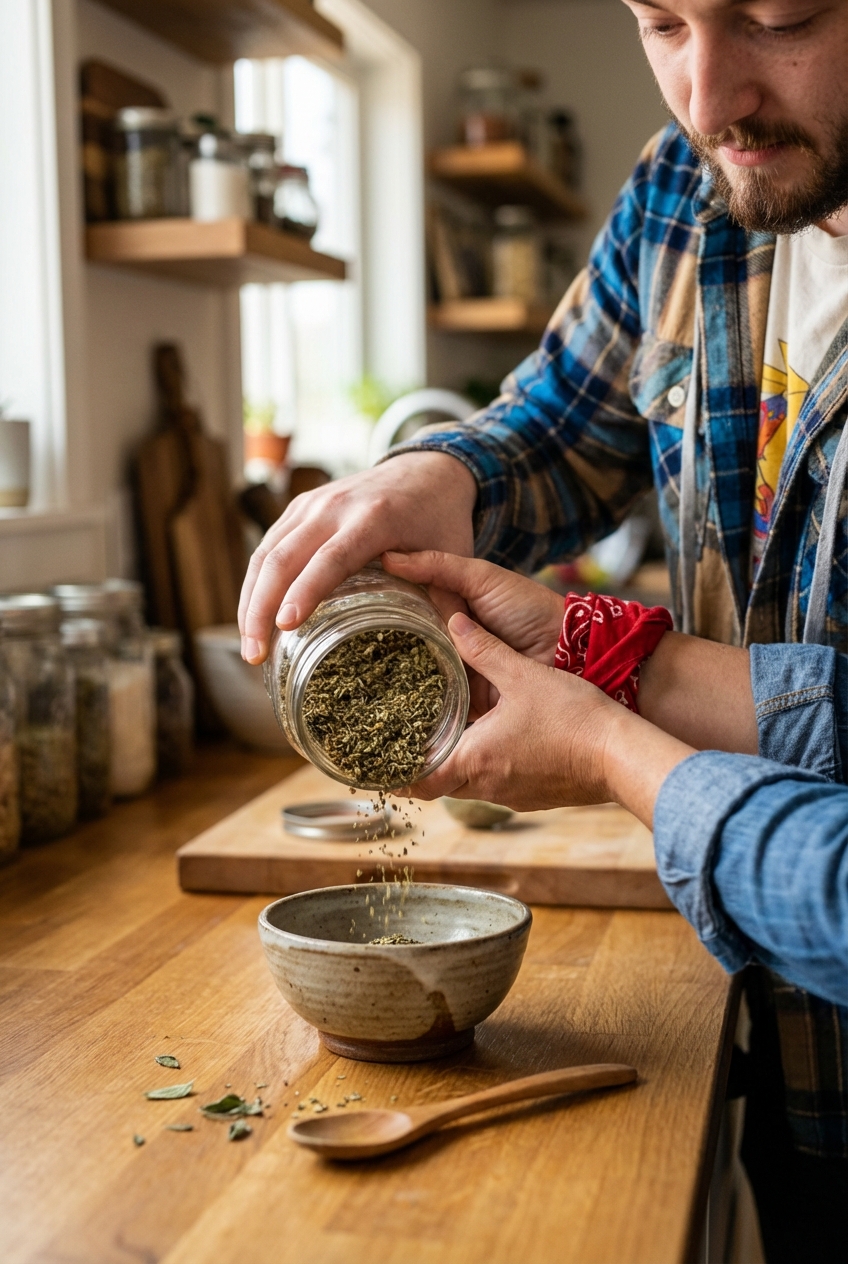
Hands pouring dried herbs into a small bowl on a countertop

Why It Works

  • Bold, balanced flavor: savory herbs up front, gentle heat in the background, and a tangy lift that keeps dishes from tasting heavy.
  • Tangy and sweet, not weird: sumac adds lemony brightness, while just a touch of brown sugar smooths out acidity in tomato-based dishes.
  • More aromatic than store-bought: because you control freshness and proportions, it tastes alive instead of dusty.
  • Weeknight friendly: one shake upgrades marinades, roasted veggies, pasta sauce, and even scrambled eggs.

Pairs Well With

Storage Tips

Store: Keep your seasoning in an airtight jar in a cool, dark cabinet. Heat and sunlight fade flavor fast.

How long it lasts: It is best within 3 months for maximum aroma, and it is still good for about 6 months if kept dry and sealed. After that, it will not necessarily be unsafe, but it will start tasting tired.

Safety note: If you see moisture, clumping that will not break up, or any visible mold, discard it and start fresh. (Moisture is the real enemy here.)

Pro tip: If you used any herbs that were already old, your blend will age faster. Start with the freshest dried herbs you can find for the best payoff.

How to tell it is past its prime: Rub a pinch between your fingers. If it smells faint or mostly like “dust,” it is time to refresh.

Common Questions

Is this “authentic” Italian?

It is Italian-inspired and very much Italian-American, restaurant-style in spirit. Traditional Italian cooking is more about seasoning each dish with the herbs it needs than relying on one all-purpose jar blend. This is my brighter, more balanced take for weeknight cooking.

What makes this “tangy and sweet”?

Sumac brings a lemony, slightly tart brightness, and a small pinch of brown sugar rounds out sharp edges. You are not making candy. You are building the same kind of balance you taste in great red sauce.

Is this the same as Italian seasoning from the store?

It is the same idea, but better. Store blends usually lean heavily on oregano and marjoram and can taste one-note. This version has a wider herb base plus a subtle tangy lift.

Can I make it without sumac?

Yes. Skip the sumac and add 1 teaspoon lemon zest to your dish while cooking instead, or add 1/8 teaspoon citric acid to the blend if you keep it on hand. If you want more zip, go up to 1/4 teaspoon after you test it. If you use lemon zest, do not store it in the jar because fresh zest adds moisture.

Is there salt in this blend?

No, on purpose. Salt levels should match the dish. Add salt separately so you do not accidentally over-season.

How much should I use per pound of meat or per pot of sauce?

For a good starting point: 2 teaspoons per pound of chicken, pork, or veggies, and 1 to 2 teaspoons per 24 ounces of tomato sauce. Then taste and adjust.

Can I use this as a dry rub?

Absolutely. Mix 1 tablespoon seasoning with 1 to 1 1/2 teaspoons kosher salt for a quick rub. Add a drizzle of oil if you want it to cling.

Where does the tang shine the most?

It is especially good in tomato sauces, roasted vegetables, and grilled or baked chicken. If you are making a delicate cream sauce, start with a lighter hand since the tang can be more noticeable.

I started making my own blends when I realized I was buying “Italian seasoning” just to use it twice and then forget it behind the paprika. The first time I tweaked it with something bright and something sweet, it clicked. Tomato sauce stopped tasting like it needed a rescue plan, and weeknight chicken went from fine to “wait, what did you put on this?”. Now I keep a jar ready like a kitchen cheat code, because I love cooking, but I also love not making life harder than it has to be.