Common Questions
Are Italian wedding cookies the same as Mexican wedding cookies or Russian tea cakes?
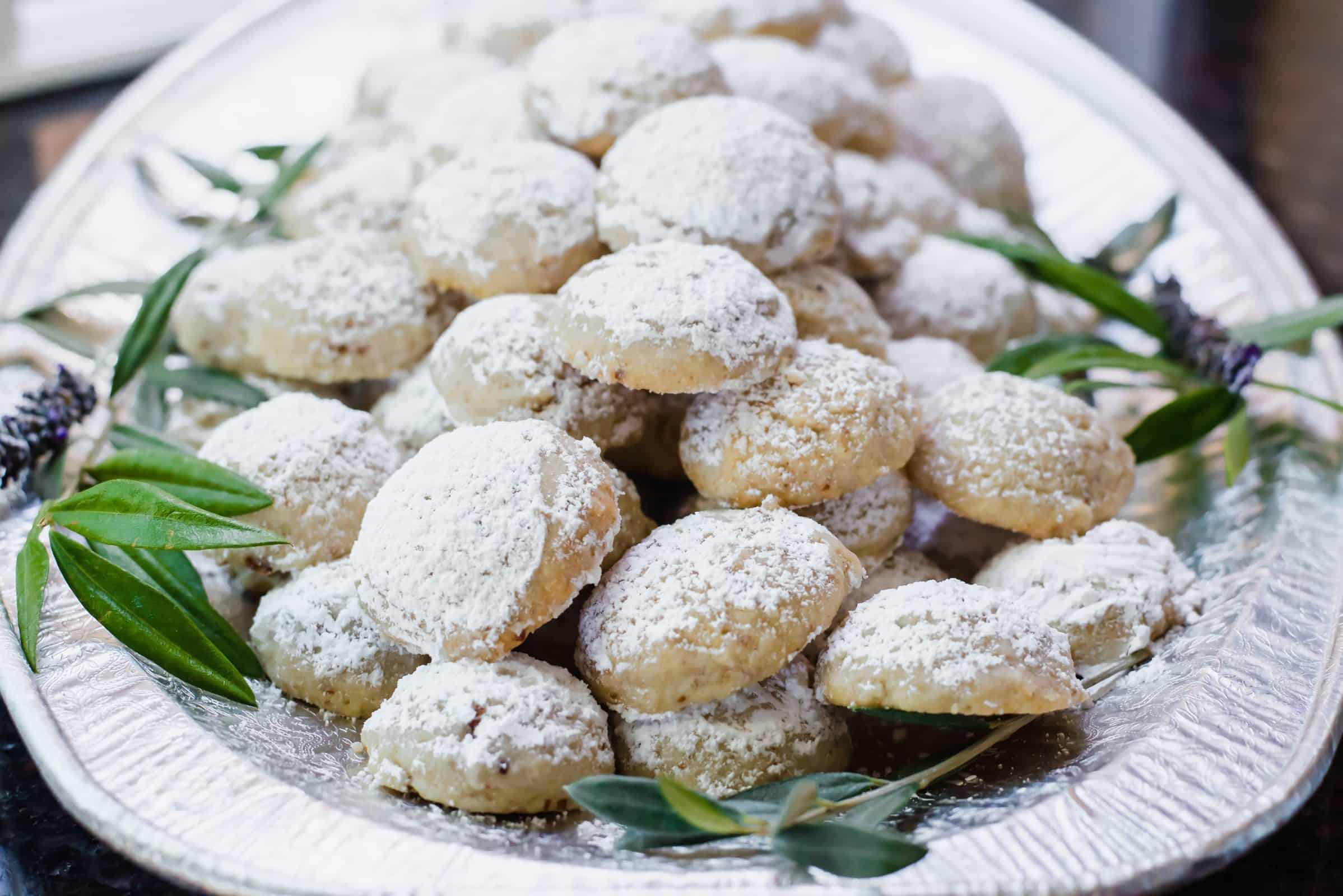
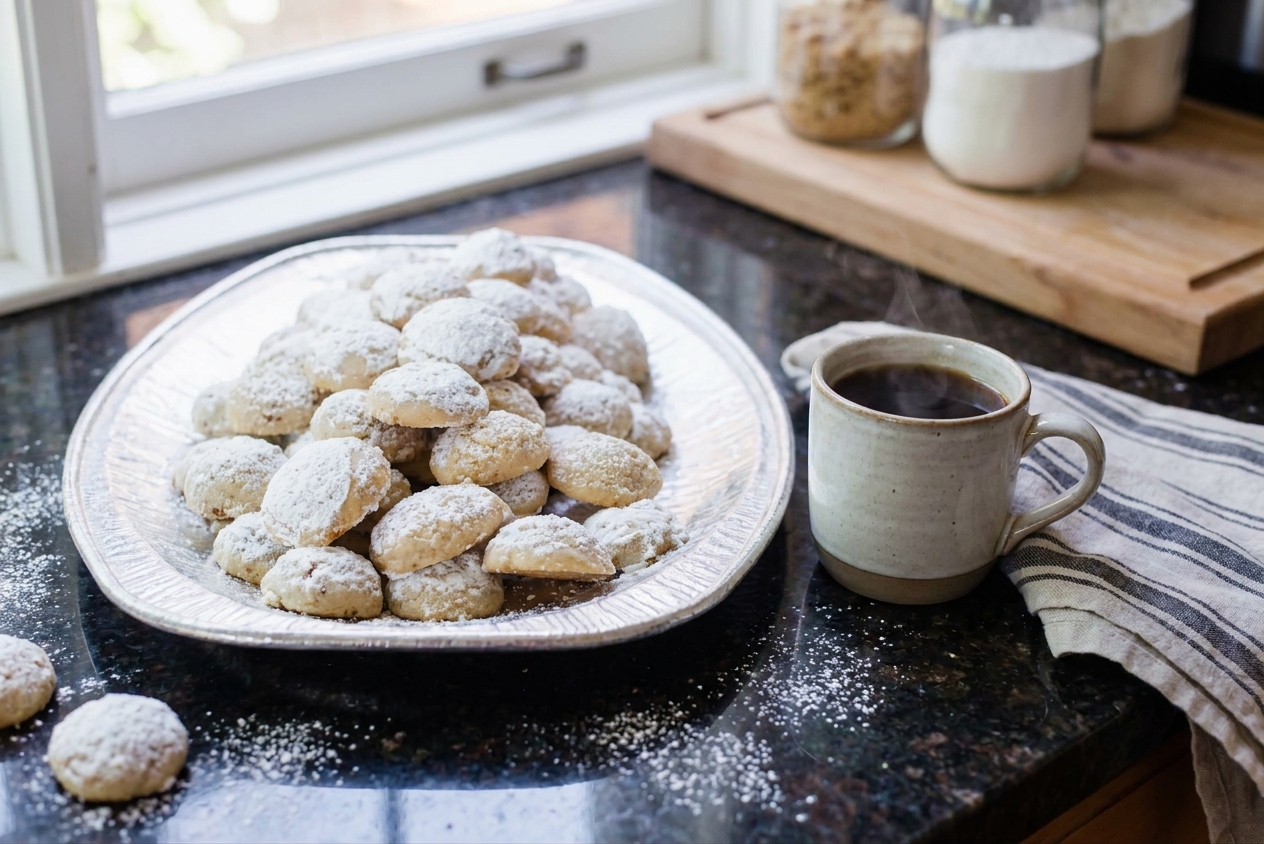
They are closely related and very similar. Depending on the family and region, you will see different names for the same general idea: a buttery, nutty cookie rolled in powdered sugar. Small variations pop up like the nut type (pecans, walnuts, almonds), a hint of cinnamon, or a different shape.
What nuts work best?
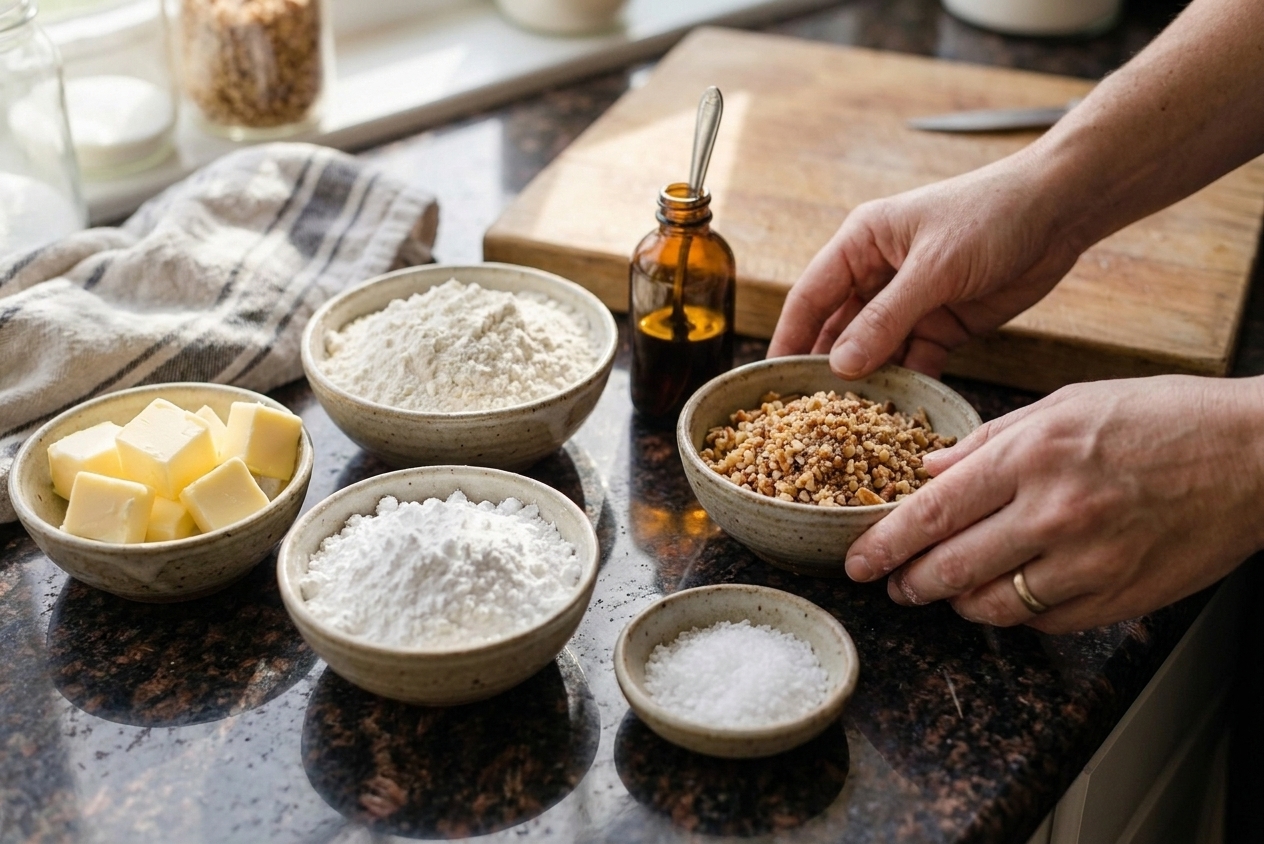
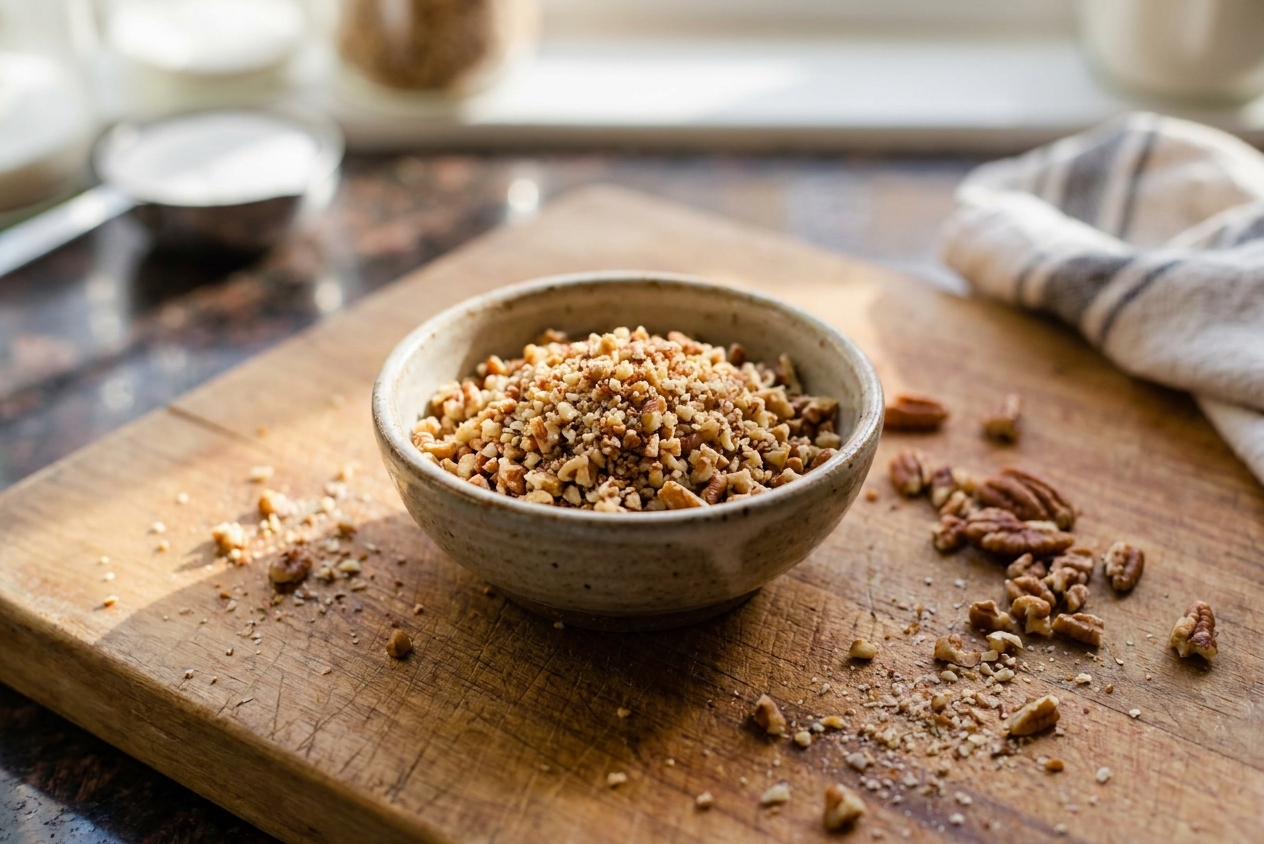
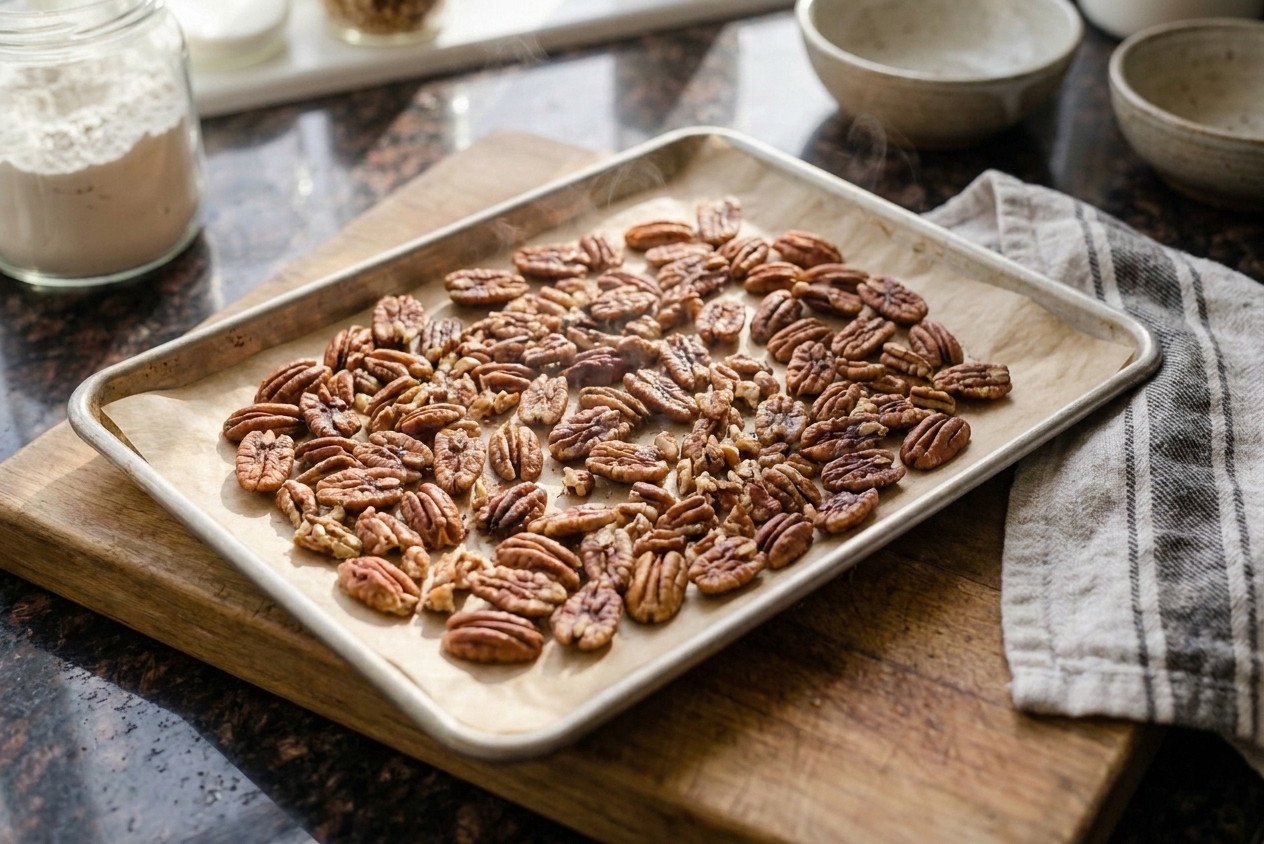
Pecans and walnuts are the most common and forgiving. Almonds are great too, especially with a little lemon zest. Whatever you choose, toast them first and chop them fairly fine so the dough holds together.
Why did my cookies spread or flatten?
- Your butter may have been too warm or the dough was not chilled enough.
- Your baking sheet could have been warm from a previous batch.
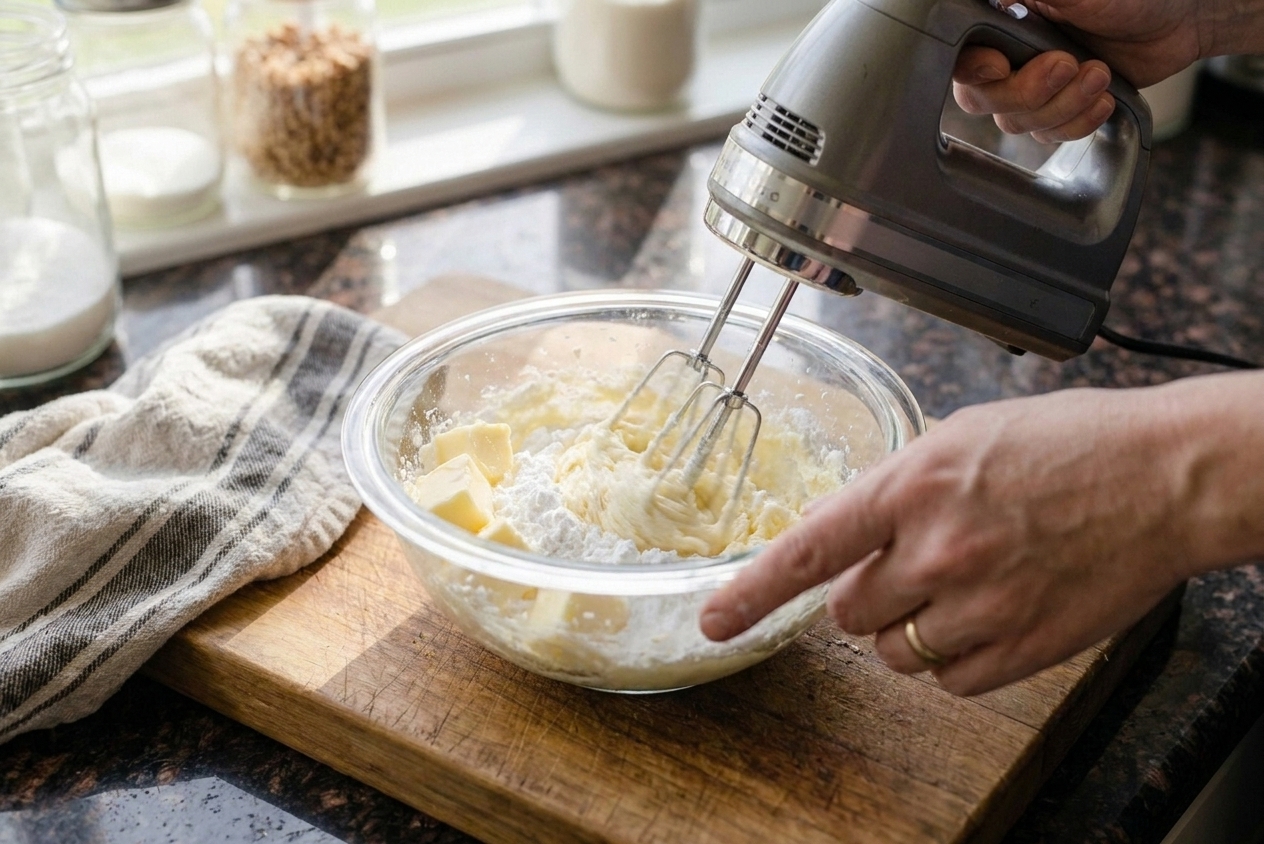
- You may have over-creamed the butter and sugar, whipping in extra air.
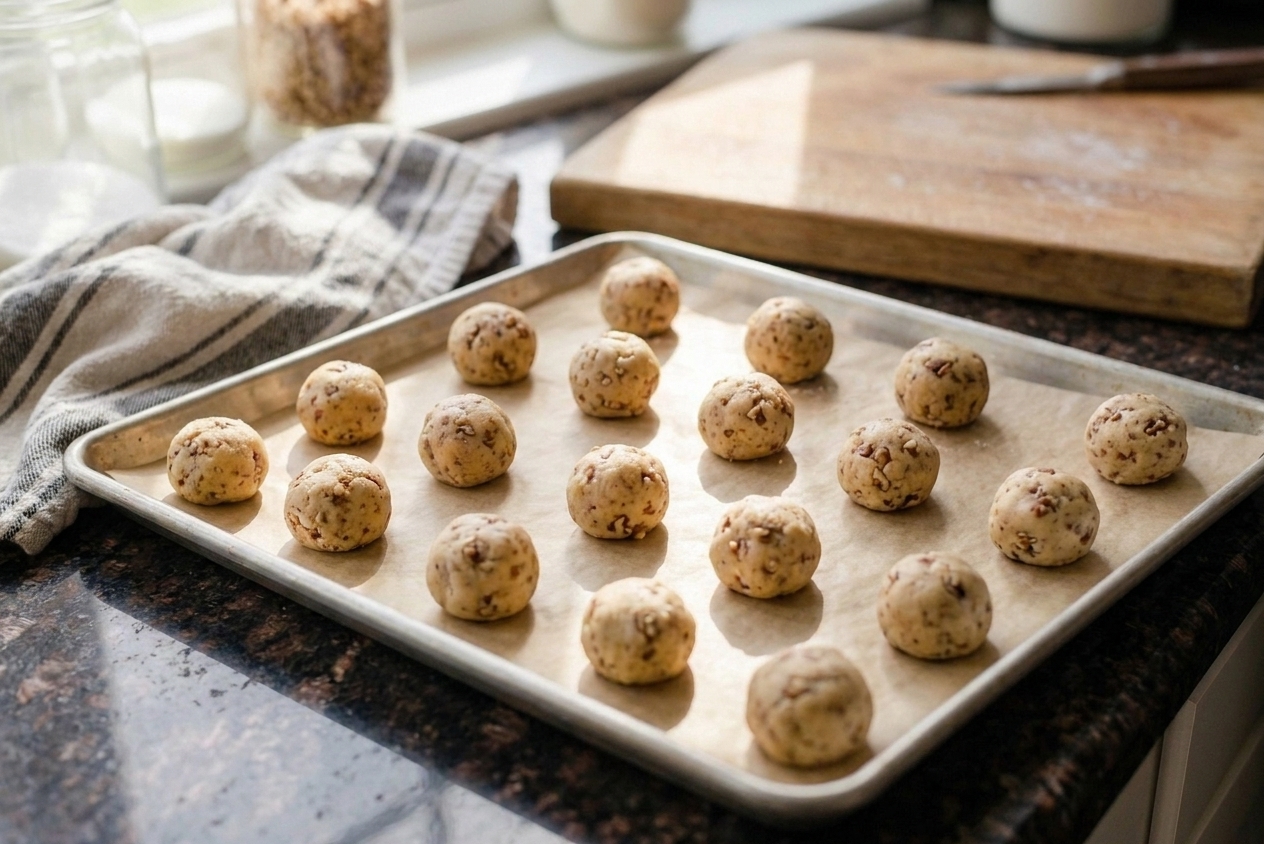
Chill the dough and bake on cool, parchment-lined sheets for best shape.
Why are my cookies dry and crumbly?
A little crumble is the point, but dry usually means too much flour or overbaking. Spoon and level your flour instead of scooping, and pull the cookies when the bottoms are just turning light golden.
Do I have to roll them in sugar twice?
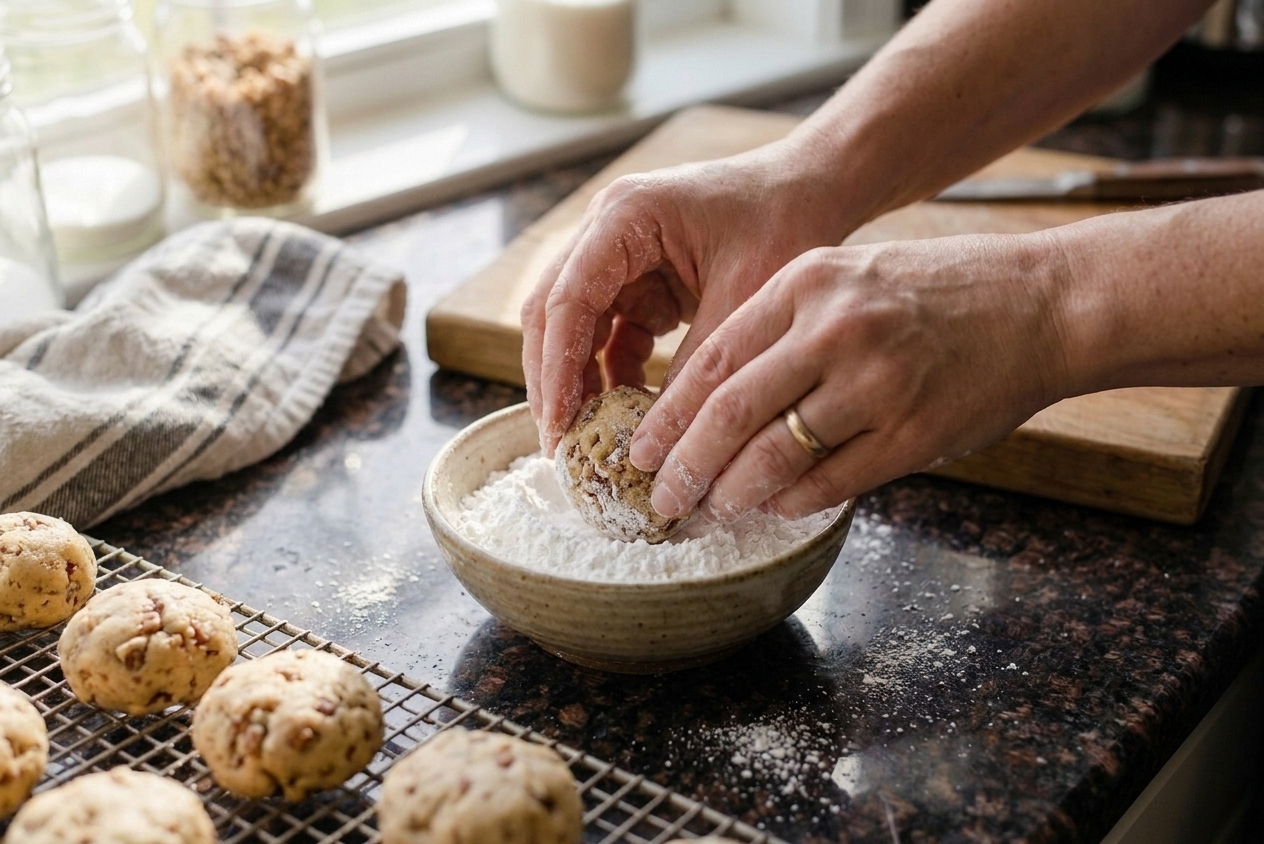
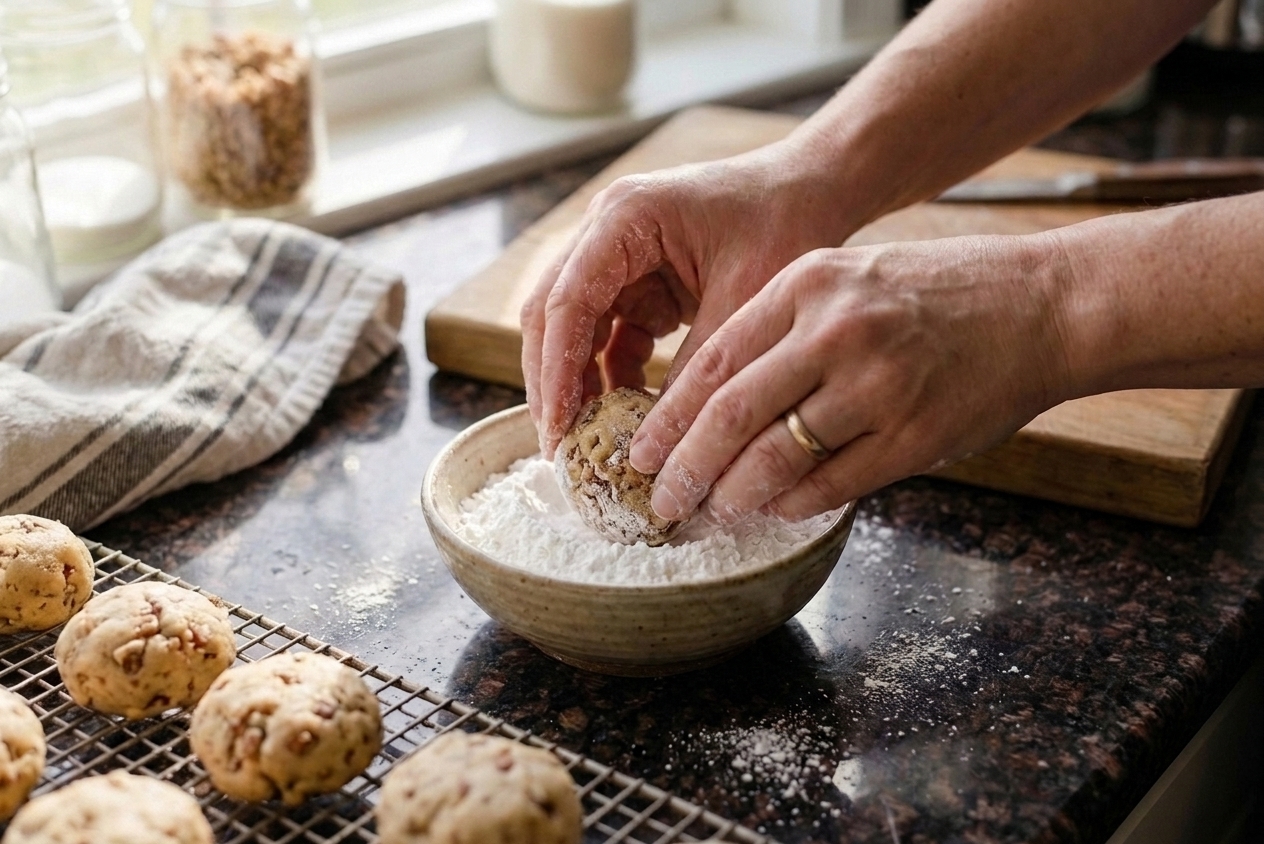
You do not have to, but you will want to. The first roll melts in and forms the base layer. The second roll is the fluffy, snowy finish that makes them look and taste right.
Can I make these ahead?
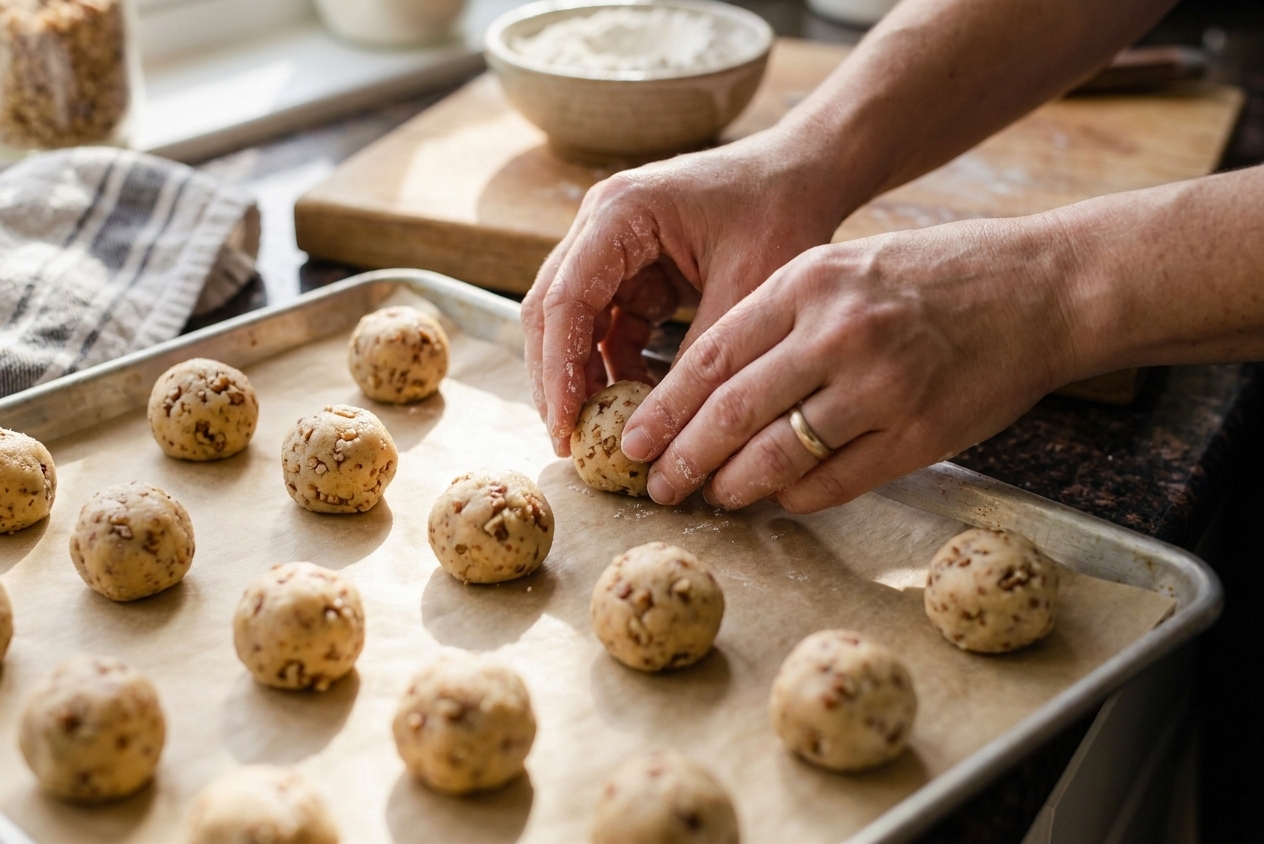
Yes. Toast the nuts up to a few days ahead and keep them airtight. You can also chill the dough (covered) for up to 24 hours, then scoop and bake as usual.
Any substitutions for allergies or dietary needs?
For nut allergies, you can swap in toasted pumpkin seeds or sunflower seeds, chopped fine, though the flavor will be different. For gluten-free, a 1:1 gluten-free baking blend typically works, but textures vary by brand, so start with a short bake and adjust as needed.