Mom's Best Recipes
Recipe

Japanese Chicken Karaage

Crispy ginger-soy fried chicken with a light potato starch crust and juicy centers, plus an easy Kewpie lemon dip and weeknight-friendly tips.

Author By Matt Campbell
4.8
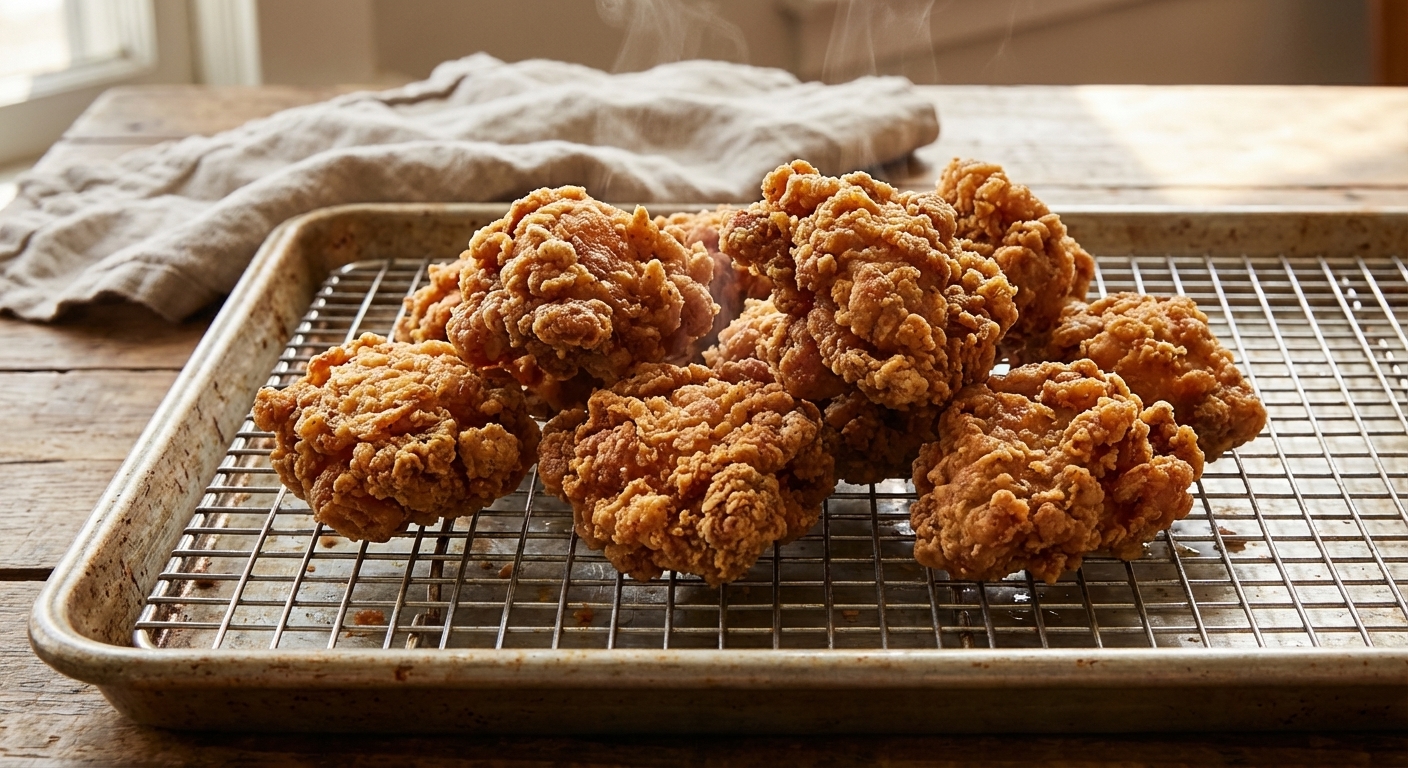
A single plate of Japanese chicken karaage with shatter-crisp golden pieces piled high, a small ramekin of creamy Kewpie lemon dipping sauce, and a lemon wedge on the side, natural window light, real food photography

Karaage is the kind of fried chicken that makes you do that little kitchen lean over the cutting board, like you are trying to hear the crunch better. It is bite-sized Japanese fried chicken, marinated in ginger, garlic, and soy, then coated in potato starch or cornstarch for a thin, craggy shell that snaps instead of getting bready.

This version keeps everything approachable for a home kitchen. We are going for bold flavor without a 12-step process: a quick marinade, an easy dredge, and a fry method you can choose based on your mood. Want maximum shatter? Do a double-fry. Want fast and still very crispy? Do a single high-heat fry and call it a win.

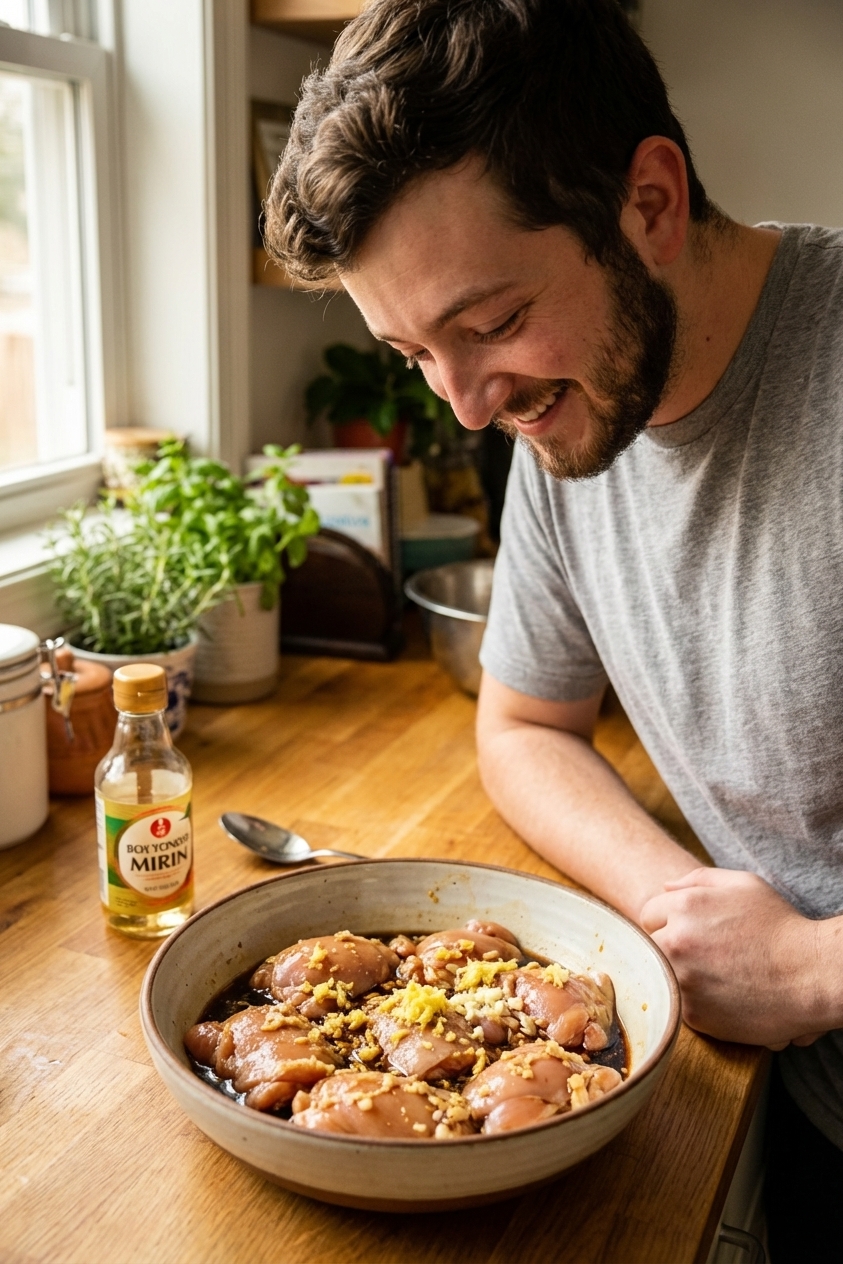
Boneless chicken thigh pieces sitting in a bowl with soy sauce, grated ginger, minced garlic, and a splash of mirin, ready to marinate on a kitchen counter, real food photography

Why It Works

  • Juicy chicken that tastes seasoned throughout: Thighs plus a ginger-garlic-soy marinade means flavor goes beyond the surface, not just on the crust.
  • Light, crisp coating: Potato starch (or cornstarch) creates a thin, crackly shell that often stays crisp longer than flour.
  • Choose-your-own crunch level: Double-fry for shatter-crisp crunch, or single high-heat fry for weeknight speed.
  • No mystery ingredients required: Soy sauce, ginger, garlic, and a few pantry staples get you there.
  • Dipping sauce that makes it a problem: Kewpie mayo plus lemon is bright, rich, and hard to stop eating.

Pairs Well With

Storage Tips

How to Store and Reheat Karaage

  • Fridge: Cool completely, then store in an airtight container for up to 3 days. If you can, line the container with a paper towel to catch condensation.
  • Freeze: Freeze fully cooled karaage on a sheet pan until solid, then transfer to a freezer bag. Good for up to 2 months.
  • Best reheat (crisp edges): Air fryer at 375°F for 6 to 10 minutes, shaking once. Or oven at 425°F on a wire rack for 10 to 14 minutes.
  • Avoid: Microwaving if you care about crunch. It will still taste good, but the crust goes soft fast.

Pro tip: If leftovers seem a little dry, hit them with a tiny squeeze of lemon right after reheating. It wakes everything up.

Allergen notes

  • Contains: soy (and egg if using mayo)
  • Gluten-free option: use tamari and gluten-free mirin and sake

Common Questions

Common Questions

What is karaage, exactly?

Karaage is Japanese fried chicken (and sometimes other proteins) that is marinated, lightly coated in starch, then fried until crisp. The vibe is snackable, juicy, and very crunchy.

Potato starch vs cornstarch, which is better?

Potato starch gives the most classic karaage crunch and a slightly puffier, lighter crust. Cornstarch is easier to find and still gets you very crispy results. Either works. If you have both, try a 50-50 blend for a nice balance.

Do I have to use chicken thighs?

Thighs are more forgiving and stay juicy. You can use chicken breast, but cut it slightly larger and be strict about not overcooking. Breast goes from perfect to dry in a blink.

How long should I marinate?

Minimum 20 minutes, ideal 45 to 90 minutes. Longer than 4 hours is not my favorite because the salt can firm up the texture too much.

Why is my coating falling off?

Usually one of these: the oil is not hot enough, you moved the chicken too early, or the pieces were too wet. Let excess marinade drip off, toss thoroughly in starch, and do not touch the chicken for the first minute of frying.

Can I shallow-fry instead of deep-fry?

Yes. Karaage works great with about 1 inch of oil in a heavy pan. Just know temperature management is a little trickier than deep-frying, so keep batches small and let the oil come back up to temp between rounds.

What oil temperature should I aim for?

For double-fry: first fry at 325°F, second fry at 350 to 375°F. For single high-heat: keep it around 350°F and fry until deep golden and cooked through.

Is 165°F the final temp?

165°F is the safe minimum. If you like a slightly more tender thigh bite, you can take thighs to 170 to 175°F without drying them out.

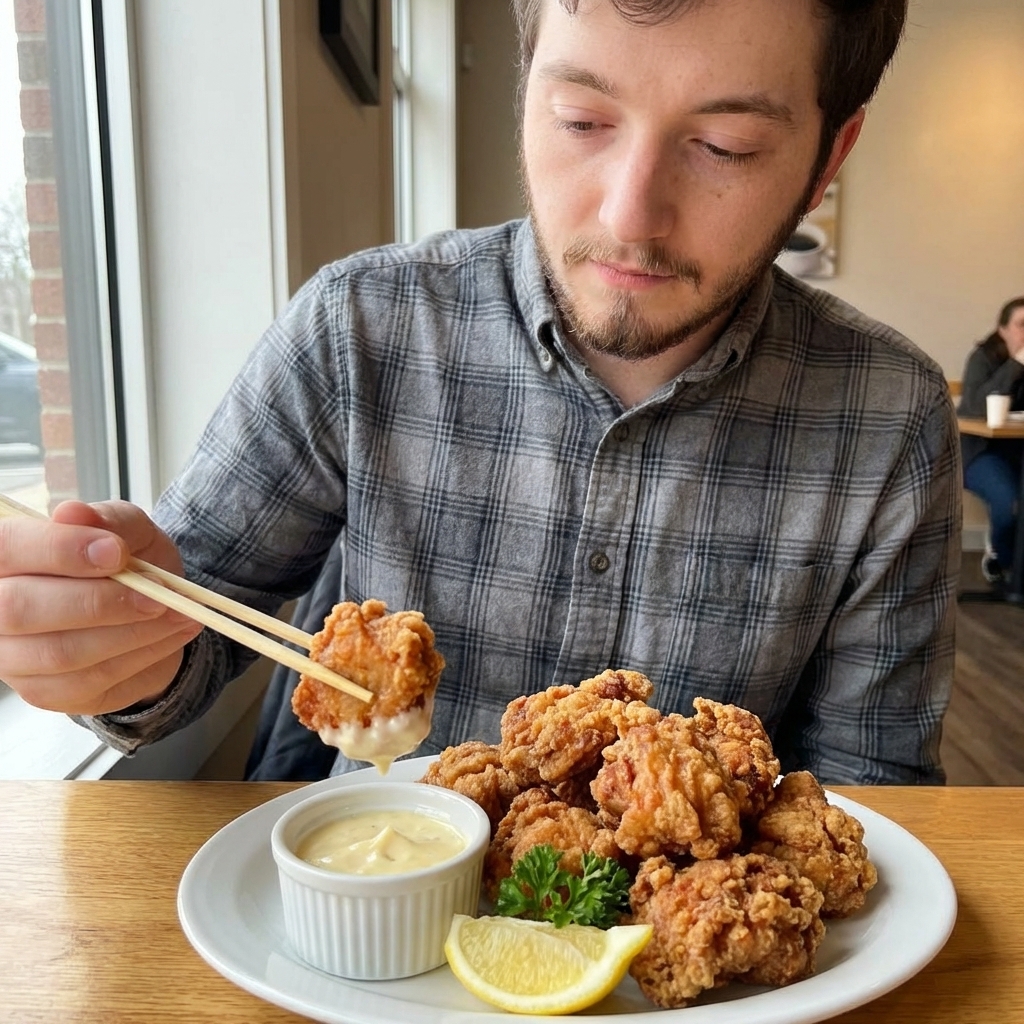
The first time I tried making karaage at home, I treated it like regular fried chicken and reached for flour. It was fine, but it was not that clean, crackly crunch I wanted. The moment I switched to potato starch, everything clicked. The crust turned into this light armor that still let the ginger and soy come through.

Now it is my go-to “I want something fun, but not a whole production” dinner. I put on rice, shred some cabbage, and fry in small batches while pretending the kitchen chaos is part of the plan. It is.