Mom's Best Recipes
Recipe

Japanese Soufflé Pancakes

A fluffy tall stack made with whipped egg whites and a low-and-slow, covered cook for stable, cloud-soft pancakes.

Author By Matt Campbell
4.8
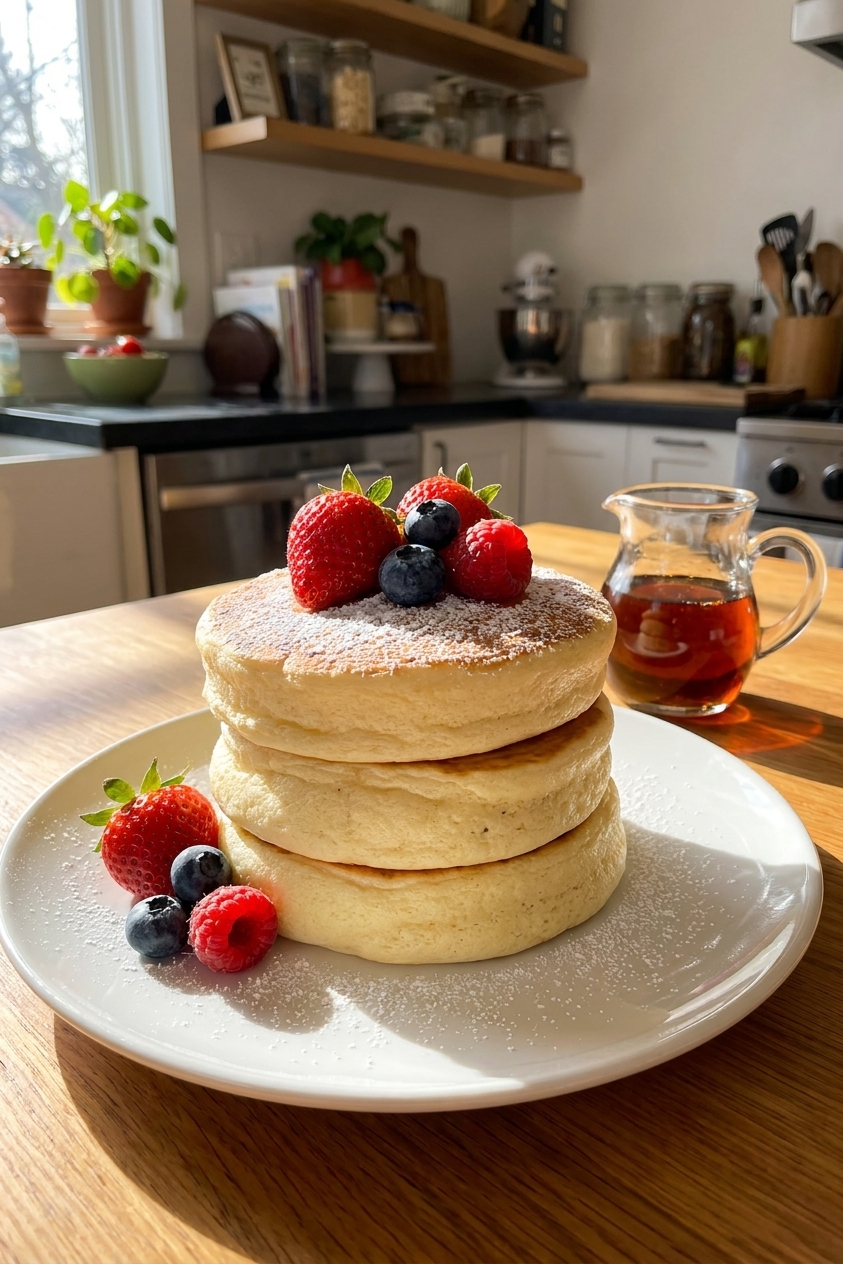
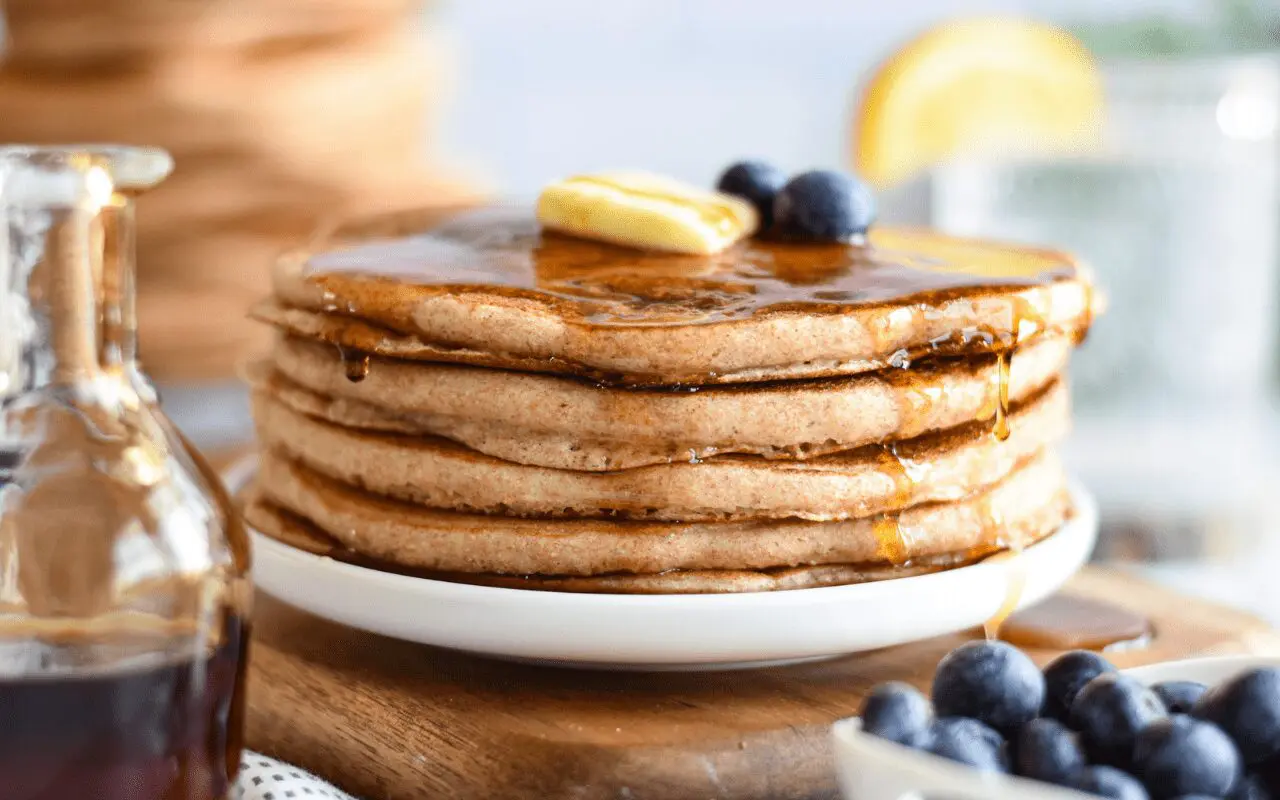
A real photograph of a tall stack of Japanese soufflé pancakes on a white plate, lightly dusted with powdered sugar, topped with a few fresh berries, with a small pitcher of maple syrup in the background on a sunlit kitchen table

Japanese soufflé pancakes are the softest flex you can pull at breakfast. They're tall, jiggly, and somehow both airy and rich, like a pancake that took a deep breath and decided to live its best life.

The trick isn't magic ingredients. It's meringue plus patience. You whip egg whites for lift, fold them into a simple yolk batter, then cook the pancakes low and slow with a lid so the centers set without the outsides burning. If you've ever made pancakes that looked perfect then collapsed into sad little discs, don't worry. This recipe is built to keep their structure, and I'll tell you exactly where heat and timing usually go sideways.

Plan on a cozy kitchen pace. You're not flipping a whole griddle full at once. You're babysitting a small stack, and that's kind of the point.
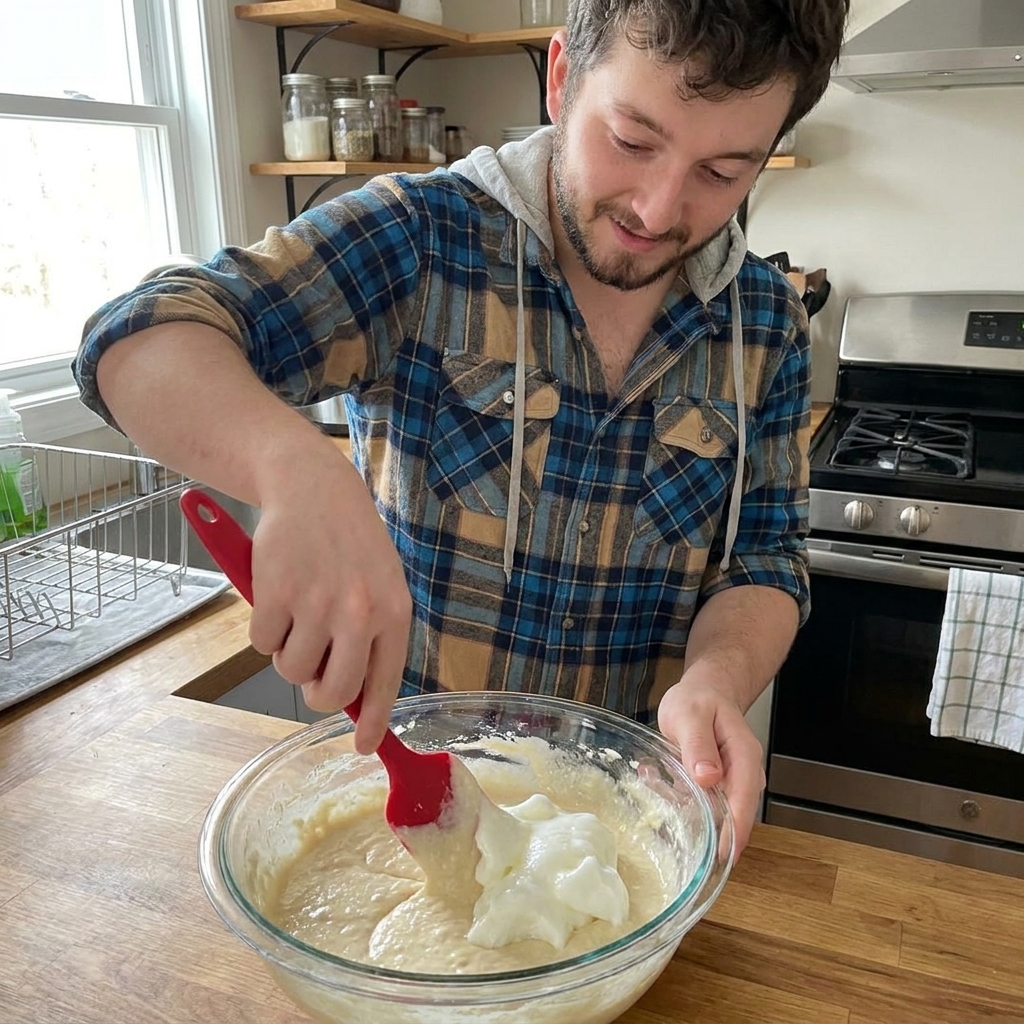
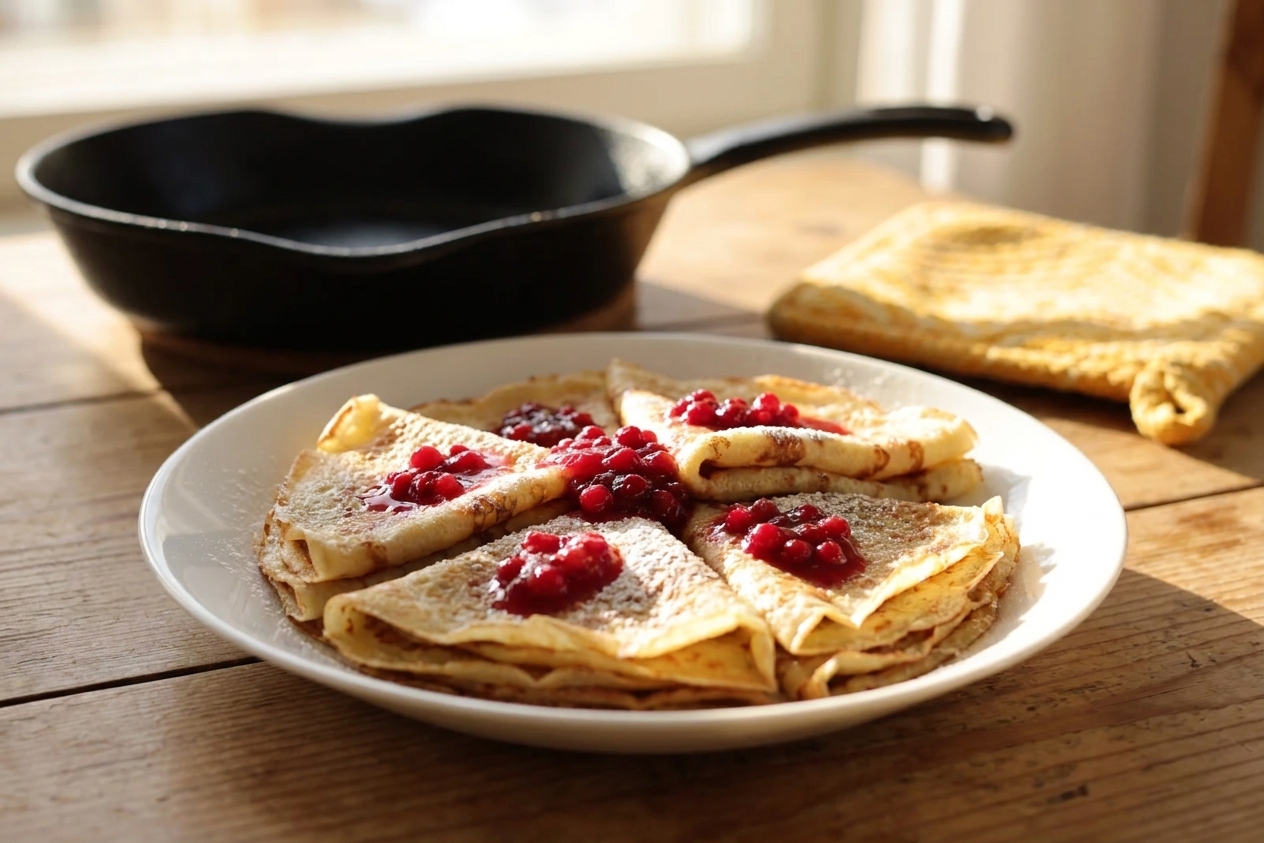
A real photograph of a glass mixing bowl with glossy whipped egg whites and a silicone spatula folding them into pale pancake batter on a kitchen counter

Why It Works

  • Whipped egg whites create the height, giving you that signature tall stack without relying on tons of baking powder.
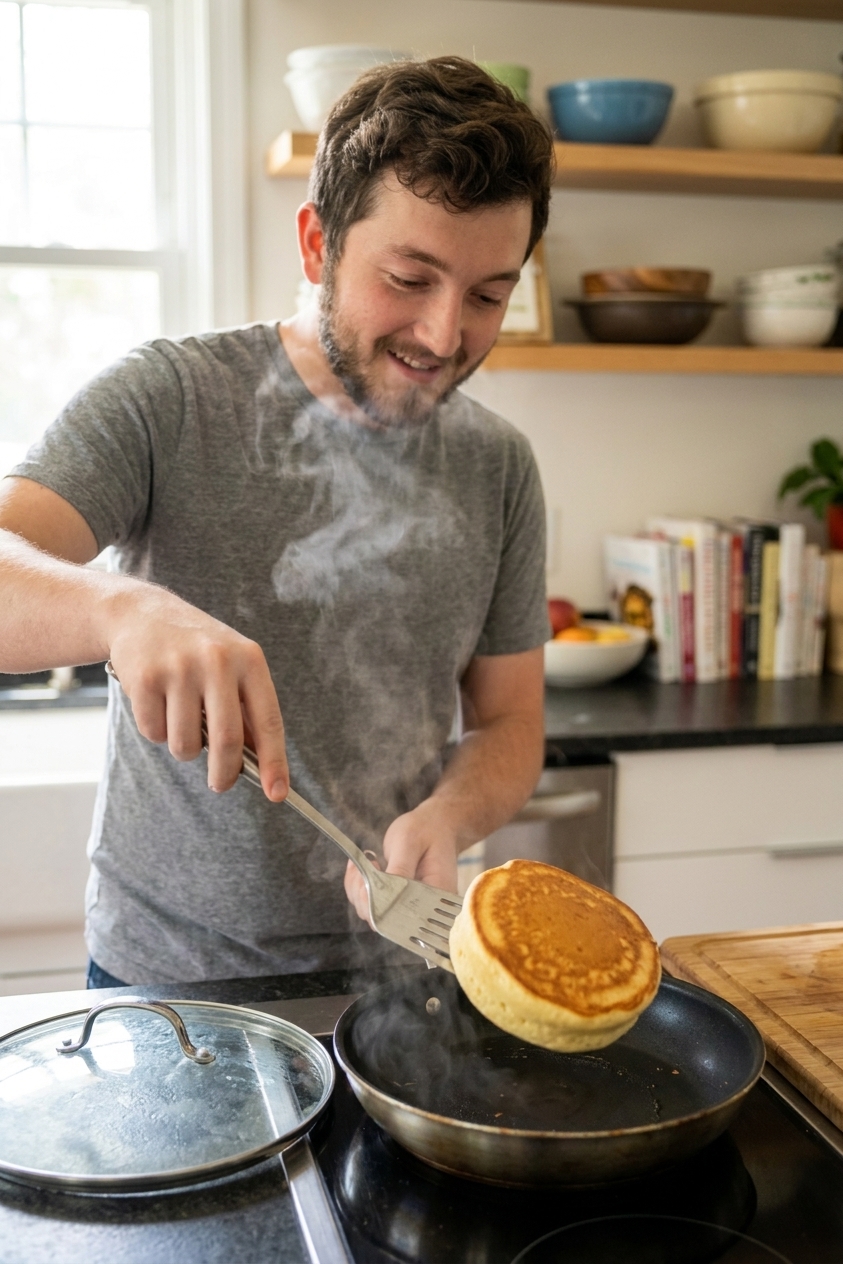
  • Low heat plus a lid gently steams the interior so the pancakes set all the way through and don't slump.
  • Ring molds are optional, but a thick batter and a two-stage cook (steam, then flip) still delivers impressive lift.
  • Timing cues are built in so you know when to add water for steam, when to flip, and when to stop cooking before they dry out.
  • Flavor stays classic: vanilla, a little sugar, a pinch of salt, and room for toppings like berries, whipped cream, maple syrup, or a bright fruit sauce.

Pairs Well With

Storage Tips

Soufflé pancakes are at their best right off the pan. The whole vibe is lift and steam, and both fade as they sit. That said, you can absolutely save them.

Fridge

  • Cool completely, then store in an airtight container with parchment between pancakes.
  • Keep up to 2 days.

Freezer

  • Freeze in a single layer on a sheet pan until firm, then transfer to a freezer bag.
  • Keep up to 1 month for best texture.

Reheating

  • Microwave (fastest): 10 to 20 seconds per pancake, just until warm. Overdoing it makes them rubbery.
  • Skillet (best texture): Low heat with a lid, 1 to 2 minutes per side. Add a tiny splash of water to the pan and cover to re-steam.

Common Questions

Do I need ring molds?

No, but they help a lot. If you skip them, keep the batter thick, cook on very low heat, and build height by adding a second spoonful of batter on top after the first minute of cooking.

Should I remove the ring molds before flipping?

Sometimes, yes. Once the first side is set and the pancake can hold its shape, you can lift the rings off (especially if they are tall or metal) to make flipping easier. If the batter still looks loose, leave them on a little longer.

Why did my pancakes deflate?

The usual suspects are overmixed batter (meringue knocked out), heat too high (outside sets before the inside, then it collapses), or underwhipped egg whites (a soft foam can't hold structure). Also, don't let the batter sit around. Cook as soon as you fold.

What is the best pan temperature?

Think low. On most stoves that's low to medium-low. If your butter browns instantly or the pancakes darken fast, you're too hot. These should cook gently with minimal browning at first.

Can I make the batter ahead?

I wouldn't. Meringue starts losing volume as it sits, and you'll lose the tall stack effect. You can pre-measure your dry ingredients and separate eggs in advance, then whip right before cooking.

Can I use pancake mix?

You can, but results are less consistent because mixes vary. This recipe is basically pantry staples anyway, and it's more reliable for structure.

How do I know they are cooked through?

The tops should look matte, the sides should feel set (not wobbly liquid batter), and a gentle press should spring back. If you're a numbers person, aim for an internal temp around 190 to 200°F (88 to 93°C). If in doubt, keep the heat low and give them another 1 to 2 minutes covered.

The first time I tried making soufflé pancakes, I treated them like regular pancakes with a little extra whisking. They puffed up, looked incredible for about thirty seconds, and then slumped like they remembered an embarrassing memory.

What finally clicked was that this isn't a rush job. The heat has to be gentle, the batter has to be handled like it's made of bubbles (because it is), and the lid isn't optional. Now I make them when I want a weekend breakfast that feels a little ridiculous in the best way. The kind of breakfast that makes everyone hover around the stove like it's a live show.