Mom's Best Recipes
Recipe

Japanese Soufflé Pancakes

Thick, jiggly stacks made with a whipped meringue batter, gently steamed on the griddle for maximum height.

Author By Matt Campbell
4.8 (214)
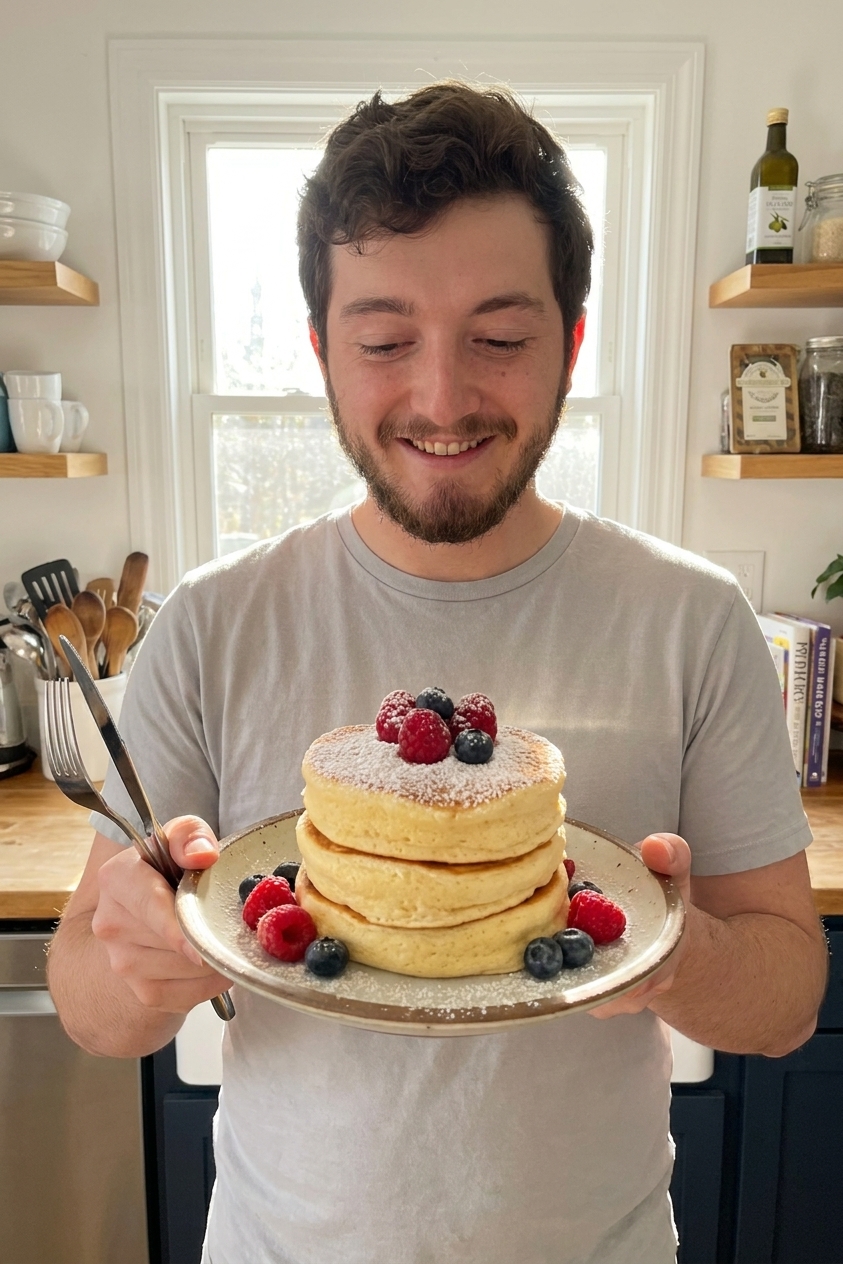
A real photograph of three tall Japanese soufflé pancakes stacked on a plate with powdered sugar and berries, sunlight coming through a kitchen window

If pancakes had a fancy, airy cousin who still showed up in sweatpants, it would be Japanese soufflé pancakes. They are tall, bouncy, and weirdly soothing to watch wiggle, like your brunch is quietly doing a little dance. The secret is simple: a sturdy meringue folded into a lightly sweet batter, then a low-and-slow cook with a little steam to puff everything up.

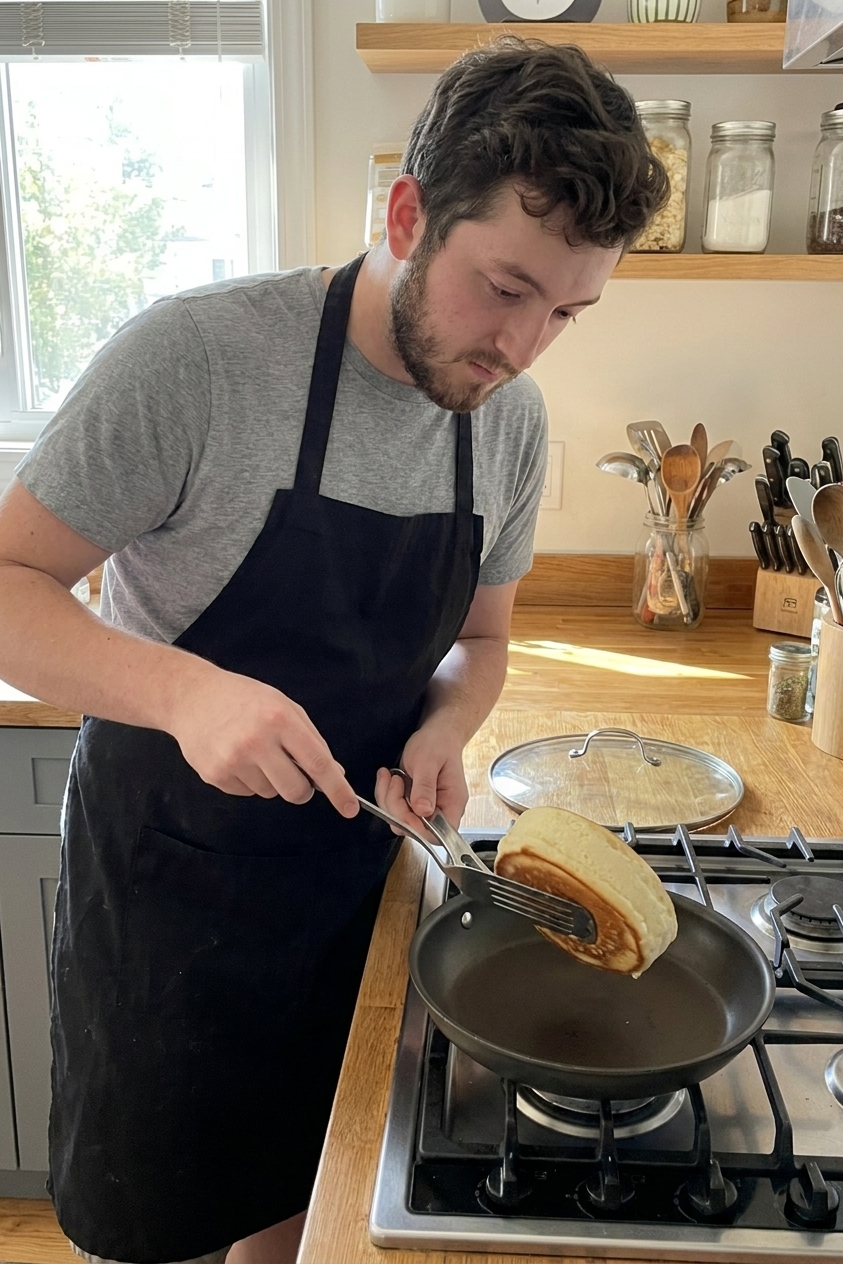
This is not a “flip fast and hope” situation. It is a “be patient, sip coffee, trust the lid” situation. I will walk you through two ways to nail the height, a ring-mold method and a no-ring lid-steam method, plus exact cook times so you are not guessing while your pancakes deflate in real time.
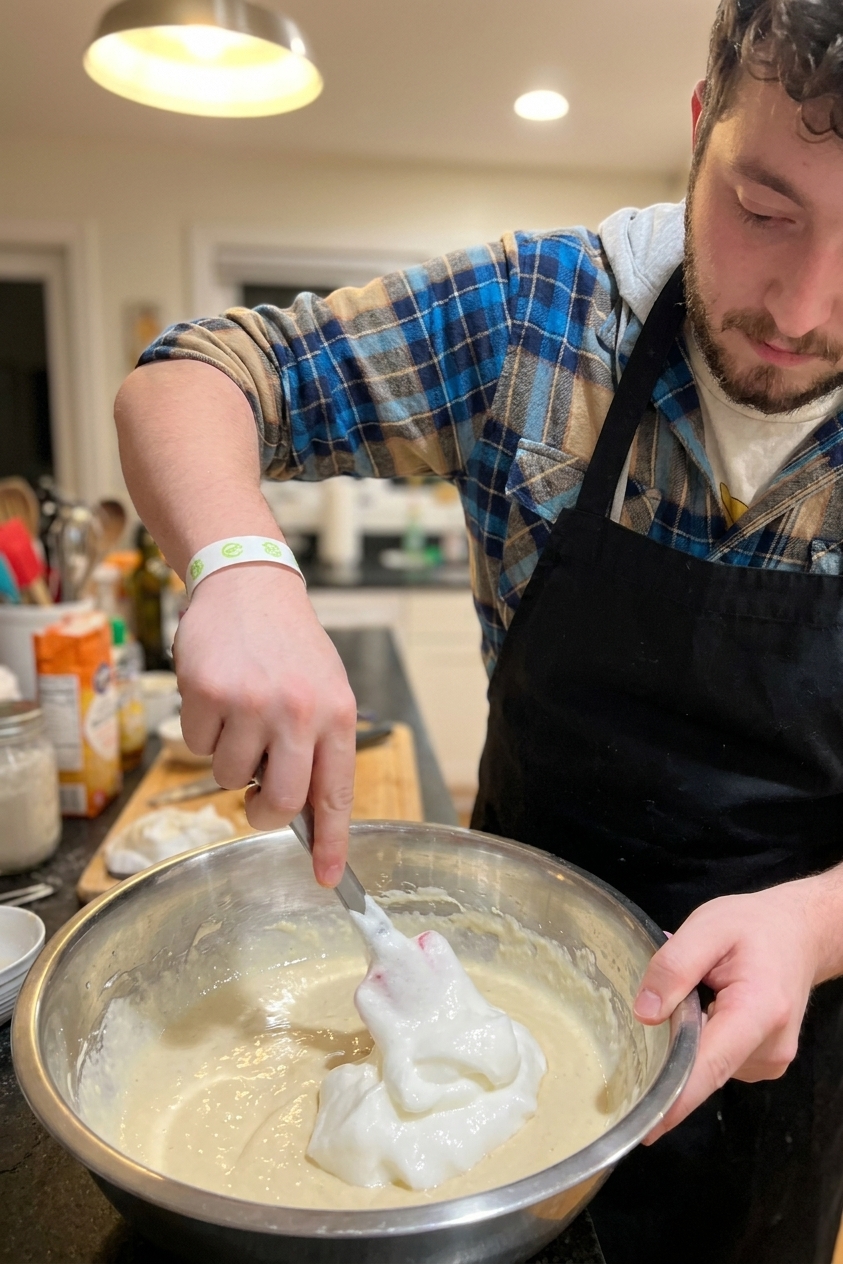
A real photograph of a hand folding glossy whipped egg white meringue into pale pancake batter in a stainless steel mixing bowl

Why It Works

  • Cloudy height without collapse: A stable meringue and the right fold keep the batter airy, not runny.
  • Even cooking with a tender center: Low heat plus a measured steam phase cooks the inside before the outside turns too dark.
  • Accessible ingredients: No specialty flours required. You can do this with pantry basics.
  • Two cooking options: Use ring molds for easy stacks, or go mold-free and rely on careful piling and a lid.

Pairs Well With

Storage Tips

Soufflé pancakes are best right off the skillet, but if you have leftovers, here is the least-sad way to handle them.

Refrigerate

  • Cool promptly and refrigerate within 2 hours.
  • Once cool, store in an airtight container with parchment between pancakes.
  • Refrigerate up to 2 days. They will lose some height; that is normal.

Reheat

  • Microwave: 15 to 20 seconds per pancake, just until warm. Cover with a damp paper towel to keep them soft.
  • Skillet: Low heat, 1 to 2 minutes per side with a lid. Add 1 teaspoon water to the pan before covering to re-steam.
  • Oven: 300°F for 6 to 8 minutes, loosely covered with foil.

Freeze (not my favorite, but workable)

  • Freeze in a single layer until firm, then bag with parchment between. Freeze up to 1 month.
  • Thaw overnight in the fridge, then reheat using the skillet lid-steam method.

Common Questions

Why did my soufflé pancakes deflate?

The big three culprits are: under-whipped meringue, over-mixing when folding, or cooking too hot so the outside sets before the inside can support the rise. Aim for stiff, glossy peaks, fold gently, and keep the skillet on low.

Do I need ring molds?

No, but they make life easier. Without rings, you will build height by piping or spooning batter in two additions (a base, then a second mound) and steaming with a lid so the stack sets upward instead of spreading outward.

Can I make the batter ahead of time?

Not really. Once you fold in meringue, the clock starts. For best jiggle and height, cook within 10 minutes of folding. If you must cook in two batches, keep the bowl covered and cool, then fold 2 to 3 gentle turns right before scooping the second batch (do not “stir it back to life”).

What heat level should I use?

Low. If your stove runs hot, use medium-low at most. If you have an infrared thermometer, a rough target is around 300°F to 325°F, but IR readings can be finicky on dark nonstick surfaces. The better cue is this: the pan should not sizzle aggressively, and a drop of water should evaporate gently, not snap and spit.

What toppings work best?

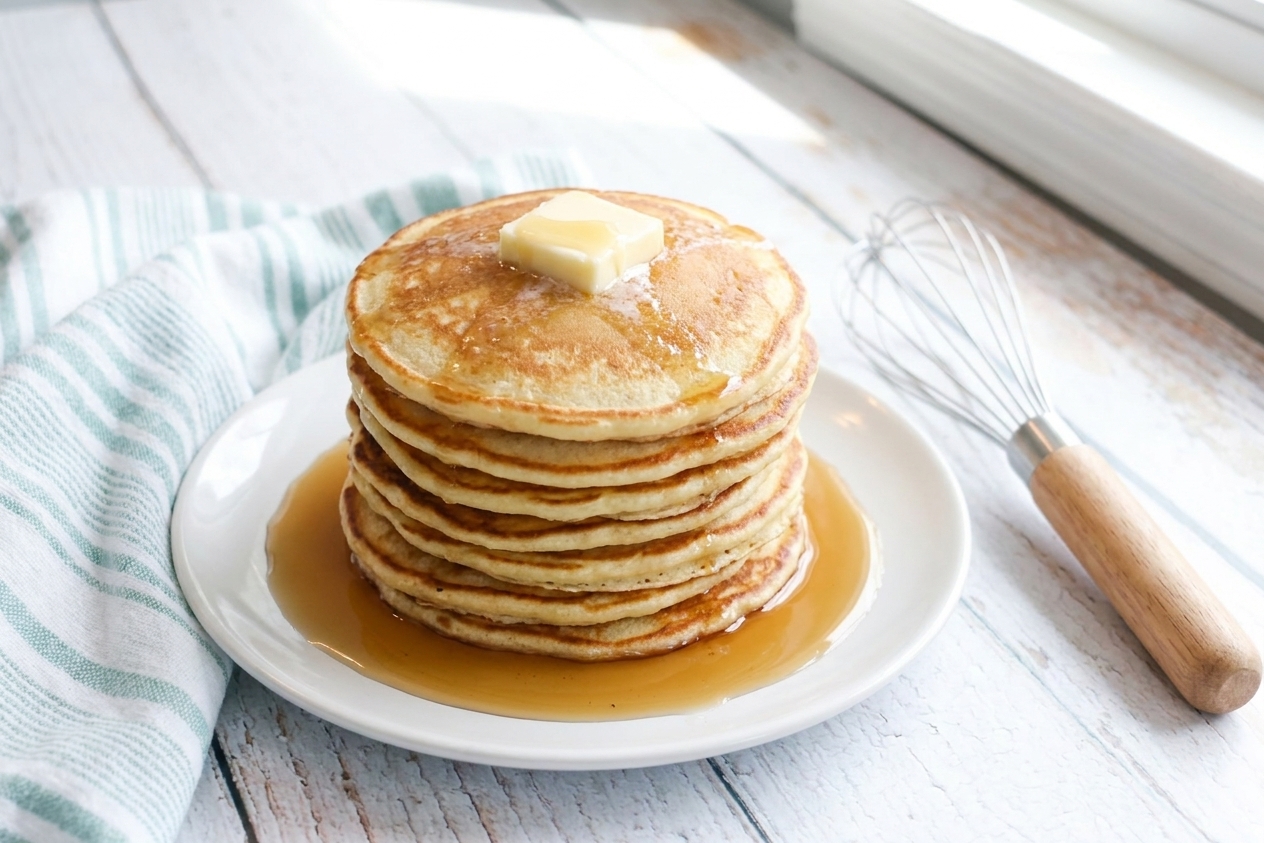
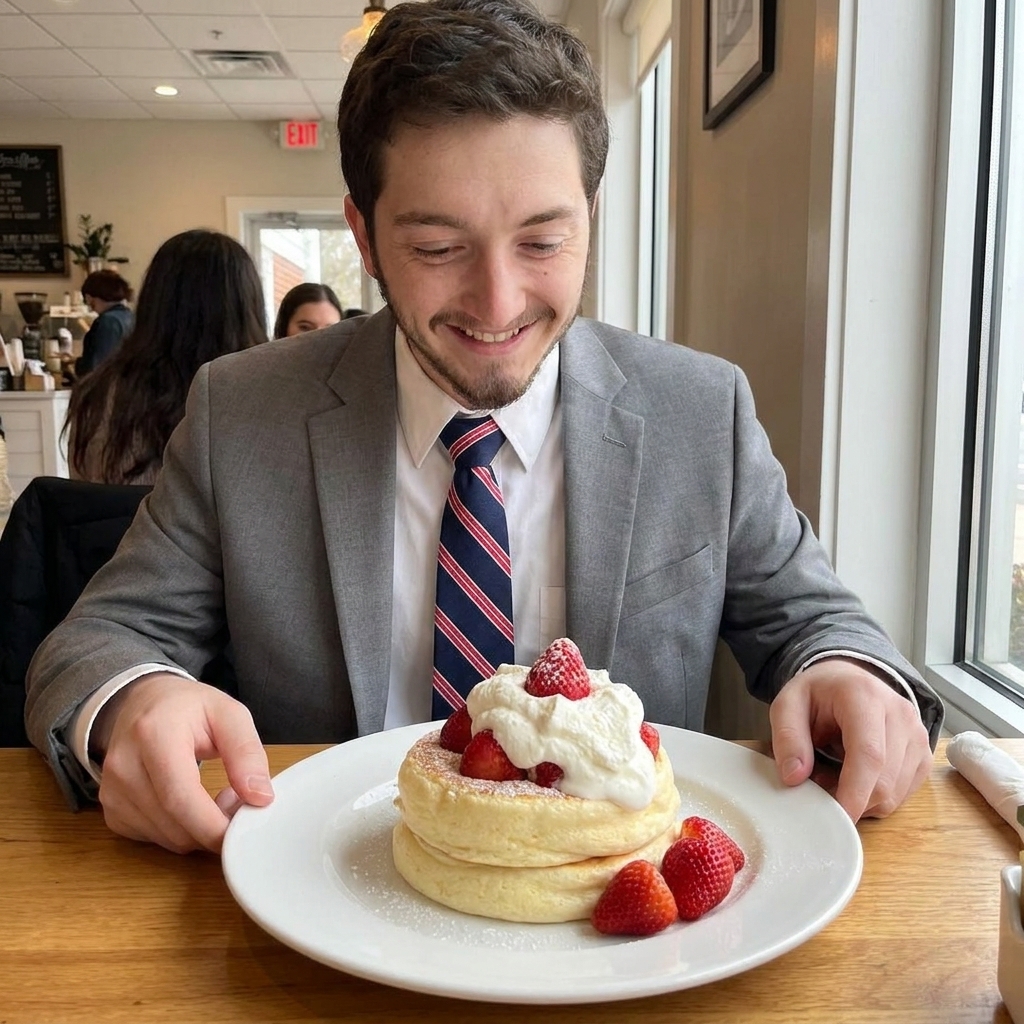
Go classic with butter and maple syrup, or lean into Japanese café vibes with whipped cream and strawberries. Anything too heavy (like thick nut butter straight from the jar) can compress the pancakes, so warm it or thin it first.

A real photograph of Japanese soufflé pancakes topped with a dollop of whipped cream and fresh strawberries on a white plate

The first time I tried making these, I treated them like normal pancakes and got… sweet little hockey pucks with self-esteem issues. The second time, I slowed down, whipped the meringue like it owed me money, and actually used a lid. Suddenly I had these tall, wiggly stacks that made everyone in the kitchen stop what they were doing and stare for a second. Now they are my favorite “I wonder if…” brunch project, especially when I want something that feels restaurant-fancy without needing restaurant equipment.