Mom's Best Recipes
Recipe

Juicy Baked Chicken Legs

Crispy skin, tender meat, and a smoky sweet spice rub that tastes like you tried harder than you did. A low-drama dinner that always hits.

Author By Matt Campbell
4.8
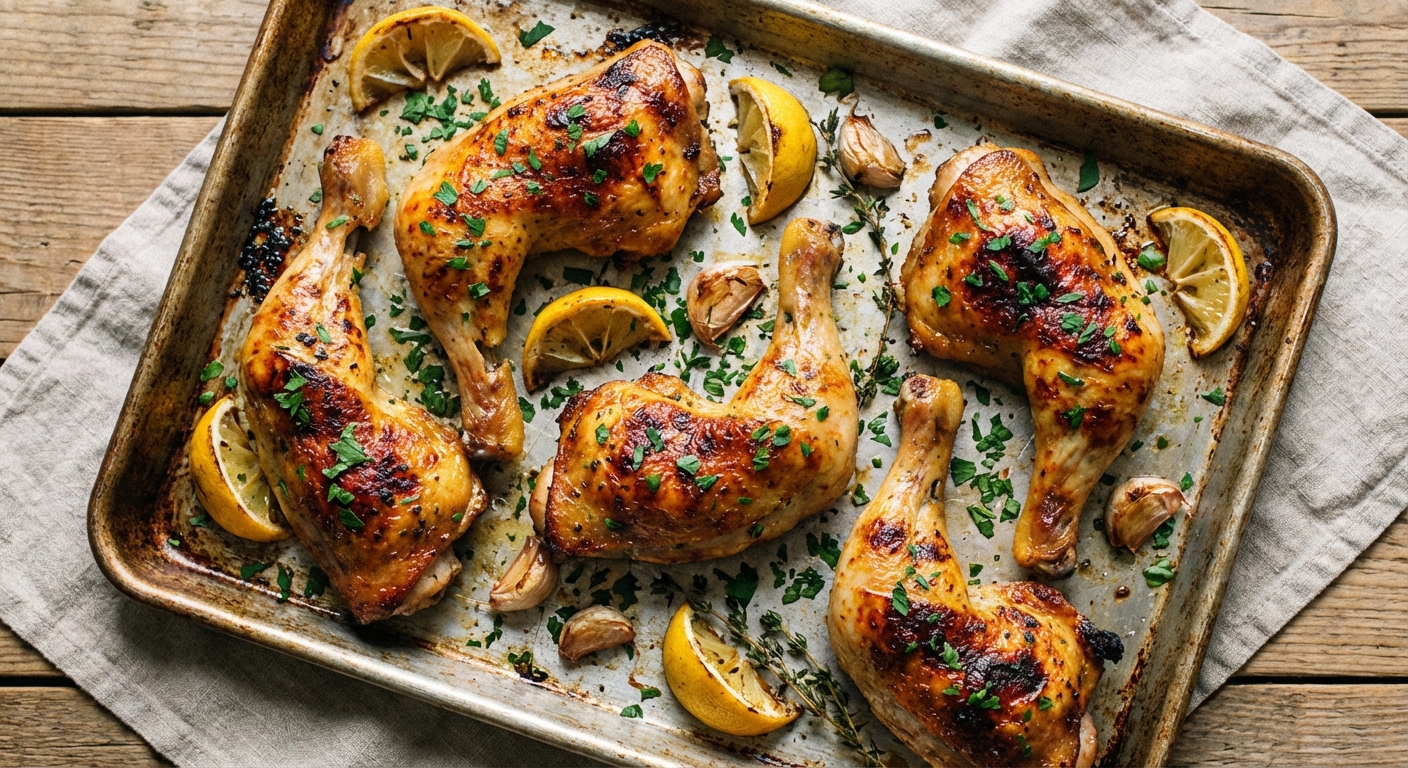
A baking sheet of golden baked chicken legs with crispy skin and caramelized edges, garnished with chopped parsley and lemon wedges

Chicken legs are the weeknight secret weapon: they are forgiving, inexpensive, and basically built for high heat and bold seasoning. This juicy baked chicken legs recipe gives you that perfect combo of crisp, crackly skin and tender, pull-apart meat without frying anything or babysitting a pan.

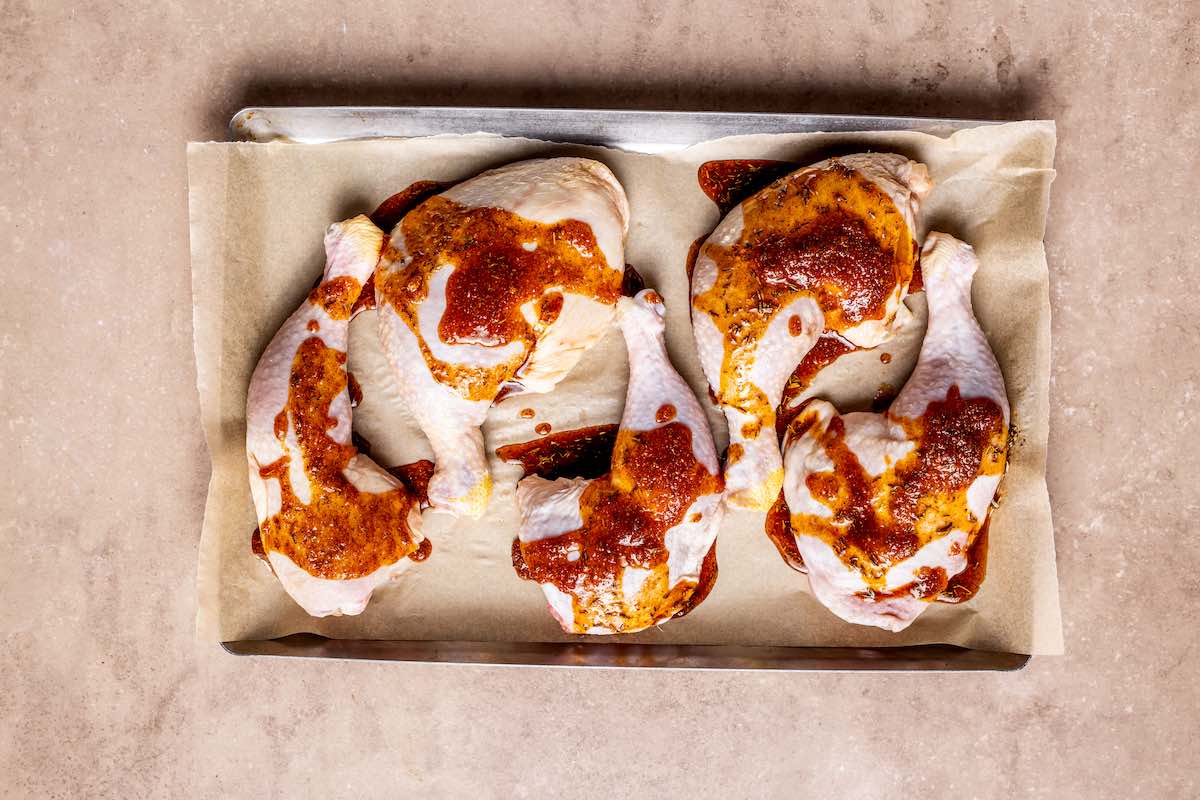
Here is the game plan. We dry the chicken well, hit it with a smoky sweet rub, bake it hot on a rack so air can circulate, then finish with a quick broil if you want extra drama. The result tastes like something you would proudly serve to guests, but it is also the exact kind of meal you can make while answering texts and pretending you have your life together.

Raw chicken legs patted dry and coated in a reddish spice rub on a parchment-lined baking sheet

Why It Works

  • Juicy, not dry: Dark meat stays tender, and baking to the right temperature keeps it that way.
  • Crispy skin without frying: Patting the skin dry plus a little baking powder in the rub helps it blister and brown beautifully.
  • Big flavor with pantry spices: Smoked paprika, garlic, and brown sugar make a rub that tastes like barbecue’s low-maintenance cousin.
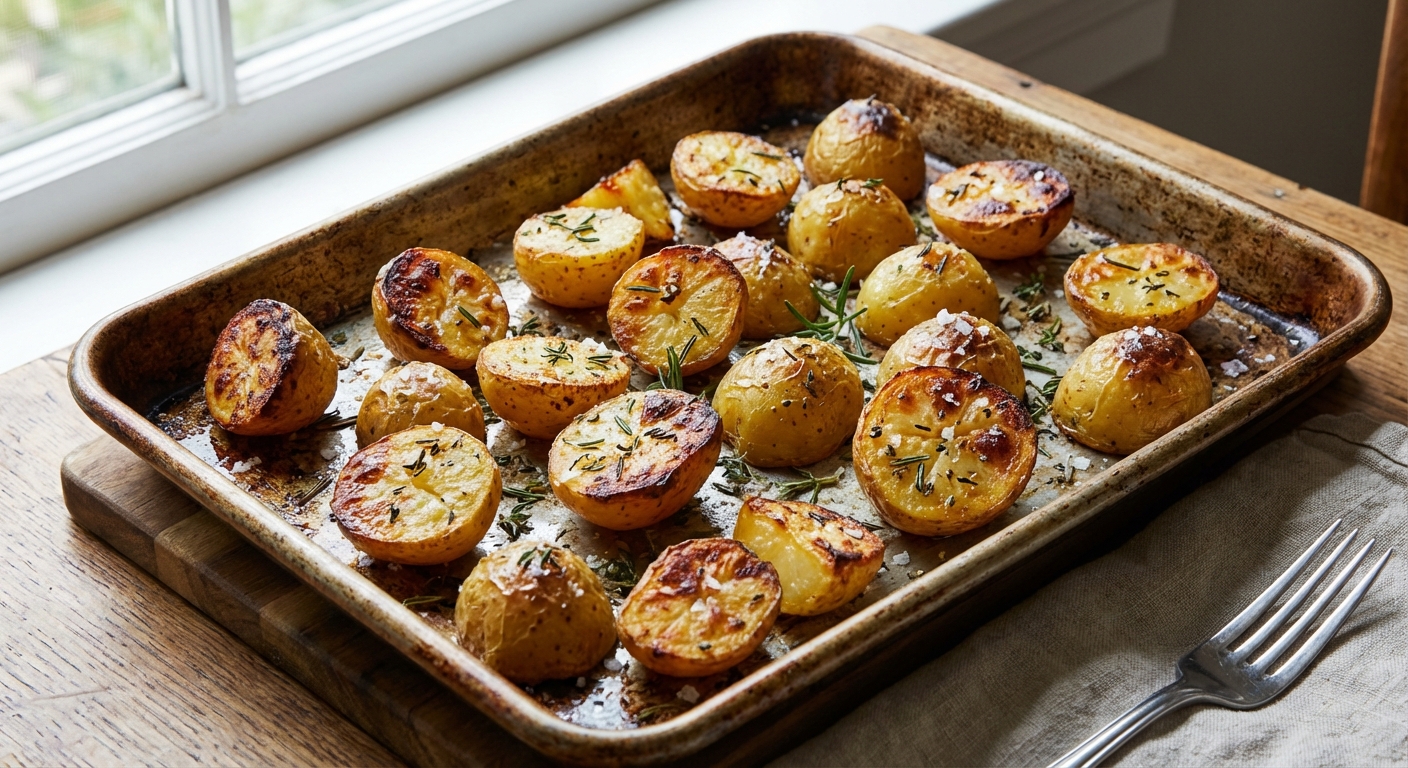
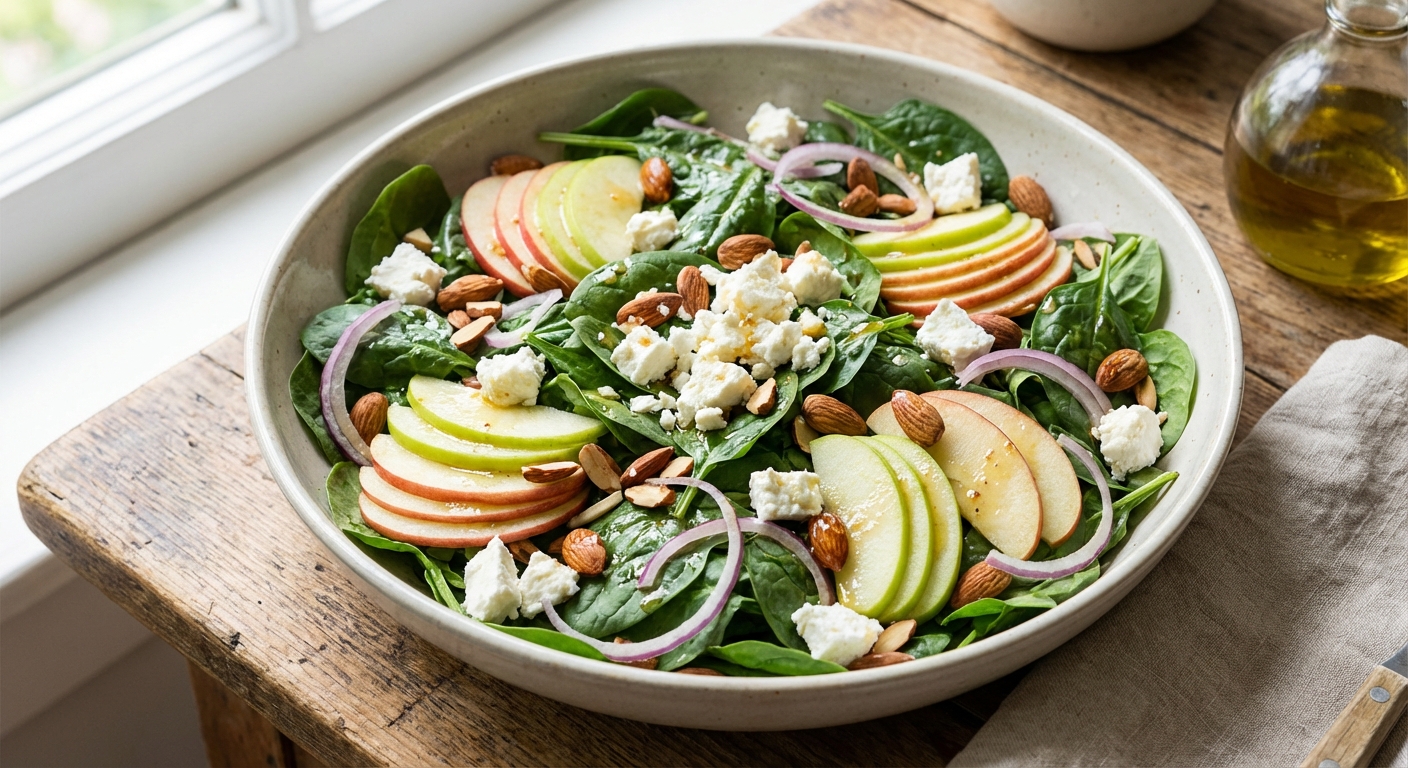
  • Hands-off cooking: Once it is in the oven, you are free to make a salad, roast potatoes, or stare into the fridge like it owes you money.

Storage Tips

How to Store Leftovers

  • Refrigerate: Cool chicken legs for about 20 to 30 minutes, then store in an airtight container up to 4 days. For food safety, do not leave cooked chicken out more than 2 hours (or 1 hour if it is very warm).
  • Freeze: Wrap individually or store in a freezer bag up to 3 months. Thaw overnight in the fridge for best texture.
  • Reheat (best for crispy skin): Bake at 400°F on a sheet pan for 12 to 18 minutes until hot, or until the thickest part reaches 165°F.
  • Reheat (fastest): Microwave in 45 to 60 second bursts. The skin will go soft, but the meat stays juicy.

Leftover glow-up idea: Pull the meat off the bone and toss into tacos, fried rice, or a very convincing “I totally meal prepped” grain bowl.

Common Questions

Common Questions

How long should I bake chicken legs?

At 425°F, most average drumsticks take 35 to 45 minutes, depending on size and whether they start fridge-cold. Start checking at 30 to 35 minutes, and remember convection usually cooks a bit faster.

The real answer is temperature: pull them when the thickest part hits 175°F to 190°F for the best dark-meat texture. (They are safe at 165°F in the thickest part, but legs get noticeably more tender a bit higher.) Probe the thickest part and avoid touching bone for the most accurate reading.

Carryover cooking: Temp can rise a few degrees while resting, so you can pull a little early and let the rest finish the job.

Do I need to flip the chicken legs?

If you use a rack, you usually do not need to flip. If you bake directly on a sheet pan, flipping once halfway through helps brown both sides.

What is the baking powder for? Will it taste weird?

Baking powder (not baking soda) helps dry the skin surface so it crisps better. Use aluminum-free baking powder and keep it to the amount listed. You will not taste it, you will just hear the skin crunch, which is the goal.

Can I use chicken thighs or leg quarters instead?

Yes. Thighs are similar timing, often 30 to 40 minutes at 425°F. Leg quarters take longer, typically 45 to 60 minutes. Same temperature targets apply.

Should I marinate these?

You can, but you do not have to. If you want extra flavor, rub and refrigerate uncovered for up to 24 hours. The uncovered part helps the skin dry out for better crisping.

How do I know they are done without a thermometer?

Look for deeply browned skin, meat pulling slightly from the end of the bone, and juices that run clear. Those can be clues, but they are not foolproof for food safety. A thermometer is the easiest way to avoid the sad timeline where dinner is either undercooked or mysteriously dry.

I started making baked chicken legs during a stretch of life where I wanted dinner to feel like a win, but I also wanted it to require the least amount of emotional effort possible. Drumsticks understood the assignment. They show up cheap, they forgive distractions, and they still deliver that “who made this?” smell from the oven.

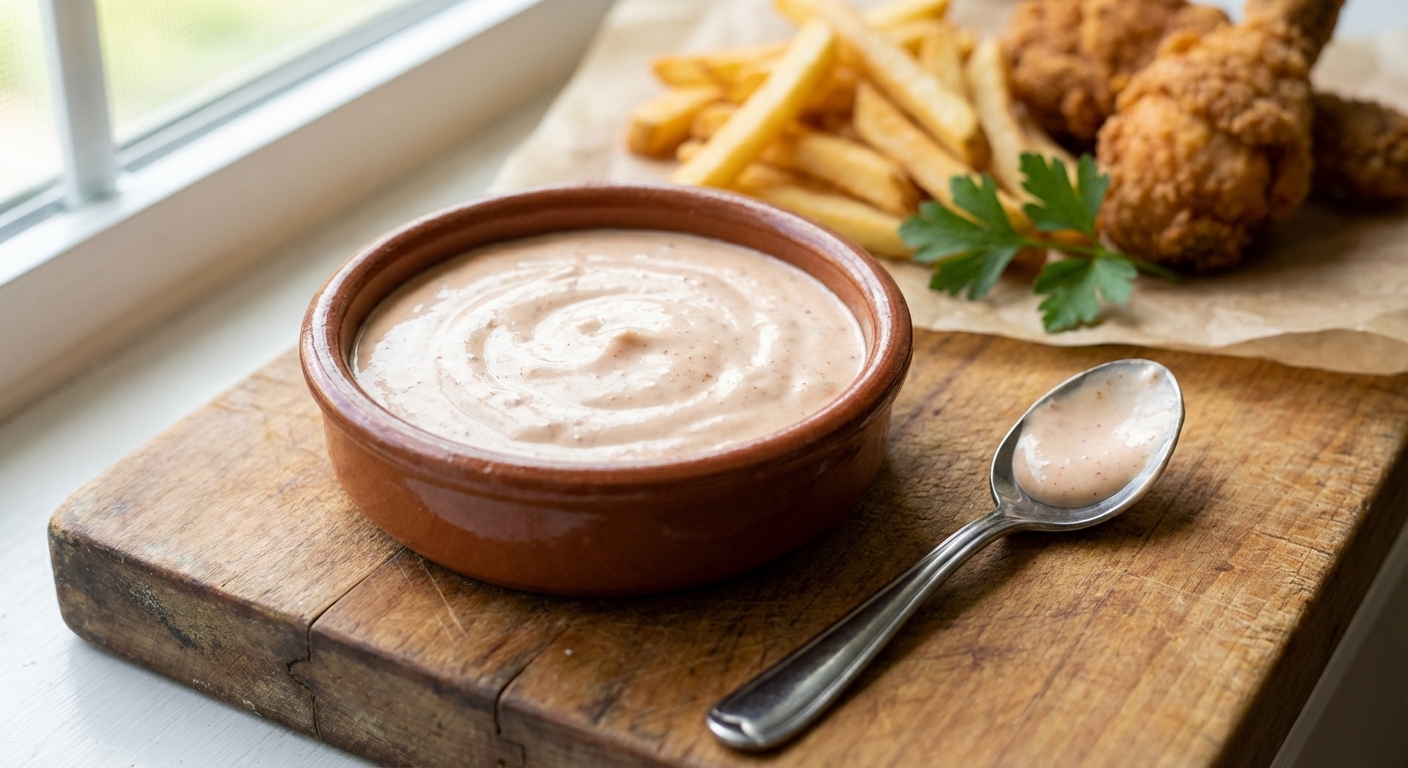
Now I keep this rub on repeat. Some nights it is chicken legs with roasted broccoli. Other nights it is chicken legs with a fancy dipping sauce I invented at 9:47 p.m. because I felt like it. Either way, the crispy skin is non-negotiable, and yes, I absolutely eat one standing at the counter while “checking seasoning.”