Mom's Best Recipes
Recipe

Juicy Bison Burgers

Lean bison, crisp sear, juicy center, and a tangy sauce that makes the whole thing pop.

Author By Matt Campbell
4.8
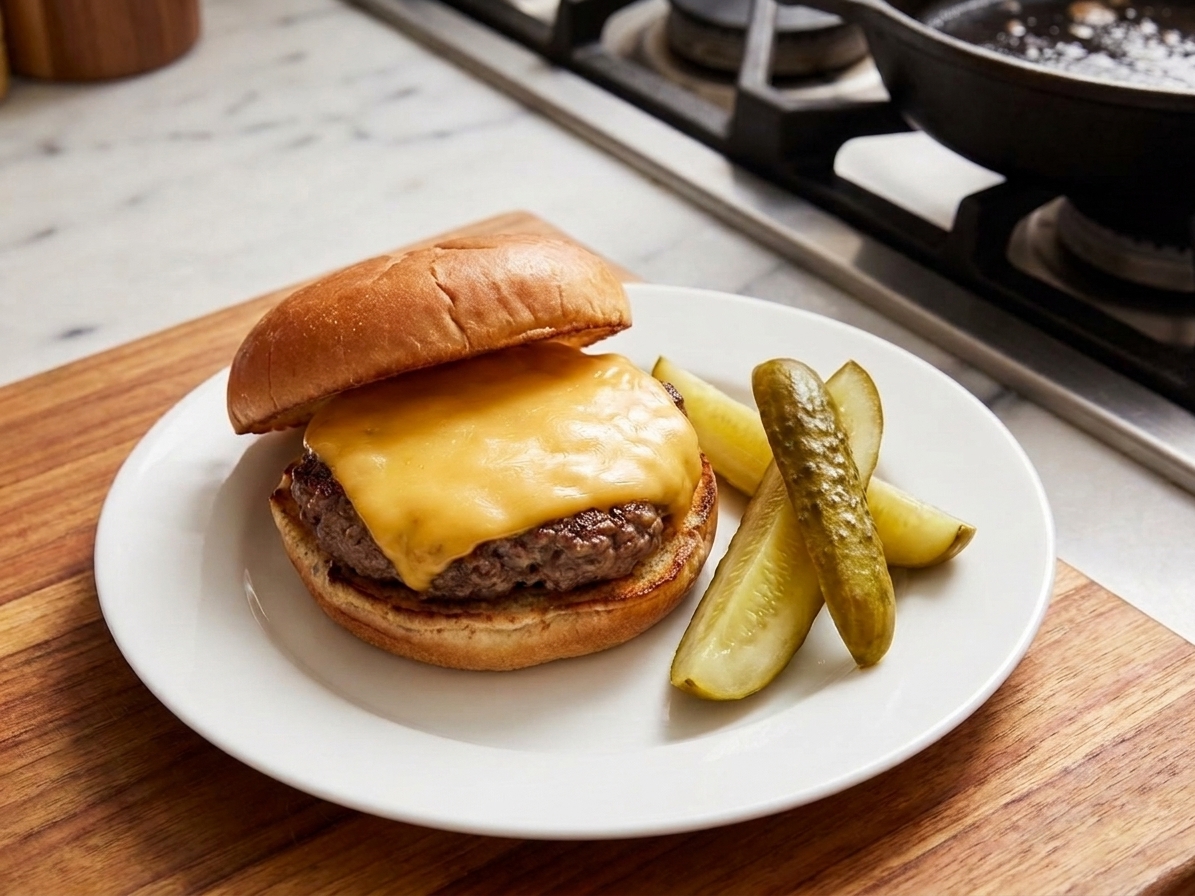
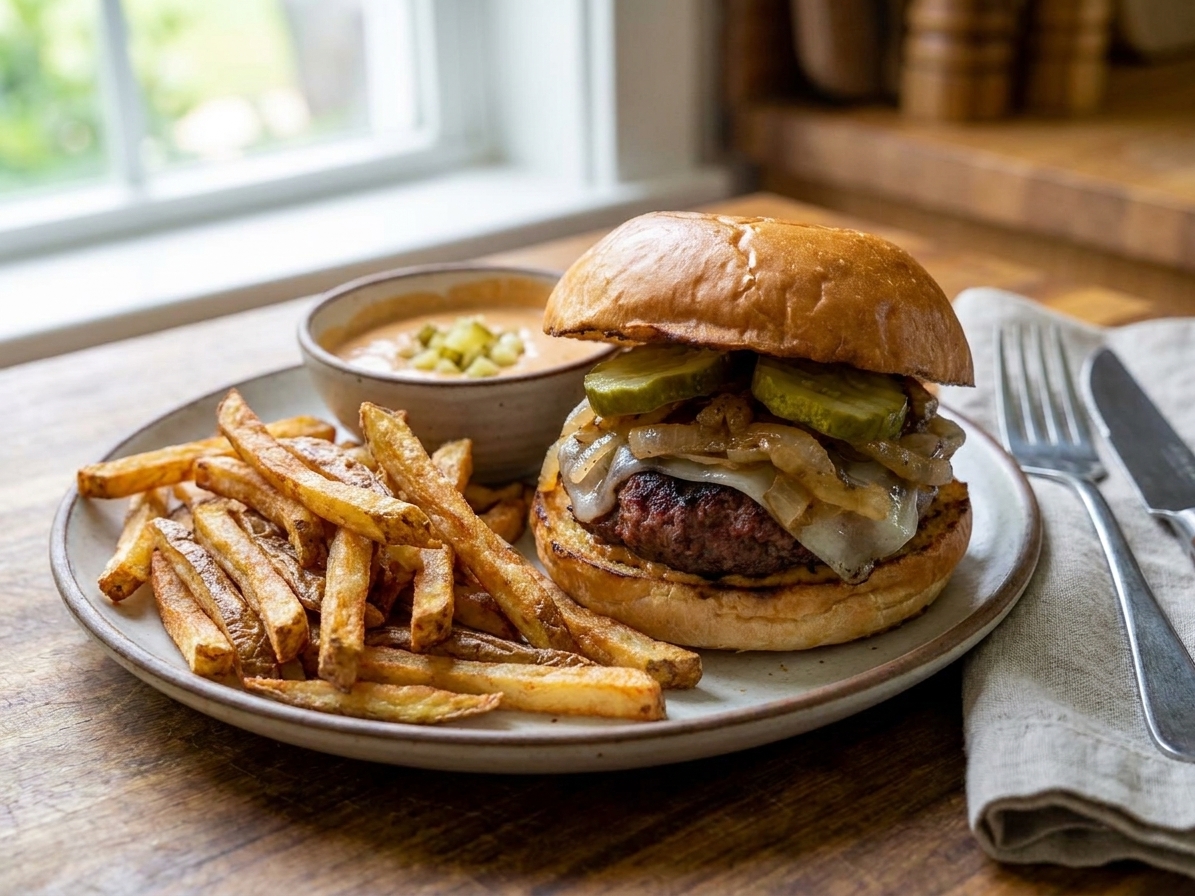
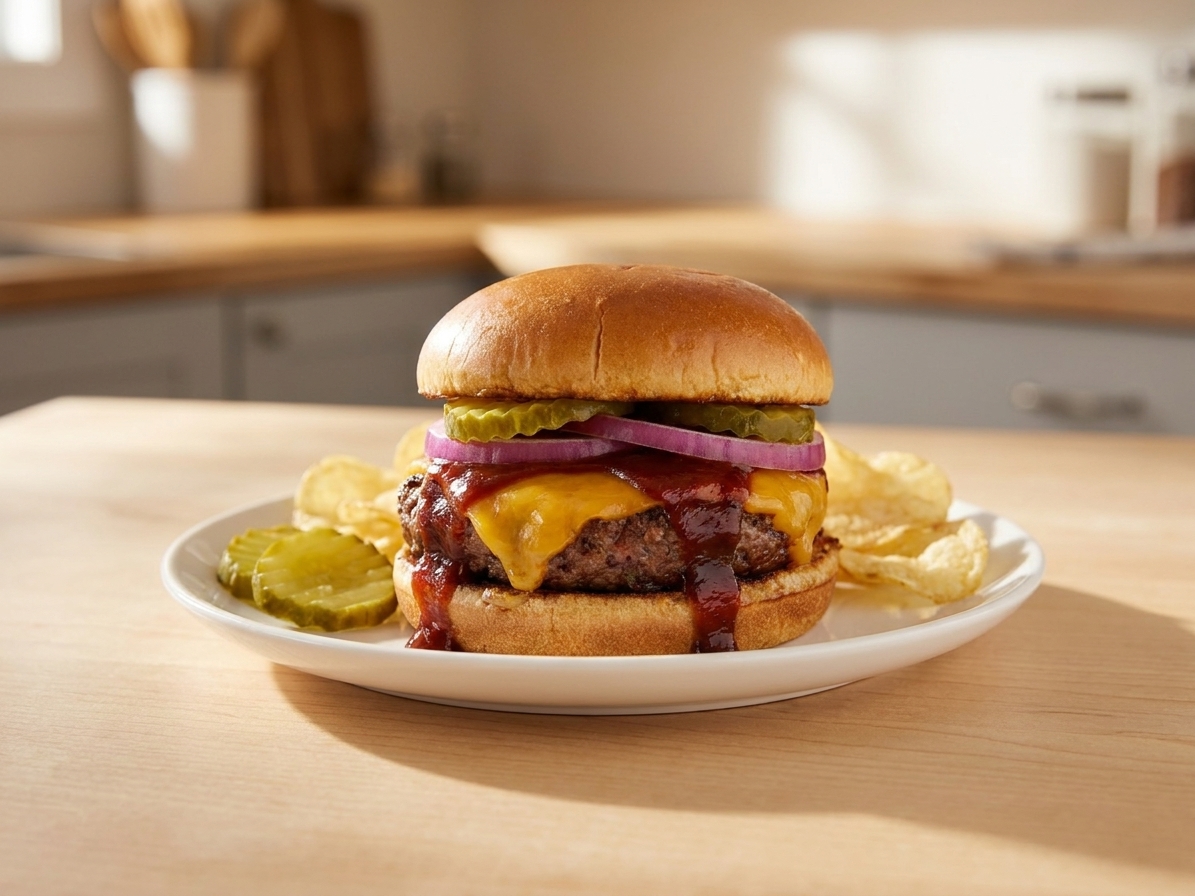
A plated bison cheeseburger on a brioche bun with melted cheddar, pickles, sliced tomato, lettuce, and a smear of tangy sauce on a stoneware plate on a wooden table

Bison burgers are one of my favorite weeknight moves that still feel like you did something. You get that beefy, slightly sweet bison flavor, but because it is lean, you also get the one thing nobody asked for: dryness if you treat it like a regular burger.

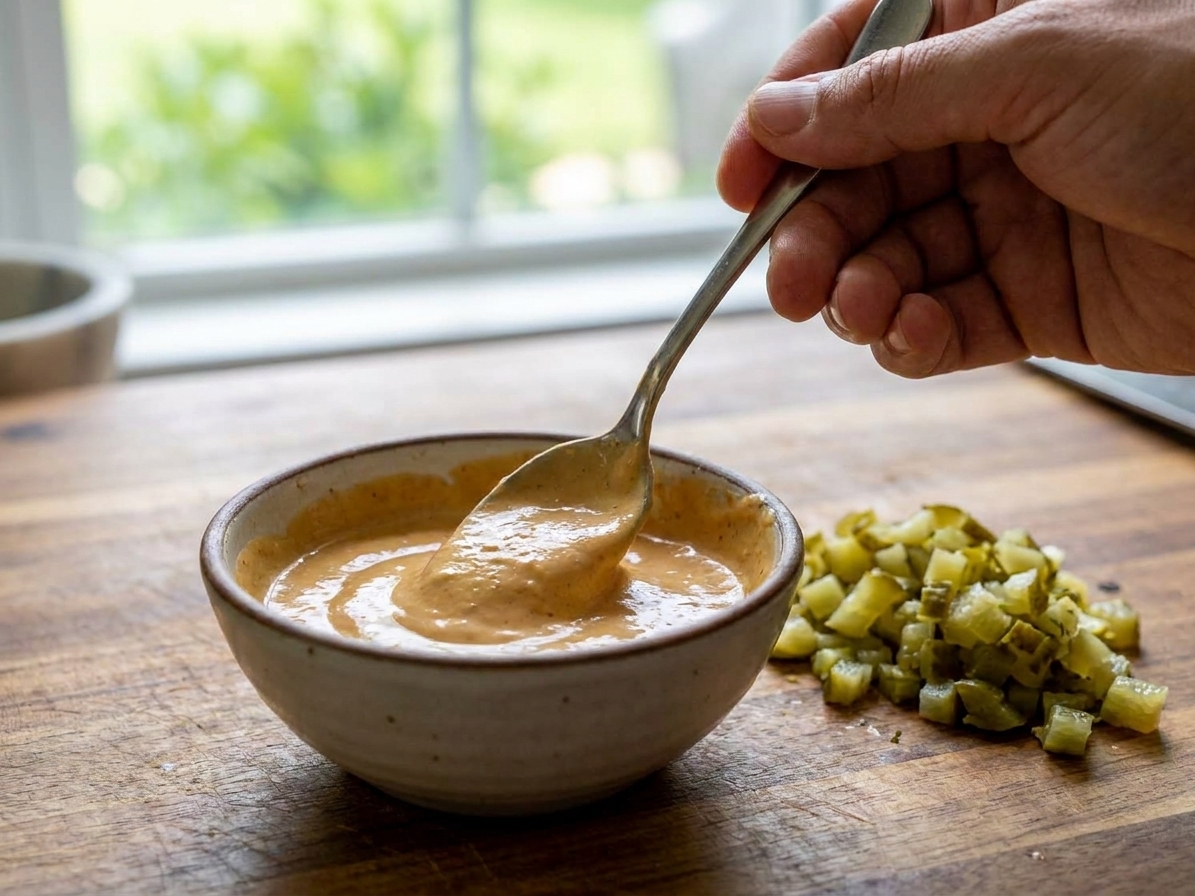
So we are not doing that. We are mixing gently, seasoning like we mean it, and cooking to a temp that keeps the center juicy. Then we are throwing a bright, tangy sauce on top because bison loves acidity the way fries love ketchup.

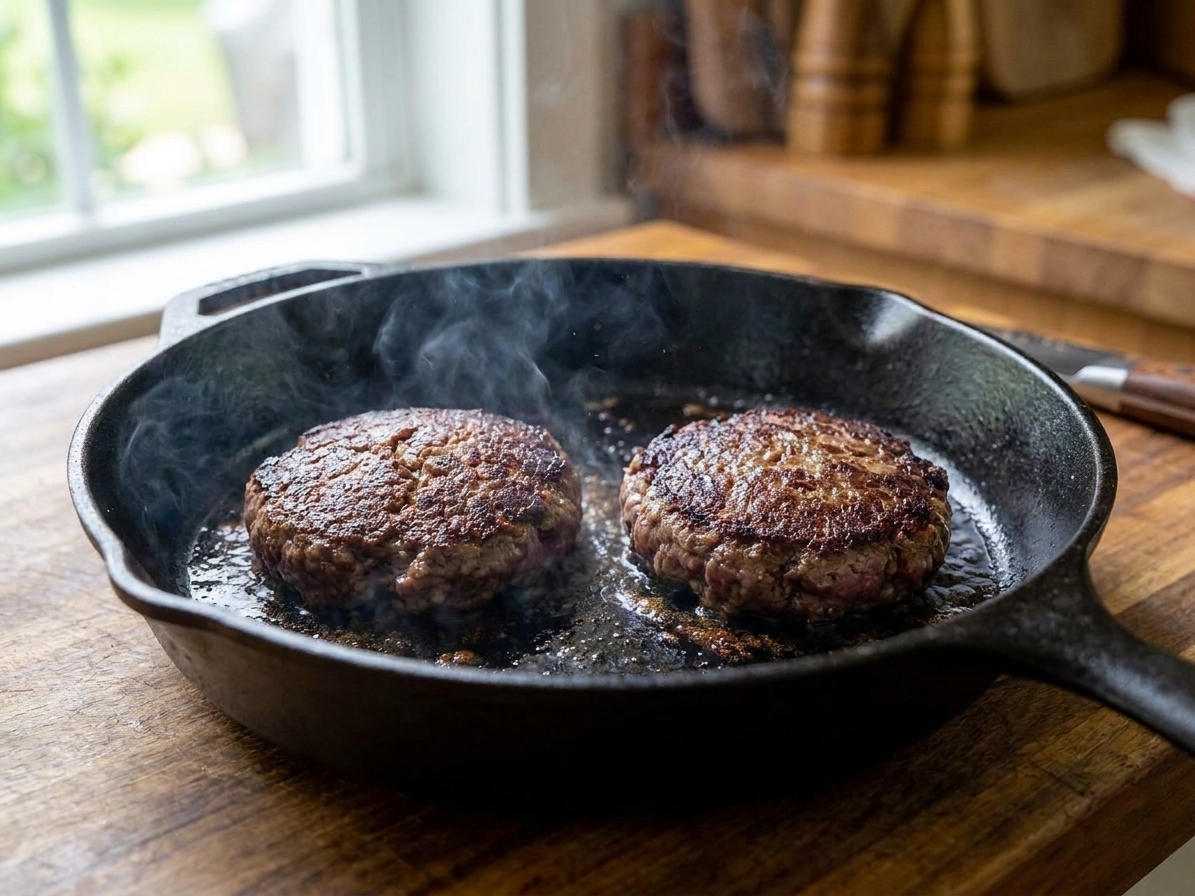
Make these on a grill or in a skillet. Either way, you are chasing crisp edges and a tender middle, not hockey pucks.
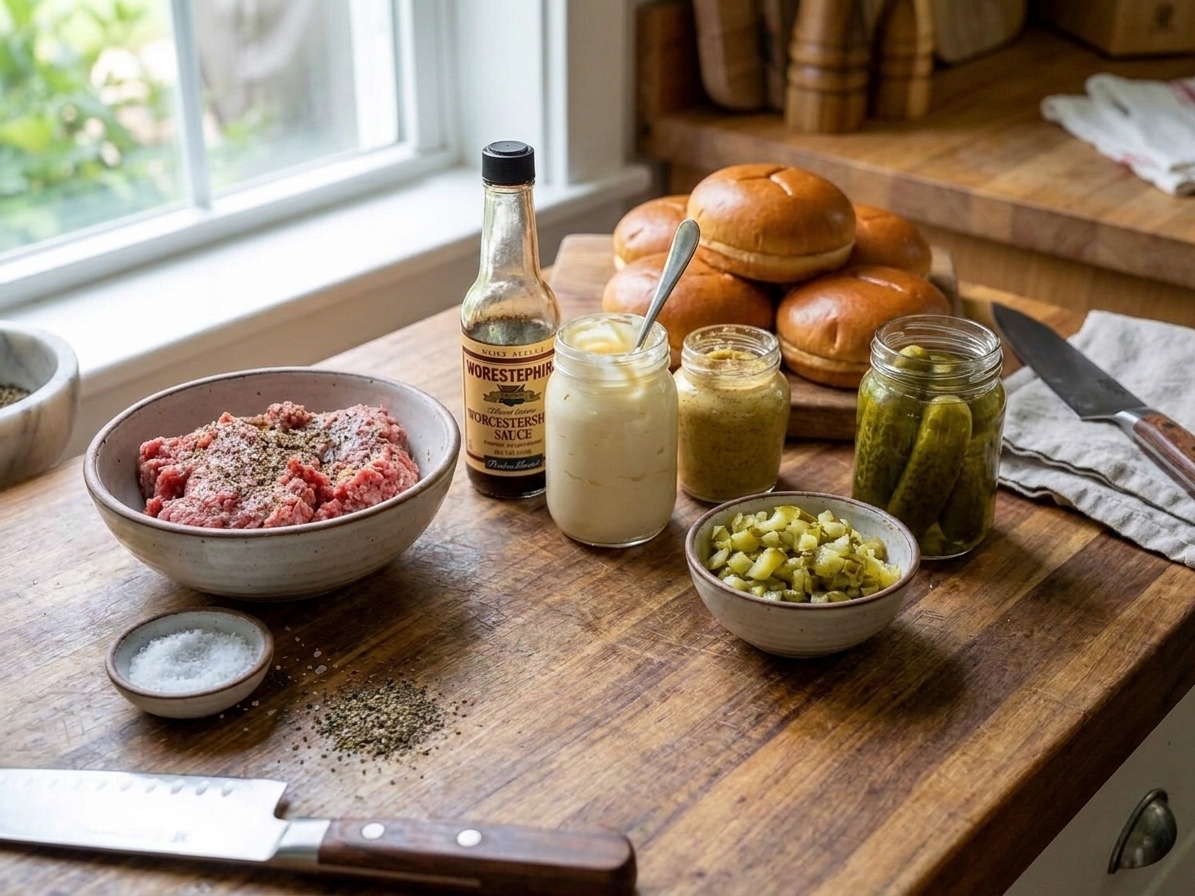
Ground bison, salt, pepper, Worcestershire sauce, mayonnaise, mustard, pickles, and burger buns arranged on a clean kitchen counter with warm natural light

Why It Works

  • Juicy texture with lean meat: A little fat plus gentle handling keeps bison tender instead of tight and crumbly.
  • Fast flavor: Worcestershire, garlic, and a punchy sauce bring the wow without a long ingredient list.
  • Crisp edges, not overcooked centers: High heat for the sear, then an internal temp target so you pull them at the right moment.
  • Flexible cooking methods: Works on the grill, cast iron, or a nonstick skillet if that is what you have.

Pairs Well With

Storage Tips

Storing Leftover Bison Burgers

  • Fridge: Cool patties completely, then store in an airtight container for up to 3 days. Keep buns and toppings separate so nothing gets soggy.
  • Freezer: Wrap cooked patties individually and freeze up to 2 months. Thaw overnight in the fridge for best texture.
  • Reheating: Warm patties in a covered skillet over medium-low with a tiny splash of water, 2 to 4 minutes per side, until heated through. Microwave works in a pinch, but go in short bursts so they do not dry out.

Common Questions

Common Questions

Is bison healthier than beef?

Bison is often leaner than many ground beef blends, which can mean less saturated fat, but it depends on the fat percentage and what you compare it to. The big cooking takeaway is the same either way: lean meat has less built-in moisture, so technique matters.

What internal temperature should bison burgers be?

For the juiciest texture, I like pulling burgers around 140 to 145°F for medium, then letting them rest 5 minutes.

Food safety note: Many U.S. food-safety guidelines recommend cooking ground meats (including bison) to 160°F. If you choose to cook below 160°F for texture, do it with freshly ground meat from a trusted source and understand the risk.

If you prefer more done, go to 150 to 155°F, but expect a firmer, drier bite.

Do I need to add egg or breadcrumbs?

No. If you mix gently and do not overcook, the patties hold together just fine. If your bison is extremely lean, a little added fat (olive oil or bacon fat) helps more than binders.

Can I make these ahead?

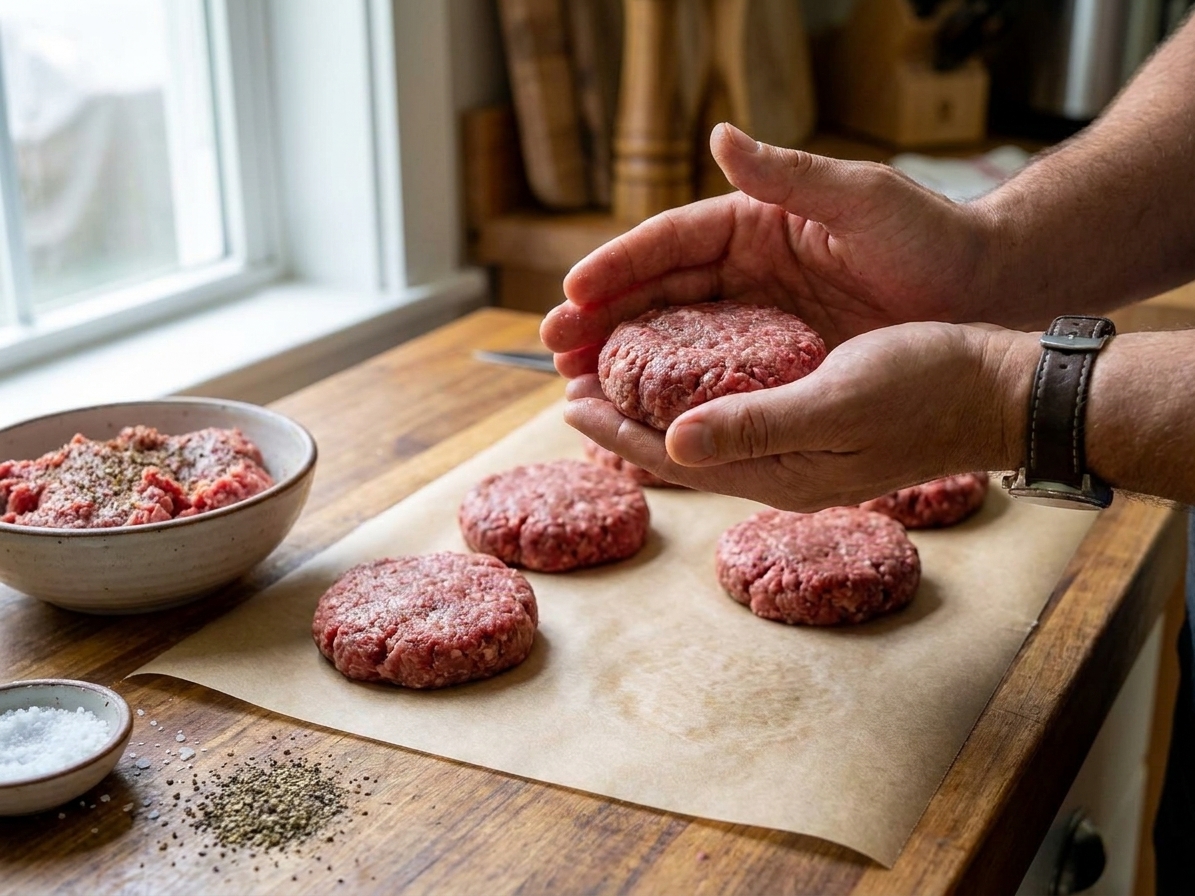
Yes. Form patties, place on a parchment-lined plate or sheet pan, cover, and refrigerate up to 24 hours. Take them out while the skillet or grill preheats so the chill comes off a bit.

Skillet or grill?

Skillet gets you maximum crust and is easier to control. Grill gives you smoky flavor. Both work, just do not press the patties. That is you squeezing out your own happiness.

I started making bison burgers when I was in my let me learn this by doing it wrong first era. My first batch tasted great but ate like seasoned cardboard because I cooked them like beef and kept flipping them like I was nervous they might escape. Once I treated bison like the lean, delicate flex that it is and aimed for crisp edges with a medium center, everything clicked. Now it is one of my go-to dinners when I want something simple that still feels like I actually tried.