Mom's Best Recipes
Recipe

Juicy Boneless Chicken Breast

Golden-edged skillet chicken breast that stays tender inside, finished with a quick lemon-garlic pan sauce you will want to mop up with bread.

Author By Matt Campbell
4.9
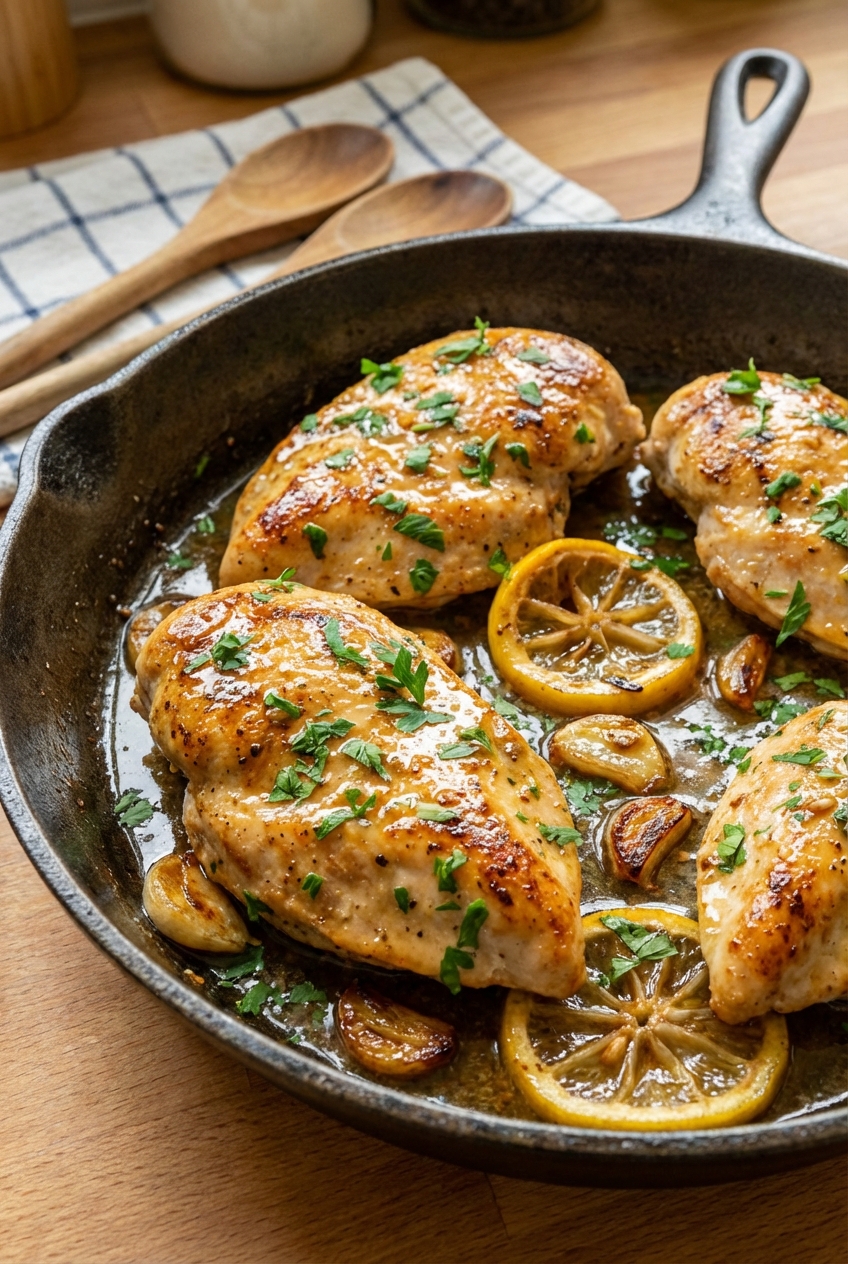
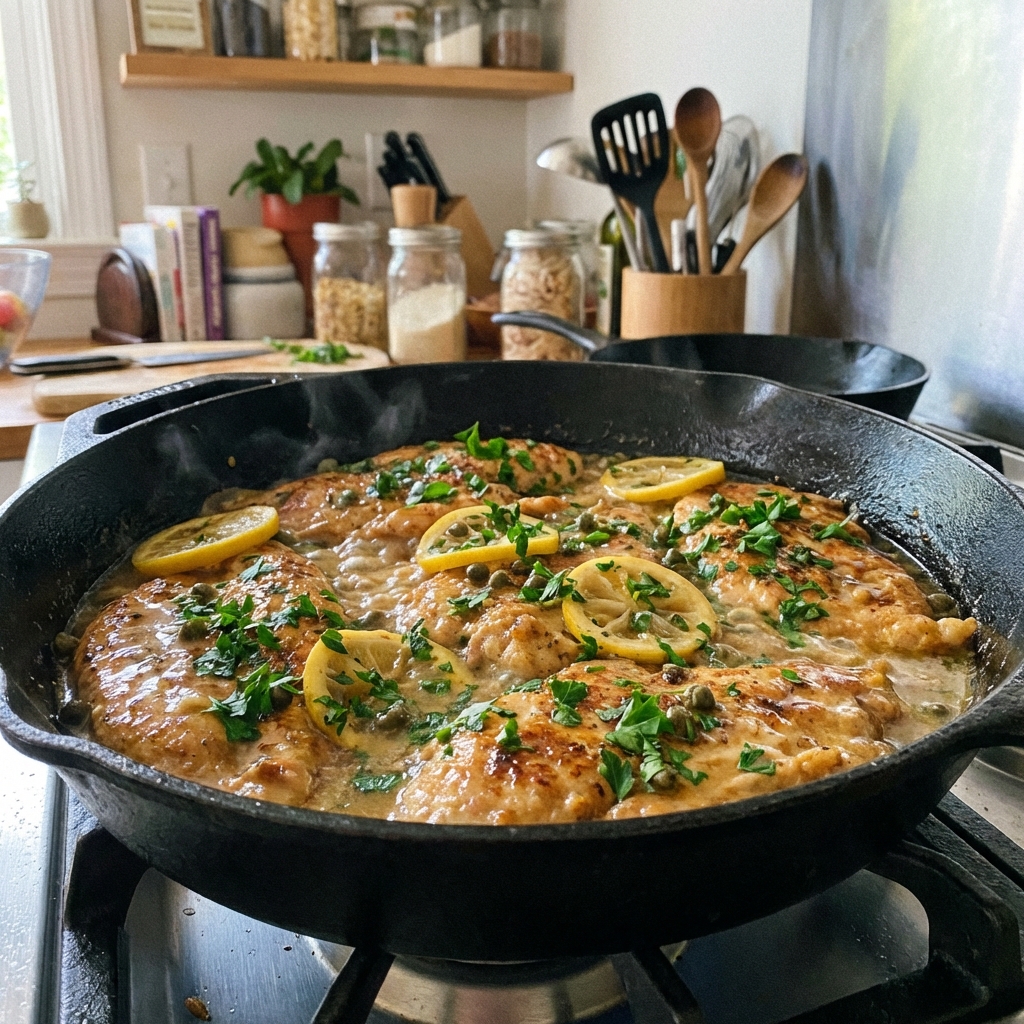
A real photograph of golden-brown boneless chicken breasts in a cast iron skillet with a glossy lemon-garlic pan sauce and chopped parsley

Boneless, skinless chicken breast gets a bad reputation for being dry, boring, and vaguely cafeteria-adjacent. I am here to lovingly disagree. The trick is not some secret chef spell. It is a few small moves that add up: even thickness, confident seasoning, a hot pan, and a rest that you actually wait for.

This recipe gives you crisp edges, a juicy center, and a bright, buttery lemon-garlic pan sauce that makes the whole situation feel suspiciously fancy for a Tuesday. You can serve it with rice, pasta, roasted vegetables, or directly over the sink with a fork. No judgment. Taste as you go. You are the boss of this skillet.

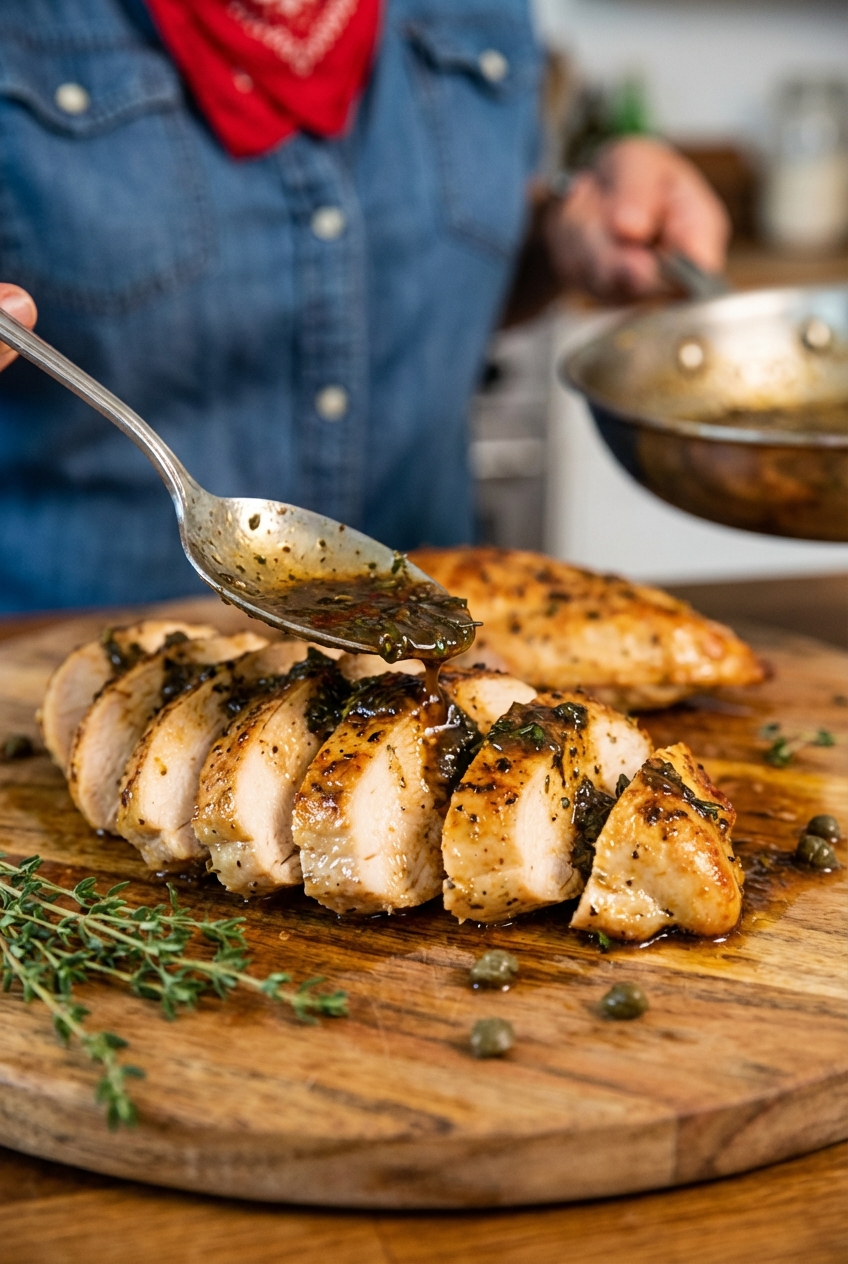
A real photograph of sliced cooked chicken breast on a cutting board with visible juices and a lemon half nearby

Why It Works

  • Even cooking = juicy chicken: Lightly pounding the chicken to an even thickness prevents the thin end from drying out while the thick end catches up.
  • A quick dry brine helps: Salting the chicken for even 10 to 15 minutes improves seasoning and helps it hold onto moisture. Longer is even better if you have time.
  • High heat, then gentle finish: Sear for color, then lower the heat so the outside does not overcook while the inside reaches 165°F.
  • Resting is not optional: A 5 minute rest lets the juices redistribute so they stay in the chicken, not on your cutting board.
  • Pan sauce = instant personality: The browned bits plus butter, garlic, lemon, and a splash of broth turn plain chicken into a “wait, you made this?” moment.

Storage Tips

How to Store and Reheat

  • Fridge: Store chicken and sauce in an airtight container for up to 4 days. If possible, keep a little sauce with the chicken to protect it from drying out.
  • Freezer: Freeze cooked chicken (sliced or whole) for up to 2 months. Freeze sauce separately if you can. Thaw overnight in the fridge.
  • Reheat, best method: Warm sliced chicken gently in a covered skillet with a splash of broth or water and a spoonful of sauce, over low heat just until hot.
  • Microwave tip: Use 50 to 70% power and cover it. Stop as soon as it is warmed through. Chicken breast punishes impatience.
  • Leftover glow-up: Slice and add to salads, wraps, quesadillas, grain bowls, or a quick chicken “something” pasta with extra lemon and parmesan.

Common Questions

FAQ

How do I keep boneless chicken breast from drying out?

Three big things: pound to even thickness, do not overcook (use a thermometer), and let it rest 5 minutes before slicing. A quick salt rest also helps it stay juicy.

What temperature should chicken breast be cooked to?

USDA guidance is 165°F (74°C) at the thickest part. For the juiciest result, I like to take it off the heat at 160 to 162°F, tent with foil, and let it rest, but carryover is not automatic. Check again after resting. If it is not at 165°F, pop it back in the skillet for a minute or two.

Can I bake this instead of pan-searing?

Yes. Sear first for color if you can, then bake at 425°F until the thickest part reaches 165°F. If you want a no-stovetop version, bake on a sheet pan and make the sauce separately in a small saucepan.

What if my chicken breasts are huge?

Butterfly them (slice horizontally to create two thinner cutlets) or cut each breast in half lengthwise. Thinner pieces cook faster and stay juicier.

Can I use chicken thighs?

Absolutely. Boneless thighs are more forgiving. For food safety, cook to at least 165°F. For the best tender texture, many people prefer 175°F or higher. Keep the same sauce.

Is the flour necessary?

No, but it helps with browning and gives the sauce a little body. You can skip it, or use a gluten-free flour blend. Cornstarch also works, but use less and keep an eye on heat since it browns fast.

I started making chicken breast like this after one too many “why is it so dry?” dinners where the only thing juicy was my regret. The turning point was realizing chicken breast is not hard, it is just dramatic. Treat it gently, cook it confidently, and let it rest like it just finished a marathon. Now this is my default: sear, sauce, done. It is the kind of recipe that makes leftovers feel like a flex, especially when you slice it cold at midnight and somehow it is still tender. Suspicious. Impressive. Exactly my brand.